Shenzhen Visual Travel Guide
Illustrated city overview — not a scale map. Use Routes below for day-by-day stops you can open in Planner.
Shenzhen · 深圳
Shenzhen is a city built on speed: a fishing coast turned into a global hardware supply-chain hub in four decades, where the Deng Xiaoping portrait hill, the 26 malls of Huaqiangbei and the waterfront facing Hong Kong all date from the same single generation.
City-level visual guides and reviewed photos — infographics are illustrated overviews, not scale maps.
Illustrated city overview — not a scale map. Use Routes below for day-by-day stops you can open in Planner.
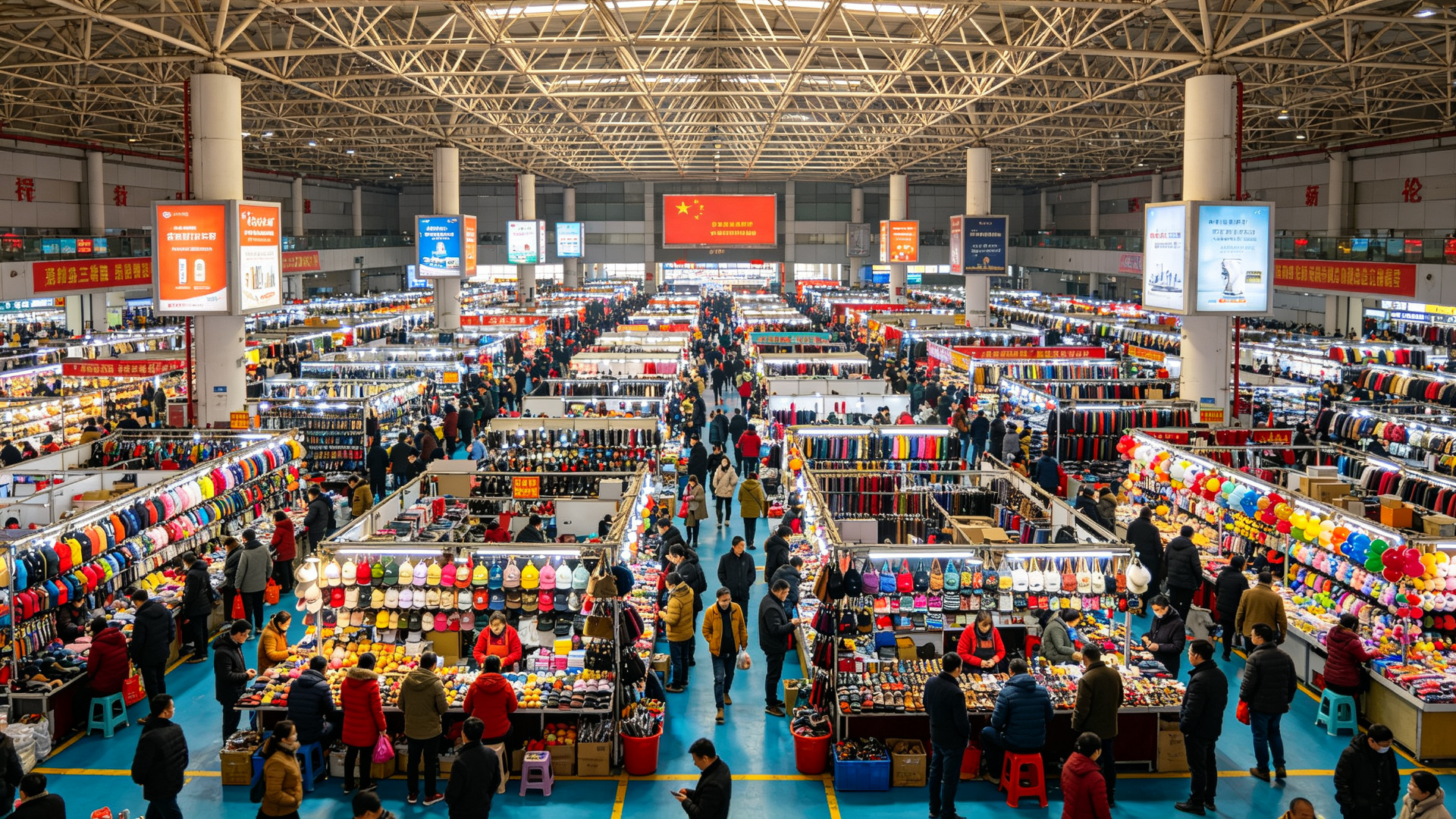
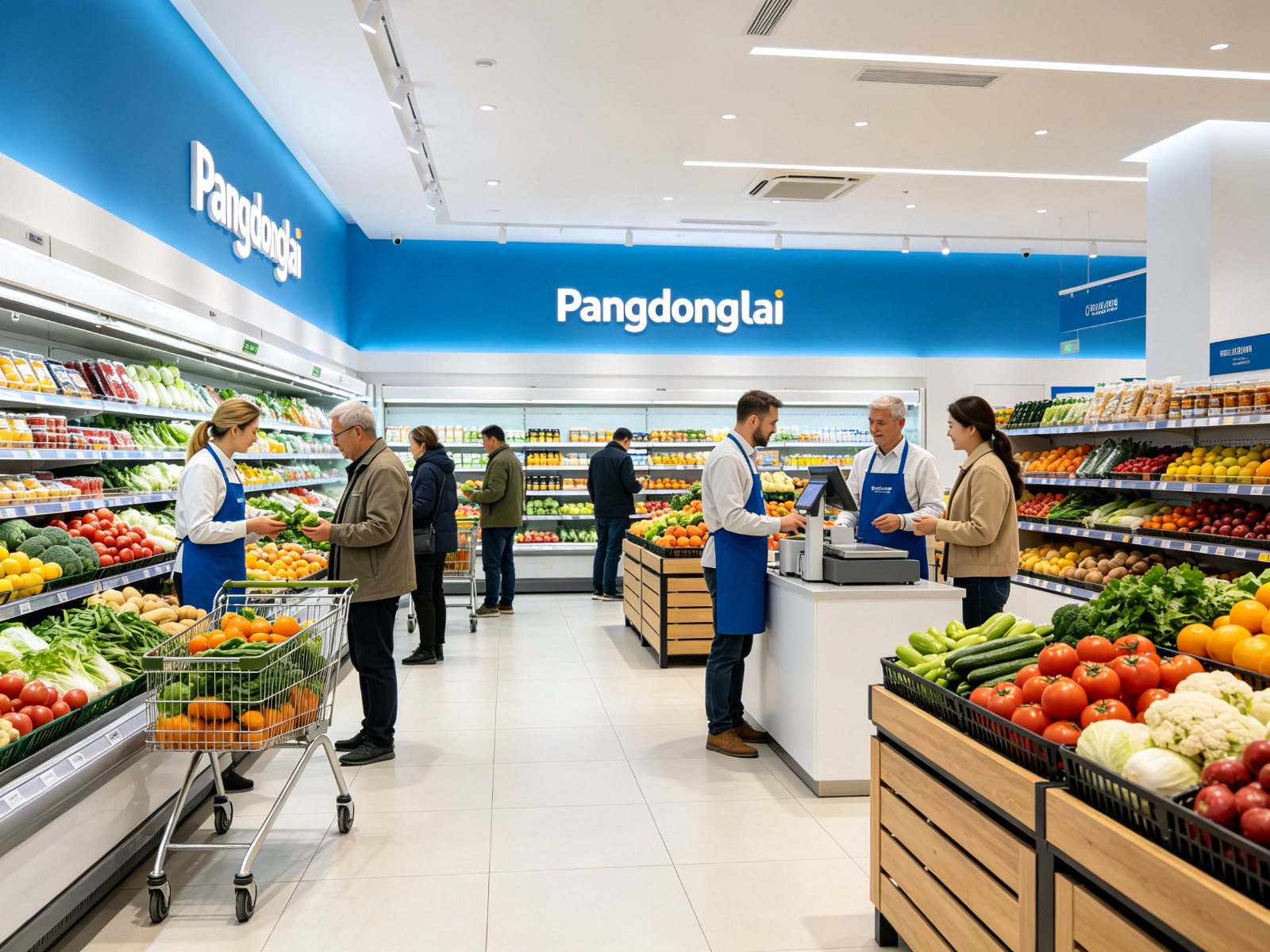
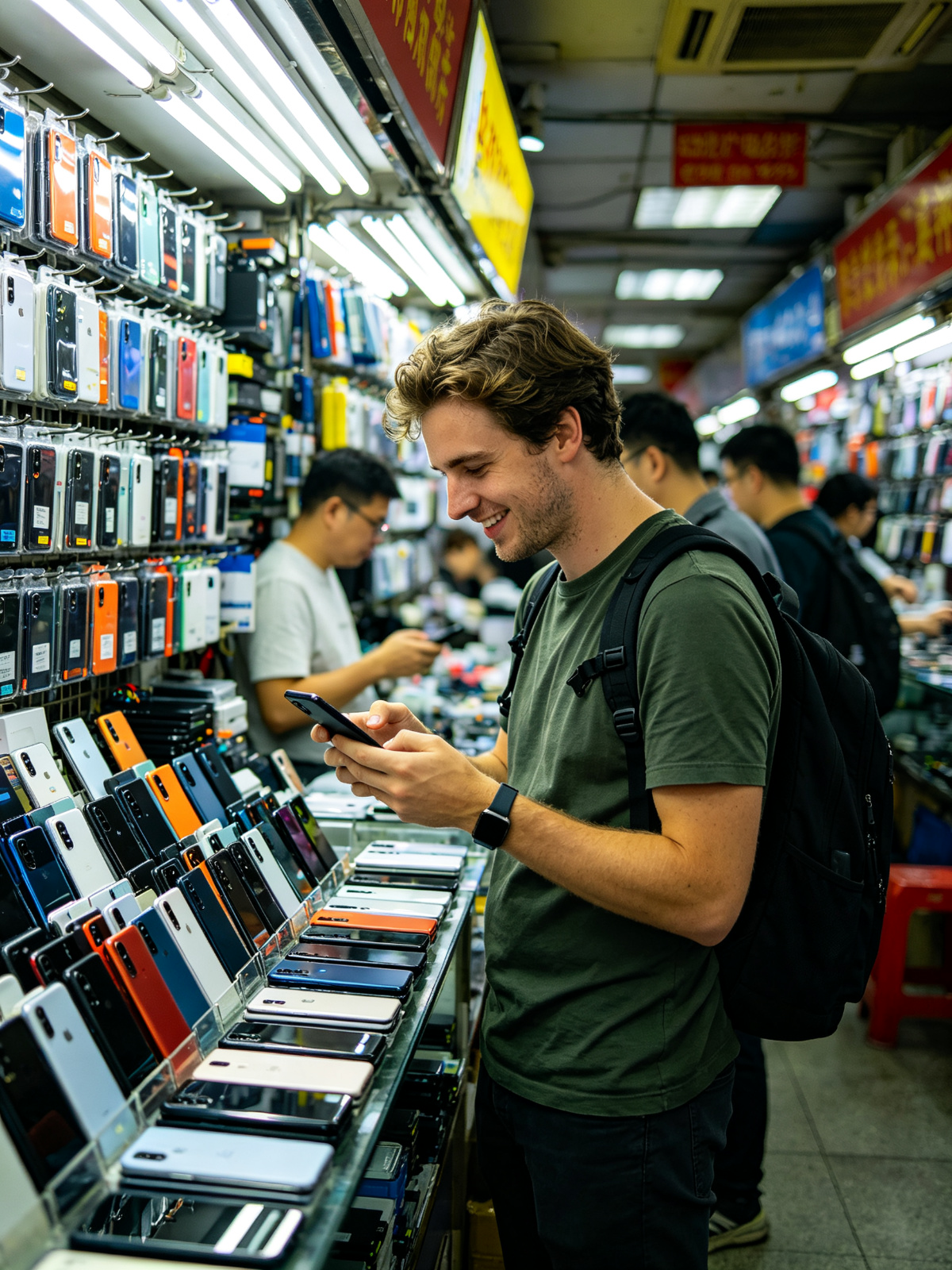
Twenty-plus electronics markets stack components, bare phones and finished gadgets floor by floor—this is where prototype hardware gets sourced. Judgment: treat it as a working wholesale district; action: go on a weekday morning, ask wholesale prices, and inspect any 'new' phone before paying.
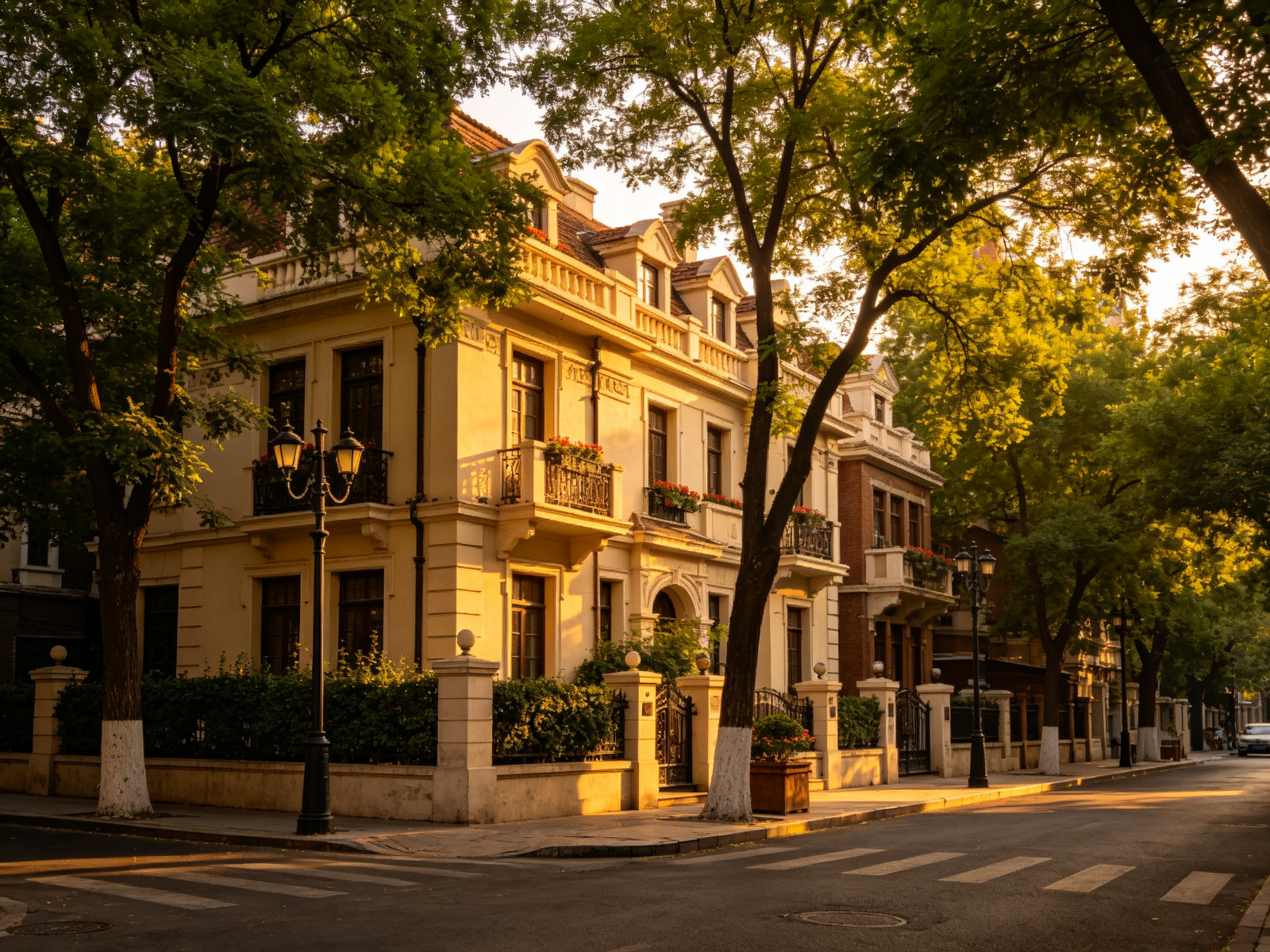
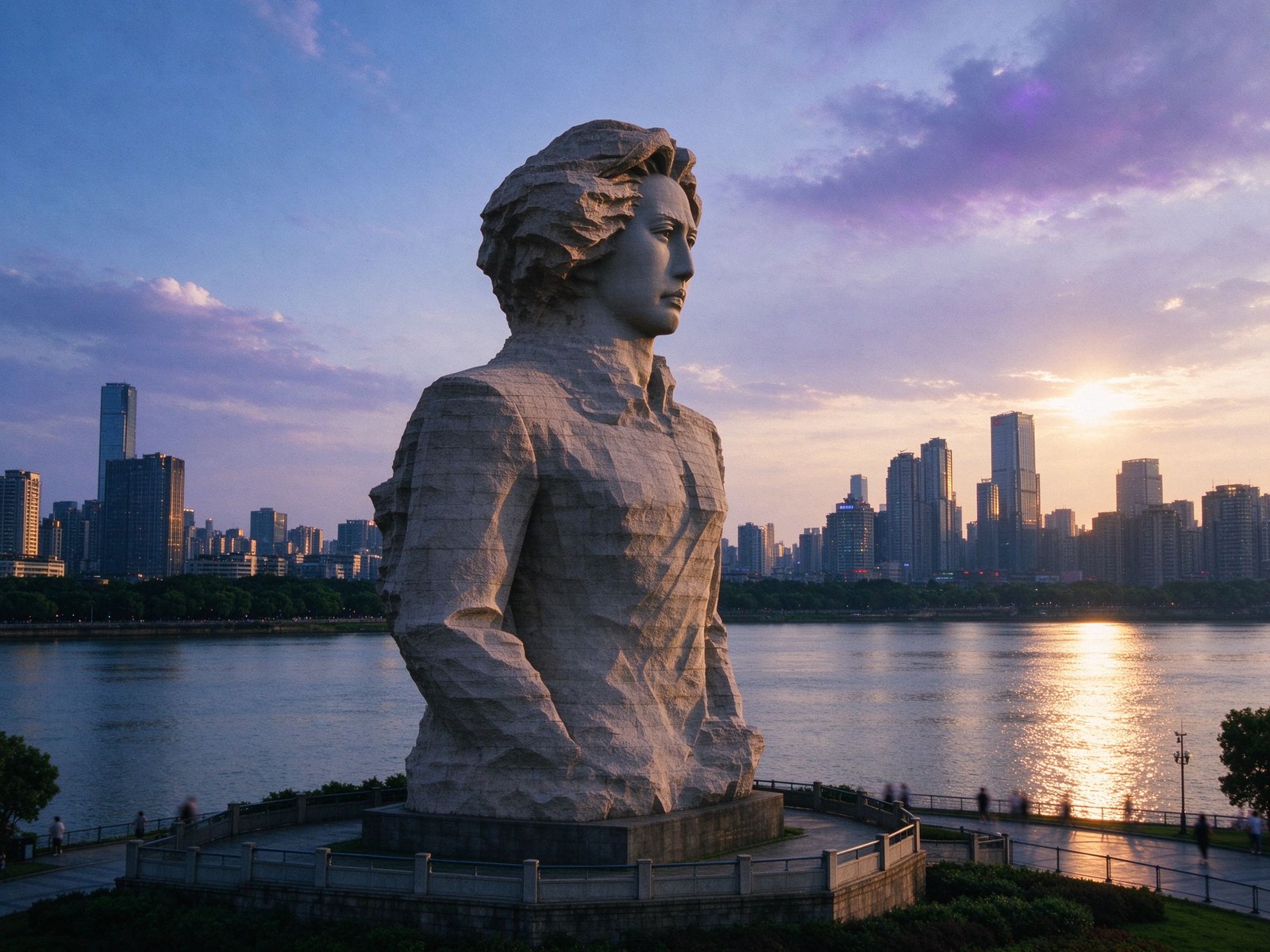
The hilltop bronze Deng Xiaoping statue faces the Futian CBD grid that is the physical record of China's reform era. Judgment: this city has little old-heritage to queue for; its heritage is the skyline itself; action: time the 15-minute easy climb for 30 minutes before sunset.
Futian and Luohu border crossings sit on metro lines; Luohu runs to midnight and Futian 6:30-22:30. Judgment: Shenzhen works as a cheaper, faster base for a Hong Kong add-on—bring the right visa/endorsement; action: pick the port by your metro line, not by hype.
The city’s signature line — depth entry, not a checklist.
The signature line reads forty years of 'Shenzhen speed' on one axis: Lianhuashan's hilltop statue frames the Futian CBD that the reform era built, Huaqiangbei's stacked malls are the manufacturing supply chain that funded it, and Shenzhen Bay Park's waterfront facing Hong Kong is where the two economies sit back to back. Walk the arc as cause and effect, not as three separate sights.
Add to trip to compare and prepare; check partner links for slots and price when shown.
 Emerging
The electronics market people mean by Shenzhen. What to buy, and how not to overpay.
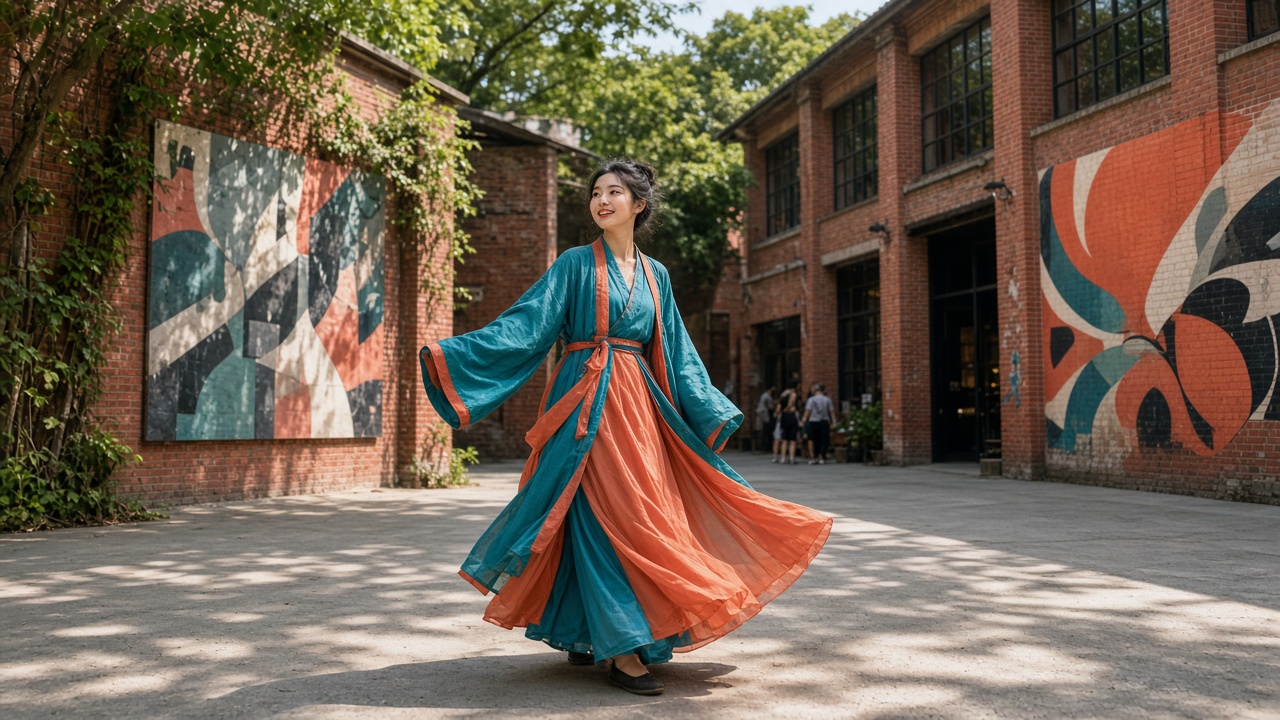
Trending culture experience in Shenzhen.
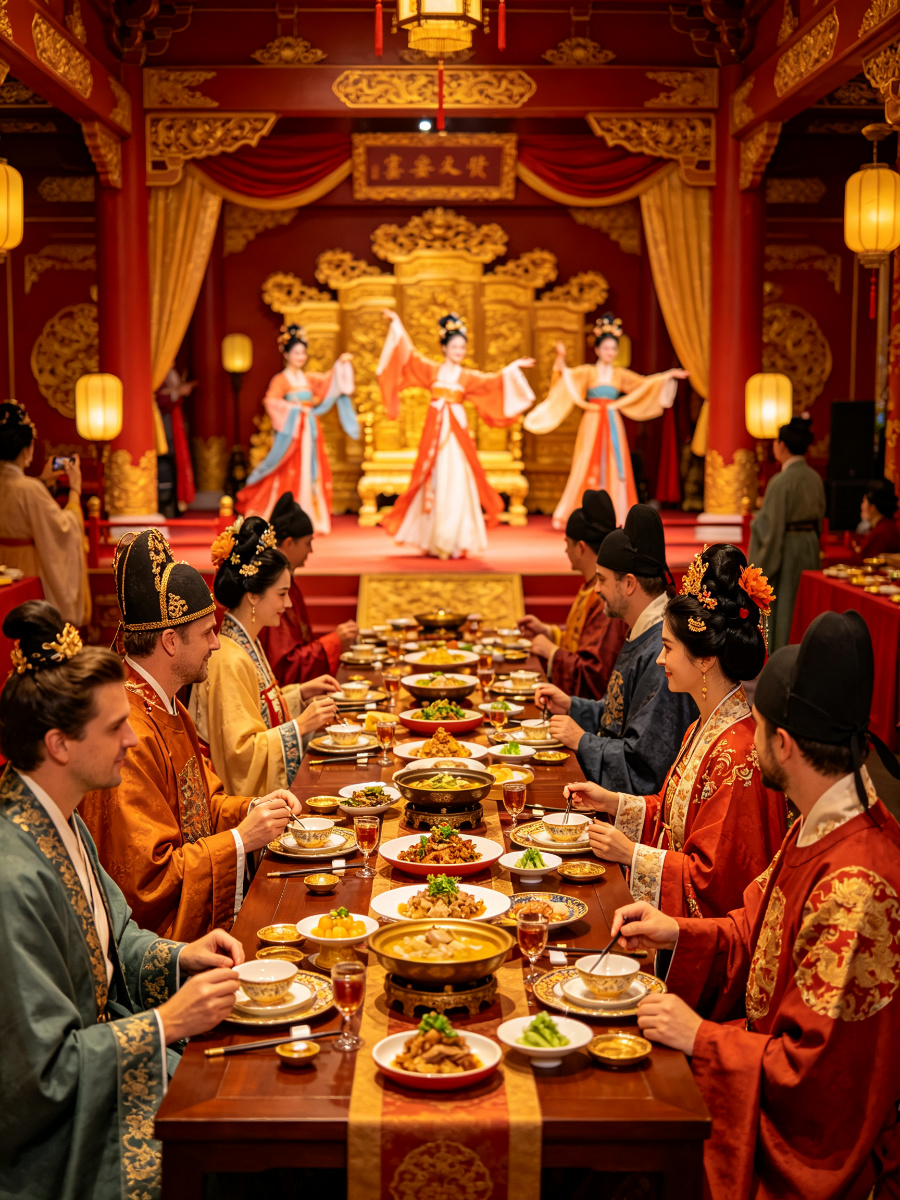
Trending food experience in Shenzhen.
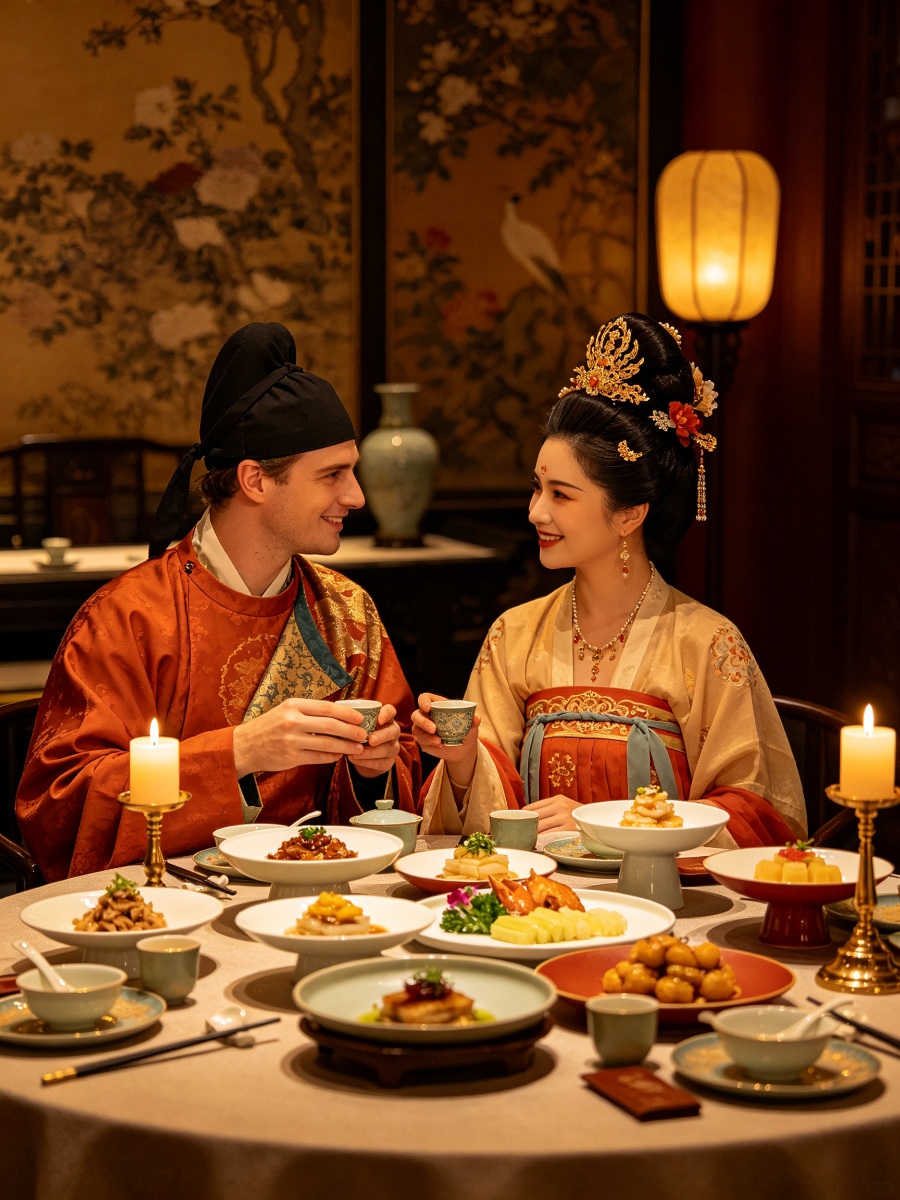
Trending food experience in Shenzhen.
Beyond ticket notes — read the city’s character first.
Shenzhen was designated China's first Special Economic Zone in 1980; by the 1990s 'Shenzhen speed' meant a new floor built every few days. Observation: Lianhuashan's statue faces the CBD deliberately—this city treats its own construction as the founding monument.
The strip grew from roadside stalls into over 20 electronics markets; prototype-makers worldwide source sensors, modules and bare boards here. Judgment: it is a working floor, not a tourist arcade; action: weekday mornings are when wholesale dealers are actually trading.
Nanshan's old industrial workshops were rebuilt into galleries, design studios and cafes—China's version of an art district made by converting industry, not by building a theme park. Judgment: come for the working studios, not the photo wall; action: weekday afternoons, when designers are actually at their desks.
Luohu and Futian crossings move hundreds of thousands of people a day—shoppers, commuters and students. Observation: the metro stations at the border are where two systems meet on foot; reading the passport-control queues tells you how integrated the Bay Area already is.
Most Shenzhen residents were born elsewhere; Chaoshan beef hotpot and congee are the comfort food imported by the city's largest migrant dialect group. Judgment: eat the local favorite, not the landmark; action: look for places where the queue is Chaoshan-dialect speakers.
Tickets, duration, transport — ready for your trip cart.
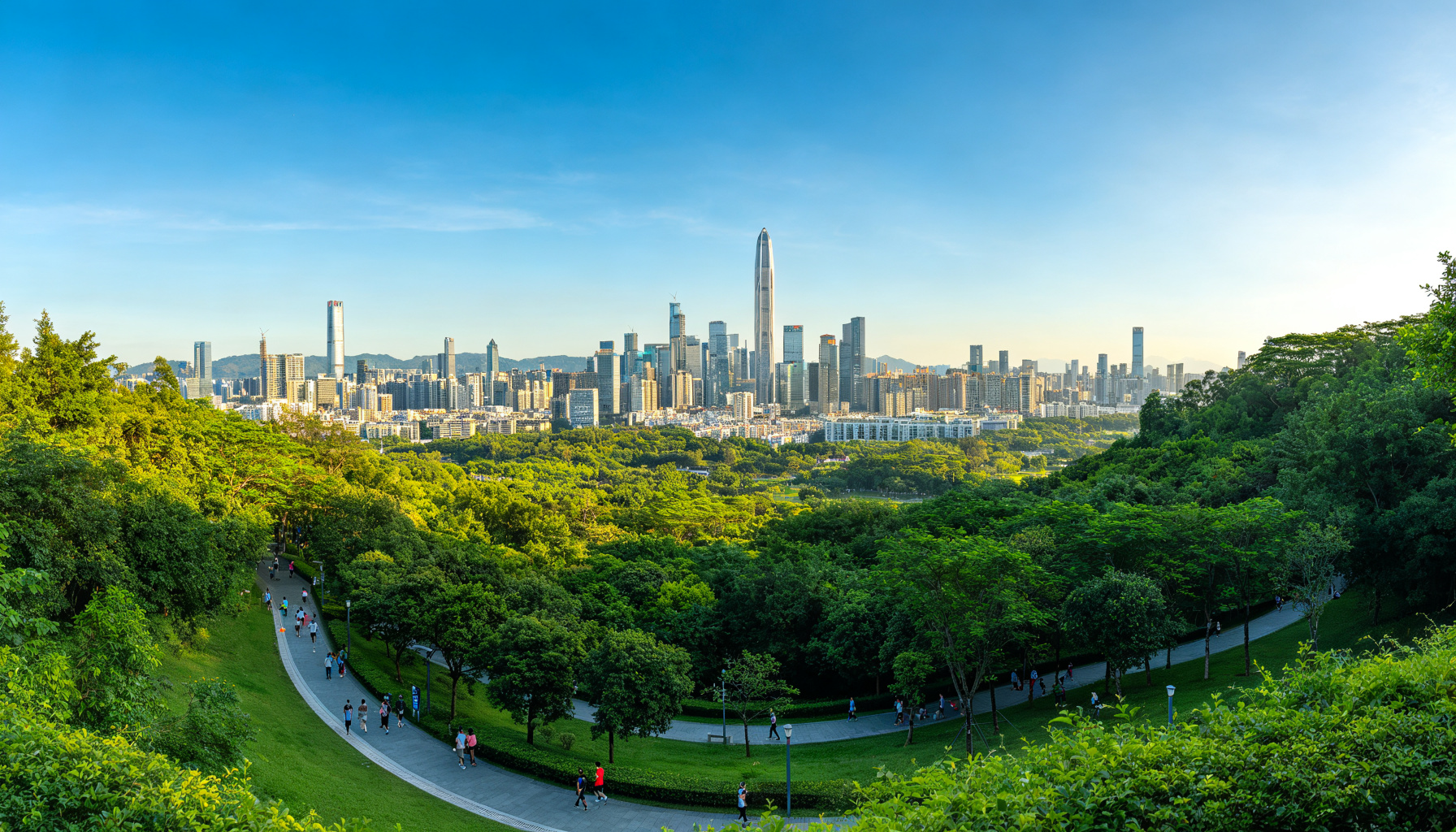 Popular
Hilltop park with bronze statue of Deng Xiaoping and panoramic views of Futian CBD skyline. Free and easy climb.
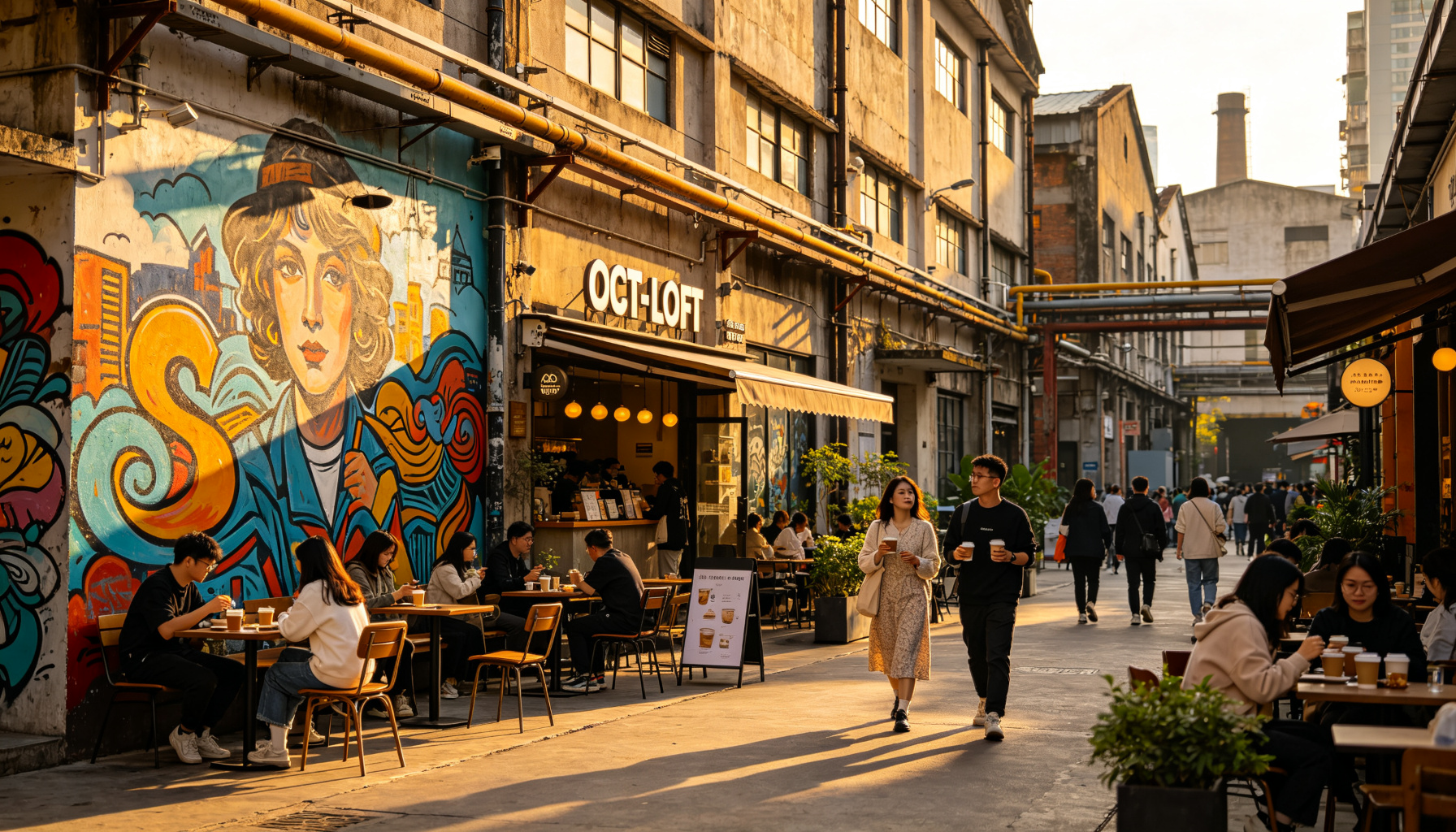
Former industrial zone converted into art district with galleries, cafes, design shops, and street art. Shenzhen's cr…
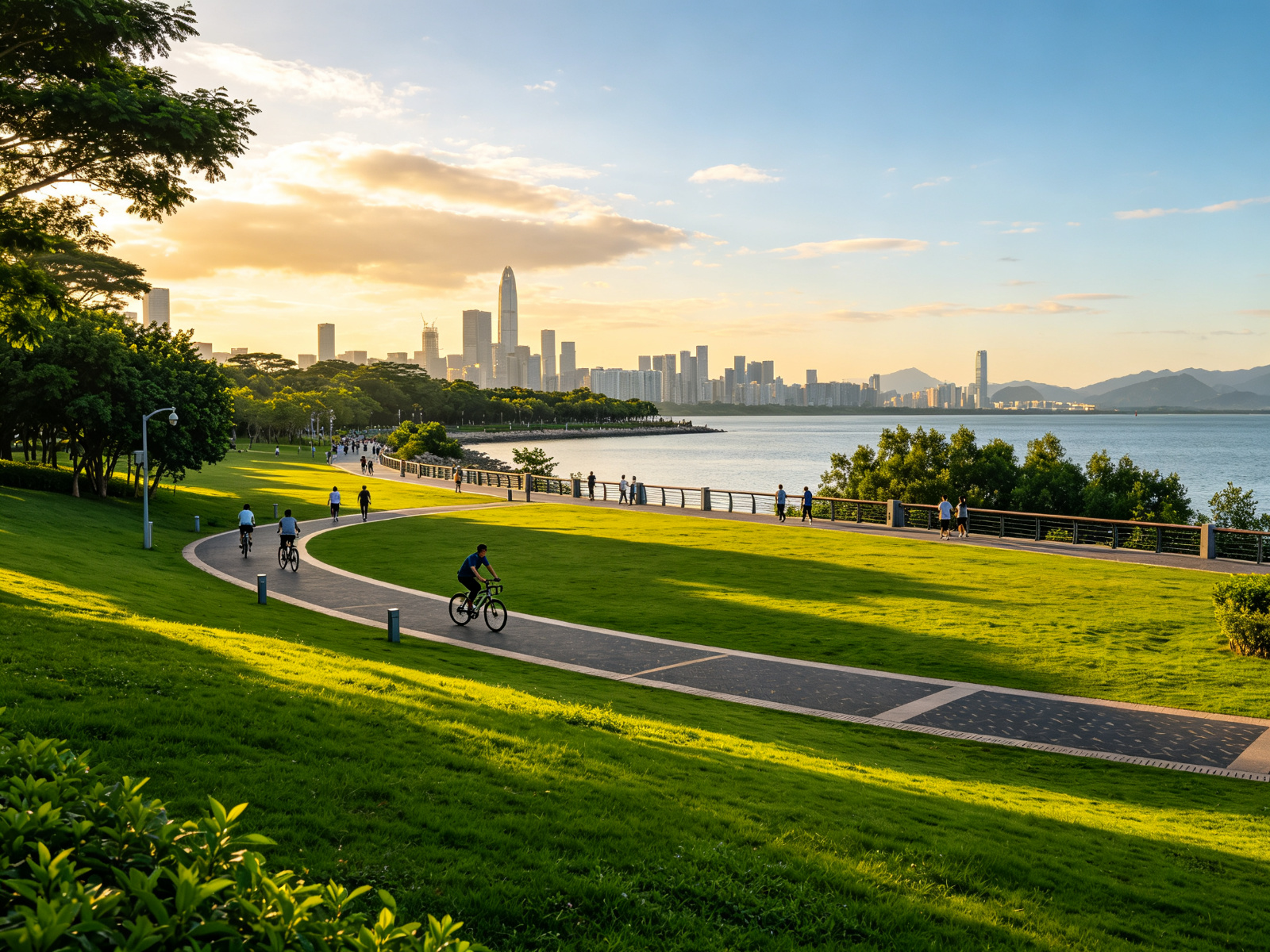
Popular15km waterfront park with Hong Kong skyline views. Great for cycling, sunset, and bird watching (winter).
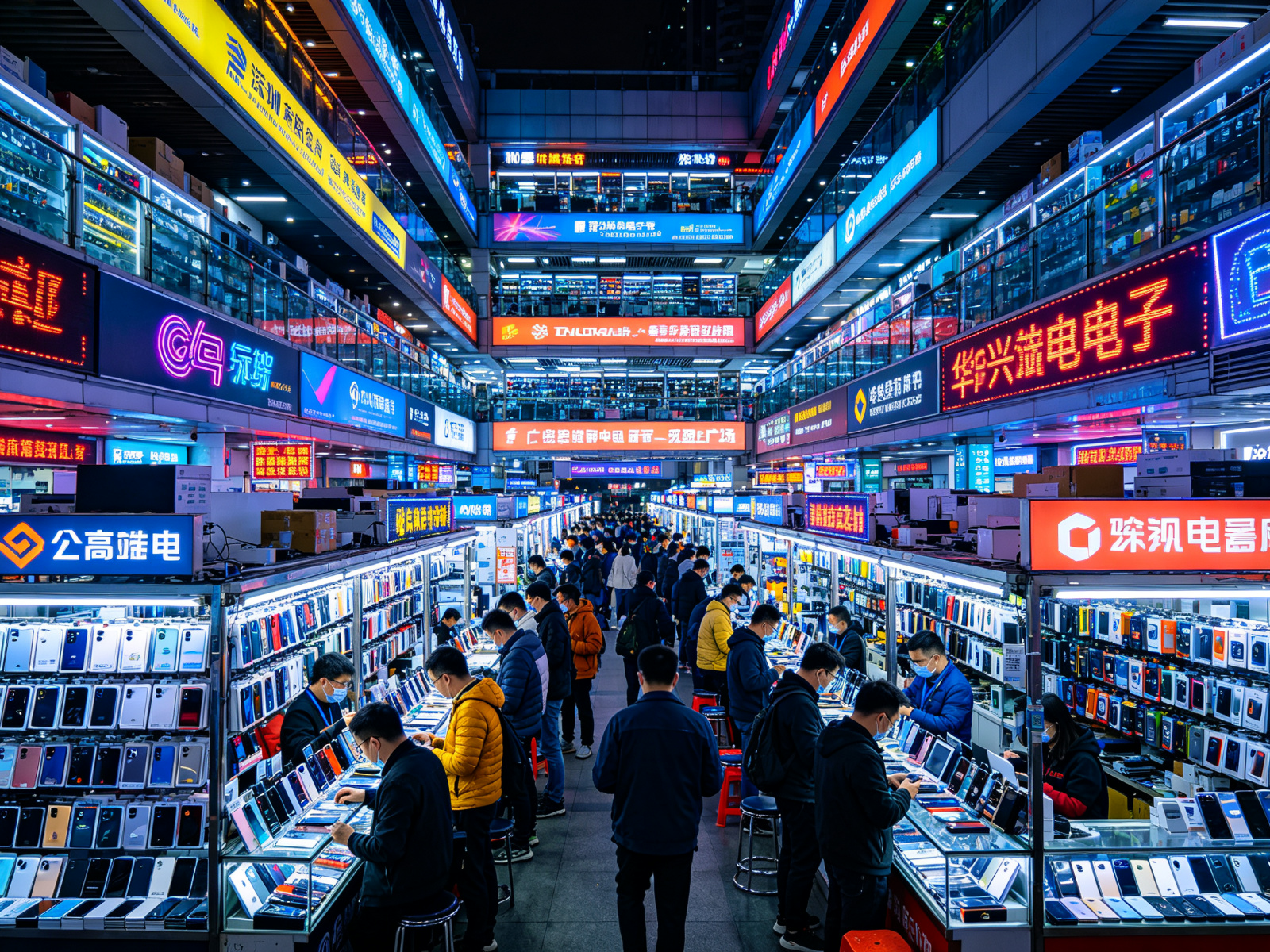 Popular
World's largest electronics market. 10+ floors of gadgets, components, phones, and tech. A paradise for tech travelers.
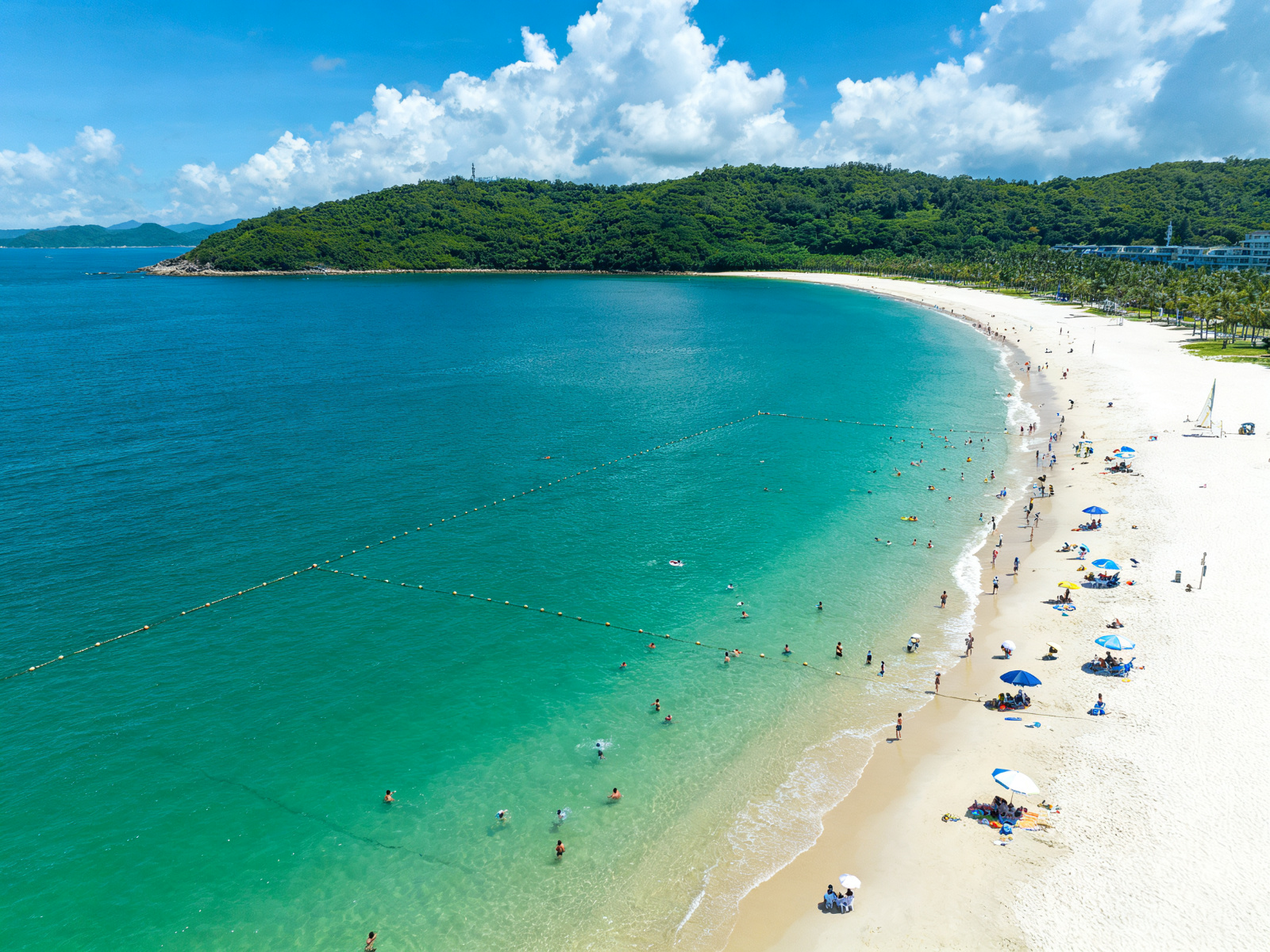
Popular public beach with golden sand and mountain backdrop. Free entry, can be crowded on weekends.
Executable skeletons: day-by-day anchors you can trim to fit.
1-day
For first-timers with one day; assumes a weekday so Huaqiangbei markets are fully open.
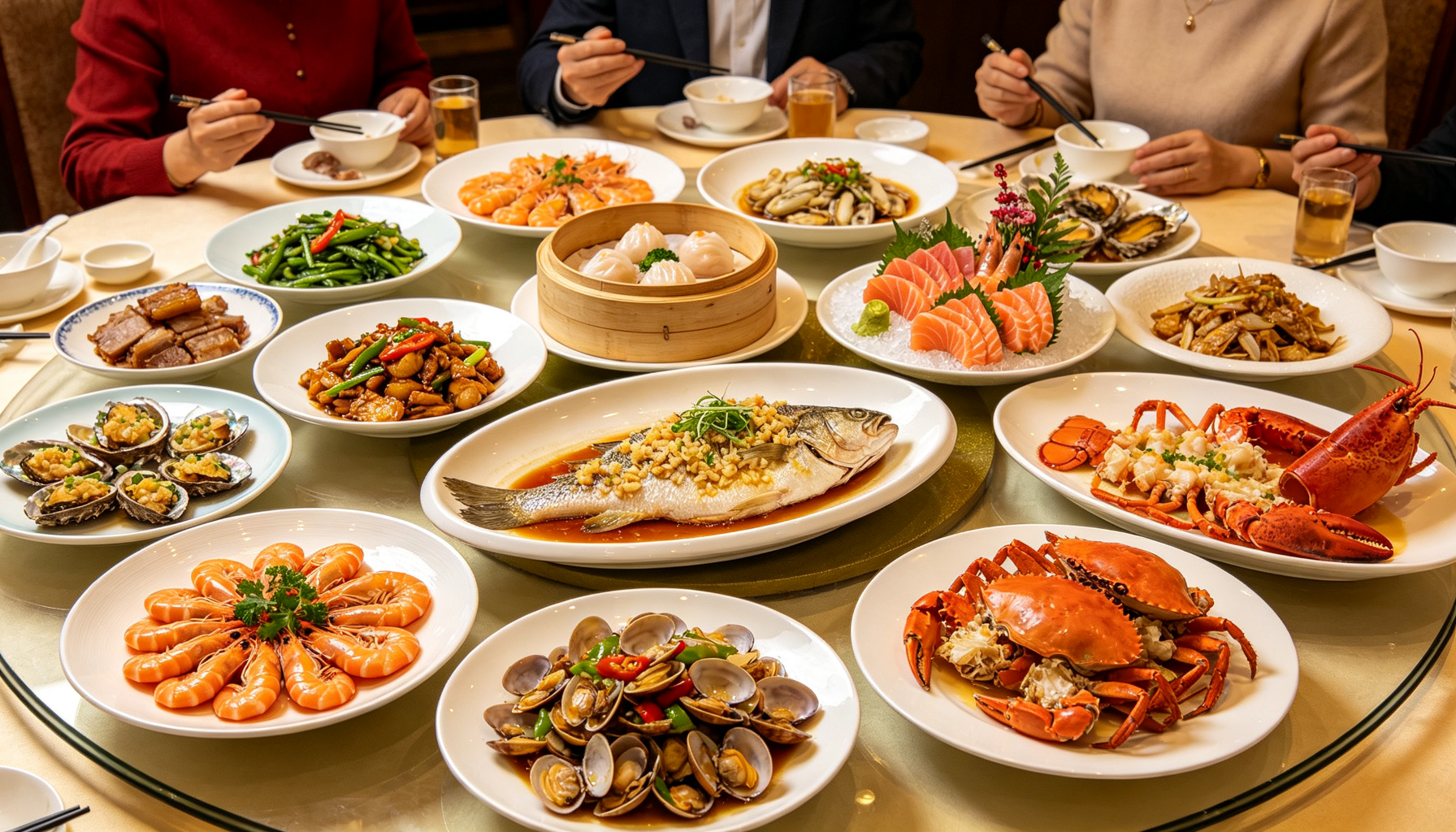
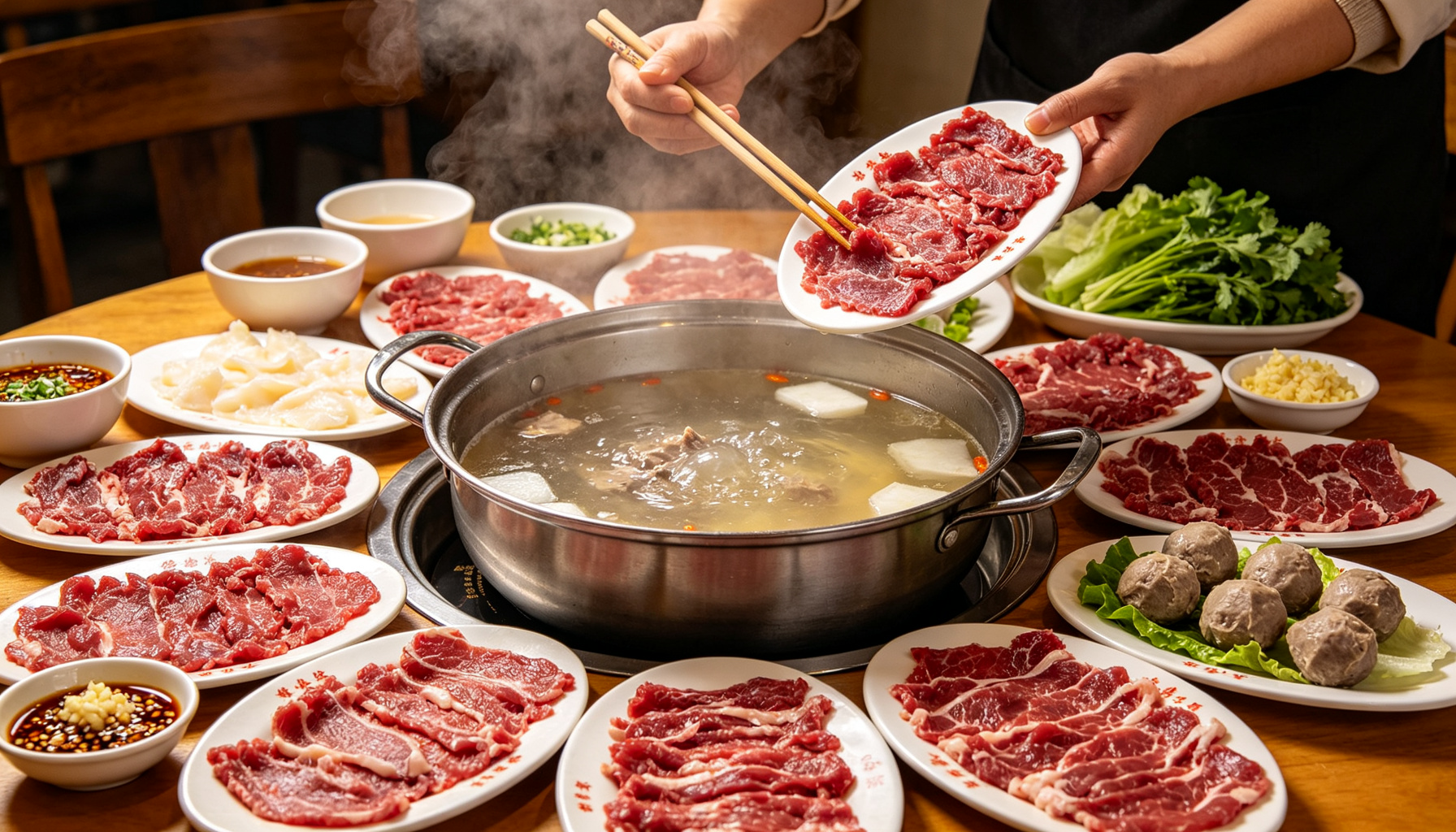
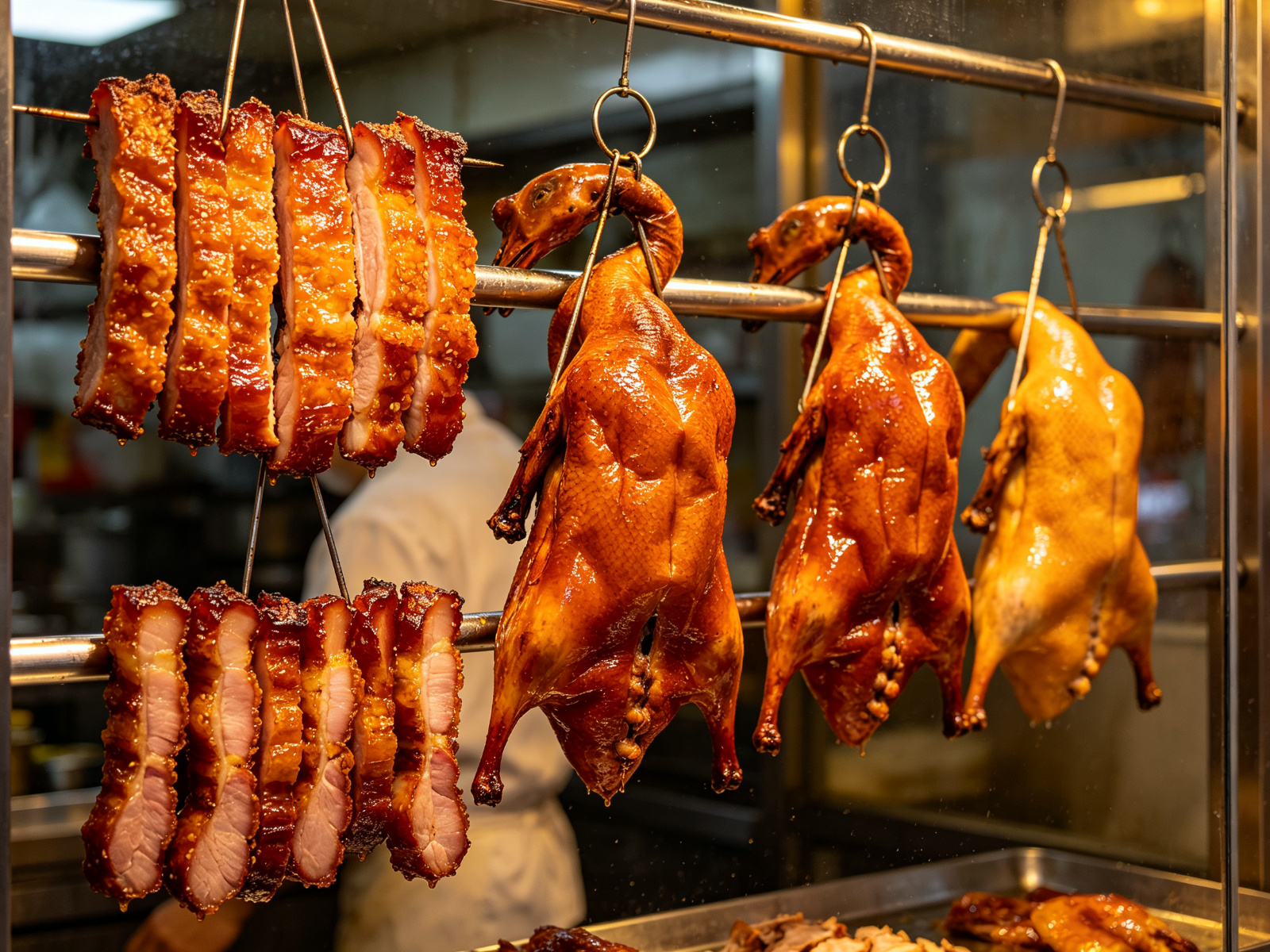
Shenzhen is an immigrant city, so it eats what its workers brought: thinly sliced Chaoshan beef swished in clear broth, live seafood chosen from tanks at Shekou, roast duck and char siu over rice for a fast lunch, and slow congee for breakfast. Skip the airport gift boxes—this city has no heritage-souvenir industry; its best 'takeaway' is a beef-hotpot meal and a bag of parts from Huaqiangbei, not packaged specialties.
 Popular
Fresh seafood at waterfront restaurants. Choose live fish/crab from tanks, cooked to order. Best in Dapeng or Shekou.
 Popular
Thinly sliced fresh beef cooked in clear broth. Each cut has a specific cooking time. A Shenzhen favorite.
 Popular
Roast duck, pork, and char siu over rice. Quick, cheap, and delicious lunch option.
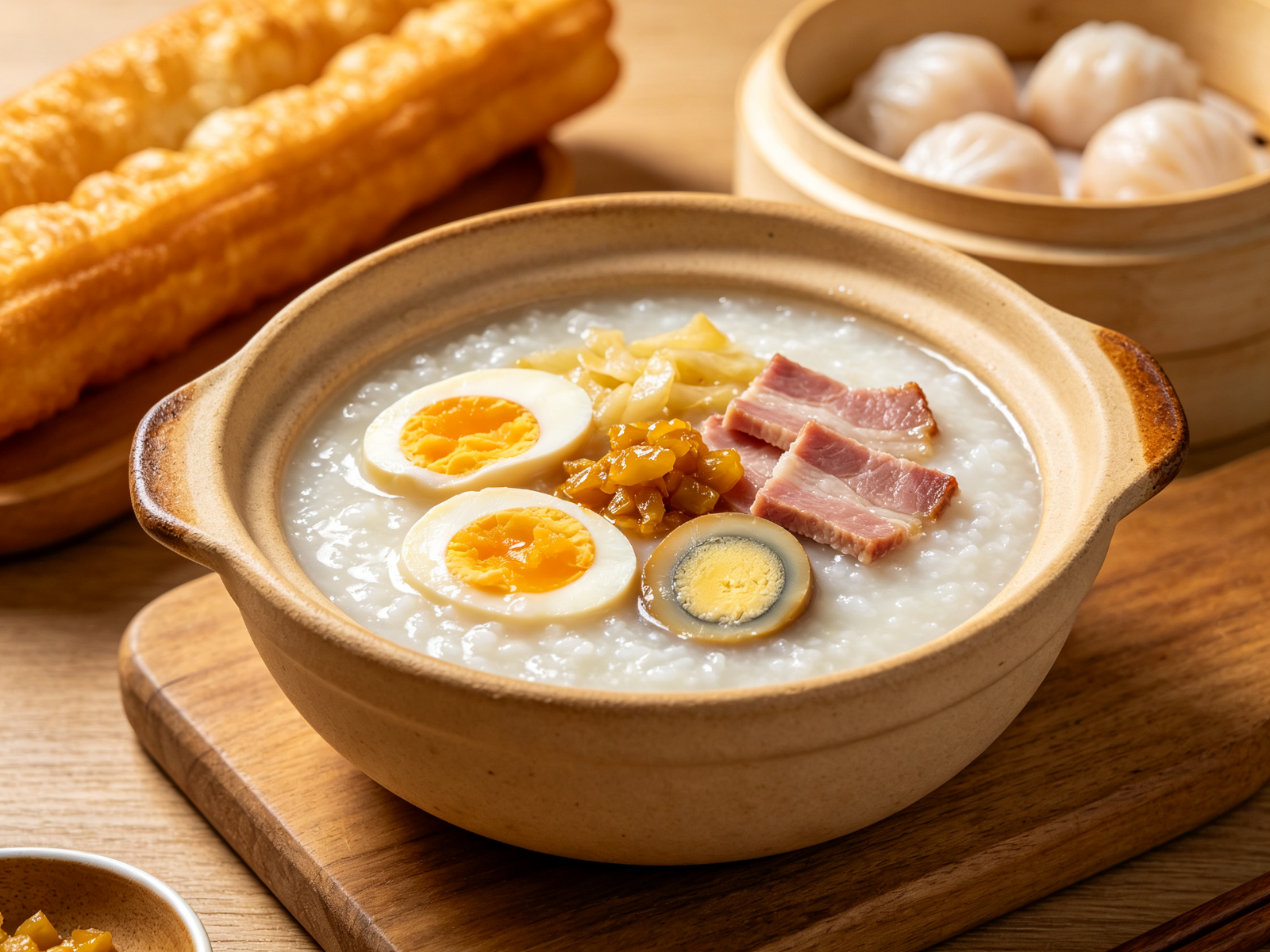
Slow-cooked rice porridge with various toppings (fish, pork, century egg). Comfort food, especially for breakfast.
Best time: October–December, March–April · Subtropical — hot humid summers
Metro (17 lines) is excellent. Didi cheap. Border to Hong Kong via Luohu/Futian metro stations. High-speed rail to Guangzhou (30min).
Foreign-card Alipay/WeChat Tour Cards work in malls, chain restaurants and the metro; keep ¥200-300 cash for Huaqiangbei small stalls, congee counters and beach vendors. Many Huaqiangbei stalls prefer mobile pay and rarely take cards.
Huaqiangbei is quietest weekday morning; weekend afternoons are packed. Dameisha beaches fill on summer weekends and need advance reservation in peak season (May 1-Oct 7 plus all weekends and holidays). Shenzhen Bay Park at sunset is crowded on clear evenings—cycle early.
Parks are smoke-free zones—signs are posted on the bay boardwalk. In Huaqiangbei, touching a vendor's display without buying is tolerated, but opening sealed packaging usually means you buy it. Queue for metro escalators on the right, stand left.
Crossing to Hong Kong needs a valid visa/endorsement arranged before travel, not at the gate. Futian port runs 6:30-22:30 and Luohu 6:30-24:00; metro lines reach both. Allow 30-60+ minutes at peak border hours, longer on holidays. Source: Shenzhen Port Office.
Watch for counterfeit 'new' phones in Huaqiangbei—buy from named stores and check the device on the spot. At the beach, swim only inside flagged lifeguard zones and obey any typhoon/rainstorm closure. Carry an umbrella April-September for afternoon downpours.
Get a local SIM or portable Wi-Fi at the airport; major social and search apps need workarounds. June-September is hot, humid and typhoon-prone—beach and bay plans move indoors on storm days. October-December and March-April are the comfortable window.
Metro (17 lines) is excellent.
Didi cheap.
Metro, stalls, and rides mostly take Alipay or WeChat. Set up Alipay with a foreign card before you land.
Show the Chinese name “深圳” to drivers and staff. It beats a long English explanation.
Book tickets, transfers, and popular tours via partners first — then request deeper local experiences through ChinaPie.
Disclosure: Some links are affiliate links. ChinaPie may earn a commission on eligible bookings at no extra cost to you.
Prices shown are planning references only. Actual rates fluctuate with season, holidays, demand, and partner promotions — the price at checkout on the booking site is authoritative.
Authority field notes: case breakdown · East/West contrast · replicability — hidden on leisure-only cities.
Shenzhen is a live manufacturing and startup engine, not a theme-park version of the future: Huaqiangbei's 20-plus markets are the world's open parts shelf (prototype parts often direct-from-factory or booth stock at low MOQ), Qianhai runs a cross-border startup scheme for Hong Kong teams, and Nanshan's campus towers are workplaces you can read from the street. First component walks often need no agent required; production MOQ and export still benefit from local help.
Futian district records over 20 electronics specialty markets clustered on one strip; prototype-makers worldwide buy sensors, modules and bare boards here. Judgment: this is where ideas become physical prototypes in days; action: enter any market, ask wholesale prices for a named component, and watch how transactions actually close.
Qianhai's official '1510' model offers Hong Kong teams incubation space at ¥1 per sqm per month, a ¥500m fund and 100,000 sqm of industrial space; by 2025-07 the incubator hosted 535 teams. Judgment: this is policy made visible on a city block; action: walk the public sidewalks of the Qianhai block and note the young cross-border teams, not the towers.
Nanshan's Houhai and Shenzhen Bay area is a working cluster of tech HQ towers; visitors cannot enter private campuses, but Line 9/11 stations and the bay boardwalk let you observe the commuter mass. Judgment: read a tech city by its morning pedestrian density, not by its lobby displays; action: compare 09:00 weekday flow with the emptied weekend waterfront.
Futian and Luohu crossings sit directly on metro lines and move hundreds of thousands daily, with published hours (Futian 6:30-22:30, Luohu to midnight). Judgment: the Bay Area's integration is a daily pedestrian fact, not a slogan; action: watch the morning inbound flow at a border metro station to see who actually commutes across.
Conversion stays soft — clear next steps: plan this city, or request planning help.
Yes for typical tourist areas. Keep phones and bags secure on metro and in crowded night spots; use licensed taxis or Didi.
Depends on your passport. Check ChinaPie Plan & Prep → Visa for 30-day visa-free and 240-hour transit options before booking.
Yes—foreigners can set up Alipay with passport + international card. See /prep/alipay-setup for the step-by-step guide.
Yes. Multiple border crossings (Luohu, Futian, Shenzhen Bay). Metro to Luohu/Futian, then walk through immigration. Hong Kong requires separate visa/entry permit depending on your nationality. Allow 1–2 hours for border crossing.
China offers unilateral visa-free entry to 40+ countries including France, Germany, UK, Japan, South Korea, Singapore, Malaysia, Thailand, Italy, Spain, Netherlands, Switzerland, Sweden, Norway, Denmark, Finland, Belgium, Austria, Ireland, Portugal, Greece, and more. Stay: up to 30 days. IMPORTANT: US passport holders are NOT on the unilateral visa-free list and need a visa. Check latest list at China Immigration official site before travel.
Yes. US passport holders need a visa to enter mainland China. The 10-year multiple-entry tourist visa (L visa) is common: $185 fee, processing 3-5 business days. You can also use the 240-hour transit visa-free if transiting to a third country. Apply at Chinese embassy/consulate or via authorized visa agencies. Many travel blogs incorrectly say US is visa-free — this is false.
Major hotels, international restaurants, and large malls accept Visa/Mastercard. But most small shops, street food, taxis, and local experiences only accept Alipay or WeChat Pay. Link your foreign card to Alipay (Tour Card) for daily use. Carry some cash (¥500-1000) as backup.
China is consistently ranked among the safest countries for tourists. Violent crime against foreigners is extremely rare. Common issues: pickpocketing in crowded areas (train stations, metro), taxi scams at airports, and fake goods at markets. Normal precautions apply: keep valuables secure, use licensed taxis/Didi, don't accept unsolicited tours. Women traveling solo generally feel very safe even at night.
Most first-timers do well with 1–3 days. Start with the 1-day speed loop: statue hill → parts shelf → bay sunset, then expand to 2–3 days if you want slower food and culture. Use Plan this city to turn stops into a workable week.
Foreign cards work more often via Alipay / WeChat Pay tourist modes and some metro apps, but coverage still varies by merchant. Keep a small cash float and set payment apps up before peak sightseeing. See the practical section on this hub for city-specific notes.
Buyer / fair route: prioritize adjacent hubs and prep guides — not lookalike leisure cities.