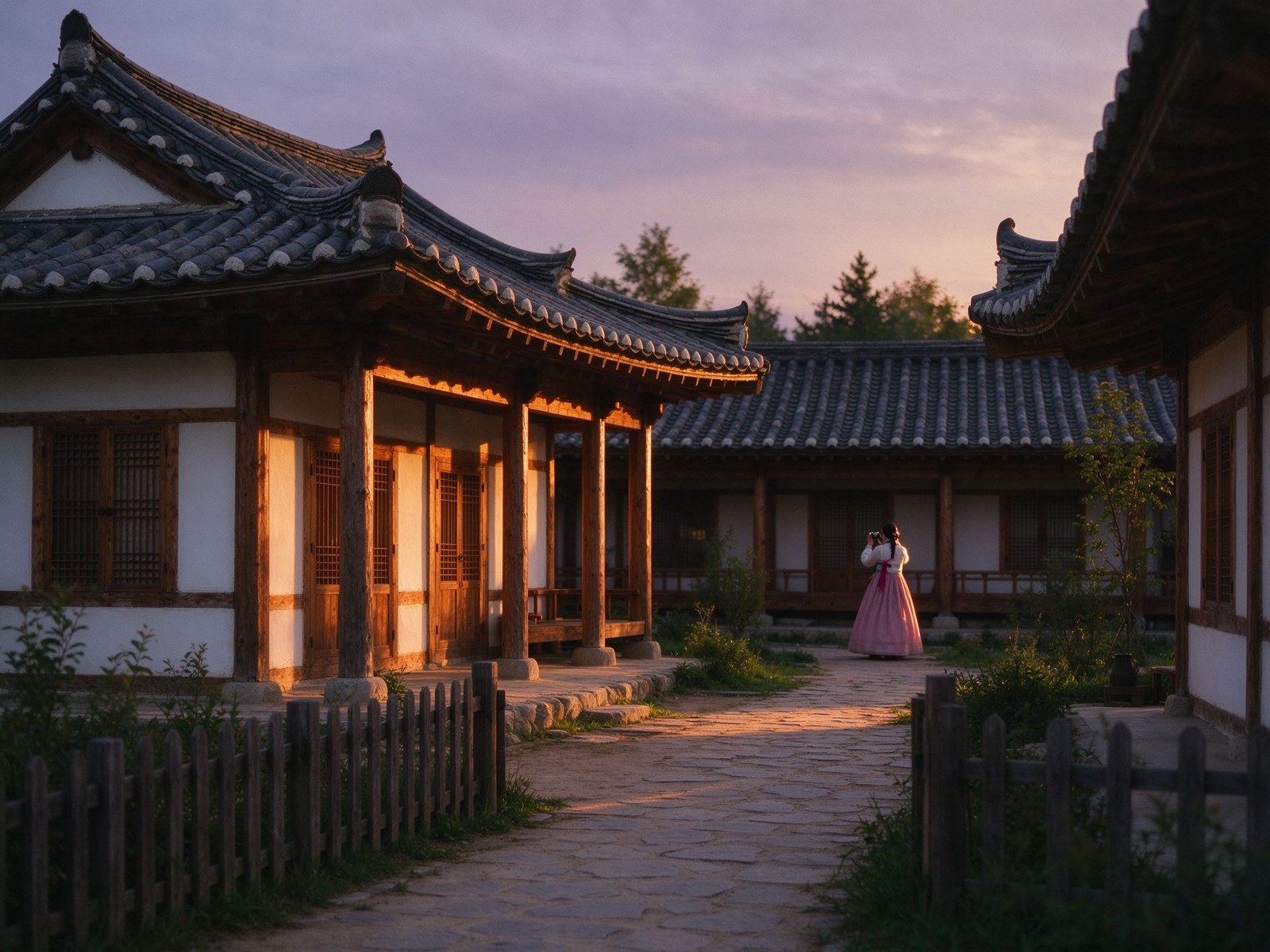
Tianjin Visual Travel Guide
Illustrated city overview — not a scale map. Use Routes below for day-by-day stops you can open in Planner.
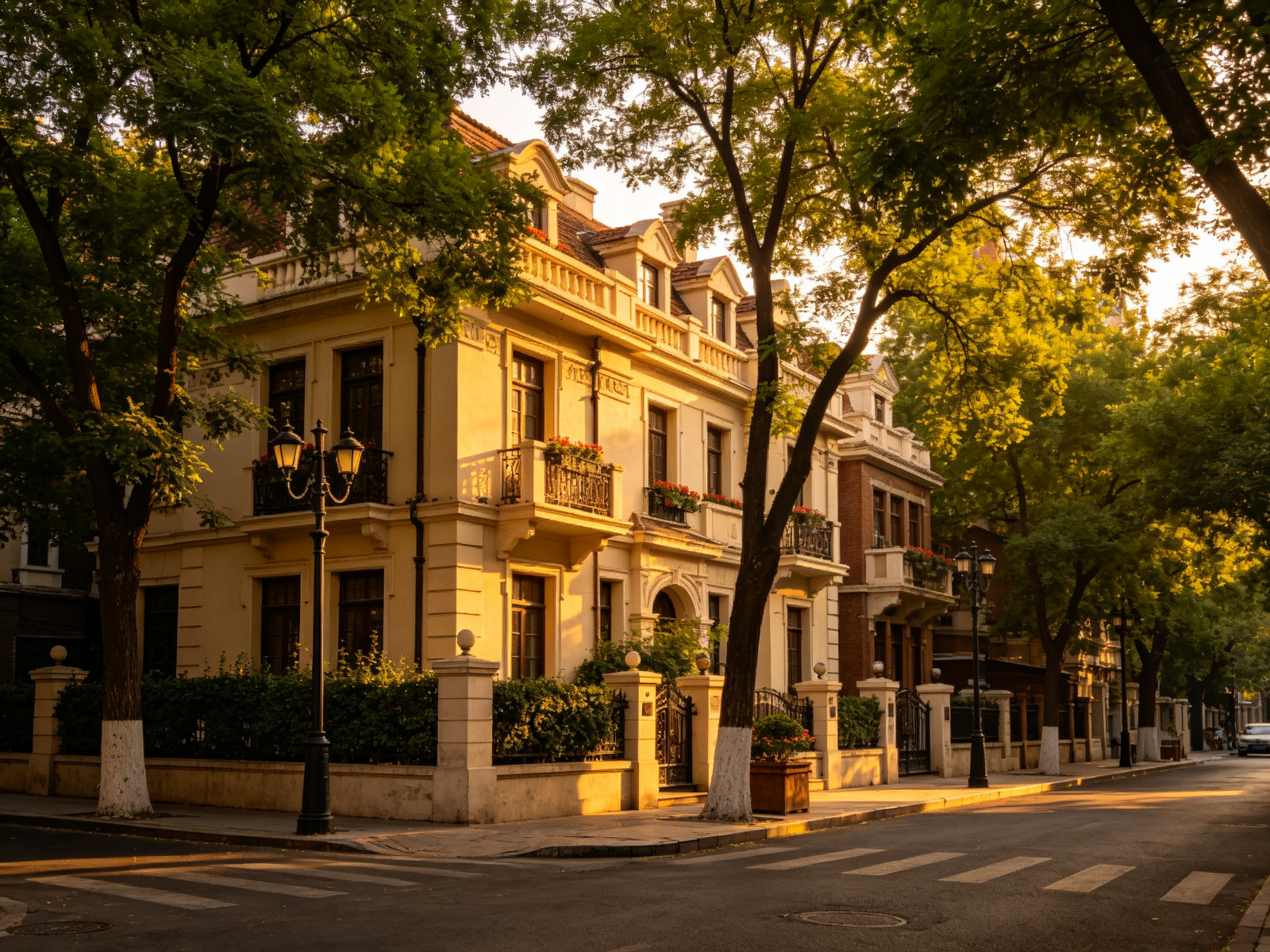
Tianjin · 天津
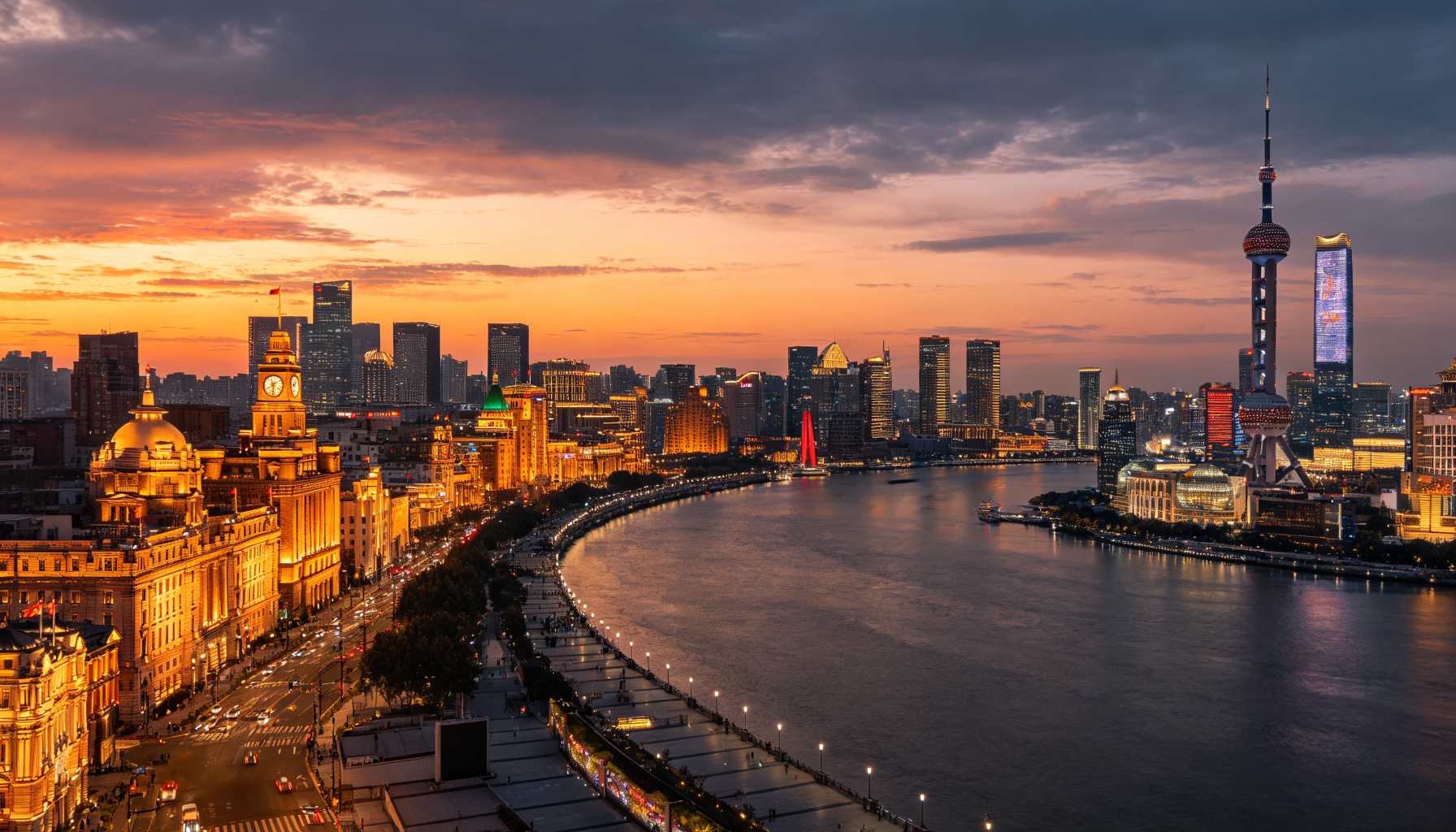
Tianjin is two cities stacked: a treaty-port concession city of nine powers' waterfront villas along the Haihe, layered on top of an older canal-market city of Mazu temples, crosstalk teahouses, and mung-bean pancakes. It is 30 minutes from Beijing by high-speed rail, yet it never feels like Beijing.
City-level visual guides and reviewed photos — infographics are illustrated overviews, not scale maps.
Illustrated city overview — not a scale map. Use Routes below for day-by-day stops you can open in Planner.
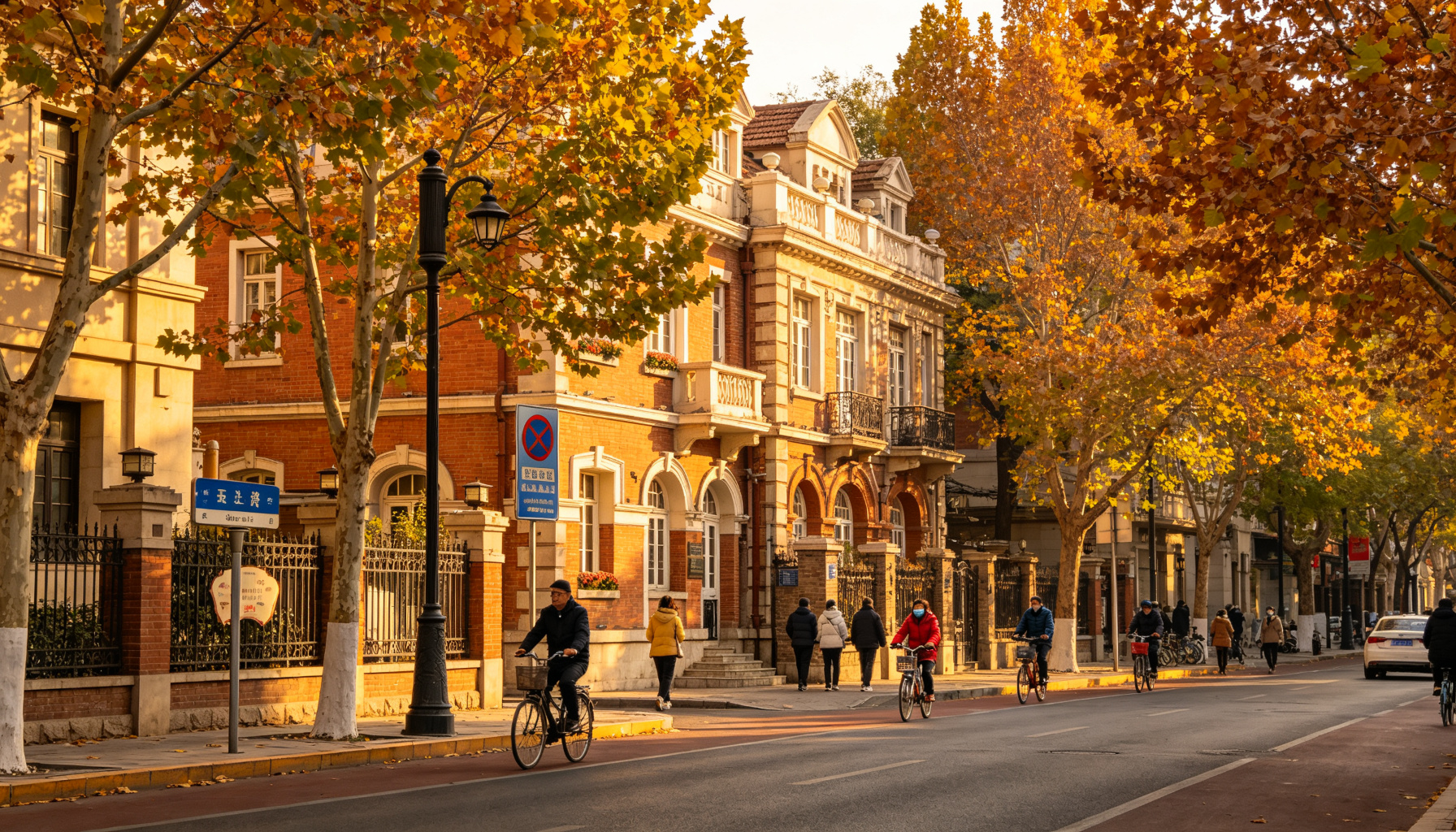
After 1860 nine foreign concessions were laid along the Haihe; Five Great Avenues alone holds 2,000-plus villas in dozens of national styles. Rent a bike in the morning and read the street grids—each concession drew its own. Don't taxi through it.
The intercity HSR runs ~30 minutes; streets are flatter, queues shorter, prices gentler. Schedule the Tianjin Eye night ride around your Beijing ticket clock instead of competing with the Forbidden City.
Jianbing guozi was born as a Tianjin breakfast; mahua is meant to be packed home. Eat a pancake at a morning street stall, and carry Guifaxiang mahua on the train back.
The city’s signature line — depth entry, not a checklist.
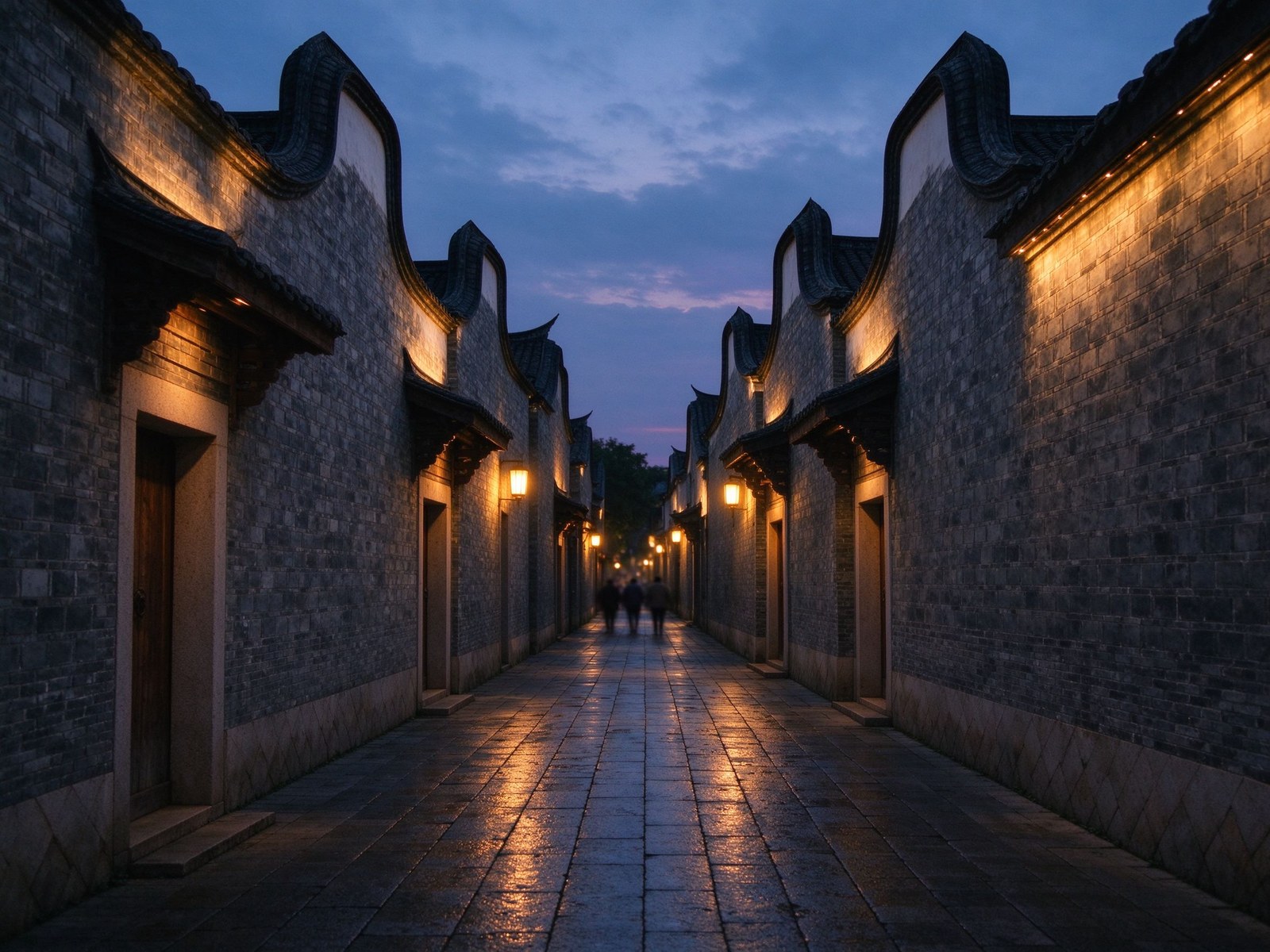
Tianjin's signature study line reads two eras of the same city in one walk: the Italian concession's lamps and arcades after dusk, the Haihe riverside up to the Eye's lit-up wheel, then the older Mazu-temple market street where the canal grain trade began. Observe how the concession blocks face the river while the old city turns its back inland—the harbor built one wall, the temple built another.
Add to trip to compare and prepare; check partner links for slots and price when shown.
Experience listings are still growing — plan with routes & culture, or request planning help.
Beyond ticket notes — read the city’s character first.
After the 1860 convention, Britain, France, Germany, Italy, Russia, Japan, Belgium and others carved concessions along the Haihe. Five Great Avenues was the British extension; Italian Style Town is the former Italian concession, still the largest cluster of Italian-era architecture overseas. Read each block's street width and villa style as a different national idea of a city.
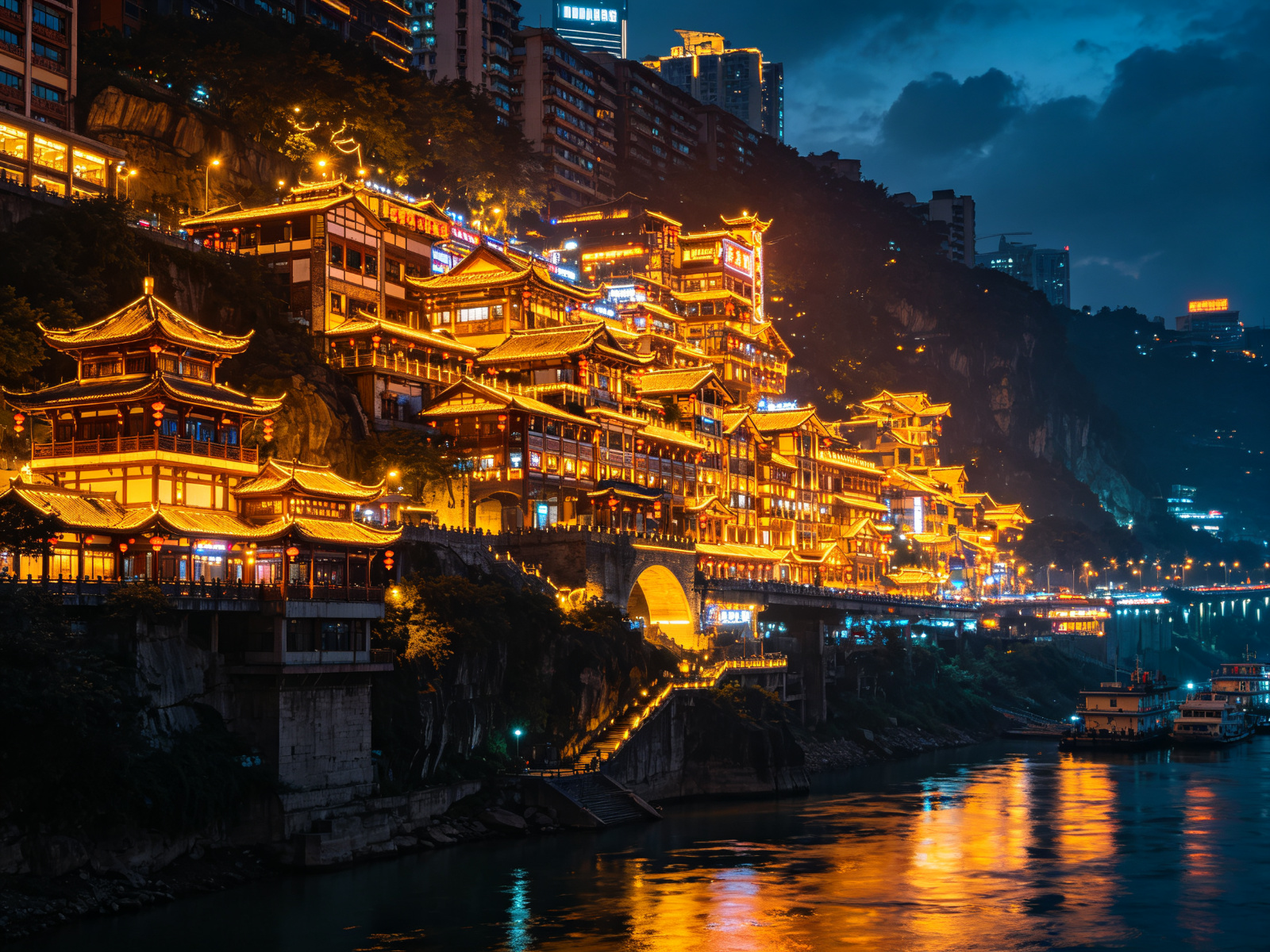
The Mazu temple on Ancient Culture Street was built in 1326, when sea and canal grain shipping made the Sancha estuary a commercial hub—decades before the walled garrison city existed. Observation: the old street's axis still runs from the river bank to the temple hall.
Modern xiangsheng (crosstalk) is tied to Tianjin's teahouses; audiences here expect quick banter, calling back, and laughter as participation. At a teahouse show, heckling-style responses to the performer are part of the show, not rudeness.
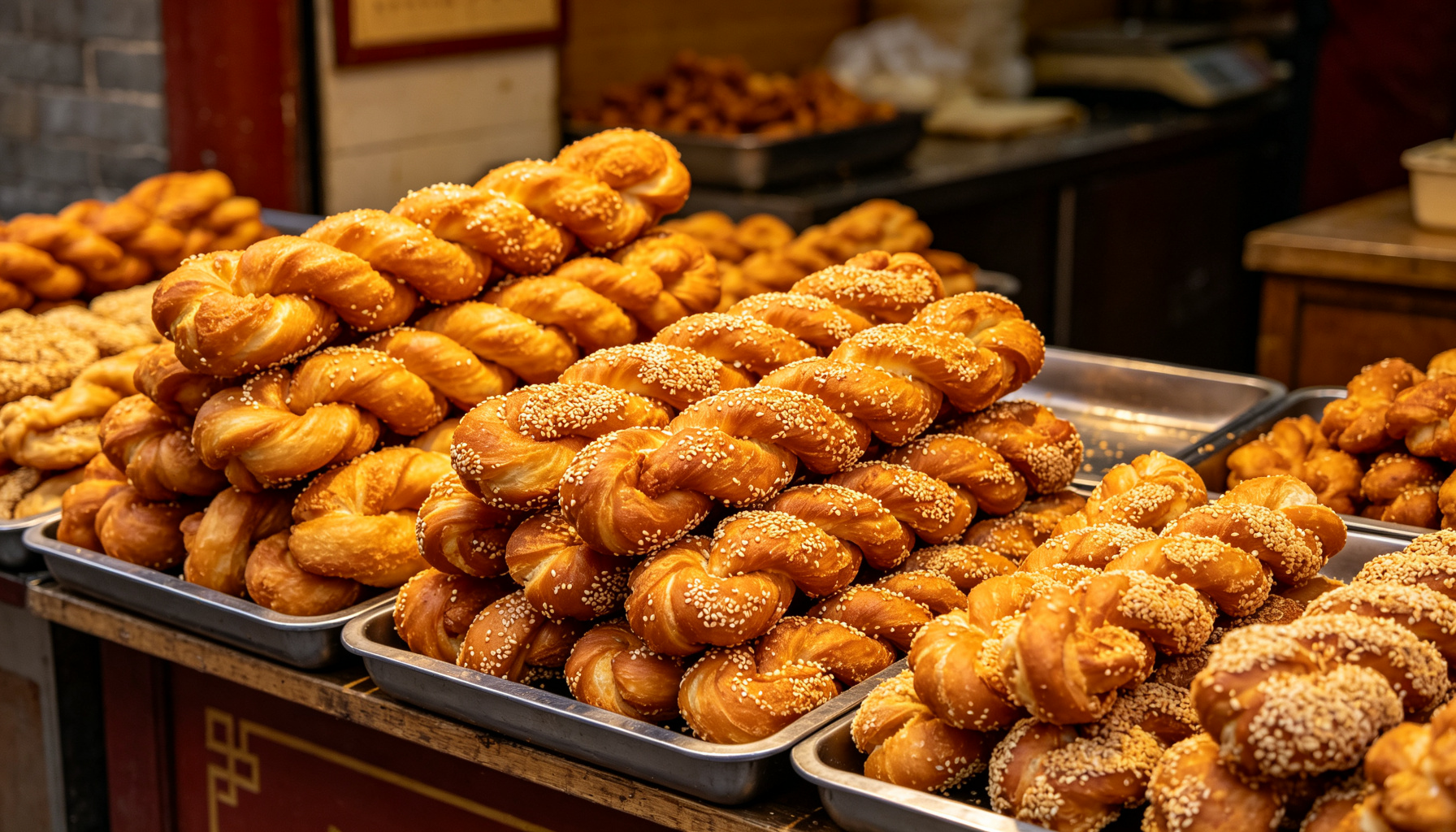
Goubuli buns, Guifaxiang 18th Street mahua, and Erduayang fried cakes are billed as Tianjin's three must-tries. Judge them as heritage products, not taste supremacy—locals will argue Goubuli lost its edge decades ago. Eat the fried cakes hot on the spot, carry the mahua home.
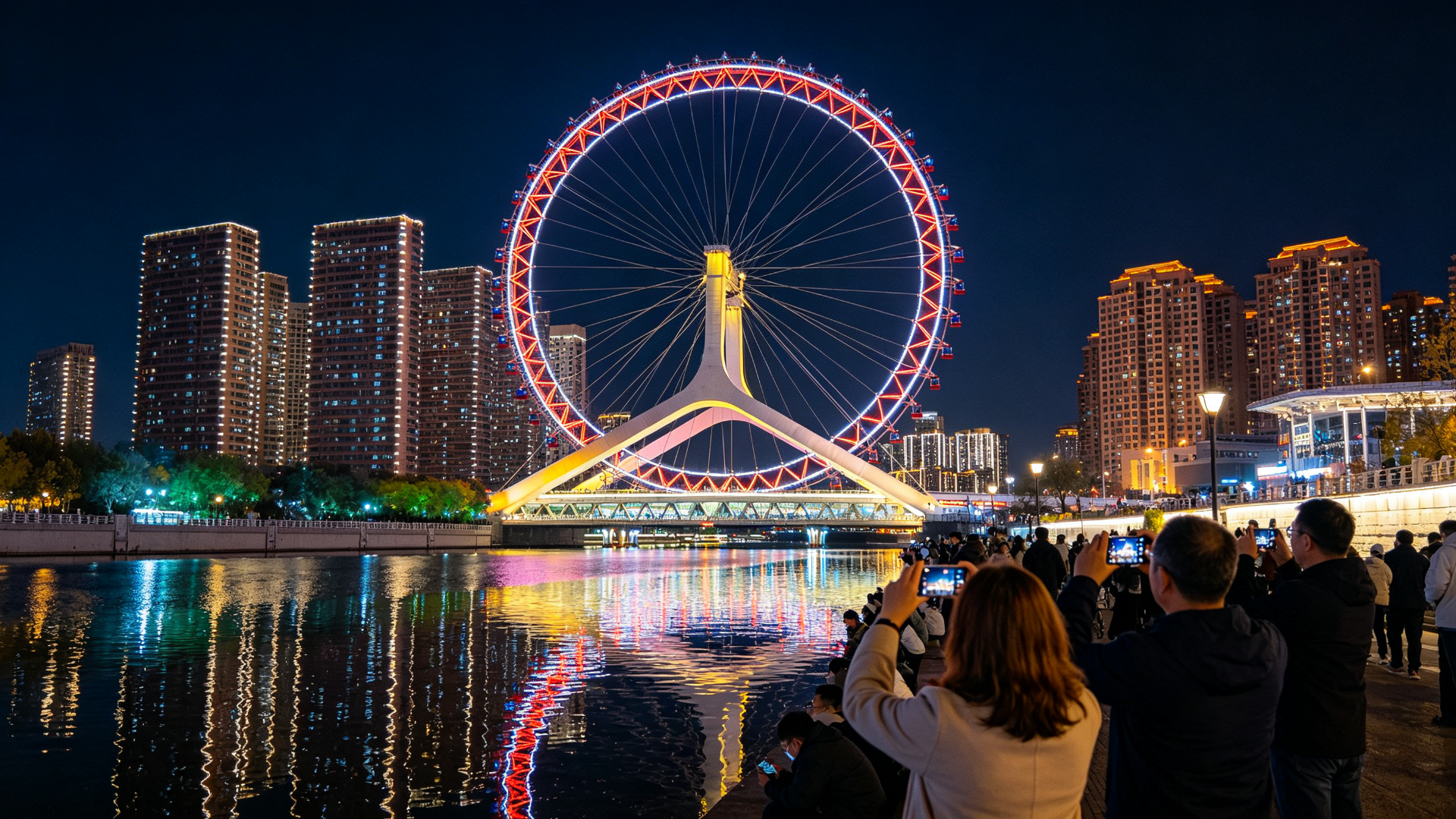
The Eye straddles Yongle Bridge over the Haihe; the concession fan spreads north and east of the river. One dusk walk from Italian Style Town across Jiefang Bridge to Jinwan Square stitches the concession layer and the old river-trade layer together.
Tickets, duration, transport — ready for your trip cart.
 Emerging
120m Ferris wheel built over the Hai River. The only wheel in the world built over a river. Great city views at night.
 Emerging
Historic district with 2,000+ European-style villas from the concession era. Horse-drawn carriage rides available. Ca…
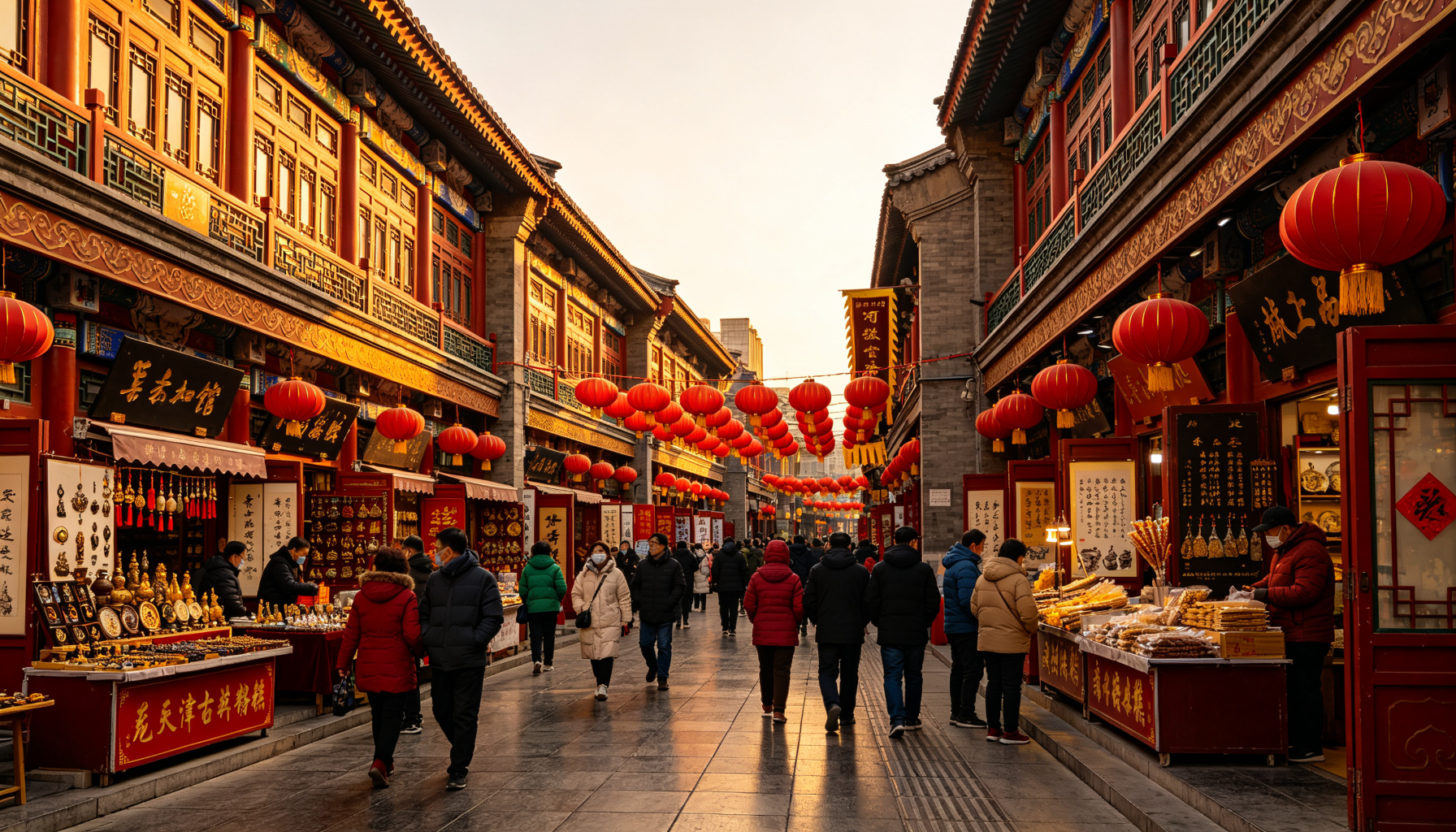 Emerging
Qing-style pedestrian street with craft shops, tea houses, and the Tianhou Temple. Best for souvenirs and traditional…
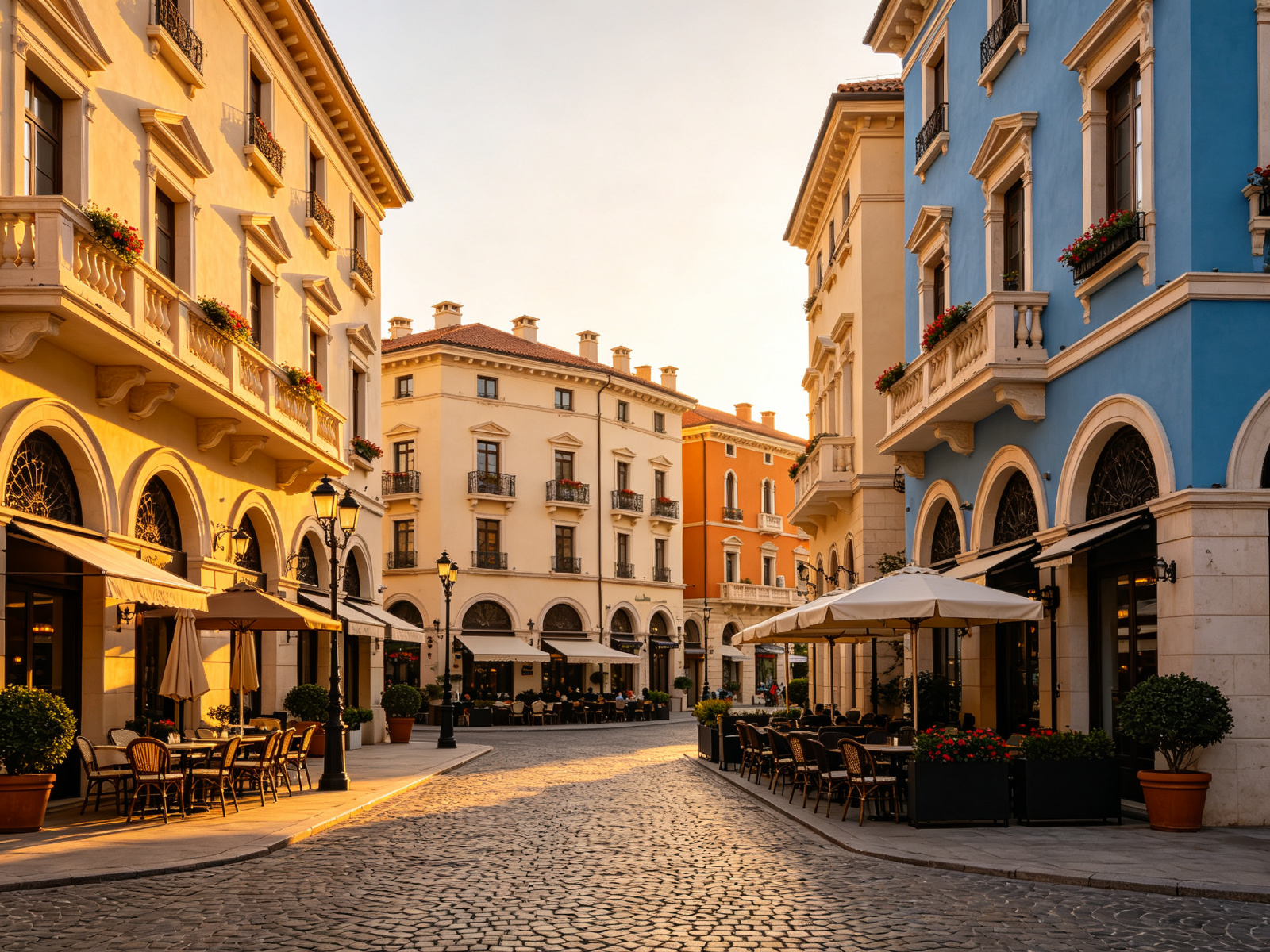 Popular
Asia's largest Italian-style architecture district. 200+ Tuscan-style buildings with cafes, bars, and restaurants. Gr…
Executable skeletons: day-by-day anchors you can trim to fit.
1-day
For Beijing-based visitors; assumes the intercity HSR is booked for the evening return.
Tianjin eating splits honestly in two: the original street breakfast (jianbing guozi from a morning stall, mung-bean batter, egg, crispy fritter) and the heritage souvenir shelf (Guifaxiang mahua in sealed boxes, Niren Zhang clay figurines, Yangliuqing woodblock prints). Skip the over-sized Goubuli banquet unless you want the history lesson—neighborhood baozi shops taste closer to what locals actually eat, and Italian Style Town restaurants charge you for the lamps, not the cooking.
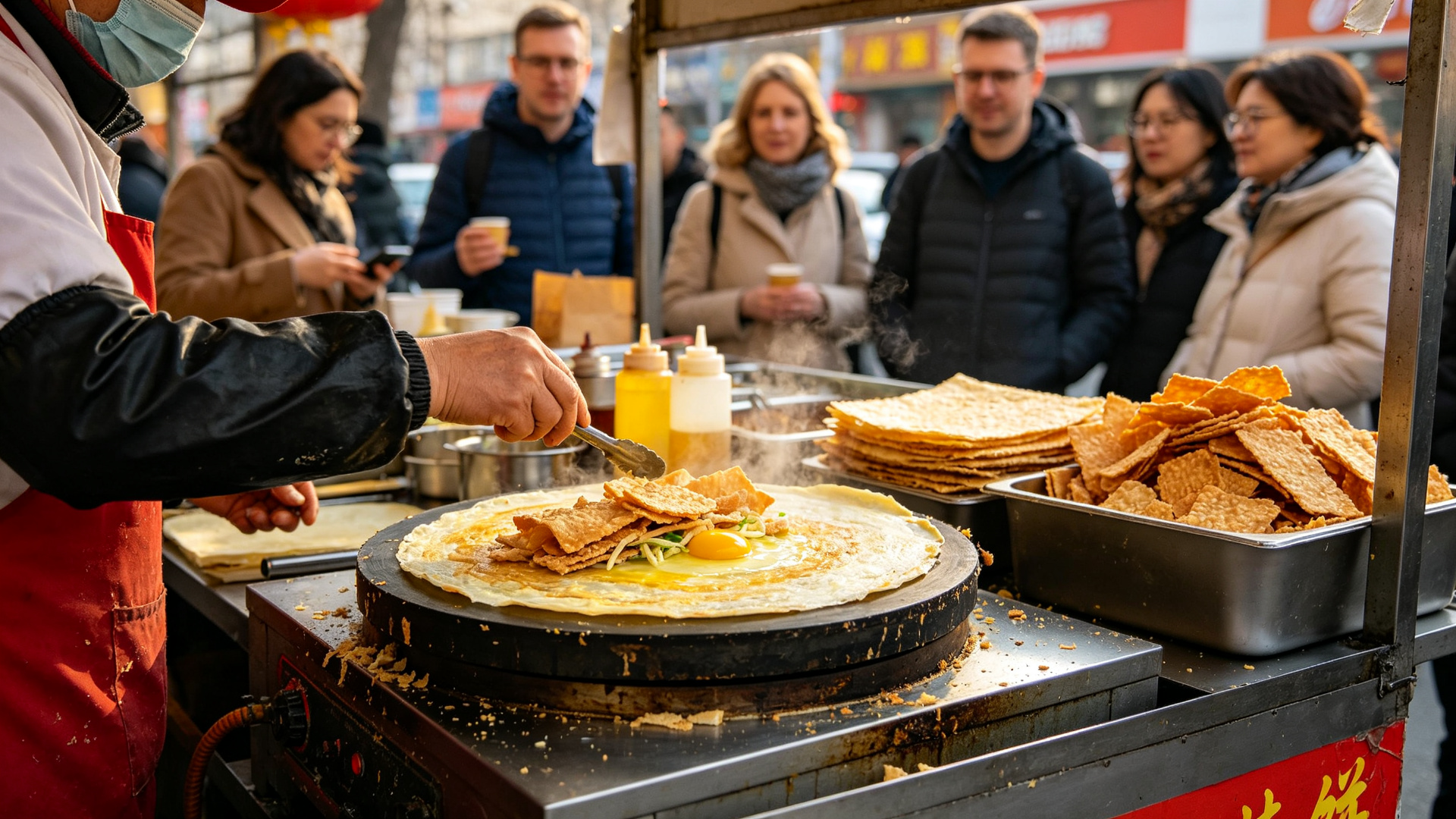 Emerging
Tianjin's famous street breakfast: mung bean pancake with egg, crispy wonton, and sweet/spicy sauce. Cheap and filling.
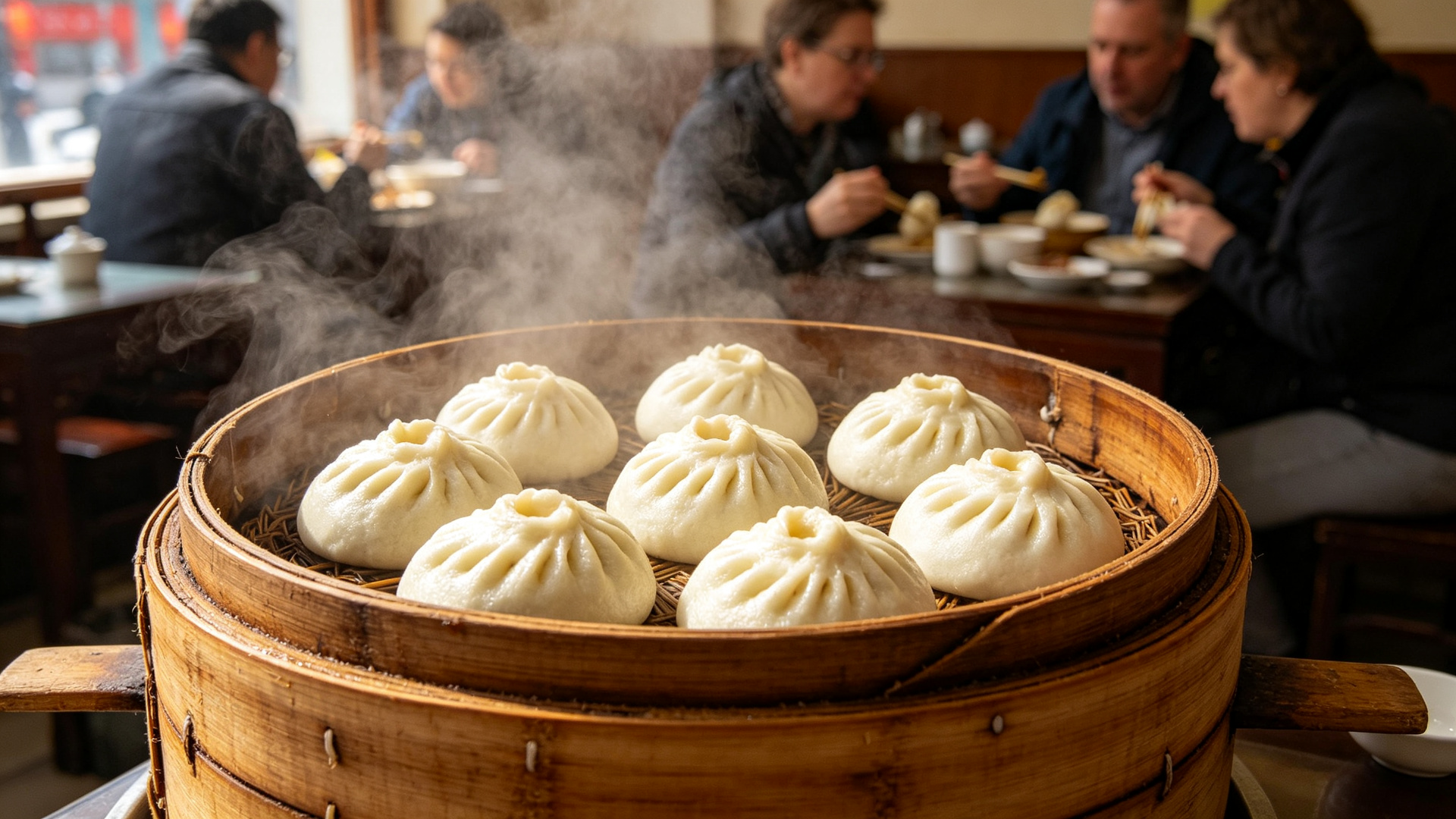 Emerging
Famous steamed buns with 18 folds. Tianjin's most iconic food, though locals debate if it's still the best.
 Emerging
Crispy fried dough twists with sesame and sugar. Guifaxiang is the famous brand. Great souvenir.
Best time: April–May, September–October · Continental — cold dry winters, hot summers
Metro covers main sites. High-speed rail to Beijing (30min, ¥55+). Didi cheap. Walkable in Five Avenues and Italian Town.
Foreign-card Alipay/WeChat works at metro, chain shops and ticket counters; keep ¥100–200 cash for morning jianbing stalls and carriage negotiating. Cards are not taken at street food stalls.
The Eye runs a weekly Monday maintenance regime (often Monday evening-only) with holiday exceptions—confirm on its official WeChat account before planning a Monday night. Ancient Culture Street and Five Great Avenues are quietest on weekday mornings; the Eye's night session after 19:00 is busiest.
At crosstalk teahouses, audience banter and laughter callbacks are expected—this is participation. Keep voices low inside Tianhou Temple; ask before photographing locals at food stalls. Do not lean on Haihe waterfront railings at night.
Metro Lines 1 and 2 cover all four core sights; Five Great Avenues and Italian Style Town are walkable clusters. If coming from Beijing, book the intercity return before morning—evening trains back to Beijing South sell out on weekends.
Five Great Avenues carriage rides should quote a per-route price up front (ask for the board); refuse meterless black cars—use Didi. 'Gift box mahua' near station exits is often the lookalike brand; buy Guifaxiang by its logo.
Get a local SIM or portable Wi-Fi at Tianjin Binhai Airport (TSN); Amap handles English station names better than alternatives. Tianjin Eye booking happens inside the '天津之眼摩天轮' WeChat service account, so WeChat is practically required for that ticket.
Metro covers main sites.
High-speed rail to Beijing (30min, ¥55+).
Metro, stalls, and rides mostly take Alipay or WeChat. Set up Alipay with a foreign card before you land.
Show the Chinese name “天津” to drivers and staff. It beats a long English explanation.
Book tickets, transfers, and popular tours via partners first — then request deeper local experiences through ChinaPie.
Disclosure: Some links are affiliate links. ChinaPie may earn a commission on eligible bookings at no extra cost to you.
Prices shown are planning references only. Actual rates fluctuate with season, holidays, demand, and partner promotions — the price at checkout on the booking site is authoritative.
Conversion stays soft — clear next steps: plan this city, or request planning help.
Yes for typical tourist areas. Keep phones and bags secure on metro and in crowded night spots; use licensed taxis or Didi.
Depends on your passport. Check ChinaPie Plan & Prep → Visa for 30-day visa-free and 240-hour transit options before booking.
Yes—foreigners can set up Alipay with passport + international card. See /prep/alipay-setup for the step-by-step guide.
China offers unilateral visa-free entry to 40+ countries including France, Germany, UK, Japan, South Korea, Singapore, Malaysia, Thailand, Italy, Spain, Netherlands, Switzerland, Sweden, Norway, Denmark, Finland, Belgium, Austria, Ireland, Portugal, Greece, and more. Stay: up to 30 days. IMPORTANT: US passport holders are NOT on the unilateral visa-free list and need a visa. Check latest list at China Immigration official site before travel.
Yes. US passport holders need a visa to enter mainland China. The 10-year multiple-entry tourist visa (L visa) is common: $185 fee, processing 3-5 business days. You can also use the 240-hour transit visa-free if transiting to a third country. Apply at Chinese embassy/consulate or via authorized visa agencies. Many travel blogs incorrectly say US is visa-free — this is false.
Major hotels, international restaurants, and large malls accept Visa/Mastercard. But most small shops, street food, taxis, and local experiences only accept Alipay or WeChat Pay. Link your foreign card to Alipay (Tour Card) for daily use. Carry some cash (¥500-1000) as backup.
China is consistently ranked among the safest countries for tourists. Violent crime against foreigners is extremely rare. Common issues: pickpocketing in crowded areas (train stations, metro), taxi scams at airports, and fake goods at markets. Normal precautions apply: keep valuables secure, use licensed taxis/Didi, don't accept unsolicited tours. Women traveling solo generally feel very safe even at night.
Citizens of 54 countries can transit through China visa-free for up to 240 hours (10 days) if they have a valid visa for a third country and a connecting flight ticket. You must enter and exit through designated ports (Shanghai, Beijing, Guangzhou, Chengdu, Chongqing, etc.). You can travel within the province/municipality of entry. Perfect for combining a China experience with a trip to Japan, Korea, or Southeast Asia.
Most first-timers do well with 1–3 days. Start with the 1-day Beijing day trip: concession blocks + Eye at night, then expand to 2–3 days if you want slower food and culture. Use Plan this city to turn stops into a workable week.
Foreign cards work more often via Alipay / WeChat Pay tourist modes and some metro apps, but coverage still varies by merchant. Keep a small cash float and set payment apps up before peak sightseeing. See the practical section on this hub for city-specific notes.