Haikou Visual Travel Guide
Illustrated city overview — not a scale map. Use Routes below for day-by-day stops you can open in Planner.
Haikou · 海口
Haikou is the tropical port where Nanyang overseas Chinese came home: weathered qilou arcade streets still run on dad-tea, a Holocene volcano park sits 20 km from downtown, and one provincial museum holds the South China Sea's maritime history—China's most relaxed entry into the Hainan Free Trade Port.
City-level visual guides and reviewed photos — infographics are illustrated overviews, not scale maps.
Illustrated city overview — not a scale map. Use Routes below for day-by-day stops you can open in Planner.
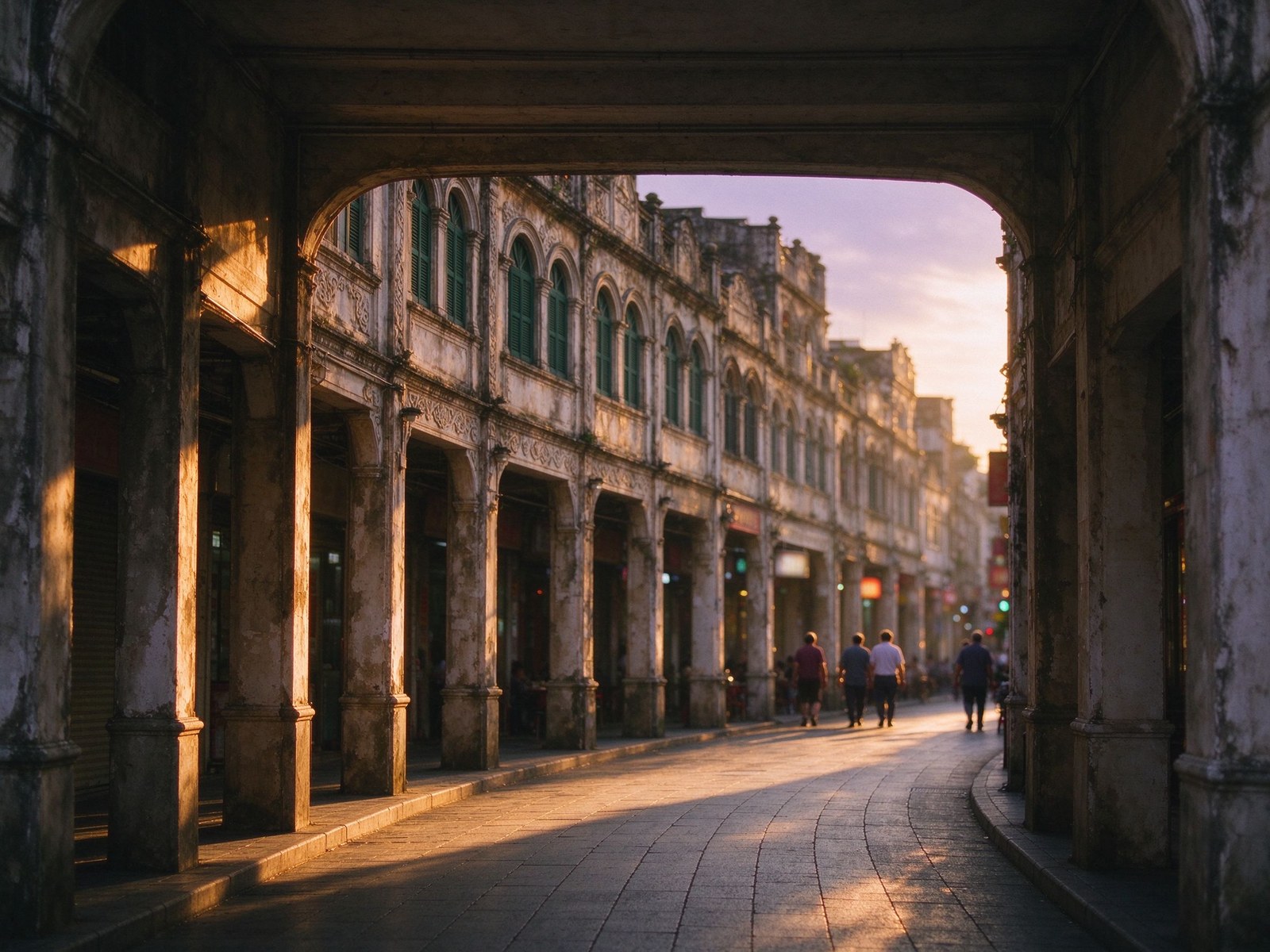
These two-to-three-storey colonnades on Zhongshan and Deshengsha roads were built by returned overseas Chinese. Come at breakfast for dad-tea—watch locals sip strong tea over fried dough, not just photograph the facades.
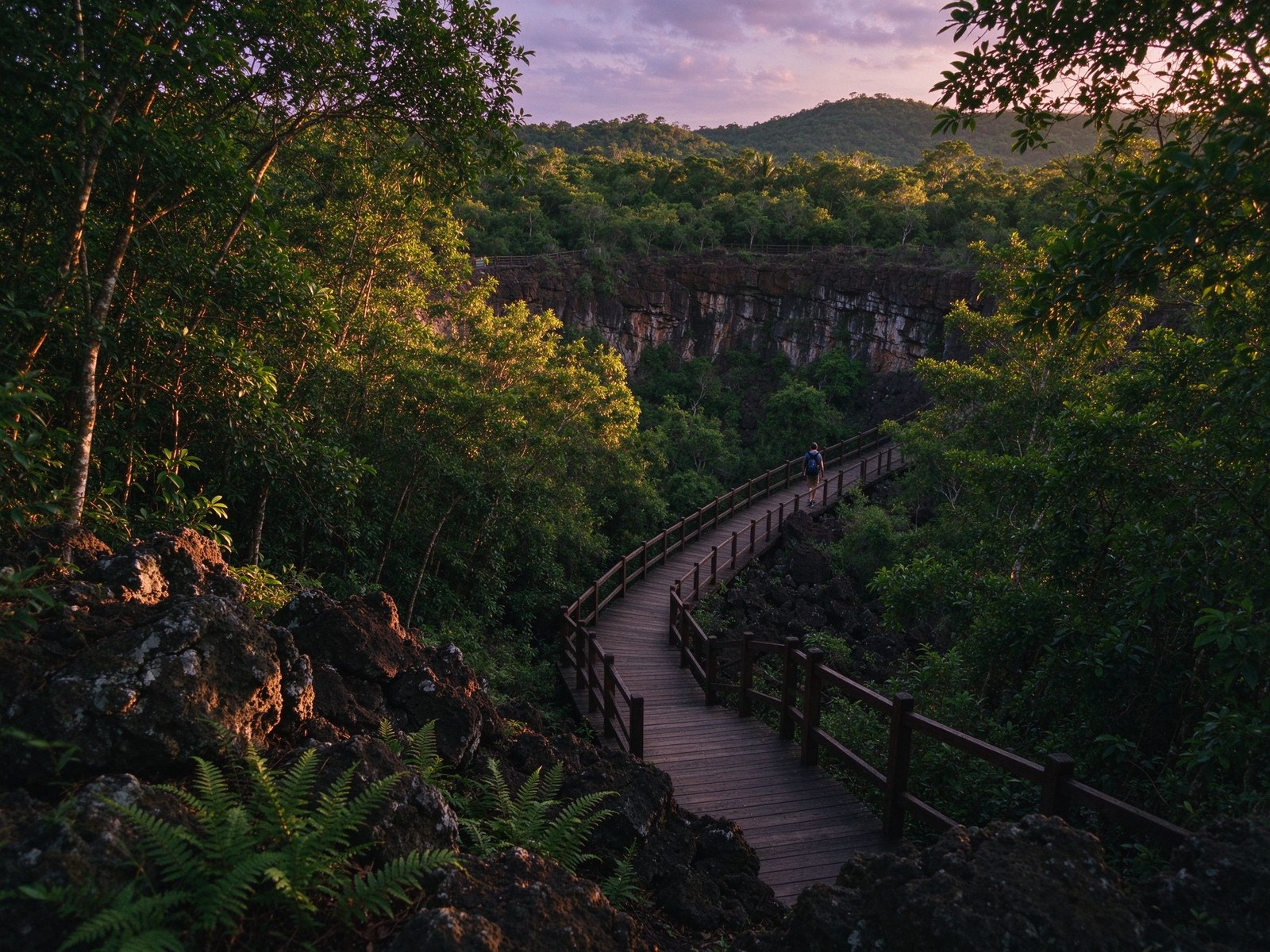
The Leiqiong geopark's Ma'anling crater is roughly 222 m and ringed by tropical rainforest. Walk the boardwalk into the cone late afternoon when the heat breaks—this is one of China's few volcanoes you can reach on a city schedule.
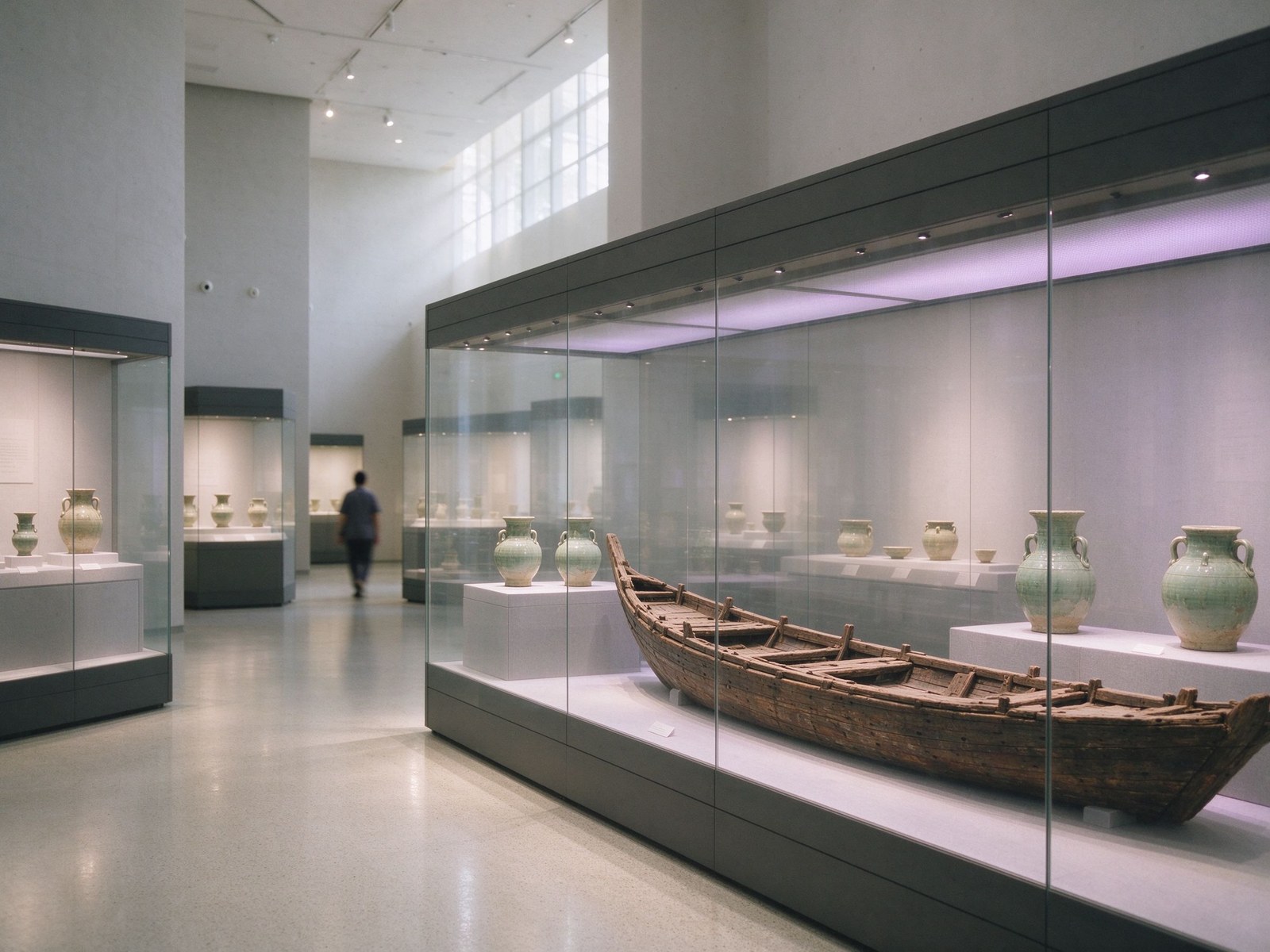
Start with the South China Sea marine-civilization hall and the Huaguangjiao No.1 Song shipwreck. Free, closed Mondays—build this context before you walk the old streets or the beach.
The city’s signature line — depth entry, not a checklist.
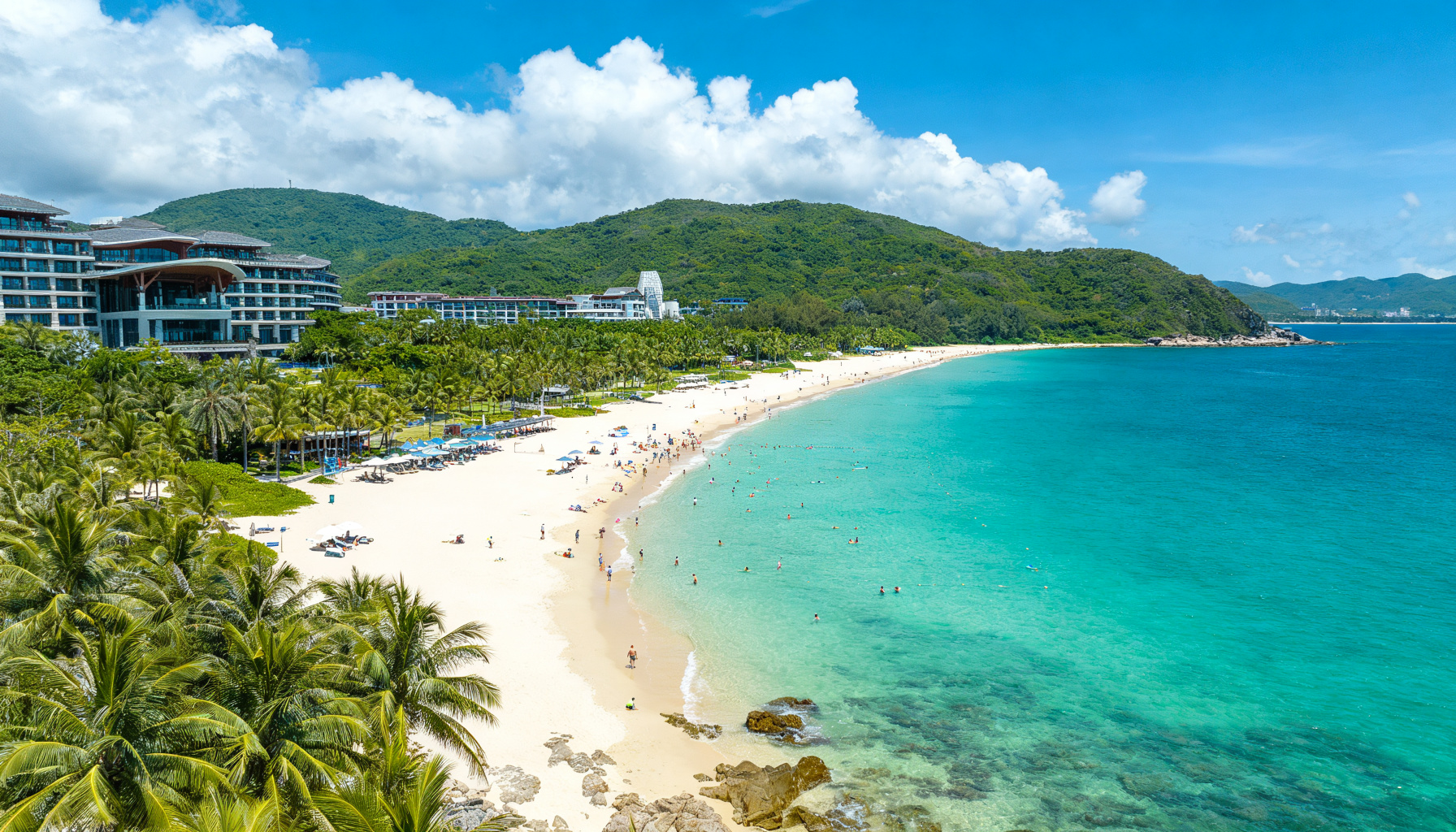
The signature Haikou sequence: a slow dad-tea breakfast inside the qilou arcades, a booked-free morning at Hainan Museum for South China Sea shipwreck history, then the Leiqiong volcano crater in the late afternoon, ending at Holiday Beach or Wanlü Park on Qiongzhou Strait. It pairs returned-Chinese street life with fresh volcano geology in one relaxed arc.
Add to trip to compare and prepare; check partner links for slots and price when shown.
Experience listings are still growing — plan with routes & culture, or request planning help.
Beyond ticket notes — read the city’s character first.
The arcade (qilou) form spread from Southeast Asia to coastal south China. Haikou's cluster is legally a protected historic block—look for the keeled Nanyang ornament and shop-sign calligraphy on Zhongshan and Deshengsha, not only the skyline.
Morning tea in the arcades is where Haikou families read papers, trade news and linger for hours. Order strong tea and small fried or steamed snacks—it is the city's slow clock, not a show.
The Leiqiong belt holds over 100 volcanoes; the Holocene Ma'anling cluster erupted only thousands of years ago. The basalt red soil now grows betel nut, pineapple and coffee—read the geology before you taste the local crops.
The museum's Huaguangjiao No.1 Song-dynasty shipwreck and marine-civilization halls show Hainan as a waypoint of sea trade. This is why Haikou, not just Sanya, is the island's historical front door.
A century ago Hainanese sailed to Southeast Asia and sent home money, architecture and tastes; today the island is China's Hainan Free Trade Port. The old street and the duty-free mall are two ends of one long story.
Tickets, duration, transport — ready for your trip cart.
EmergingNo reservation needed to wander; group or photo filming in the core protected area may require notice per the histori…
 Emerging
Bring your passport/ID; timed entry and a daily visitor cap apply, so arrive within your window. No flash photography…
 Emerging
Buy at the gate or via the official channel; take the crater boardwalk loop, carry water, and watch for wet steps aft…
 Popular
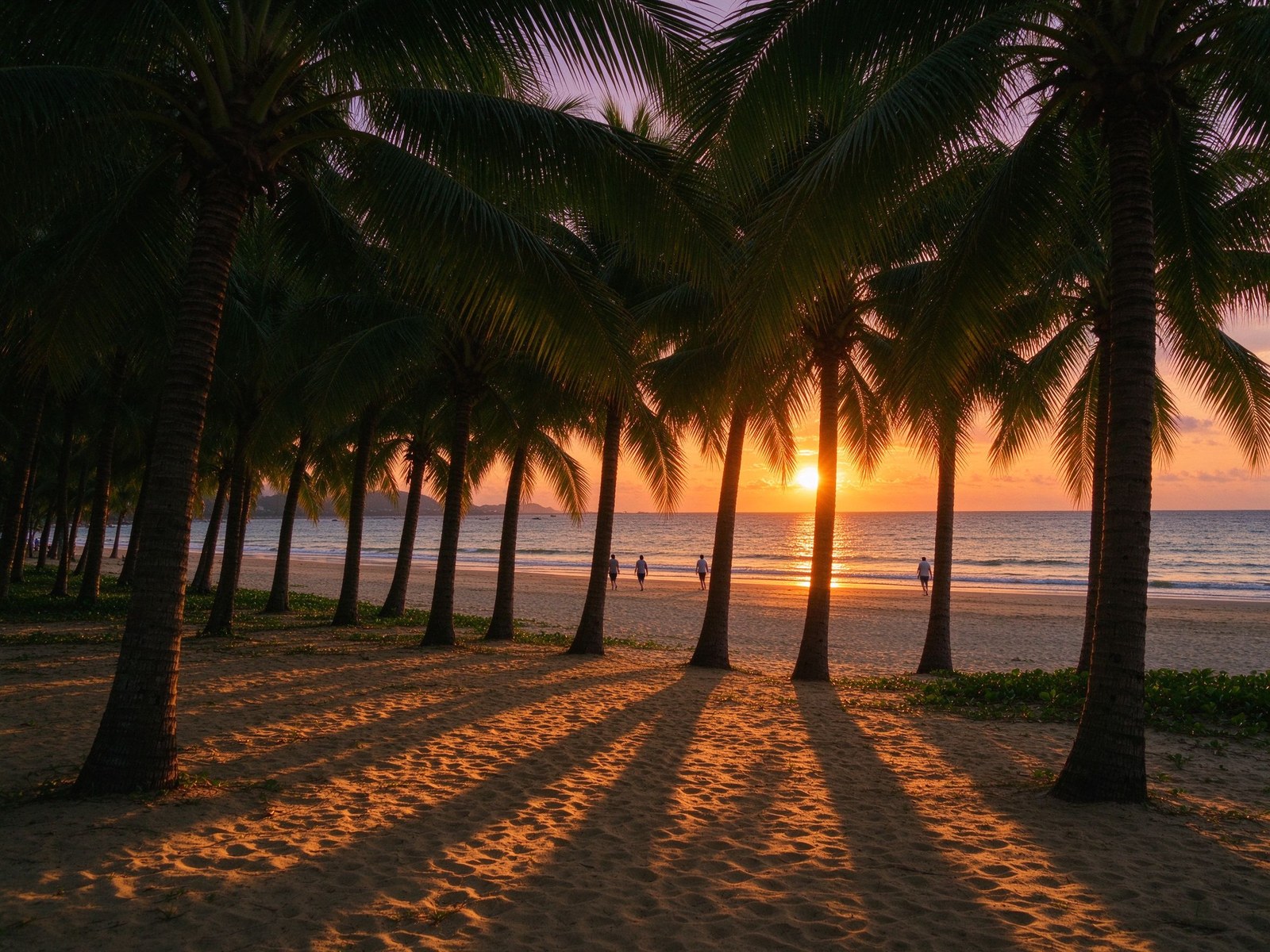
No reservation; swim only inside the marked lifeguarded zone and check wind/tide notices before water sports.
 Emerging
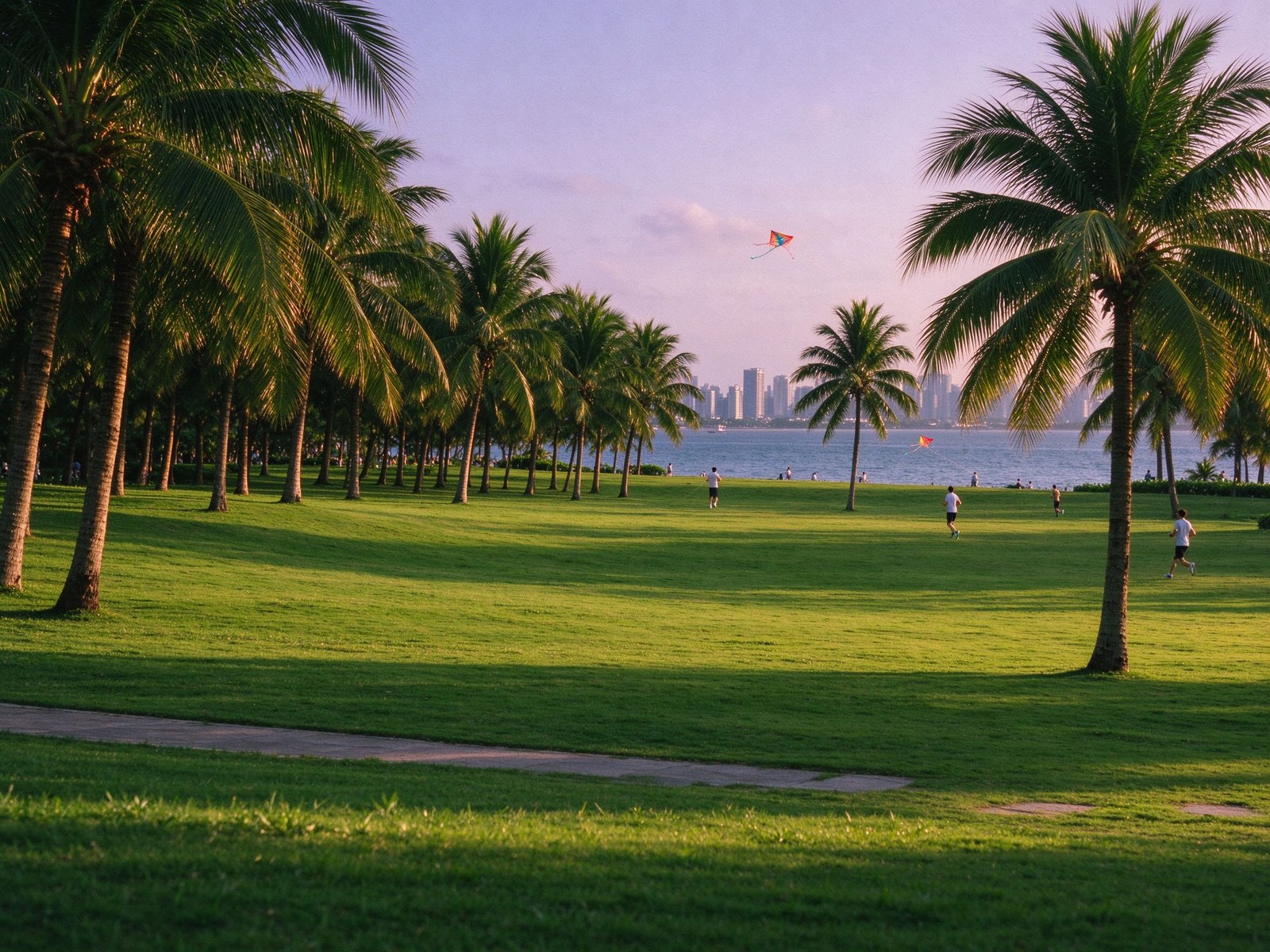
No reservation; good for jogging, kite-flying and sunset—weekend afternoons are busiest.
Executable skeletons: day-by-day anchors you can trim to fit.
1-day
For travelers with a single day between flights. Built around the museum's Monday closure and the late-afternoon volcano light.
Eat where local families sit for hours: strong dad-tea with fried dough, Hainan rice noodles, and steamed local fish at a pick-your-own seafood plaza. Skip the over-packaged arcade-gift stalls near the main square—tour coaches stop there. Buy sealed Hainan coffee, betel-nut snacks and coconut candy you will actually finish; feel free to order a sea-salt coffee by the bay as a break.
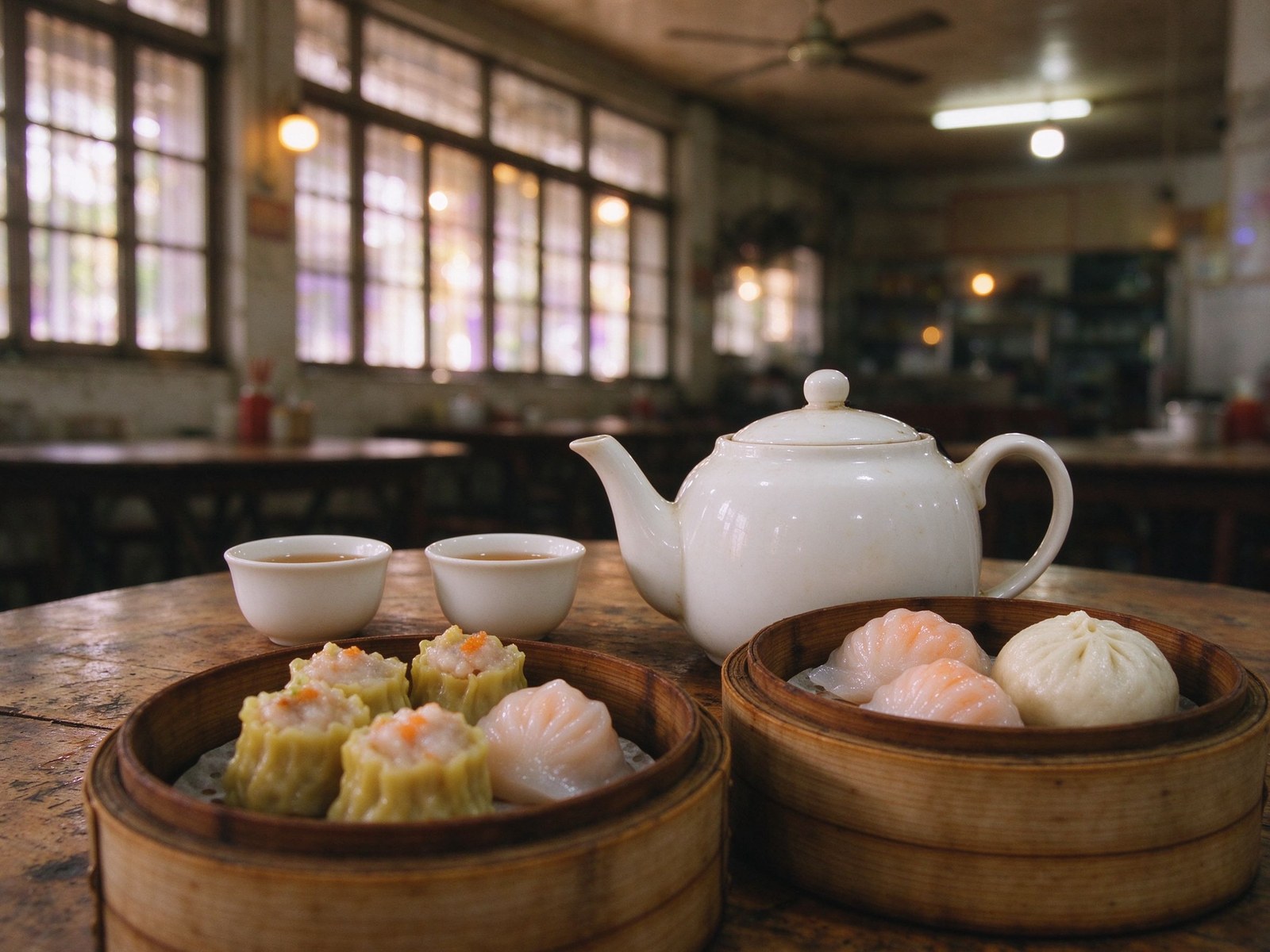 Emerging
Local bite in haikou: Dad Tea. Eat where locals queue; skip tourist-trap set menus.
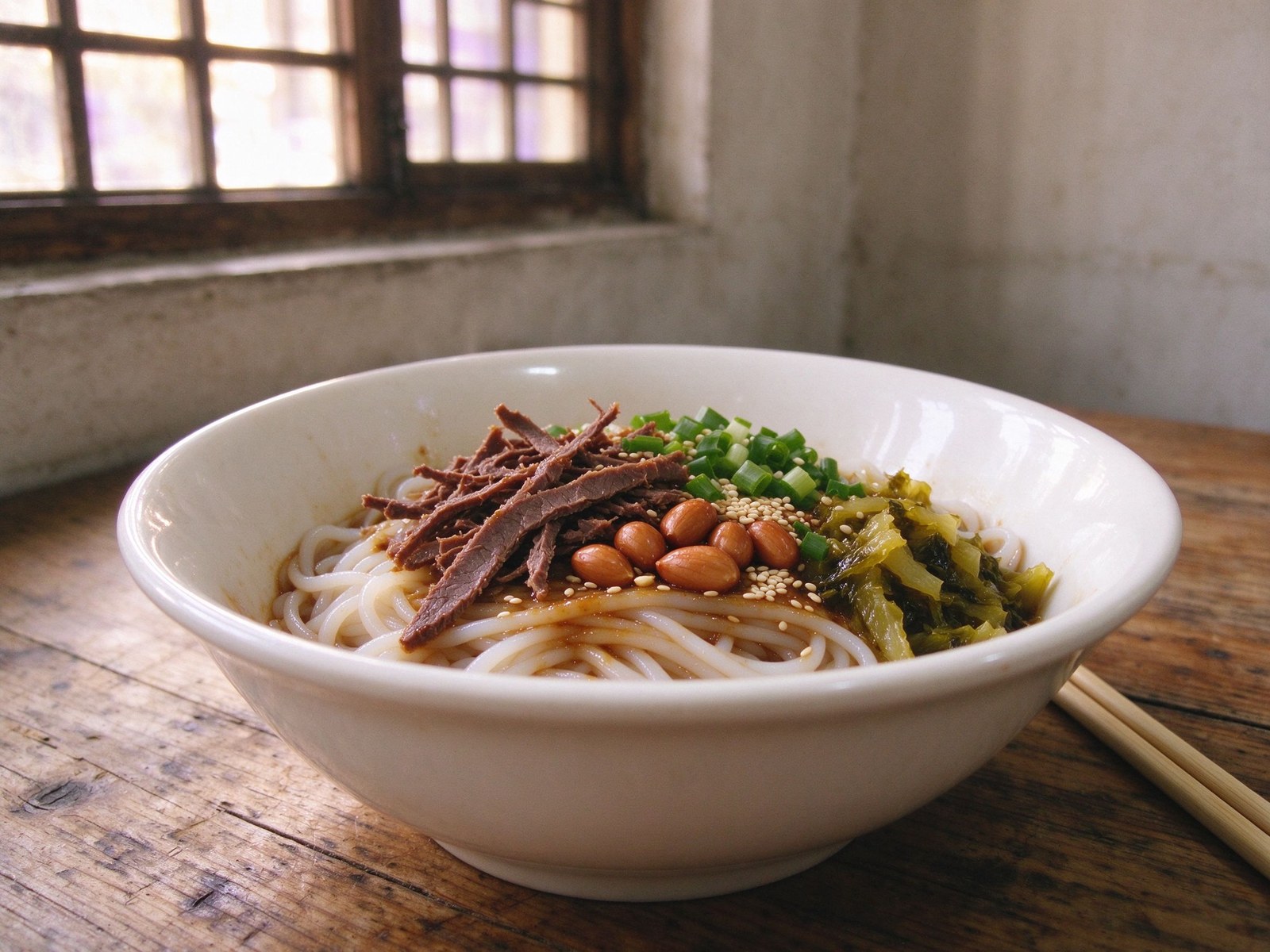 Emerging
Local bite in haikou: Hainan Rice Noodles. Eat where locals queue; skip tourist-trap set menus.
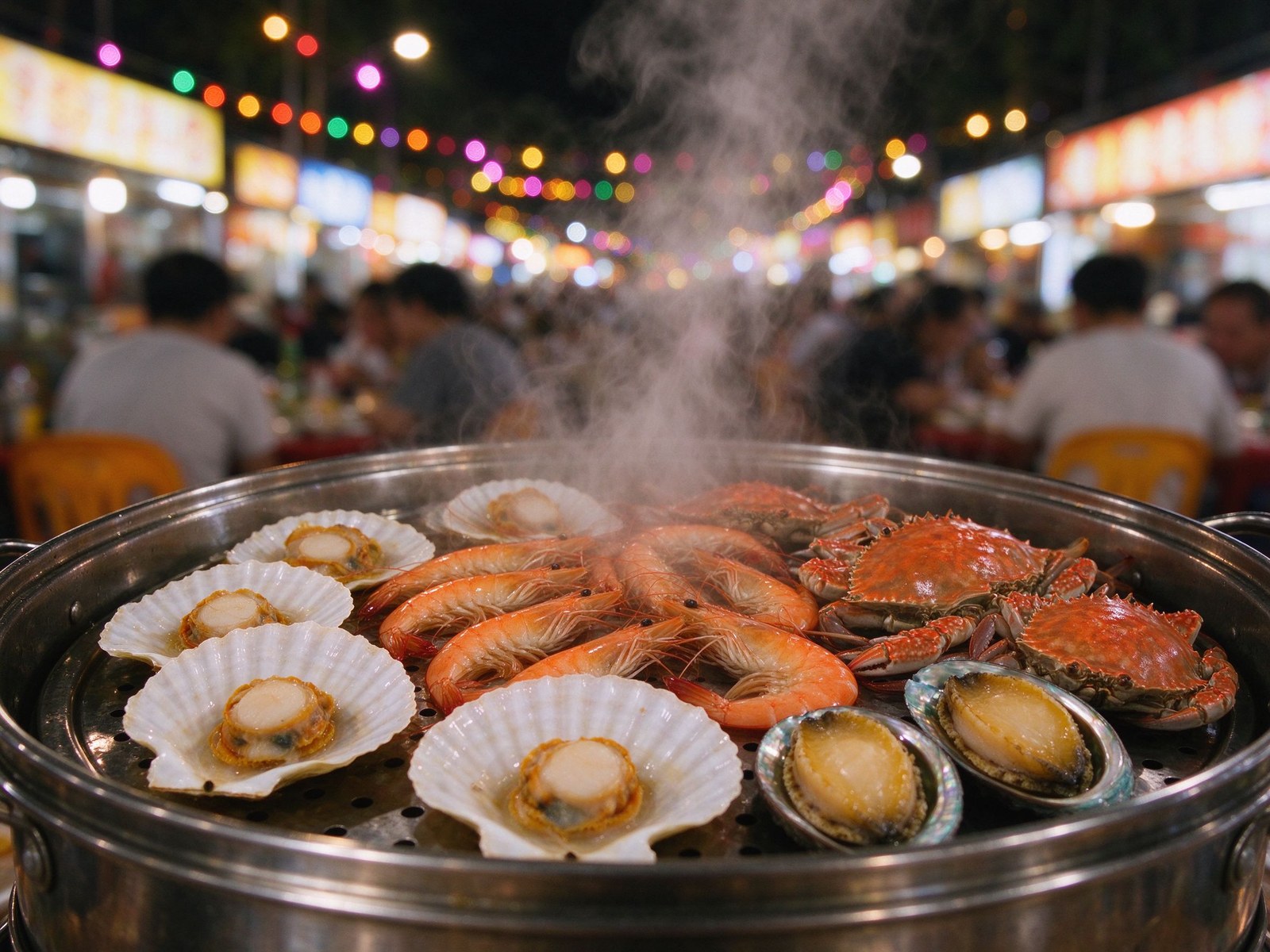 Emerging
Local bite in haikou: Seafood Steamed. Eat where locals queue; skip tourist-trap set menus.
 Emerging
Local bite in haikou: Sea Salt Coffee. Eat where locals queue; skip tourist-trap set menus.
Best time: November–March for dry, comfortable coastal weather; avoid the summer typhoon months (Jul–Sep) when heat and afternoon storms peak. · Tropical monsoon climate: long hot humid summers, short mild winters, year-round strong sun and a wet season from roughly May to October.
The old street, museums and coast run along Binhai Avenue—short Didi hops are cheap and buses connect the core. The Leiqiong volcano park is ~30 min by taxi or tourist bus Line A from downtown; inside, walk the crater boardwalk. The airport and HSR station link east to Sanya in about 1.5 h. Meilan Airport (HAK) has airport bus and city bus pickups: T1 at the Ground Transportation Center opposite Arrivals, T2 outside Gate 3 of the parking building; English hotline 0898-966114. Meilan also shares an HSR station on the Haikou–Sanya line—confirm last train and airport-bus times for late arrivals.
Malls, the airport and chains take Alipay/WeChat with bound foreign cards; small dad-tea houses, beach stalls and night markets prefer cash. Keep ¥200–400 in small notes for street food, and show drivers the Chinese address on your phone.
The museum is free but closed Mondays—book a morning slot if a special exhibit is on. The volcano park gets steamy by midday; go after 16:00. Beaches fill at sunset on weekends. Spring Festival and October holidays are peak.
UV is strong year-round—carry sunscreen, a hat, sunglasses and water. Afternoon thunderstorms are common in summer; the crater boardwalk gets slippery when wet, so watch the sky.
Swim only inside the lifeguarded zone at Holiday Beach; Qiongzhou Strait currents can be strong. Avoid unpatrolled shorelines after dark, and check tide and wind notices before water sports.
Dad-tea houses are relaxed, but keep voices low and do not rearrange shared tables. At temples and heritage sites do not touch carvings or climb structures; ask before photographing people closely.
Buy a local SIM or eSIM at the airport; Didi and Baidu Maps work citywide. Beaches and parks are spread along Binhai Avenue—short Didi hops are cheap, and the tourist bus Line A reaches the volcano park.
The old street, museums and coast run along Binhai Avenue—short Didi hops are cheap and buses connect the core.
The Leiqiong volcano park is ~30 min by taxi or tourist bus Line A from downtown; inside, walk the crater boardwalk.
Metro, stalls, and rides mostly take Alipay or WeChat. Set up Alipay with a foreign card before you land.
Show the Chinese name “海口” to drivers and staff. It beats a long English explanation.
Book tickets, transfers, and popular tours via partners first — then request deeper local experiences through ChinaPie.
Disclosure: Some links are affiliate links. ChinaPie may earn a commission on eligible bookings at no extra cost to you.
Prices shown are planning references only. Actual rates fluctuate with season, holidays, demand, and partner promotions — the price at checkout on the booking site is authoritative.
Conversion stays soft — clear next steps: plan this city, or request planning help.
Yes for typical tourist areas. Keep phones and bags secure on metro and in crowded night spots; use licensed taxis or Didi.
Depends on your passport. Check ChinaPie Plan & Prep → Visa for 30-day visa-free and 240-hour transit options before booking.
Yes—foreigners can set up Alipay with passport + international card. See /prep/alipay-setup for the step-by-step guide.
Ordinary tourists visit Haikou on a standard Chinese visa or visa-free policy; no special border permit is needed for the city and its main sights. Carry your passport, as museums and hotels require it for check-in and entry.
Entry is free. It is open Tuesday to Sunday 09:00–17:00 with last entry at 16:30, and closed on Mondays (except national holidays). Teams reserve 7 days ahead; the South China Sea shipwreck and marine-civilization halls are the highlights.
It is about 15–20 km southwest to Shishan Town—roughly a 30-minute taxi, or tourist bus Line A from the city. Hours are about 08:00–18:00; the reference ticket is around ¥60 (marked 'for reference only' on the provincial tourism page), so confirm the gate price on arrival. Go after 16:00 to avoid the heat.
Fly into Haikou for a relaxed, low-cost few days of old streets, the museum and free beaches, then take the ~1.5-hour HSR down the coast to Sanya for resorts. Haikou is the cultural arrival point; Sanya is the beach-resort endpoint.
China offers unilateral visa-free entry to 40+ countries including France, Germany, UK, Japan, South Korea, Singapore, Malaysia, Thailand, Italy, Spain, Netherlands, Switzerland, Sweden, Norway, Denmark, Finland, Belgium, Austria, Ireland, Portugal, Greece, and more. Stay: up to 30 days. IMPORTANT: US passport holders are NOT on the unilateral visa-free list and need a visa. Check latest list at China Immigration official site before travel.
Most first-timers do well with 1–3 days. Start with the 1-day core: arcade tea, museum, sea sunset, then expand to 2–3 days if you want slower food and culture. Use Plan this city to turn stops into a workable week.
Foreign cards work more often via Alipay / WeChat Pay tourist modes and some metro apps, but coverage still varies by merchant. Keep a small cash float and set payment apps up before peak sightseeing. See the practical section on this hub for city-specific notes.