Hangzhou Visual Travel Guide
Illustrated city overview — not a scale map. Use Routes below for day-by-day stops you can open in Planner.
Hangzhou · 杭州
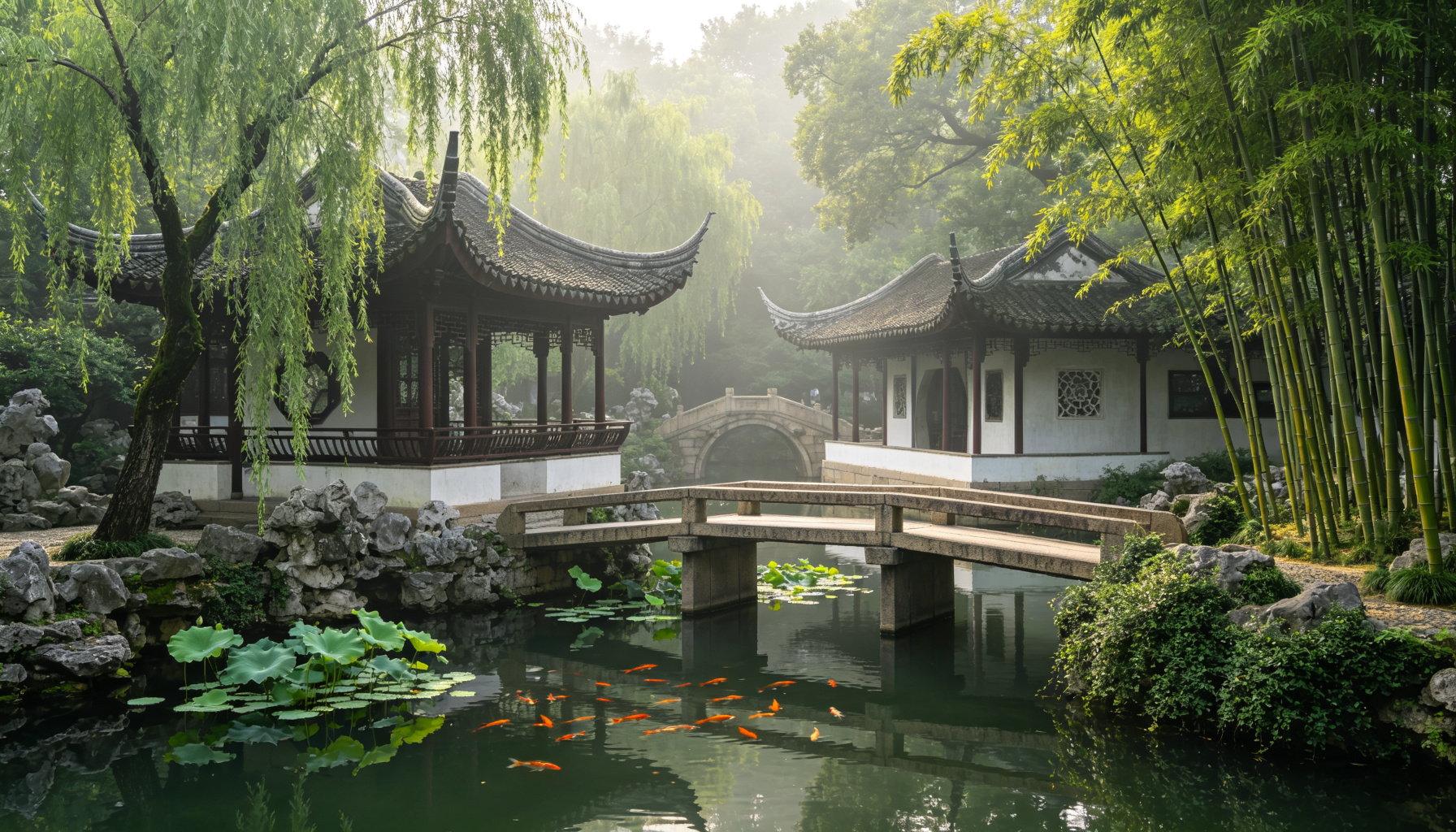
Hangzhou is a lake designed as a 1,000-year poem: the West Lake Cultural Landscape shaped by poets and emperors, and the Longjing tea hills that have paid for its beauty ever since. Come to read a landscape on foot, then sit with a bowl of the tea that grows in it.
City-level visual guides and reviewed photos — infographics are illustrated overviews, not scale maps.
Illustrated city overview — not a scale map. Use Routes below for day-by-day stops you can open in Planner.
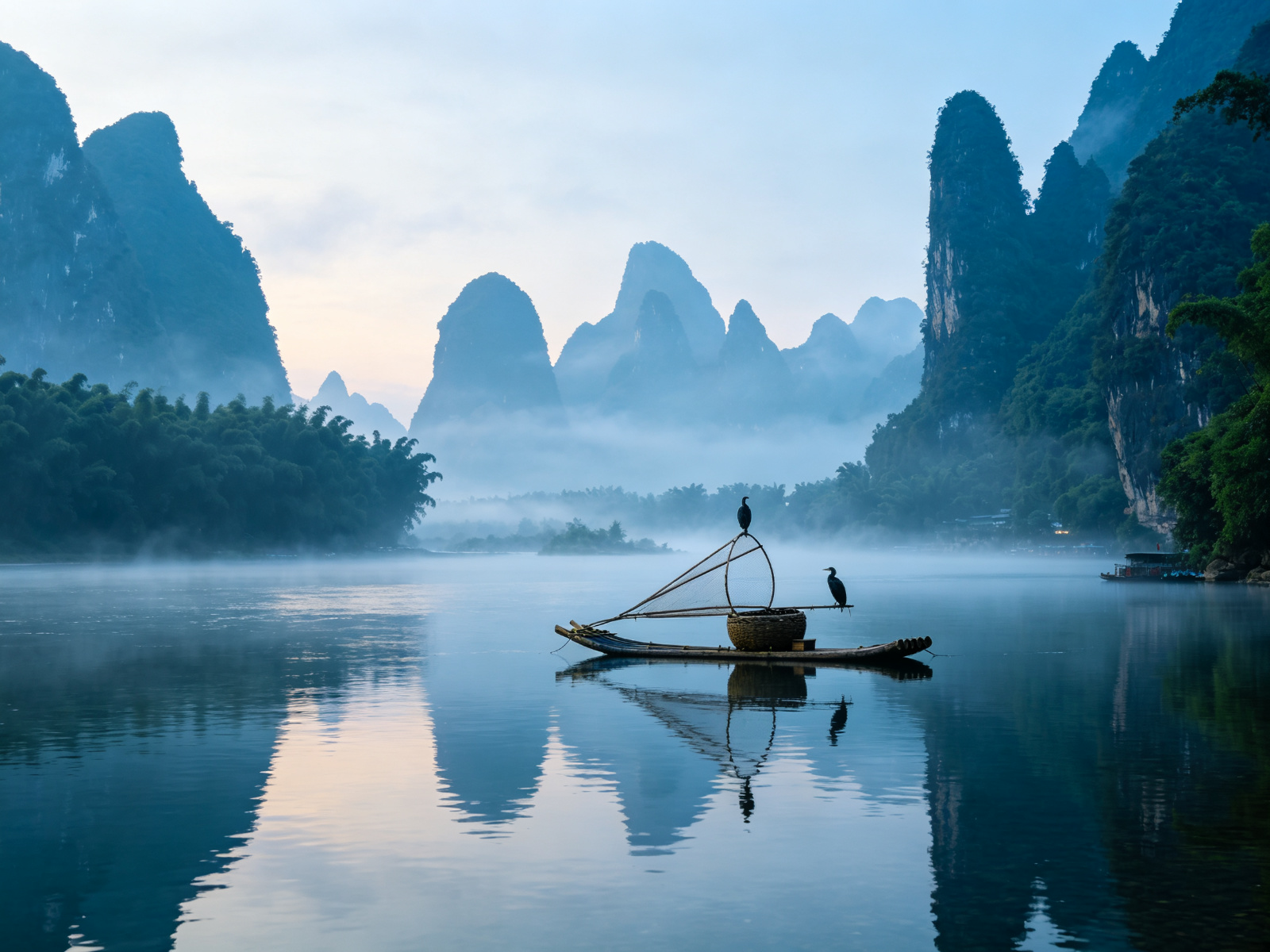
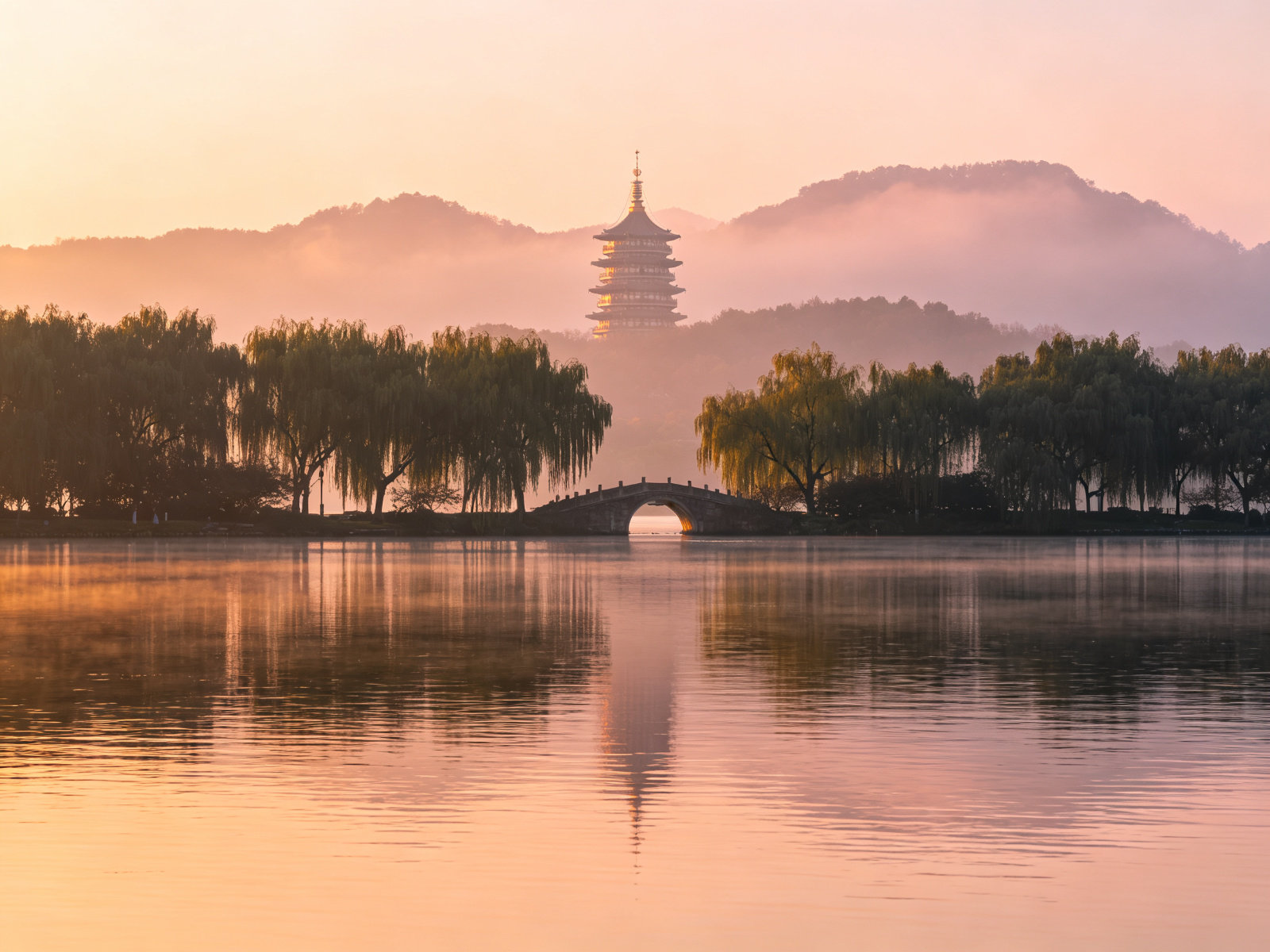
Two causeways, three islands and the Ten Scenes were laid out over a thousand years to stage the view from the city. Walk Su Causeway at dawn and you are reading the same composition Southern Song painters copied.
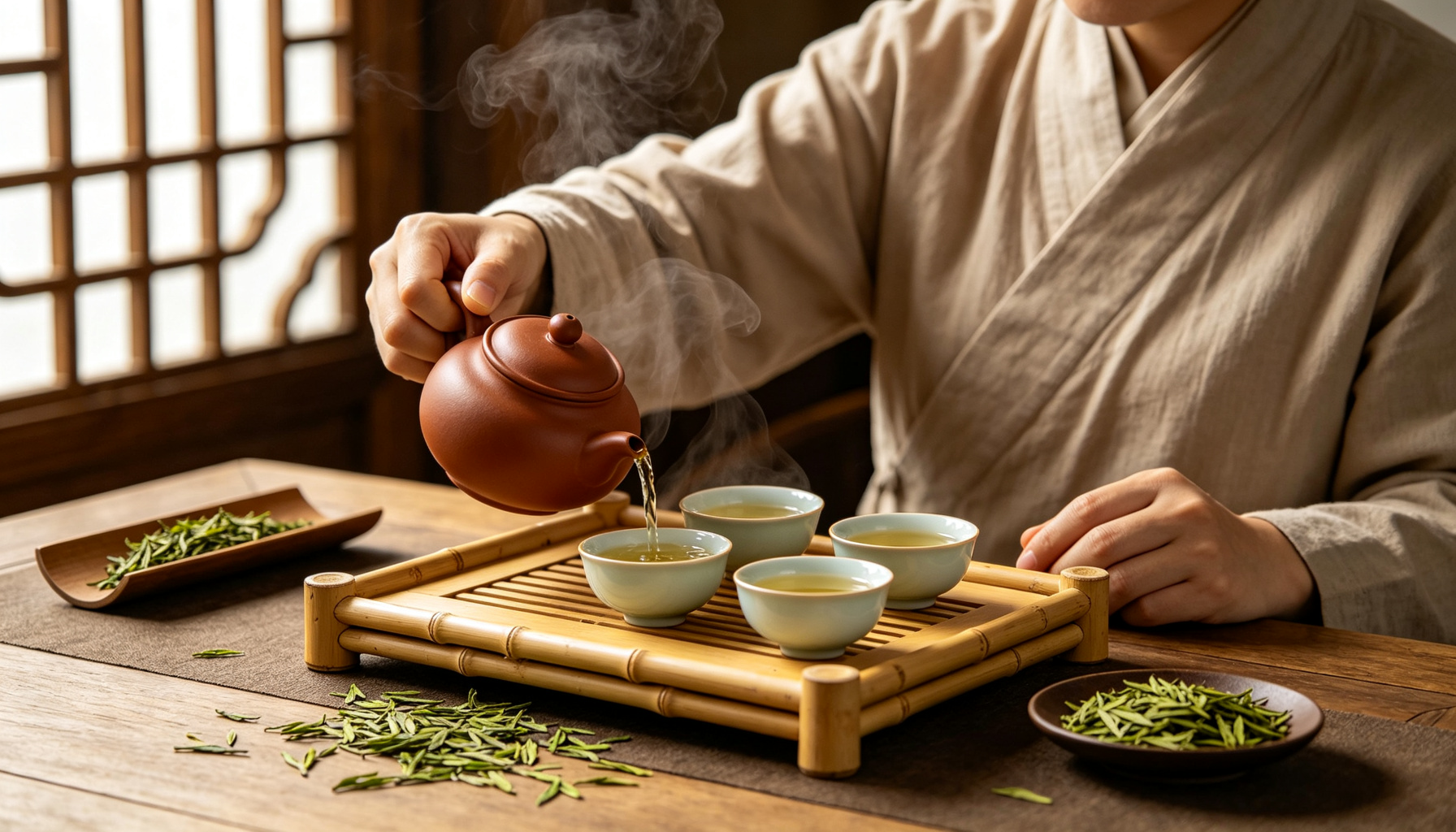
The most famous green tea in China grows on the slopes immediately west of the lake, where tea houses, roasters and the China Tea Museum share the same hillside. Drink it where it is picked, and ask to watch the hand-roasting in spring.
Unlike sprawling Chinese megacities, the lake, old street, temples and tea hills cluster within a short metro or Didi ride. Group sights by the lake's north/west shores instead of hopping across the city.
The city’s signature line — depth entry, not a checklist.
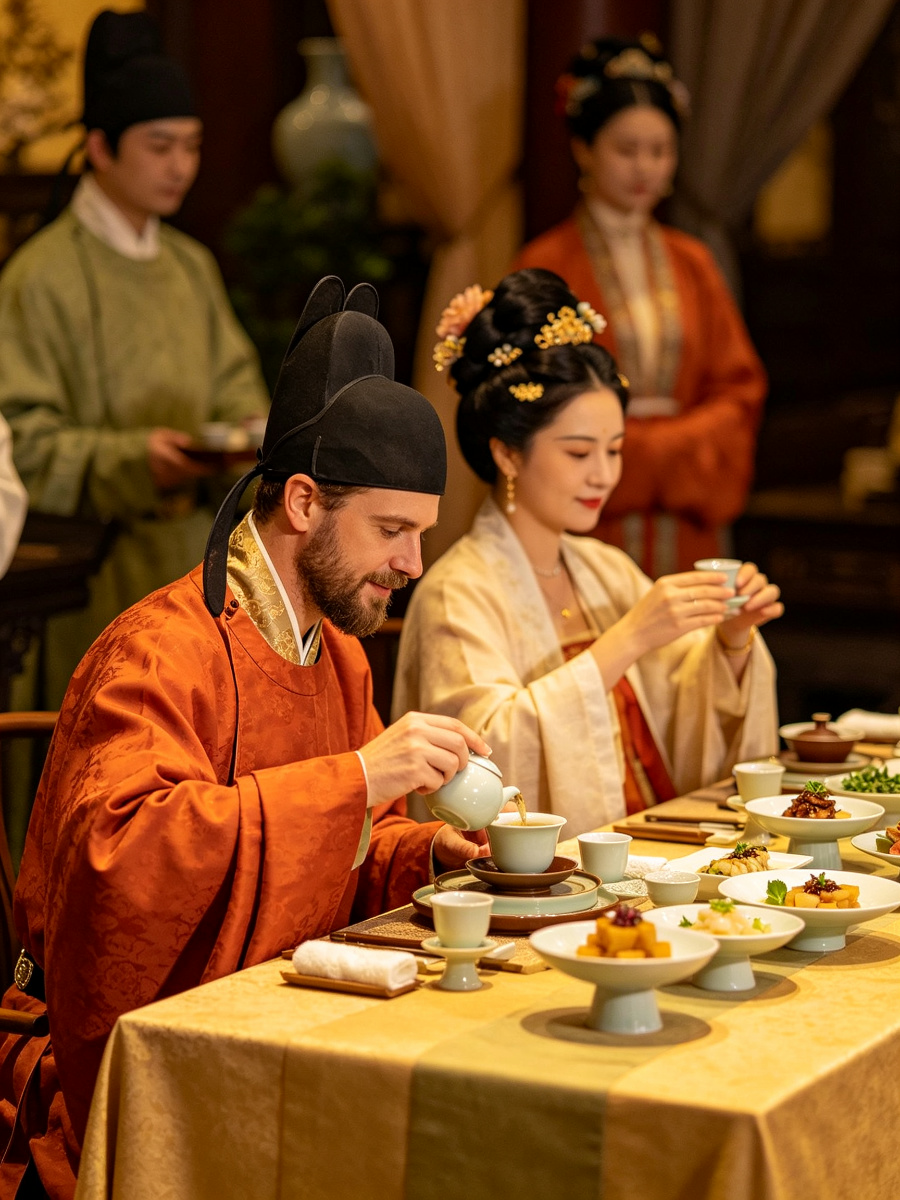
The signature line reads Hangzhou in half a day: start on Su Causeway to see how the lake was composed, climb to Longjing Village to see what has financed that beauty since the Tang, then sit a formal tea ceremony to taste the difference between Mingqian and Yuqian picking. West Lake was inscribed as a UNESCO Cultural Landscape in 2011; the tea hills are its working continuation.
Add to trip to compare and prepare; check partner links for slots and price when shown.
Beyond ticket notes — read the city’s character first.
'Three Pools Mirroring the Moon', 'Su Causeway in Spring' and the other Ten Scenes were named from the Southern Song onward as if they were scroll paintings. Observation point: stand on Su Causeway and notice how the hills frame the city edge — 'three sides of hills, one side of city'.
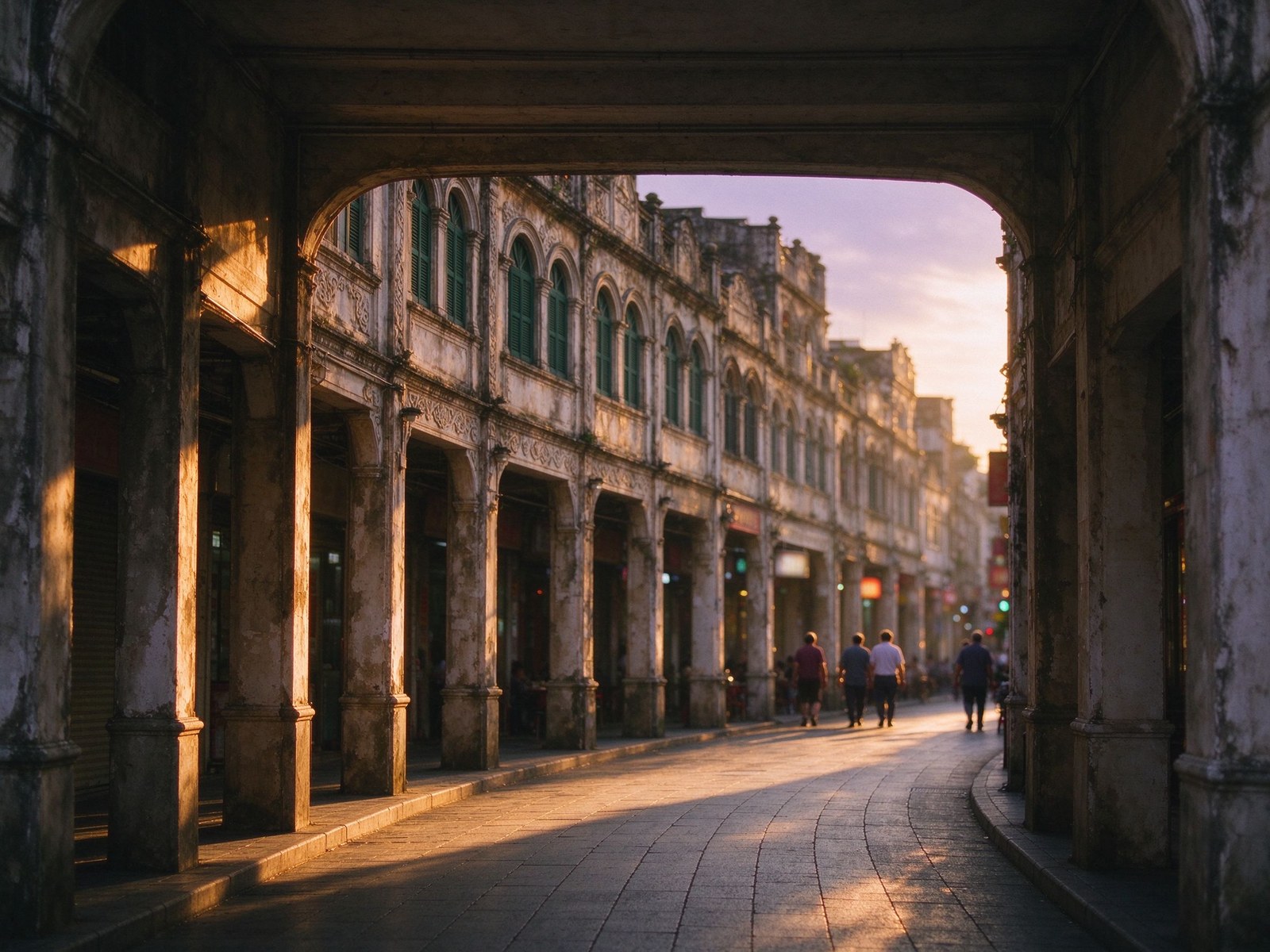
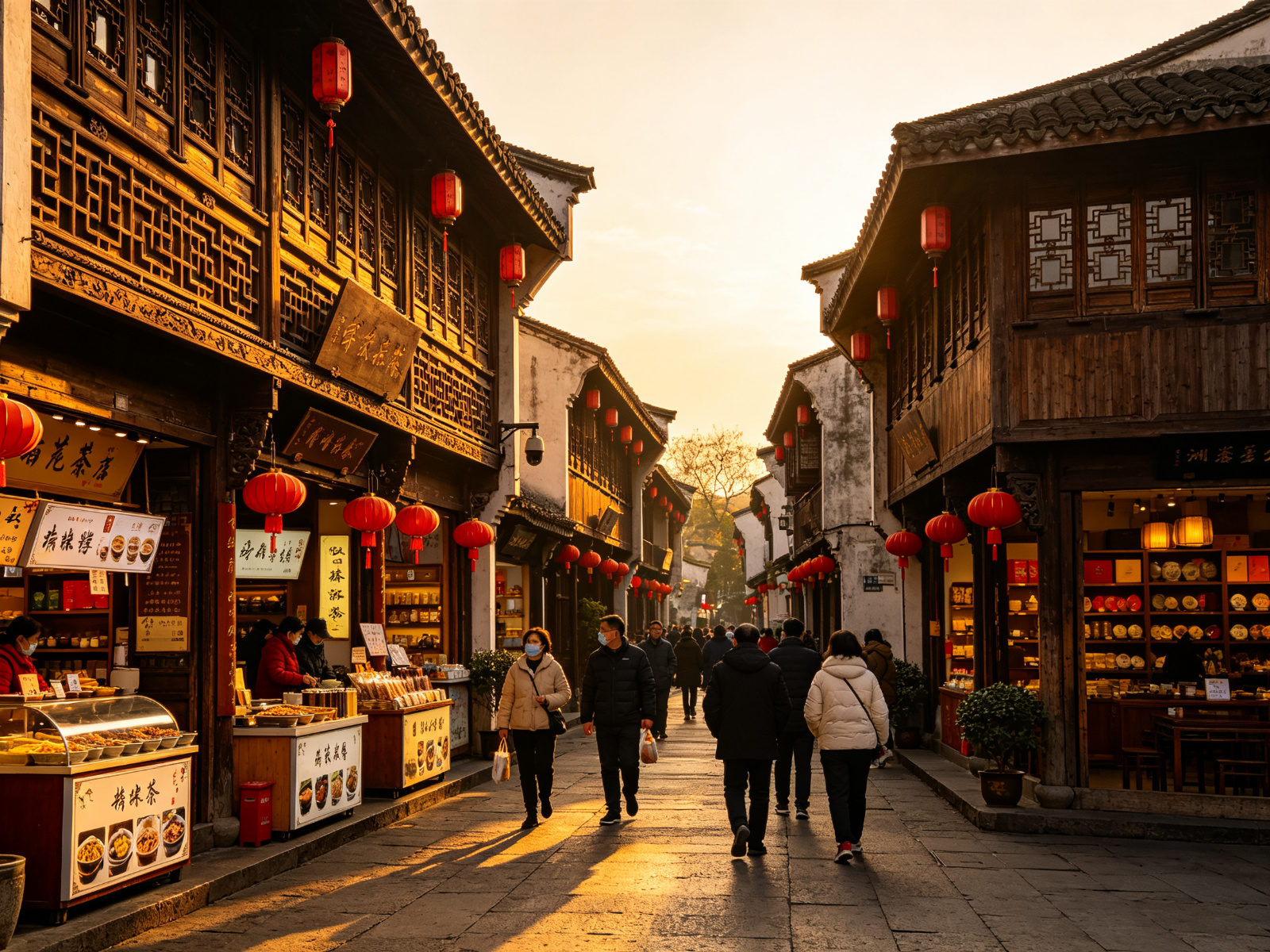
For 150 years this was the wealthiest city on earth, the retreat capital after the Song court fled north. Observation point: the stretch of Nansong Imperial Street near Hefang Street is the remnant of that commercial spine, not a movie set.
Longjing has been tribute tea since the Tang-Song era, and the grading still matters: Mingqian (picked before Qingming, early April) commands the highest price, Yuqian slightly later. Observation point: ask a farmer to show you dry leaves vs fresh-roasted in the same week — taste, don't just trust the box.
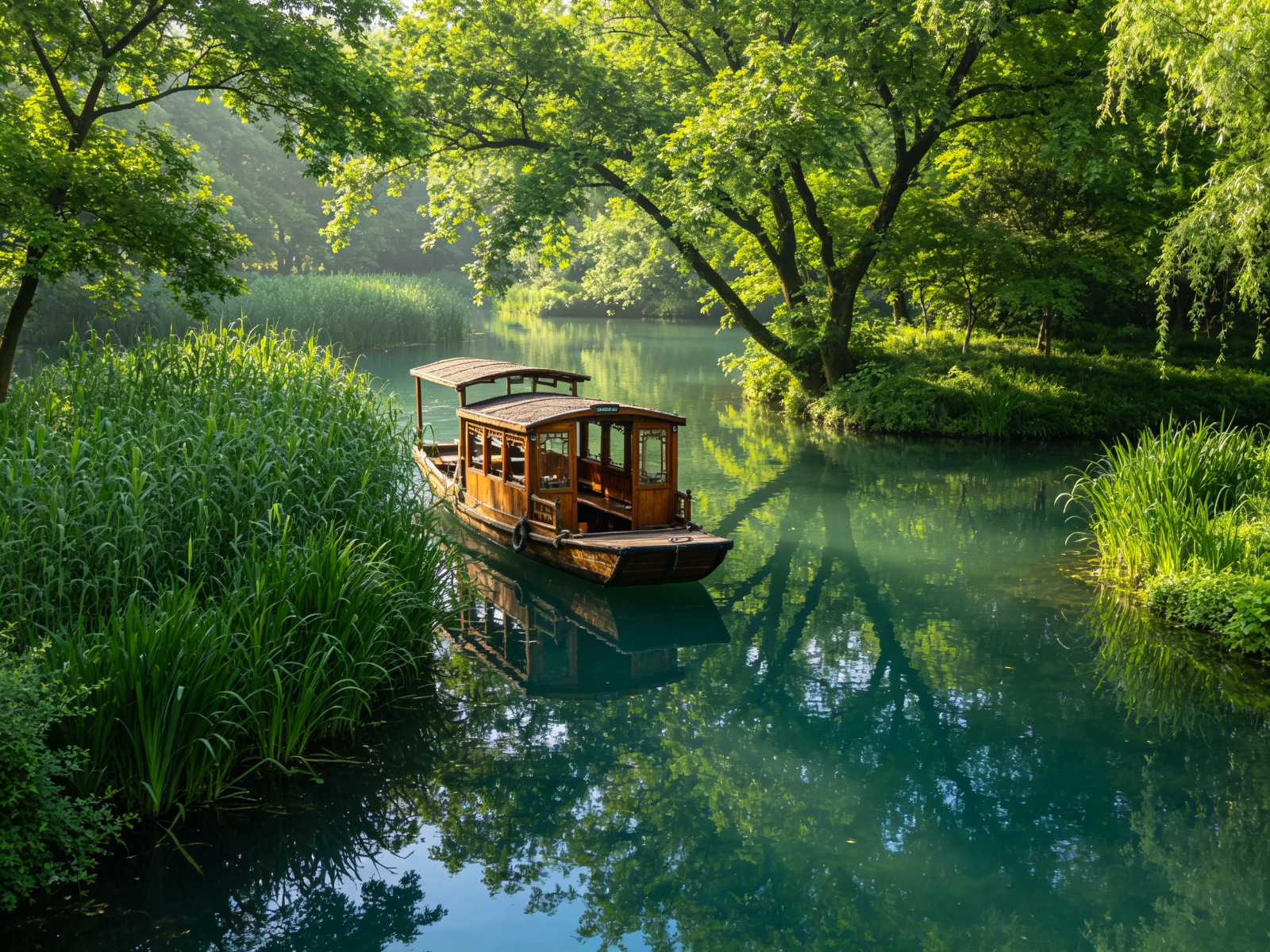
Reed marshes, scattered hamlets and rowboat lanes were here before the city grew around them; the 1,150 ha wetland is a separate water-town logic. Observation point: a rowboat into the inner channels moves at the speed of the old grain and silk trade, not a tourist route.
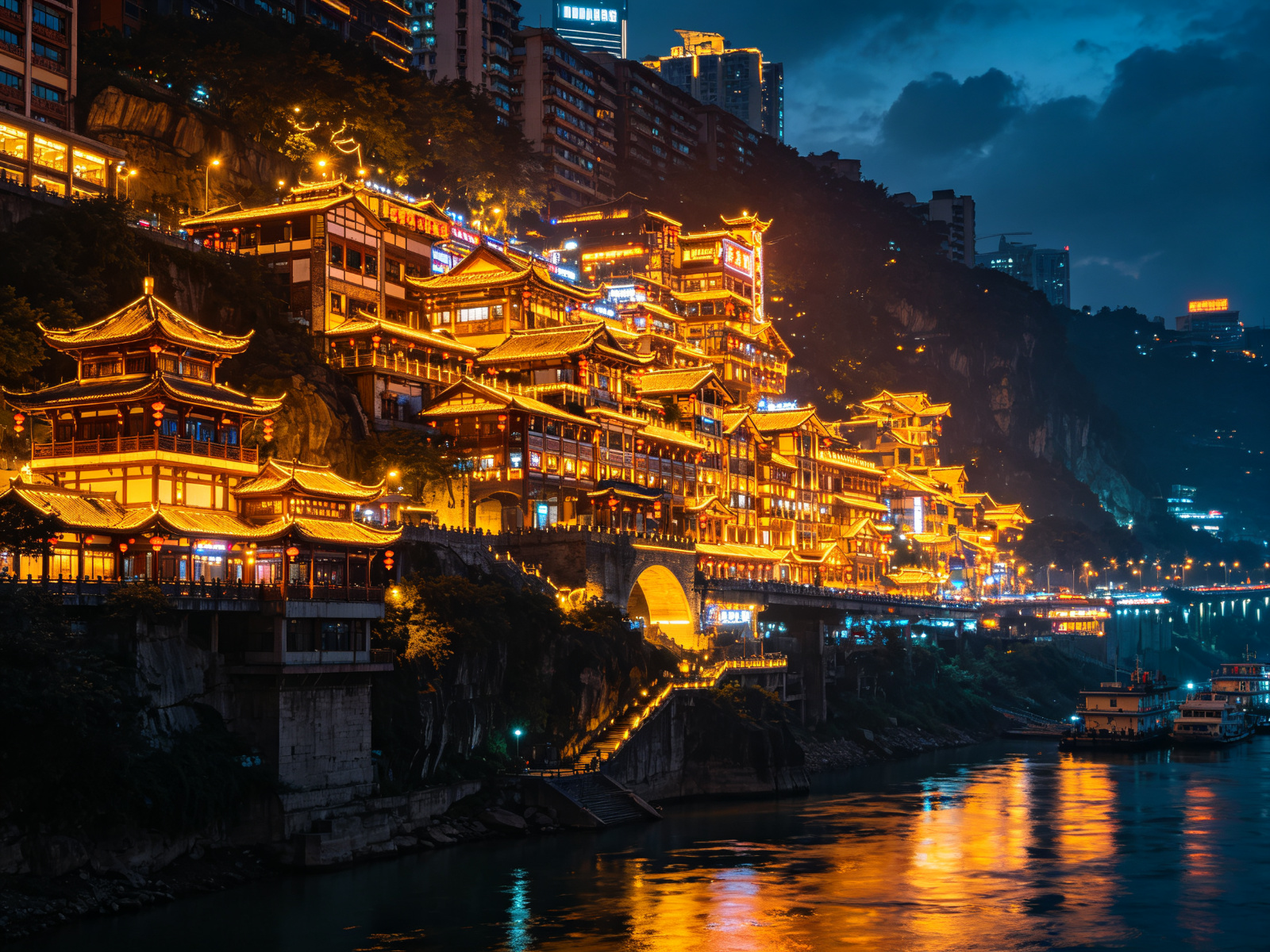
Hangzhou is the southern terminus of the Grand Canal and a historic silk capital; the merchants who grew rich on that trade built the pavilions, causeways and tea houses. Observation point: walk the Grand Canal waterfront at night and you feel the income stream that once paid for the West Lake aesthetic.
Tickets, duration, transport — ready for your trip cart.
PopularUNESCO site. Bike or walk the shoreline. Ten Scenes of West Lake scattered around. Free shoreline, boat rides ¥55.
 Popular
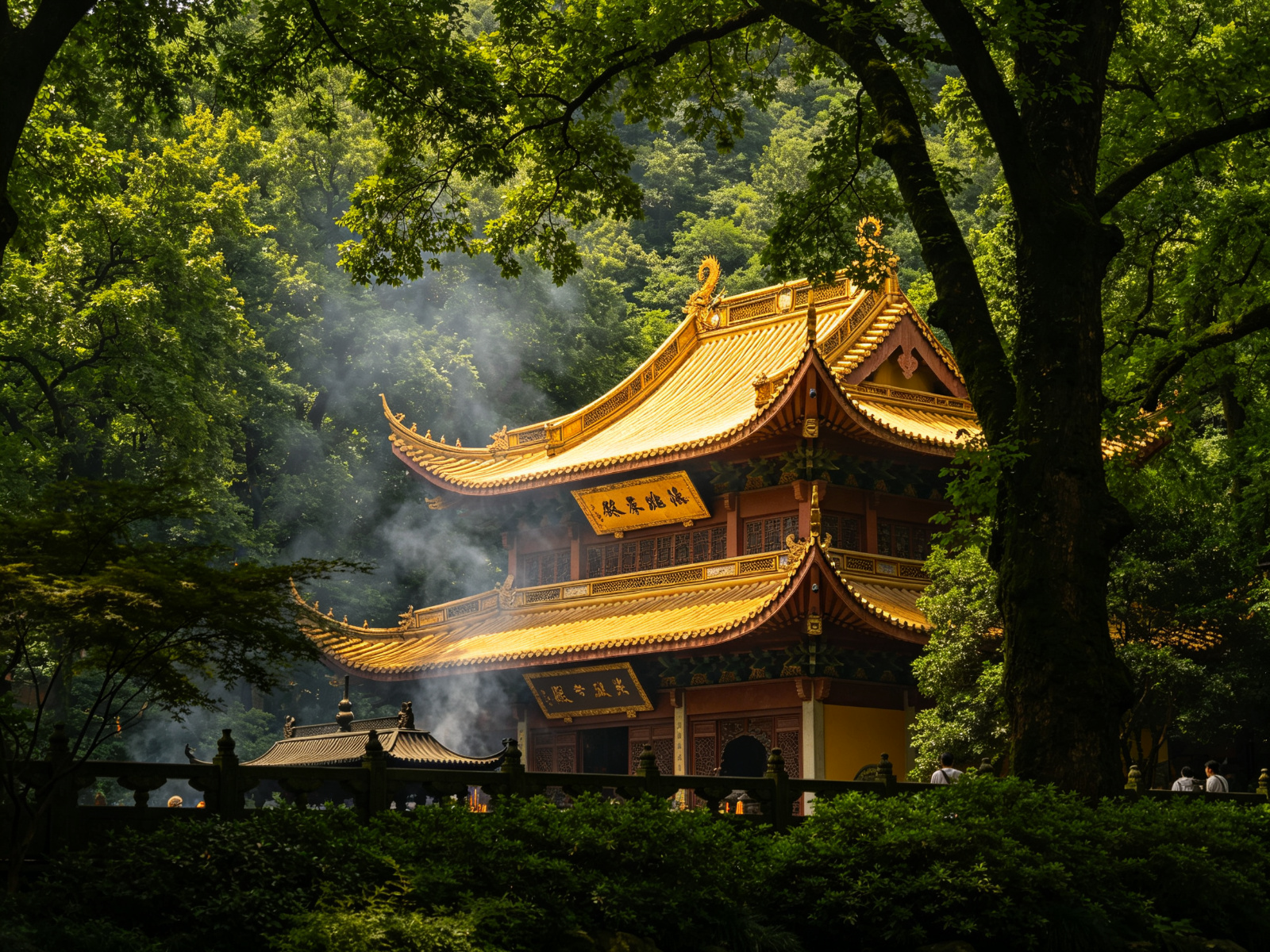
Ancient Buddhist temple in forested hills, founded 328 AD. The 24.6m Sakyamuni statue is carved from camphor wood.
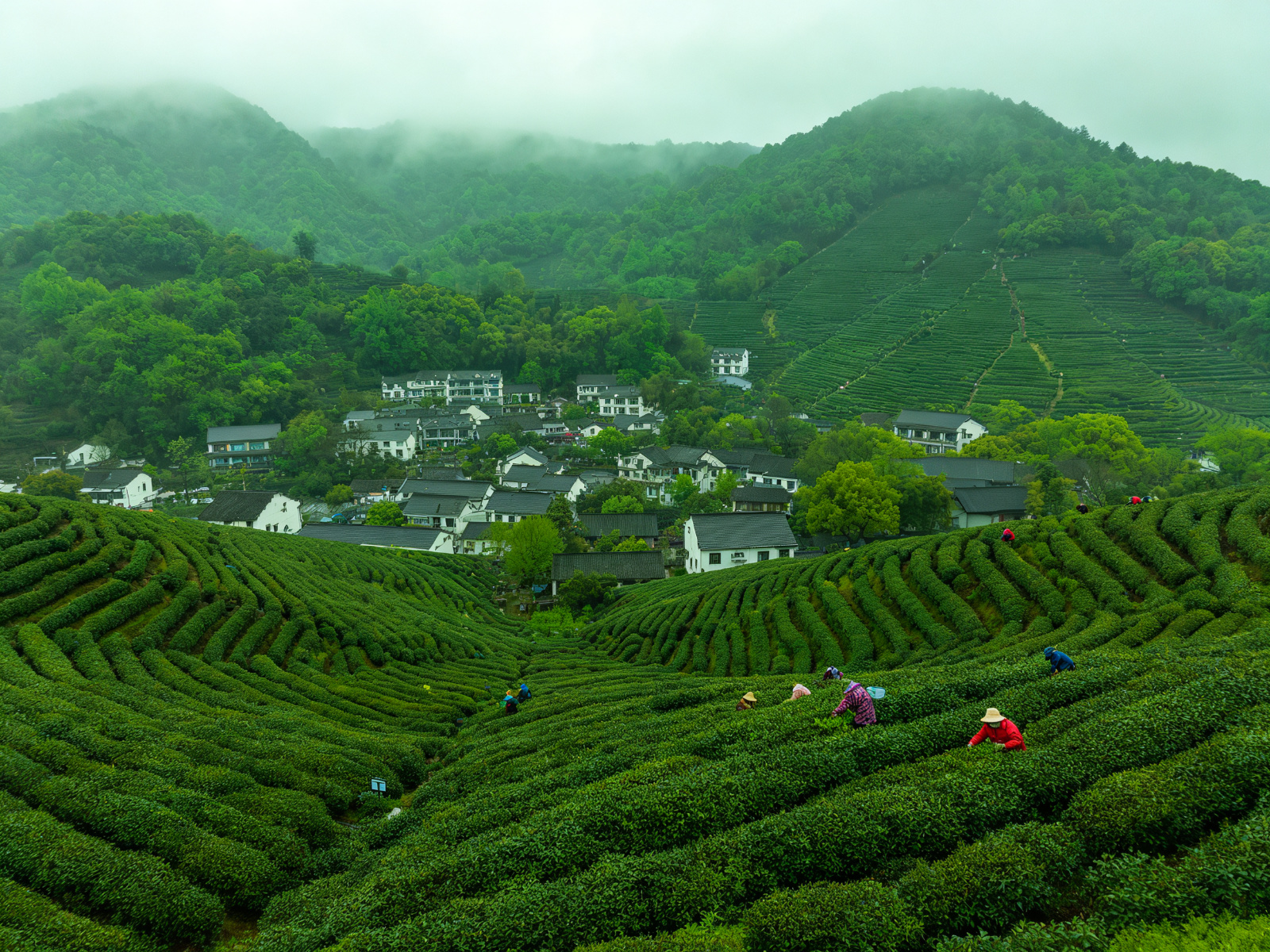
Terraced tea hills where China's most famous green tea is grown. Visit in March–April for picking season. Tastings av…
 Popular
1,150-hectare wetland park with waterways, villages, and birdlife. Boat rides through reed marshes. Filming location…
 Popular
Historic commercial street with traditional shops, medicine halls, and snacks. Near West Lake's south side.
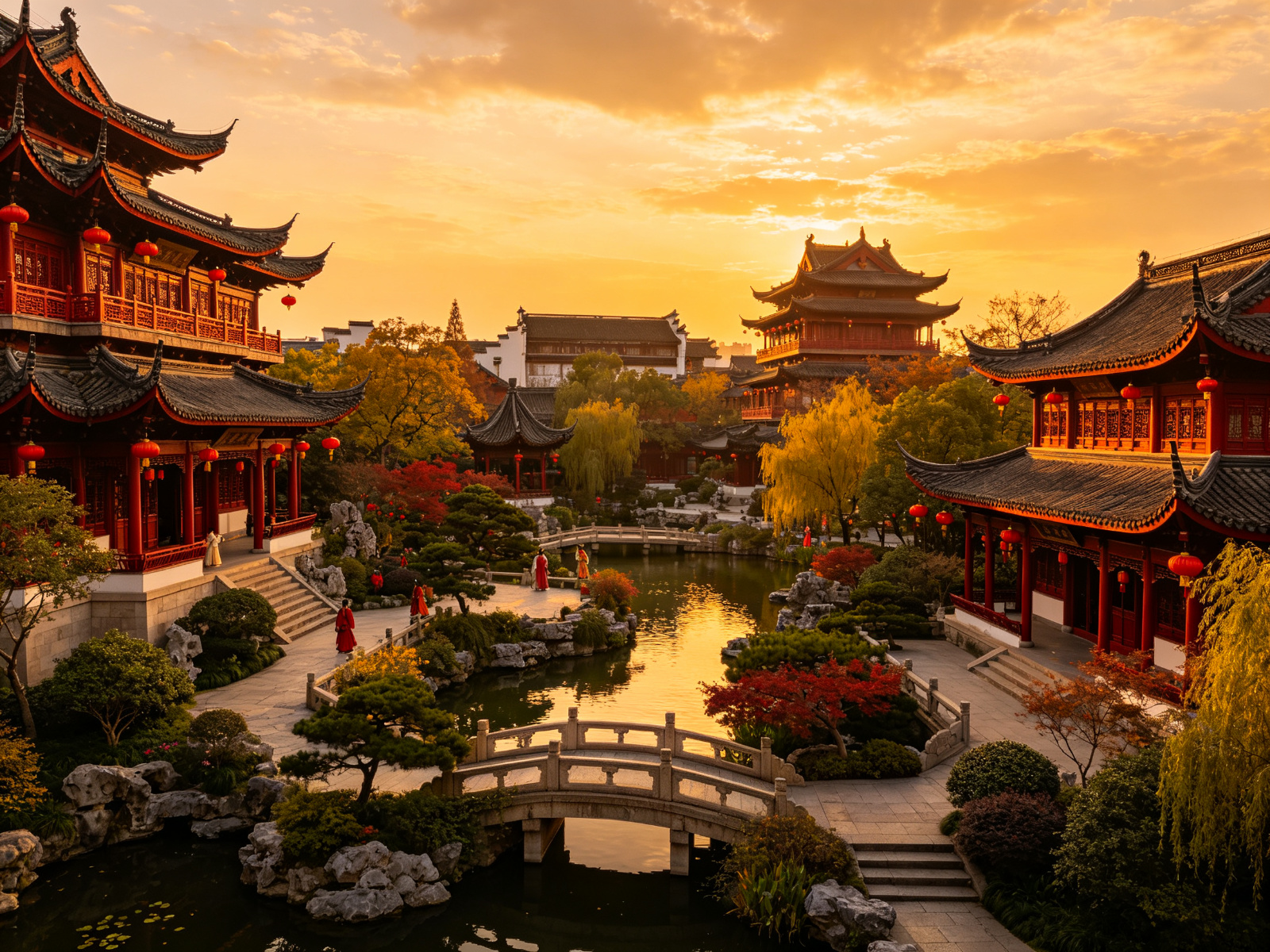
Song dynasty theme park with the spectacular 'Romance of the Song Dynasty' show. One of China's best live performances.
Executable skeletons: day-by-day anchors you can trim to fit.
1-day
For transit travelers; assumes a dawn start to beat the crowds.
Hangzhou eating splits into two honest lanes: legacy-lake-restaurant dishes (Dongpo pork, West Lake vinegar fish, Longjing shrimp) done once at a time-honored house, and everyday bowls (pian'er chuan, shrimp-paste wontons) done at local noodle counters. Skip the 'imperial lake feast' set menus pitched at the gate — eat noodles on the spot, buy tea from farmers in the village, and treat Lou Wai Lou as a one-time landmark meal, not your default.
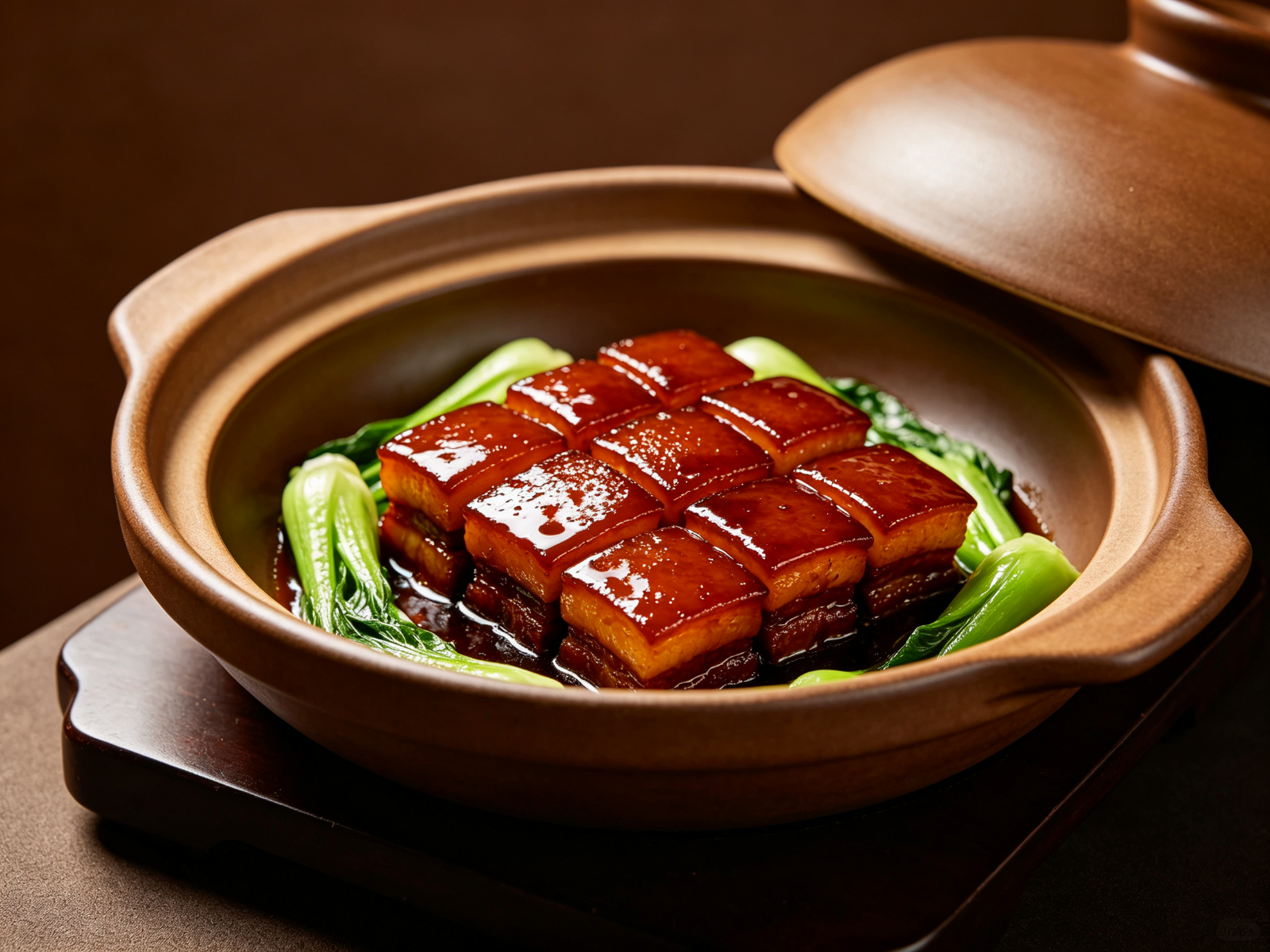
Braised pork belly named after poet Su Dongpo. Rich, sweet, melt-in-mouth.
 Popular
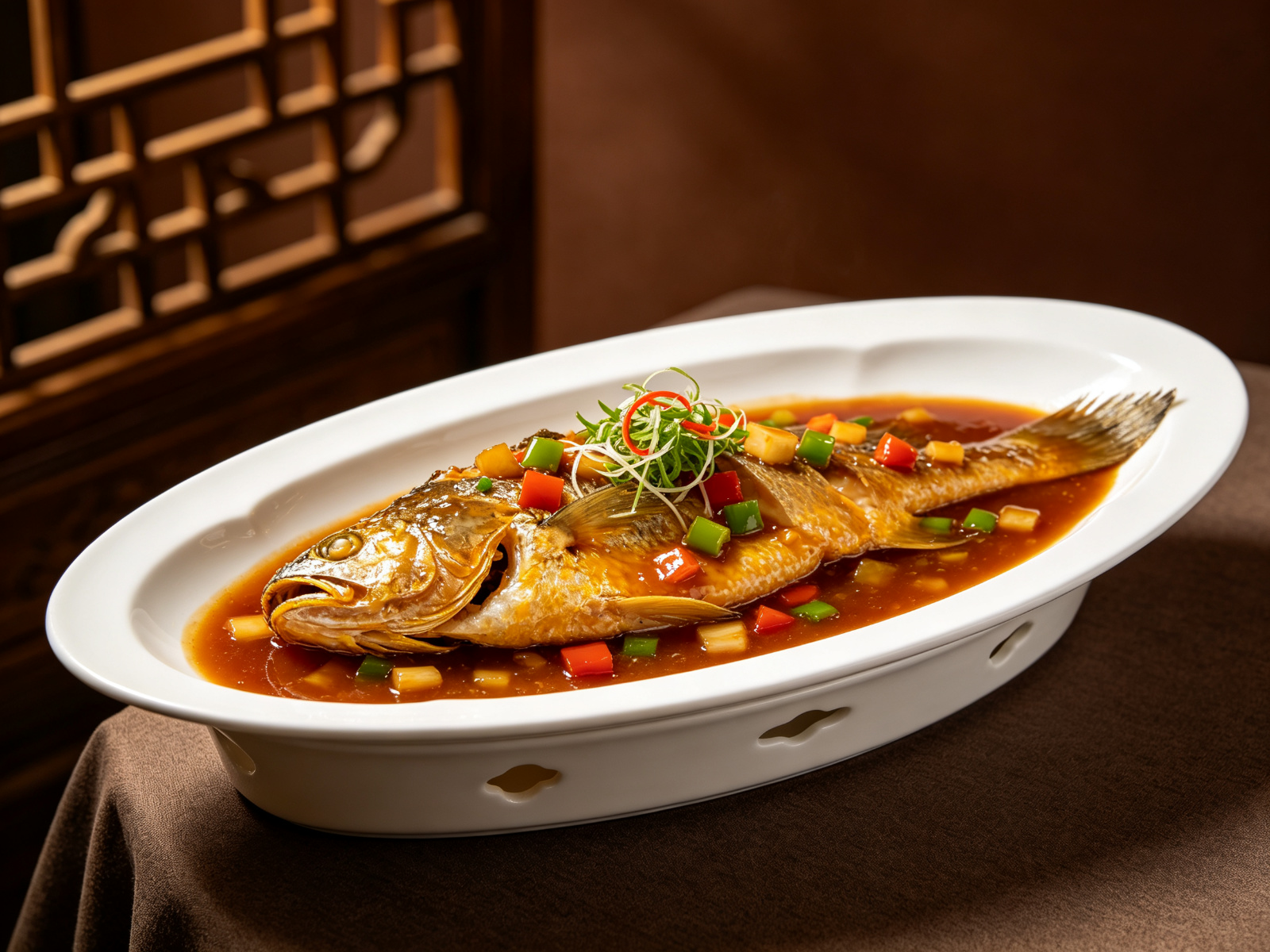
Live grass carp cooked in sweet-sour vinegar sauce. A Hangzhou classic with 800-year history.
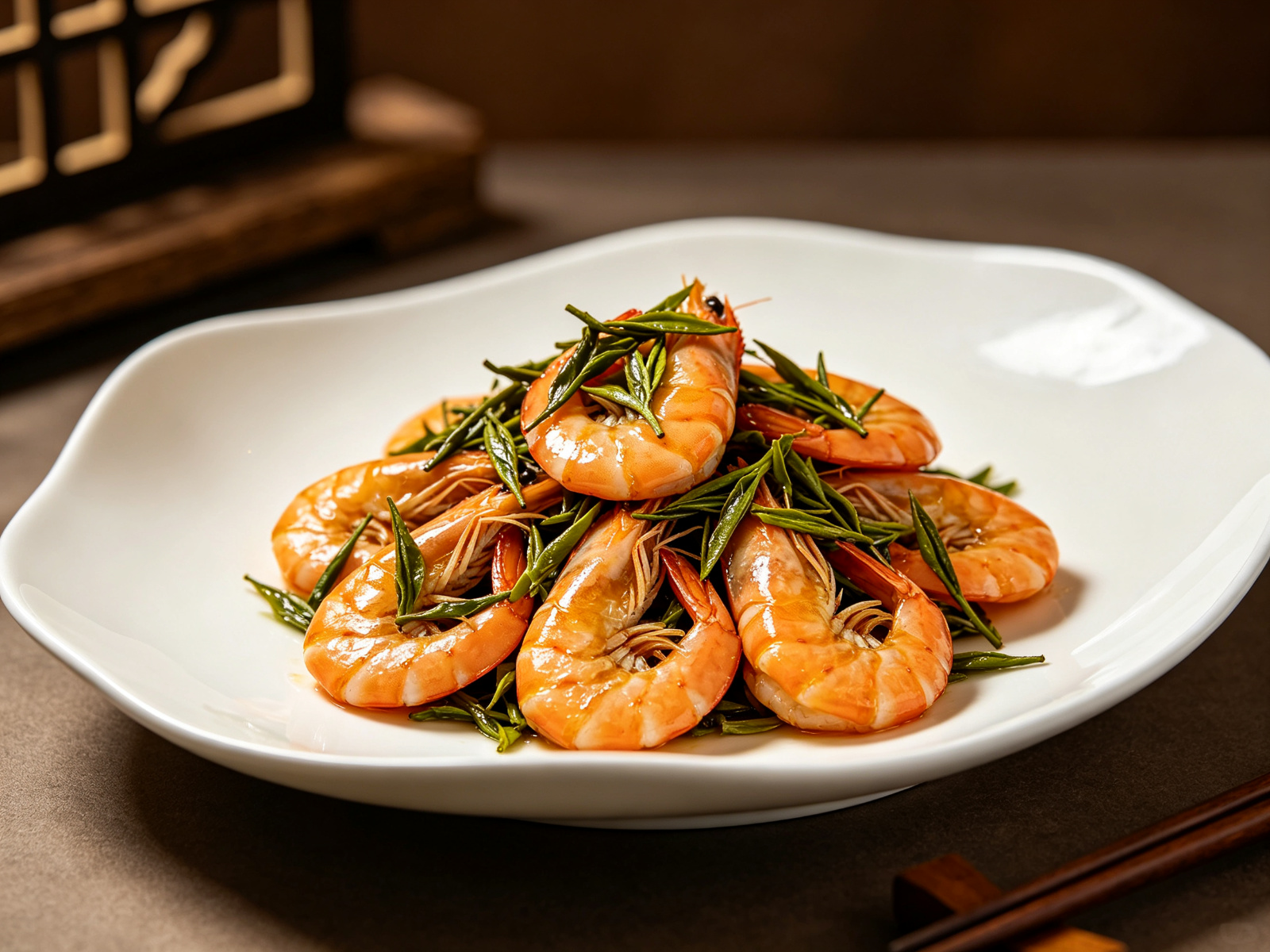
River shrimp stir-fried with Longjing tea leaves. Delicate and fragrant.
 Popular
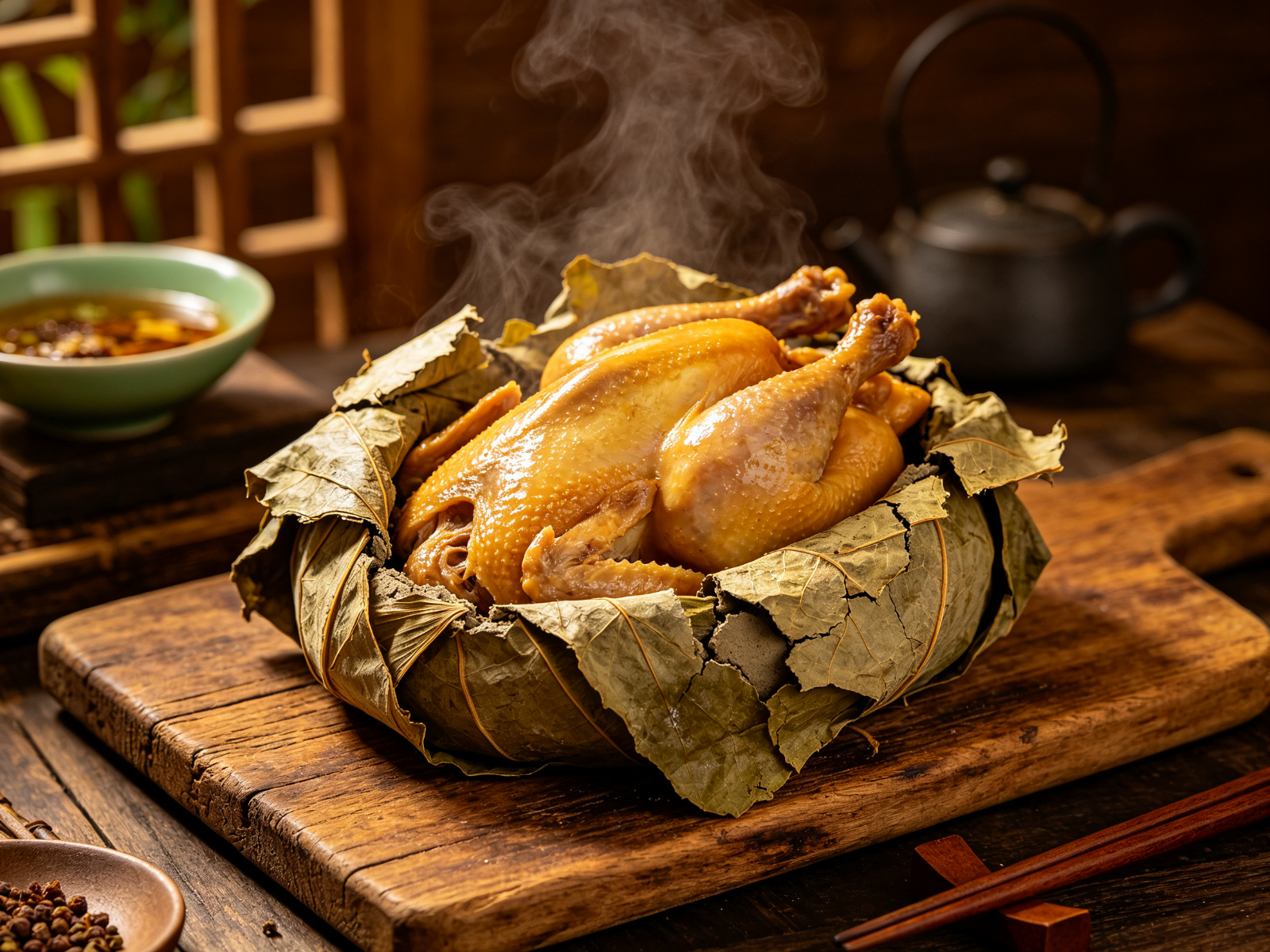
Whole chicken wrapped in lotus leaf and clay, slow-roasted. Crack the clay at the table.
 Popular
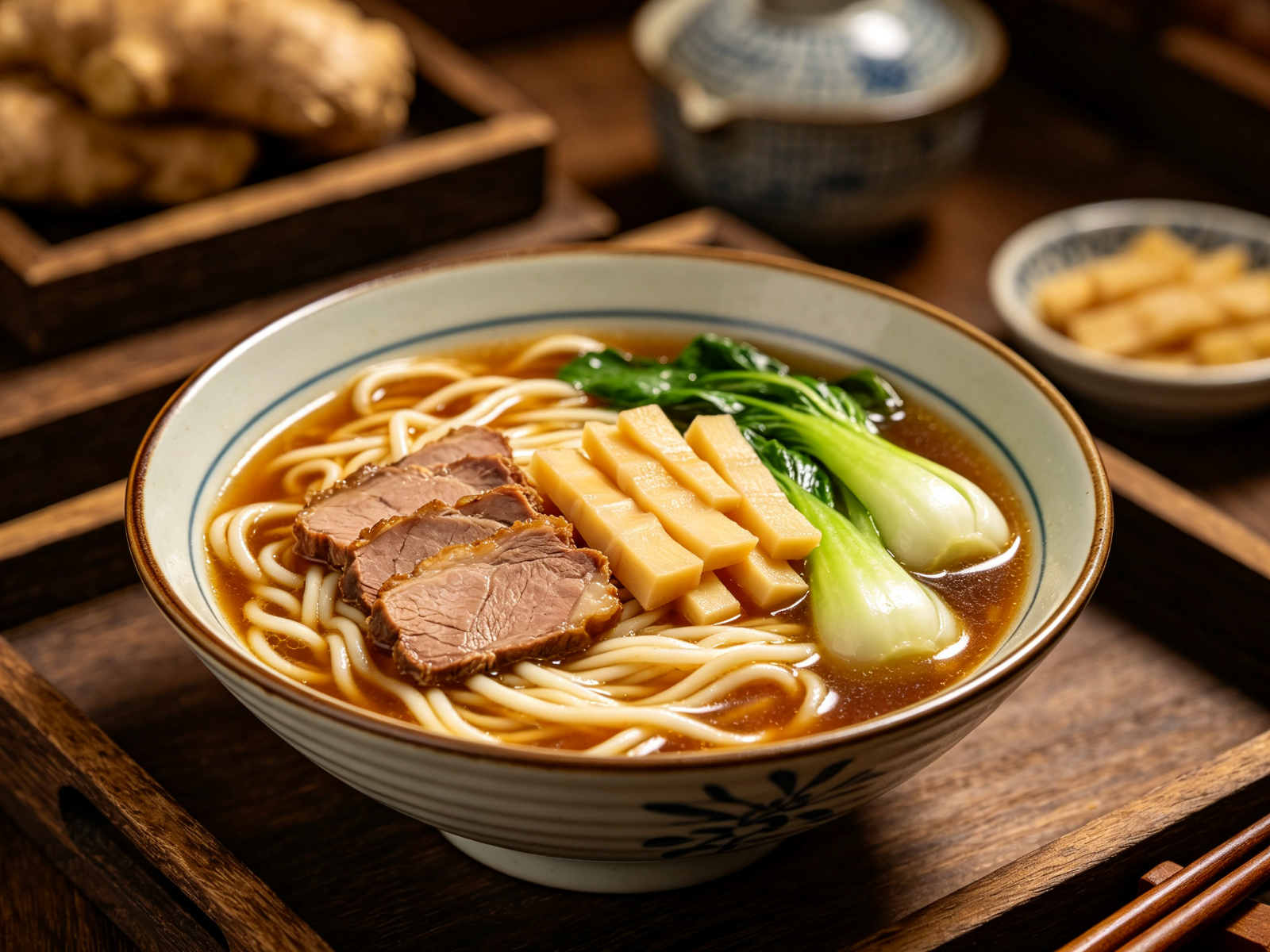
Hangzhou-style noodles with bamboo shoots, pork, and pickled cabbage. Comfort food classic.
Best time: March–May (tea season), September–November · Humid subtropical — misty springs
Metro + lakeside bike share (¥10/hour). Didi for tea villages and Xixi. High-speed rail to Shanghai (45min) and Suzhou (30min).
Alipay/WeChat Tour Card works on the metro and at chain stores; keep ¥200 cash for small noodle shops, temple incense stalls and old-town vendors. Foreign cards work at major hotels and malls, not at street stalls.
West Lake at dawn is clear and empty; weekends and national holidays are wall-to-wall — do the lake on a weekday morning. Lingyin-Feilaifeng is now free but requires a timed real-name reservation; book the earliest slot and arrive before 09:30 to skip the queue.
Keep voices low in temple halls and wear shoulders covered; outside incense is not needed — temples provide offering incense. At a tea ceremony, hold the cup with both hands and sip rather than drain; it is about the steeping, not the caffeine.
Lake piers stop selling boats around 17:00; the Su Causeway walk is ~2.8 km — wear real walking shoes. Spring mist and summer thunderstorms are common; carry a light shell and water on a wetland day.
Metro Line 1 reaches the lake at Longxiangqiao; shared bikes are best for the lake loop. Longjing Village and Xixi are easier by Didi than by bus. Avoid metro rush 07:30–09:00 and 17:30–19:00.
Buy a local SIM or portable Wi-Fi at Xiaoshan Airport; major social and search apps need your own workaround. Use Amap (Gaode) for routing — it lists the West Lake bike-share docks and wetland piers.
Metro + lakeside bike share (¥10/hour).
Didi for tea villages and Xixi.
Metro, stalls, and rides mostly take Alipay or WeChat. Set up Alipay with a foreign card before you land.
Show the Chinese name “杭州” to drivers and staff. It beats a long English explanation.
Book tickets, transfers, and popular tours via partners first — then request deeper local experiences through ChinaPie.
Disclosure: Some links are affiliate links. ChinaPie may earn a commission on eligible bookings at no extra cost to you.
Prices shown are planning references only. Actual rates fluctuate with season, holidays, demand, and partner promotions — the price at checkout on the booking site is authoritative.
Conversion stays soft — clear next steps: plan this city, or request planning help.
Yes for typical tourist areas. Keep phones and bags secure on metro and in crowded night spots; use licensed taxis or Didi.
Depends on your passport. Check ChinaPie Plan & Prep → Visa for 30-day visa-free and 240-hour transit options before booking.
Yes—foreigners can set up Alipay with passport + international card. See /prep/alipay-setup for the step-by-step guide.
Yes—high-speed train Shanghai→Hangzhou takes 45–60 min (¥73–117). But 2 days is better to see West Lake + tea village + Xixi without rushing.
Late March to early April is the prime picking season for 'Mingqian' (pre-Qingming) tea, the most prized. Visit then to see picking and taste the freshest tea. Prices are highest then.
China offers unilateral visa-free entry to 40+ countries including France, Germany, UK, Japan, South Korea, Singapore, Malaysia, Thailand, Italy, Spain, Netherlands, Switzerland, Sweden, Norway, Denmark, Finland, Belgium, Austria, Ireland, Portugal, Greece, and more. Stay: up to 30 days. IMPORTANT: US passport holders are NOT on the unilateral visa-free list and need a visa. Check latest list at China Immigration official site before travel.
Yes. US passport holders need a visa to enter mainland China. The 10-year multiple-entry tourist visa (L visa) is common: $185 fee, processing 3-5 business days. You can also use the 240-hour transit visa-free if transiting to a third country. Apply at Chinese embassy/consulate or via authorized visa agencies. Many travel blogs incorrectly say US is visa-free — this is false.
Major hotels, international restaurants, and large malls accept Visa/Mastercard. But most small shops, street food, taxis, and local experiences only accept Alipay or WeChat Pay. Link your foreign card to Alipay (Tour Card) for daily use. Carry some cash (¥500-1000) as backup.
Most first-timers do well with 1–3 days. Start with the 1-day West Lake core, then expand to 2–3 days if you want slower food and culture. Use Plan this city to turn stops into a workable week.
Foreign cards work more often via Alipay / WeChat Pay tourist modes and some metro apps, but coverage still varies by merchant. Keep a small cash float and set payment apps up before peak sightseeing. See the practical section on this hub for city-specific notes.