Suzhou Visual Travel Guide
Illustrated city overview — not a scale map. Use Routes below for day-by-day stops you can open in Planner.
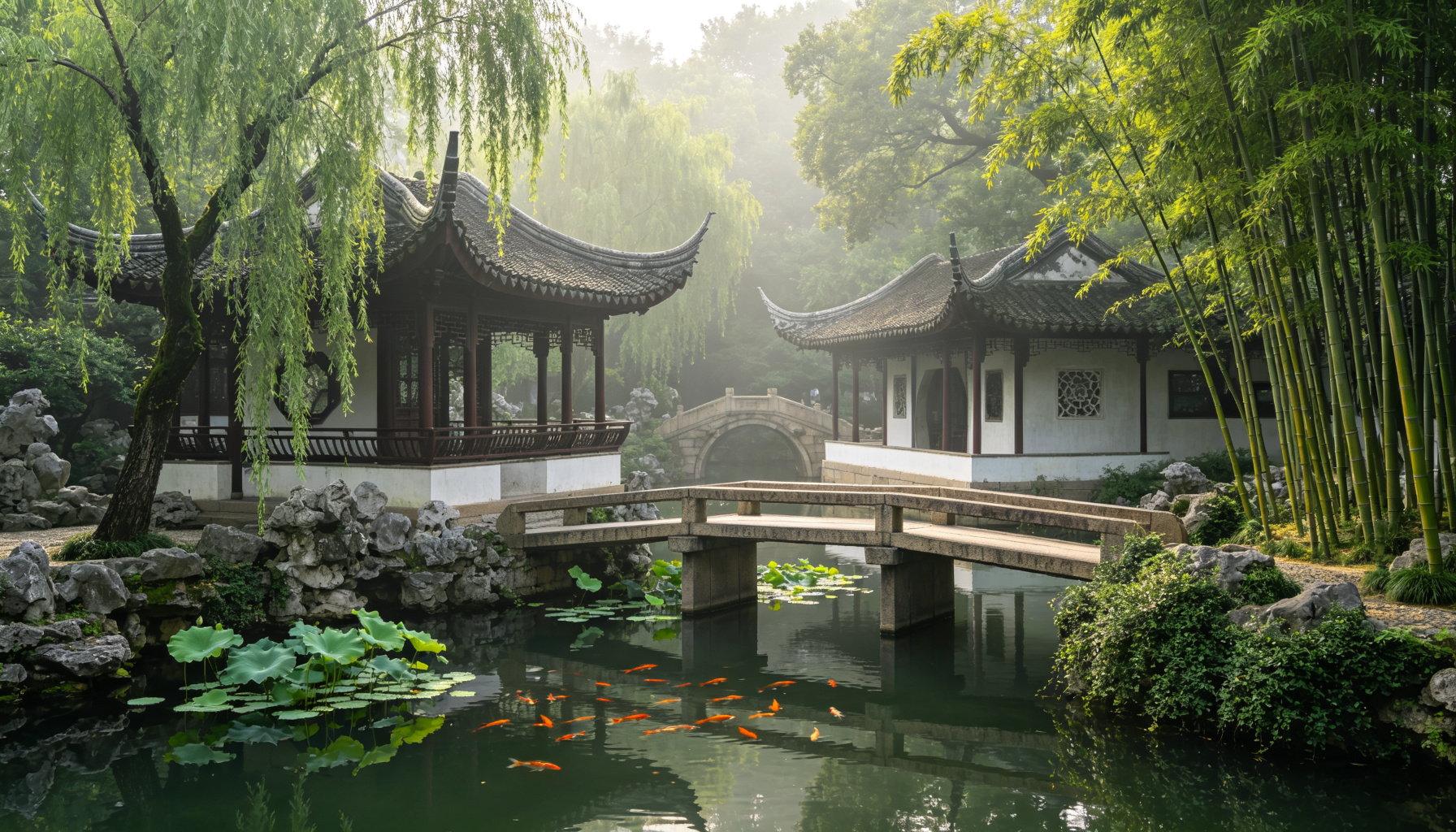
Suzhou · 苏州
Suzhou is where Chinese literati designed a complete world inside a wall: nine UNESCO classical gardens, an old city whose canal-and-street grid still matches the 1229 Song-dynasty stone map, and water towns 40 minutes out—all 25 minutes by high-speed rail from Shanghai.
City-level visual guides and reviewed photos — infographics are illustrated overviews, not scale maps.
Illustrated city overview — not a scale map. Use Routes below for day-by-day stops you can open in Planner.
Suzhou's nine UNESCO gardens share a grammar—framed openings, borrowed scenery, rock-and-water ratios. Judgment: read Humble Administrator's Garden in the morning, then step next door into the I.M. Pei-designed Suzhou Museum to see that same grammar translated into modern glass, steel and courtyard.
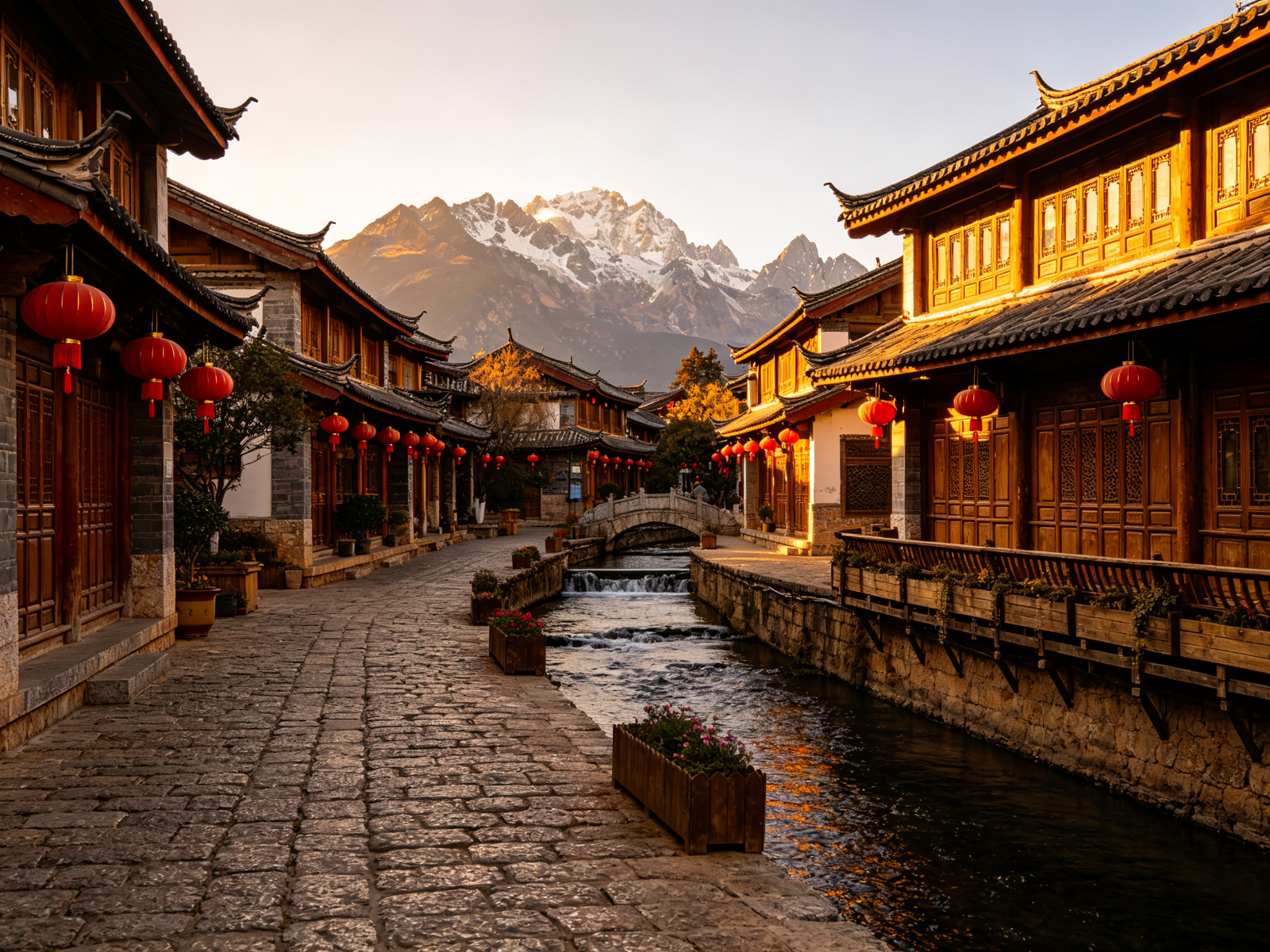
Pingjiang Road's parallel canal-and-street layout matches the Pingjiang Map carved in 1229. Observation: walk the lane at 08:00 before the shop signs go up, and you are walking the same water-street grid the Song cadastral record drew eight centuries ago.
Tongli is reached by Metro Line 4 plus a short shuttle from central Suzhou. Action: take the hand-rowed boat under Ming-Qing bridges in the morning, and you can be back in the old city for a Su-style noodle supper.
The city’s signature line — depth entry, not a checklist.
The signature line reads Suzhou in one walk: the largest surviving classical garden teaches the literati grammar of water, rock and borrowed view; the next-door Suzhou Museum (I.M. Pei, 2006) shows how that grammar was modernized; then Pingjiang Road lets you test whether the Song-dynasty street-and-canal grid is still lived-in. A guided garden-tour experience chains these three stops with the design vocabulary explained.
Add to trip to compare and prepare; check partner links for slots and price when shown.
PopularWhich gardens to see, ticket tips, and the silk street to visit.
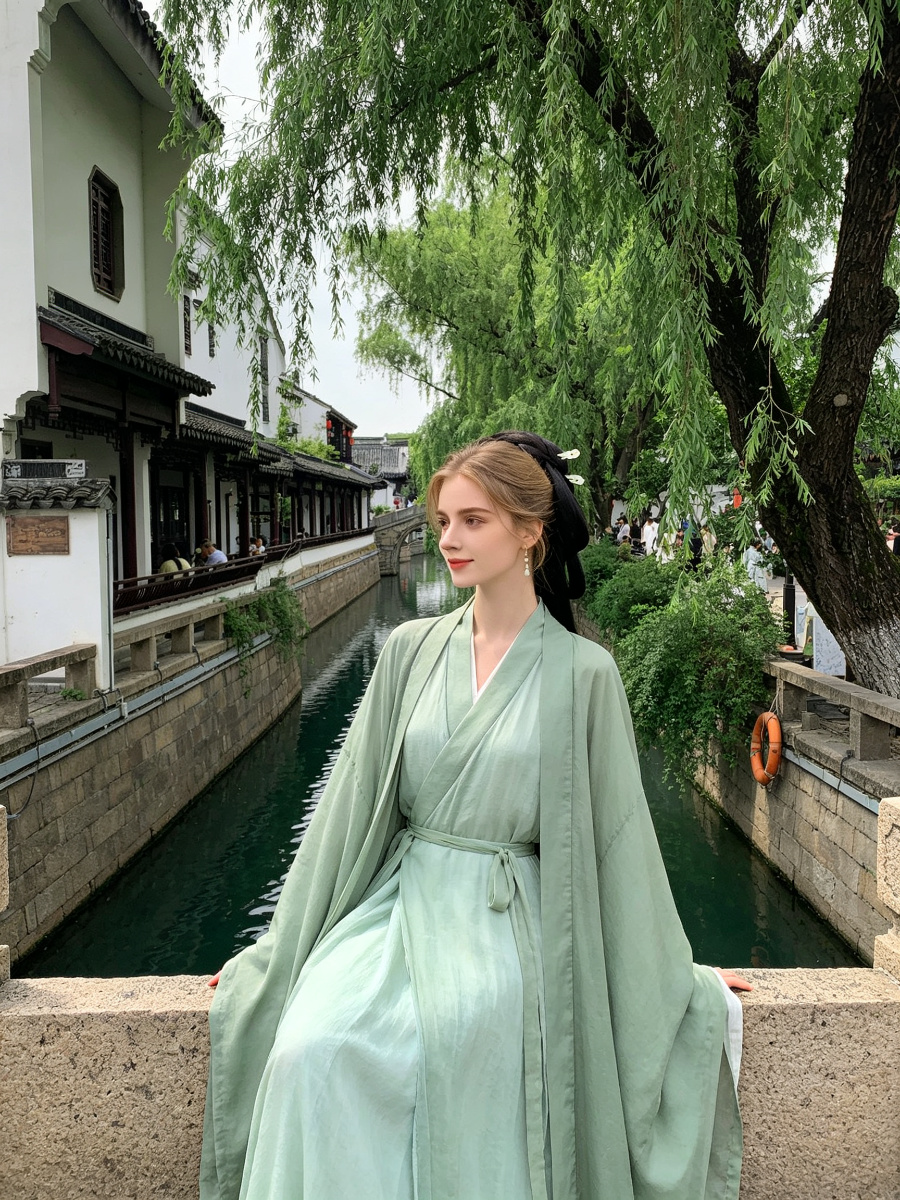
Trending culture experience in Suzhou.
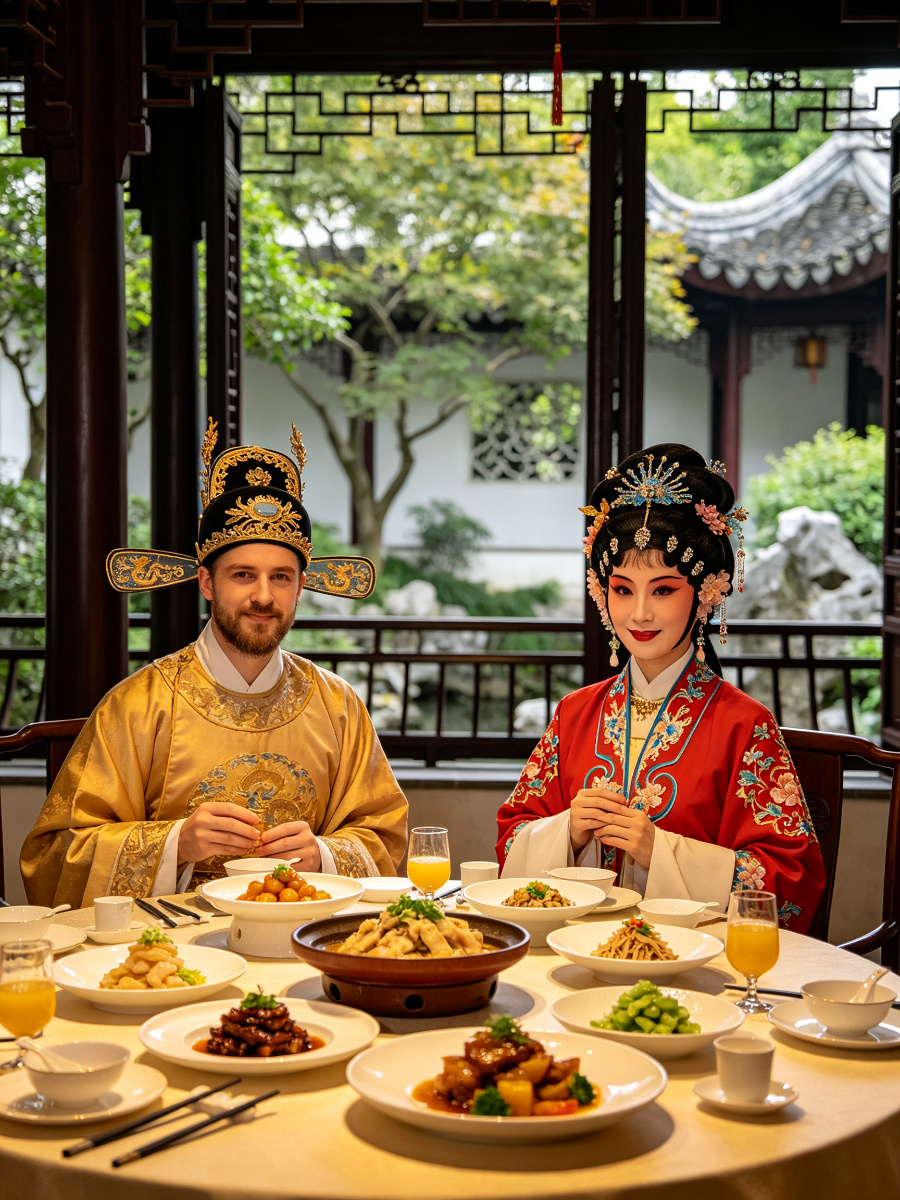
Trending food experience in Suzhou.
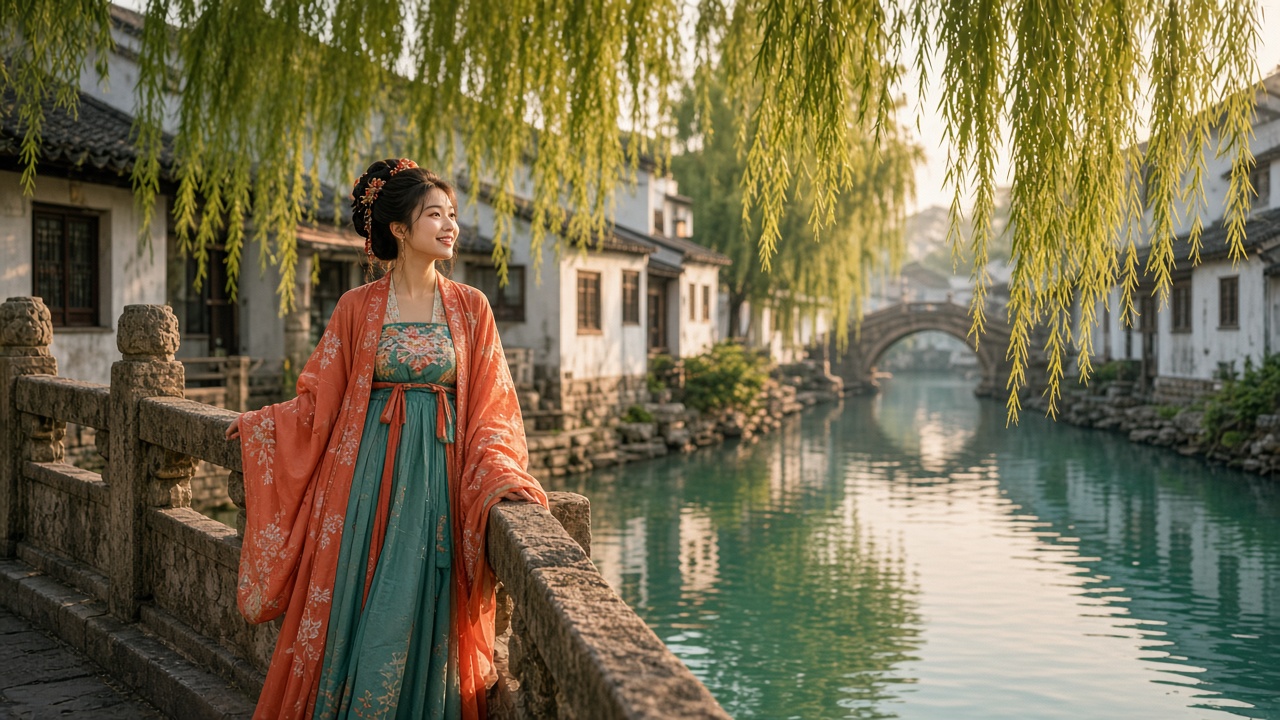
Rent vivid Jiangnan-style hanfu (or qipao), optional photographer, and shoot along canals and garden lanes.
Beyond ticket notes — read the city’s character first.
UNESCO describes the Suzhou gardens as the model for the Chinese ideal of condensing landscape into a small walled space. Observation: in Humble Administrator's Garden, find the 'borrowed view' frame that pulls the distant Beisi Pagoda into the garden painting—that is the grammar, not just a pretty pond.
The Song-dynasty Pingjiang Map (1229, preserved in the Suzhou Museum stele gallery) records a city of parallel rivers and streets. Judgment: Pingjiang Road is not a renovated tourist street—it is the surviving slice of that grid; walk its side lanes, not just the main drag.
Suzhou's wealth for a millennium came from sericulture and weaving, which is why silk and embroidery are still the honest souvenirs. Observation: at a licensed silk shop, ask to feel the difference between hand-reeled mulberry silk and polyester lookalikes; the price gap is real.
Tongli's network of canals and stone bridges is not folklore scenery; it was transport, drainage and market. Judgment: take the hand-rowed boat rather than a motorized one—the slow water level is how the town's layout was meant to be read.
Suzhou is the heart of the Wu-speaking region and the birthplace of Kunqu opera, inscribed on the UNESCO intangible list. Observation: an evening Pingtan storytelling session in a Pingjiang Road teahouse (performances, not background music) tells you how Jiangnan literate leisure actually sounded.
Tickets, duration, transport — ready for your trip cart.
PopularChina's largest classical garden (5.2 hectares), UNESCO. Pavilions, ponds, and borrowed scenery. The most famous gard…
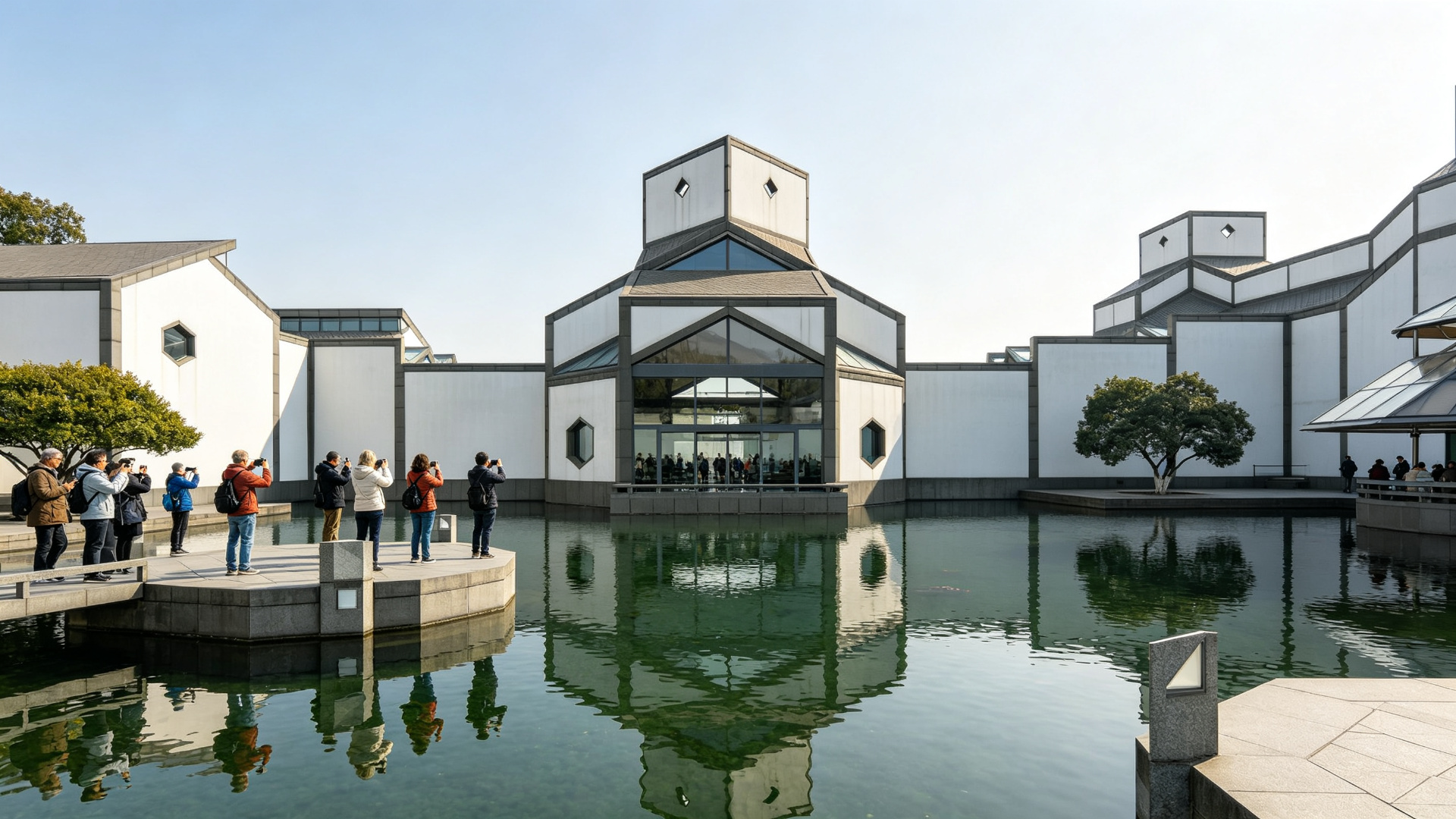 Popular
Designed by I.M. Pei, blending modern architecture with traditional garden elements. Excellent collection of Suzhou a…
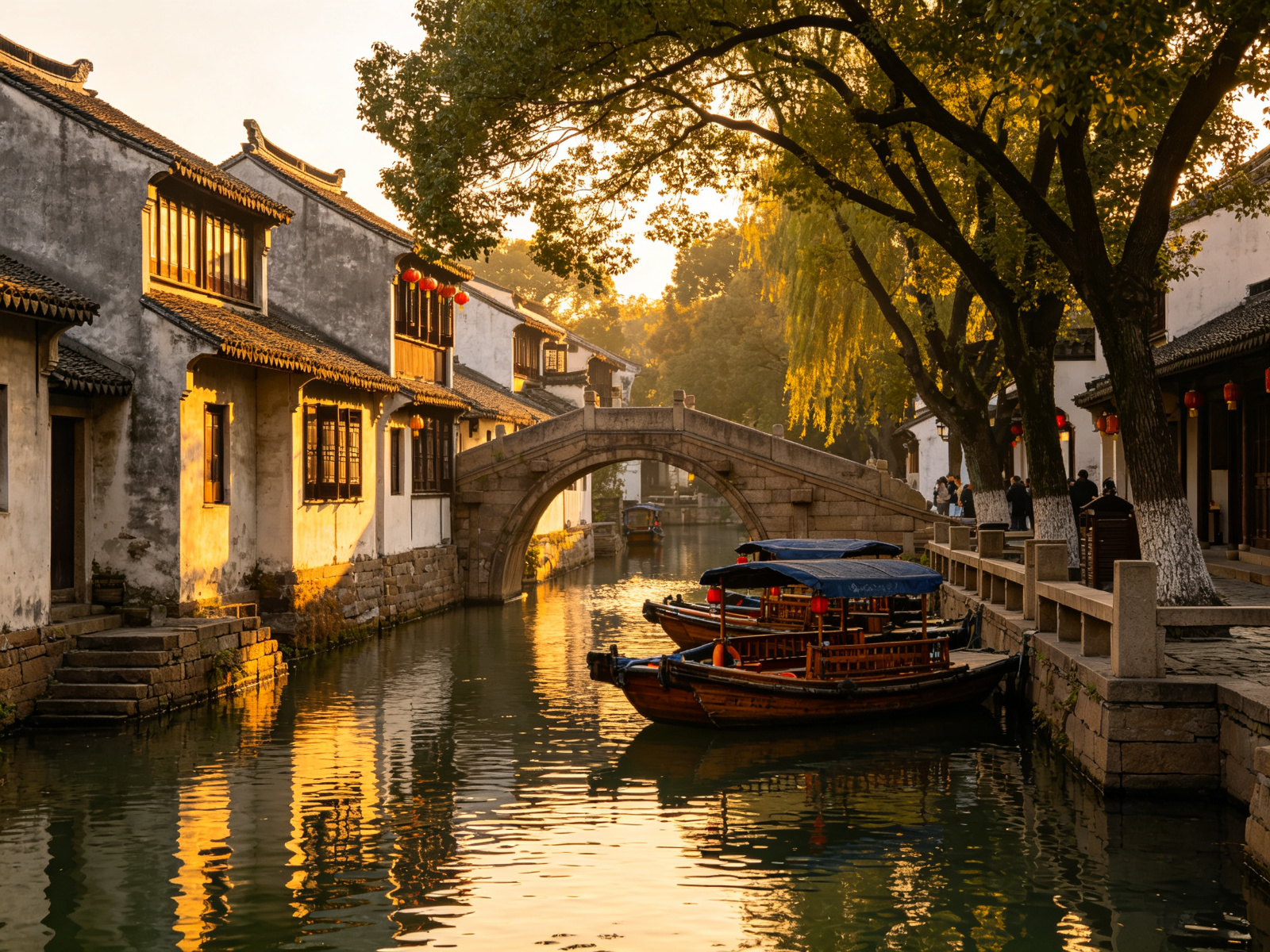 Popular
1,000-year-old water town with canals, stone bridges, and Ming/Qing houses. Less commercialized than Zhouzhuang. 45 m…
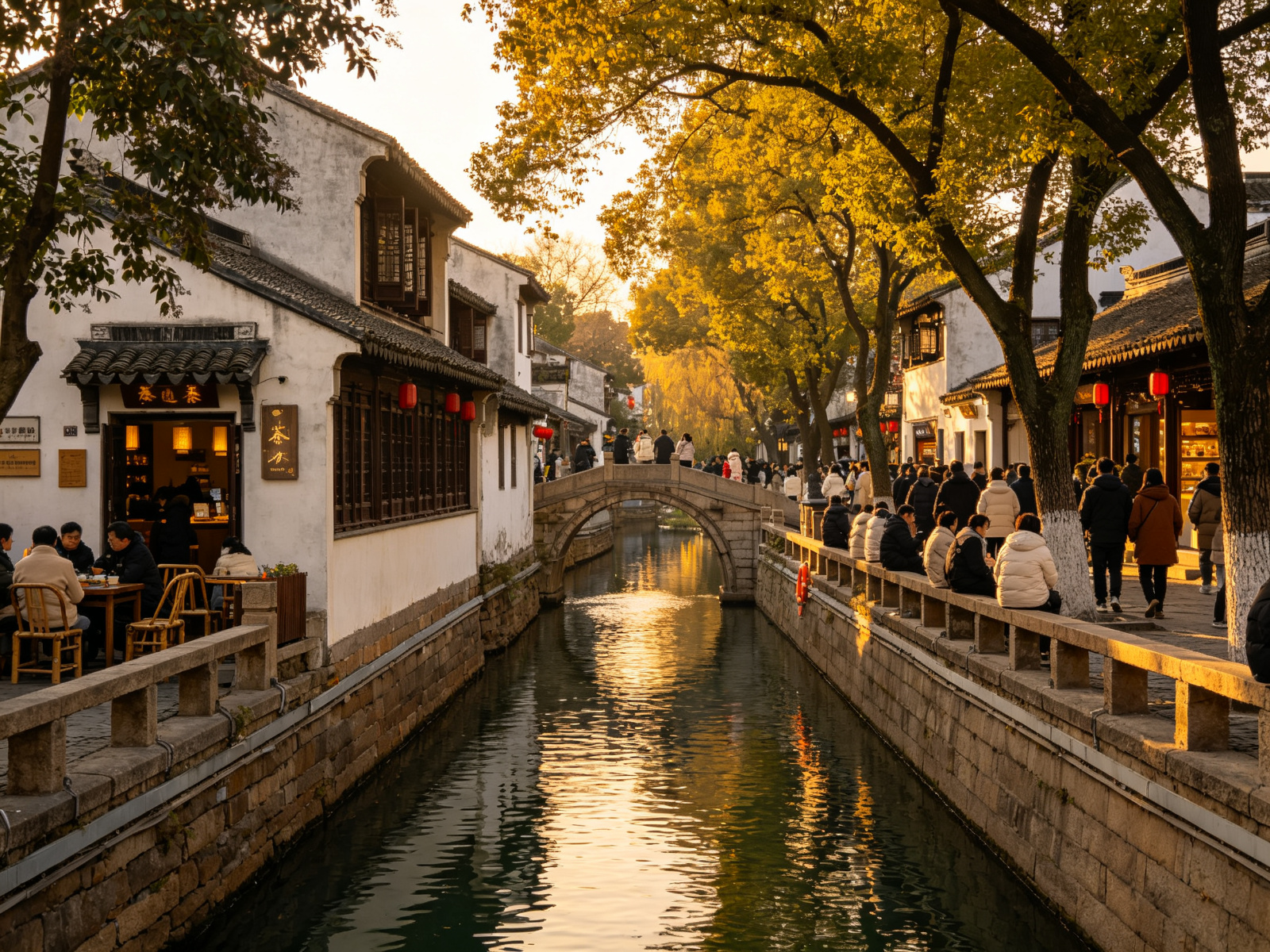 Popular
1,600m historic canal-side street with old houses, bookshops, tea houses, and snacks. The most atmospheric street in…
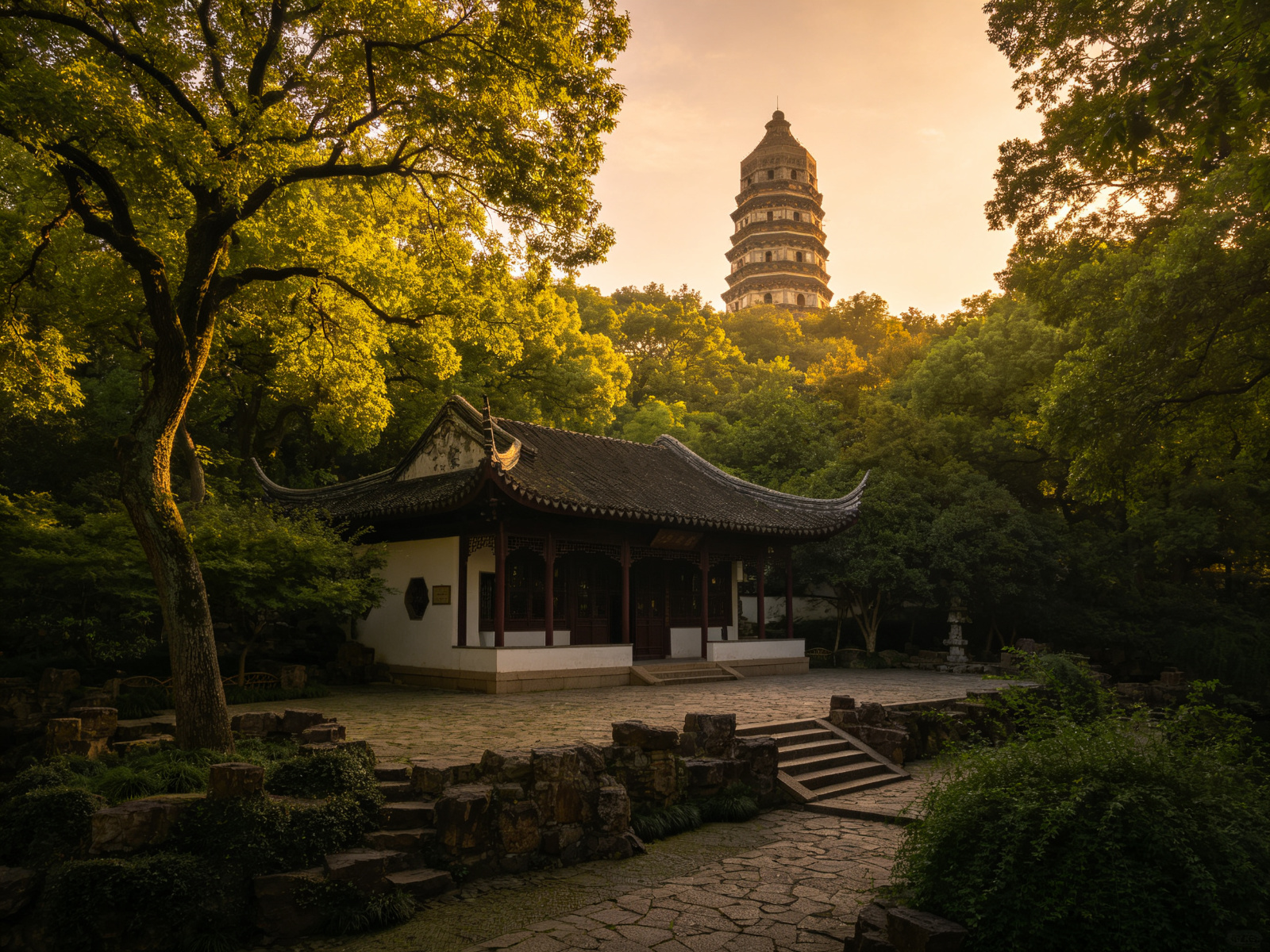 Popular
2,500-year-old hill with the leaning Yunyan Pagoda (7 stories, built 961 AD). Called 'the first sight of Suzhou.'
Executable skeletons: day-by-day anchors you can trim to fit.
1-day
For Shanghai day-trippers; assumes Suzhou Museum slot booked in advance.
Suzhou eating splits into two honest lanes: legacy-restaurant dishes (squirrel fish, slow-braised pork) done at old houses like De Yue Lou and Song He Lou, and the breakfast counter culture—clear-broth Su-style noodles, osmanthus cakes, flaky Su-style mooncakes—eaten standing at neighborhood shops. Skip the 'ancient town snack' stalls priced for tour groups; buy mooncakes from the long-established Chang Fa bakery in autumn, and eat noodles for breakfast, not lunch.
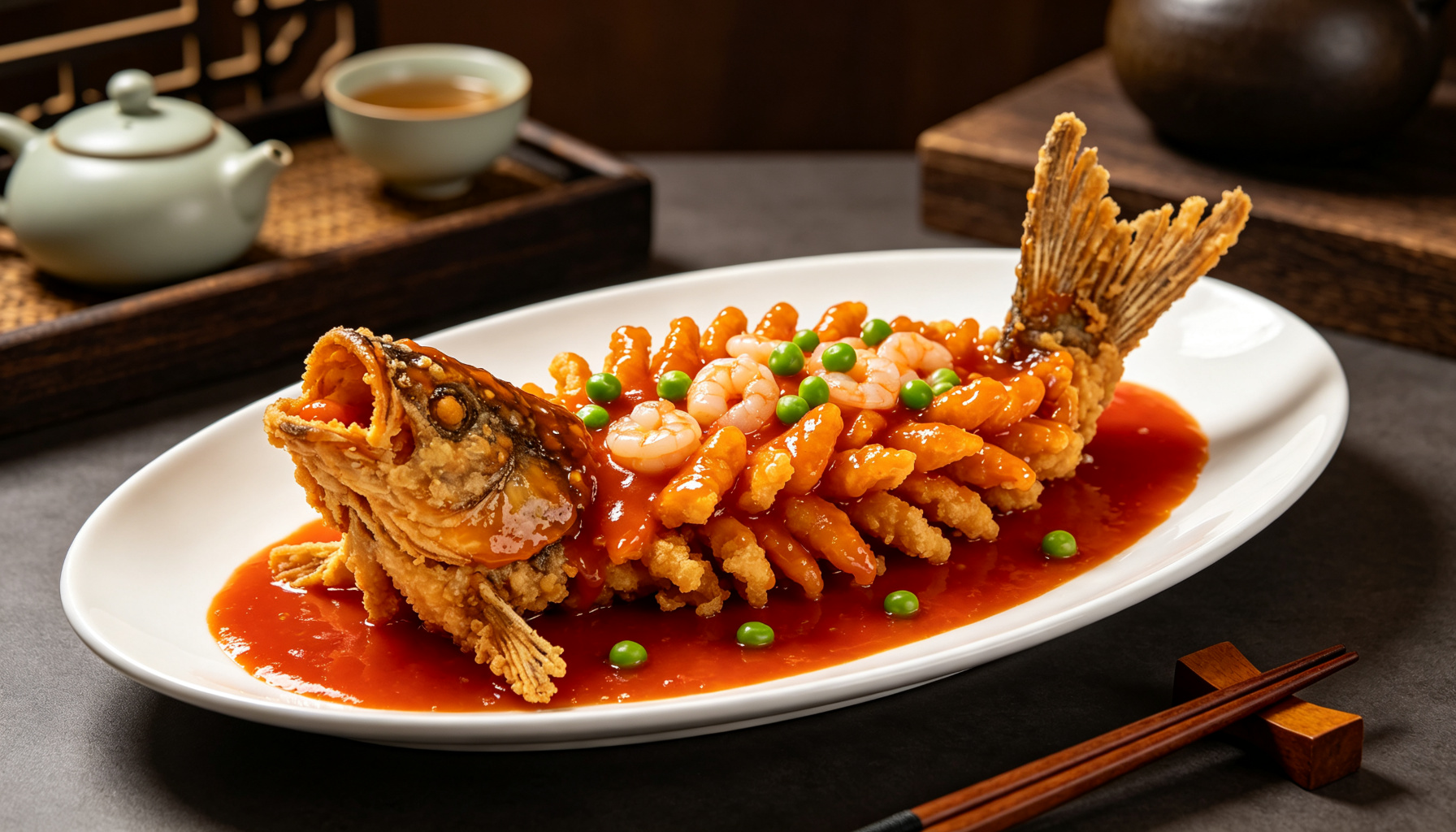 Popular
Deep-fried fish shaped like a squirrel, covered in sweet-sour sauce. Suzhou's most famous dish.
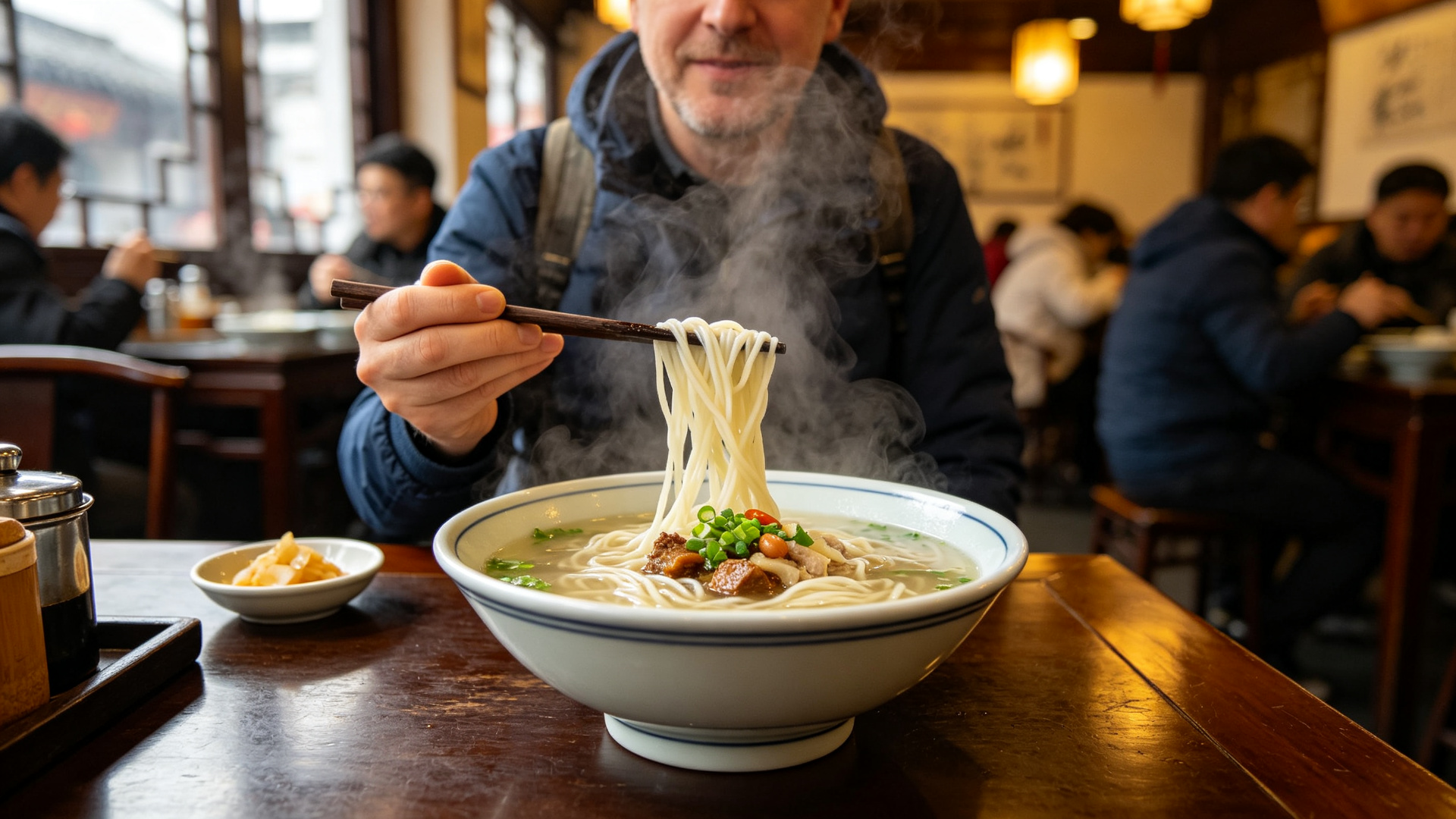 Popular
Clear broth noodles with various toppings (pork, shrimp, eel). Breakfast tradition. The broth is the key.
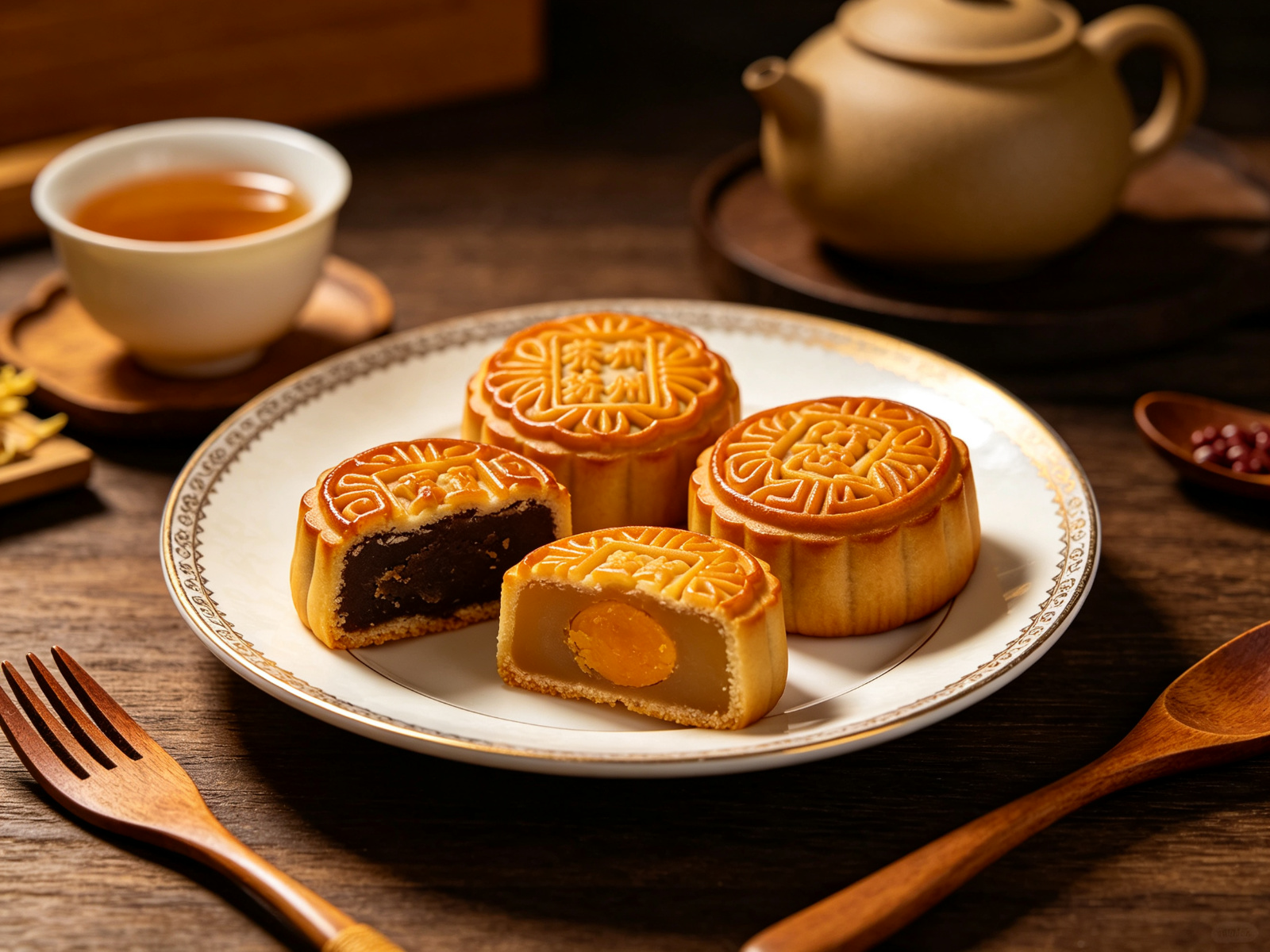 Popular
Flaky pastry mooncakes with sweet or savory fillings. Different from Cantonese style. Best in autumn.
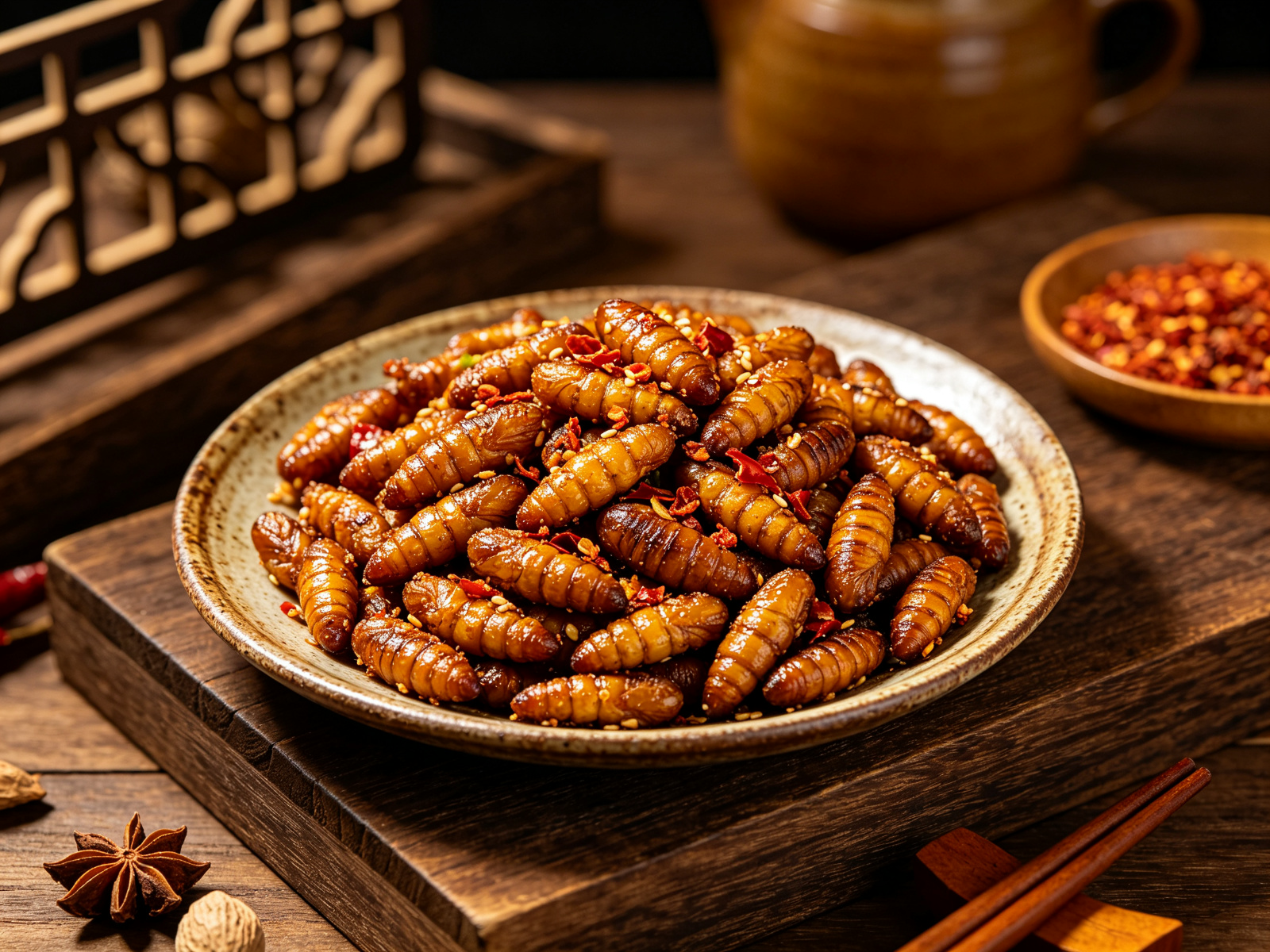 Popular
Crispy fried silkworm pupae, high protein. A Suzhou/Silk Road specialty. Acquired taste.
Best time: March–May, September–November · Humid subtropical — mild
Metro covers main sites. High-speed rail to Shanghai (25min). Didi for gardens. Tongli via Metro Line 4 + shuttle.
Foreign-card Alipay/WeChat Tour Card works on the metro and in chain restaurants; gardens' official ticketing accepts WeChat/Alipay. Keep ¥100-200 cash for small noodle counters and water-town boat tickets paid at the pier.
Suzhou Museum is free but real-name reserved up to 7 days ahead and closes Mondays—book the moment your dates are fixed. Gardens are best at opening (~07:30); weekends and holidays are crowded. Pingjiang Road is quietest before 09:00.
Keep voices low on the waterside terraces; no flash inside pavilions; don't climb rockeries or touch carved lattice windows. At Pingtan teahouses, the performance is for watching—quiet listening, not chatting over the tea.
Jiangsu's plum-rain season hits mid-June to early July with daily downpours; summers are hot and humid (35°C+). Carry an umbrella and book museum slots for rainy mornings. Winters are damp and cold around 0-5°C.
Near garden entrances, ignore people selling 'cheaper fast-track tickets' or 'secret garden tours'—all official tickets are one price via the channels above. In water towns, agree the boat price and route with the rower before pushing off.
Book a local SIM or eSIM on arrival at Shanghai Hongqiao or Pudong; garden booking WeChat mini-programs require a Chinese app account. Use Amap (Gaode) for metro routing—it lists the garden exits accurately.
Metro covers main sites.
High-speed rail to Shanghai (25min).
Metro, stalls, and rides mostly take Alipay or WeChat. Set up Alipay with a foreign card before you land.
Show the Chinese name “苏州” to drivers and staff. It beats a long English explanation.
Book tickets, transfers, and popular tours via partners first — then request deeper local experiences through ChinaPie.
Disclosure: Some links are affiliate links. ChinaPie may earn a commission on eligible bookings at no extra cost to you.
Prices shown are planning references only. Actual rates fluctuate with season, holidays, demand, and partner promotions — the price at checkout on the booking site is authoritative.
Conversion stays soft — clear next steps: plan this city, or request planning help.
Yes for typical tourist areas. Keep phones and bags secure on metro and in crowded night spots; use licensed taxis or Didi.
Depends on your passport. Check ChinaPie Plan & Prep → Visa for 30-day visa-free and 240-hour transit options before booking.
Yes—foreigners can set up Alipay with passport + international card. See /prep/alipay-setup for the step-by-step guide.
Yes—high-speed train takes 25–30 min (¥39–60). Trains run every 5–10 min from Shanghai Hongqiao. You can comfortably see 2 gardens + Pingjiang Road in a day. For water towns, stay overnight.
China offers unilateral visa-free entry to 40+ countries including France, Germany, UK, Japan, South Korea, Singapore, Malaysia, Thailand, Italy, Spain, Netherlands, Switzerland, Sweden, Norway, Denmark, Finland, Belgium, Austria, Ireland, Portugal, Greece, and more. Stay: up to 30 days. IMPORTANT: US passport holders are NOT on the unilateral visa-free list and need a visa. Check latest list at China Immigration official site before travel.
Yes. US passport holders need a visa to enter mainland China. The 10-year multiple-entry tourist visa (L visa) is common: $185 fee, processing 3-5 business days. You can also use the 240-hour transit visa-free if transiting to a third country. Apply at Chinese embassy/consulate or via authorized visa agencies. Many travel blogs incorrectly say US is visa-free — this is false.
Major hotels, international restaurants, and large malls accept Visa/Mastercard. But most small shops, street food, taxis, and local experiences only accept Alipay or WeChat Pay. Link your foreign card to Alipay (Tour Card) for daily use. Carry some cash (¥500-1000) as backup.
China is consistently ranked among the safest countries for tourists. Violent crime against foreigners is extremely rare. Common issues: pickpocketing in crowded areas (train stations, metro), taxi scams at airports, and fake goods at markets. Normal precautions apply: keep valuables secure, use licensed taxis/Didi, don't accept unsolicited tours. Women traveling solo generally feel very safe even at night.
Most first-timers do well with 1–3 days. Start with the 1-day old-city core: garden + museum + canal lane, then expand to 2–3 days if you want slower food and culture. Use Plan this city to turn stops into a workable week.
Foreign cards work more often via Alipay / WeChat Pay tourist modes and some metro apps, but coverage still varies by merchant. Keep a small cash float and set payment apps up before peak sightseeing. See the practical section on this hub for city-specific notes.