Beijing Visual Travel Guide
Illustrated city overview — not a scale map. Use Routes below for day-by-day stops you can open in Planner.
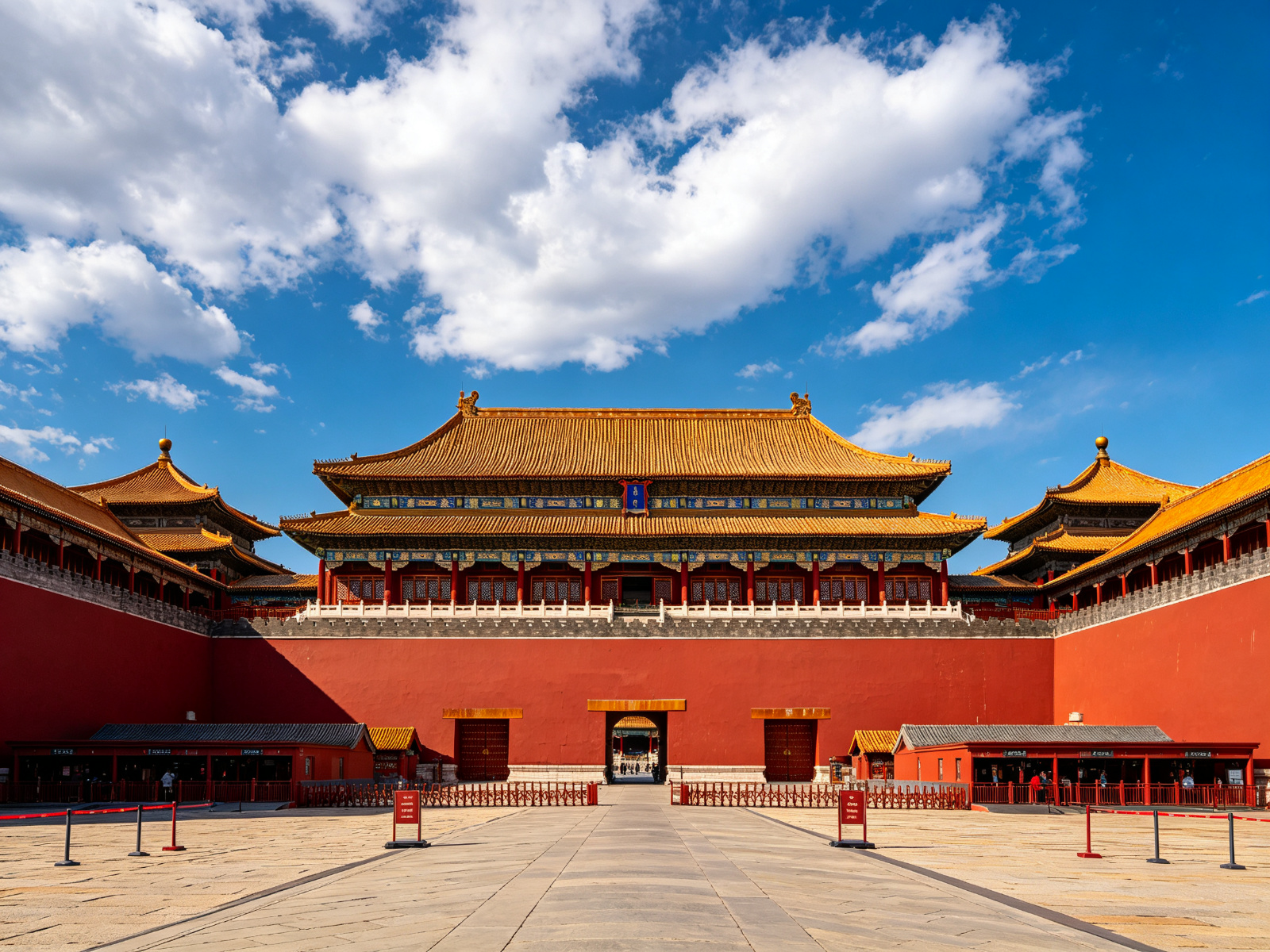
Beijing · 北京
Beijing is two cities walking side by side: a 600-year imperial axis of palaces and altars, and a working modern metropolis of hutongs, metro lines, and street food. Read the capital's top-down ritual order in the morning, then walk its bottom-up daily life at dusk.
City-level visual guides and reviewed photos — infographics are illustrated overviews, not scale maps.
Illustrated city overview — not a scale map. Use Routes below for day-by-day stops you can open in Planner.
Beijing's center is not scattered sights but a planned north-south axis of palaces, gates, and altars. Walk the Forbidden City on a timed ticket, then stand on Jingshan's Wanchun Pavilion to see the symmetry you just walked.
The alley neighborhoods are not a museum set—locals still live, queue for breakfast, and gossip on the same sidewalks. Stay one night near a hutong and eat where neighbors queue, not where tour buses stop.
Beijing is too large to wander well. Lock Forbidden City tickets 7 days ahead, pick one Great Wall section per trip, and group sights by district instead of hopping across ring roads.
The city’s signature line — depth entry, not a checklist.
Beijing's 7.8 km central axis was inscribed as a UNESCO World Heritage site. The signature study line reads the city's ritual geometry in one day: the Forbidden City's symmetrical courtyards in the morning, then the Temple of Heaven's circular altars in the afternoon—heaven worship laid out on the south end of the same system. Rest with a TCM massage after a Great Wall day.
Add to trip to compare and prepare; check partner links for slots and price when shown.
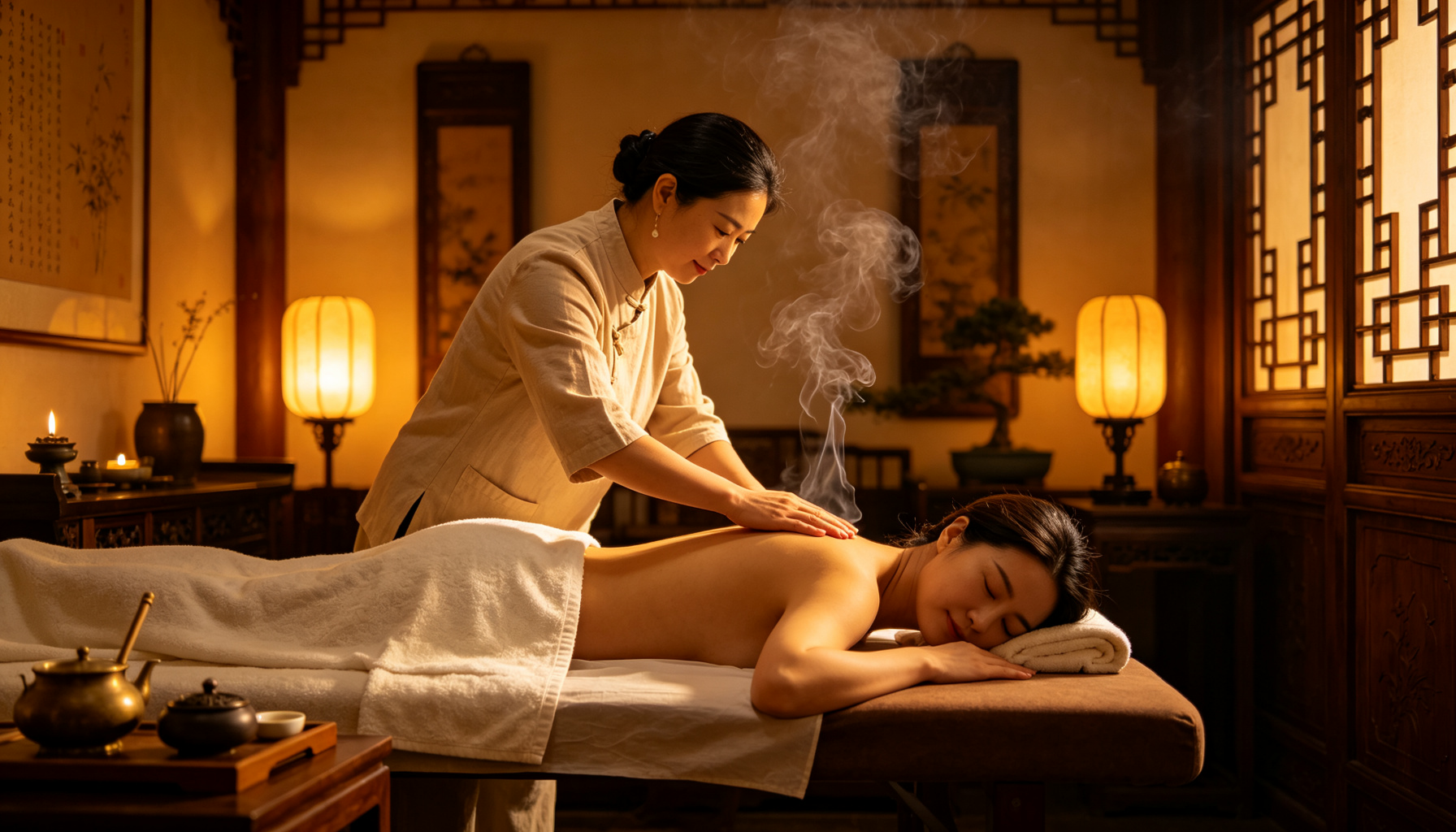 Popular
The TCM massage travelers look up before Beijing. How to say lighter pressure.
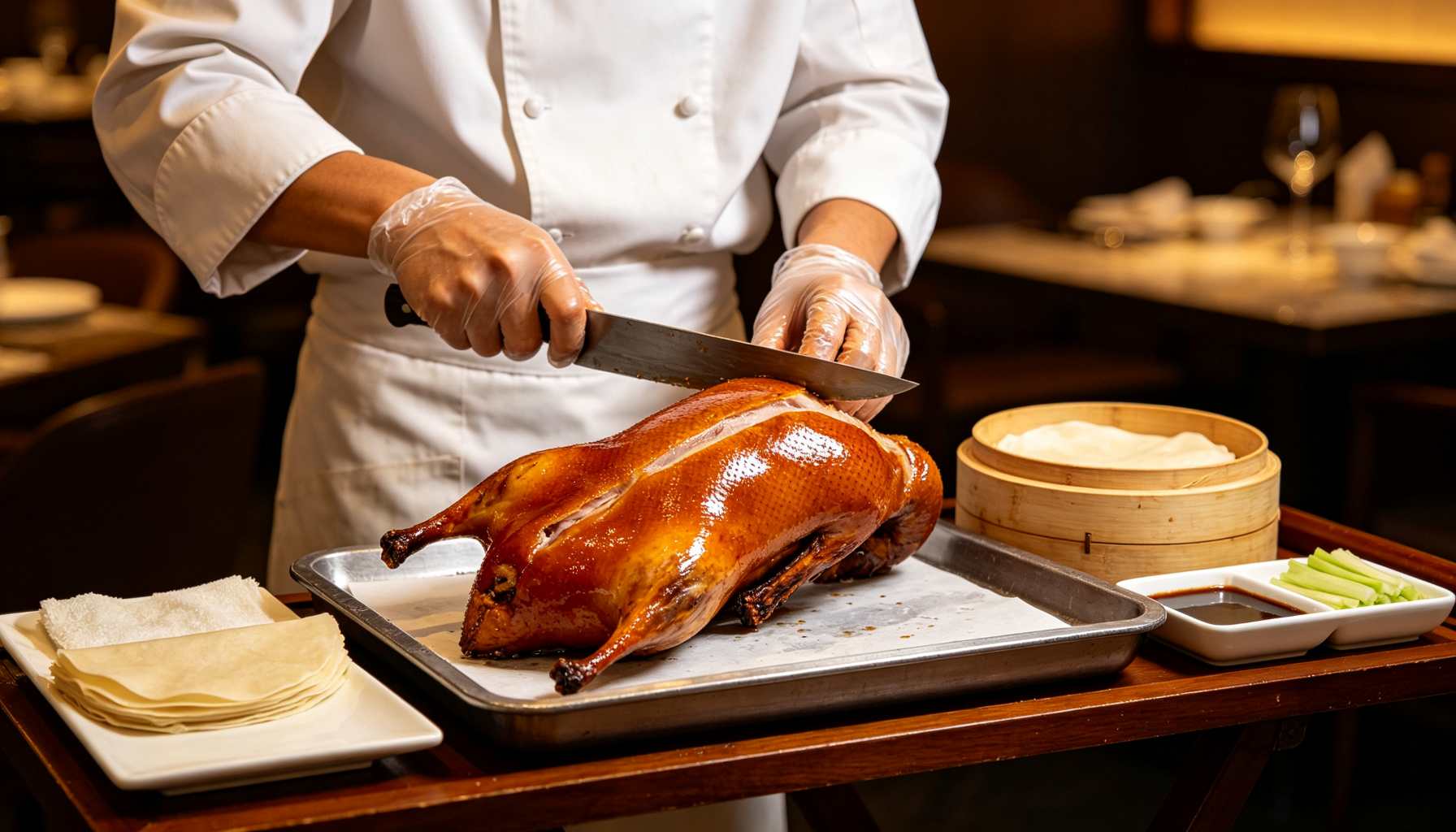 Popular
The Peking duck dinner people mean by Beijing. Where to sit, and how to wrap the skin.
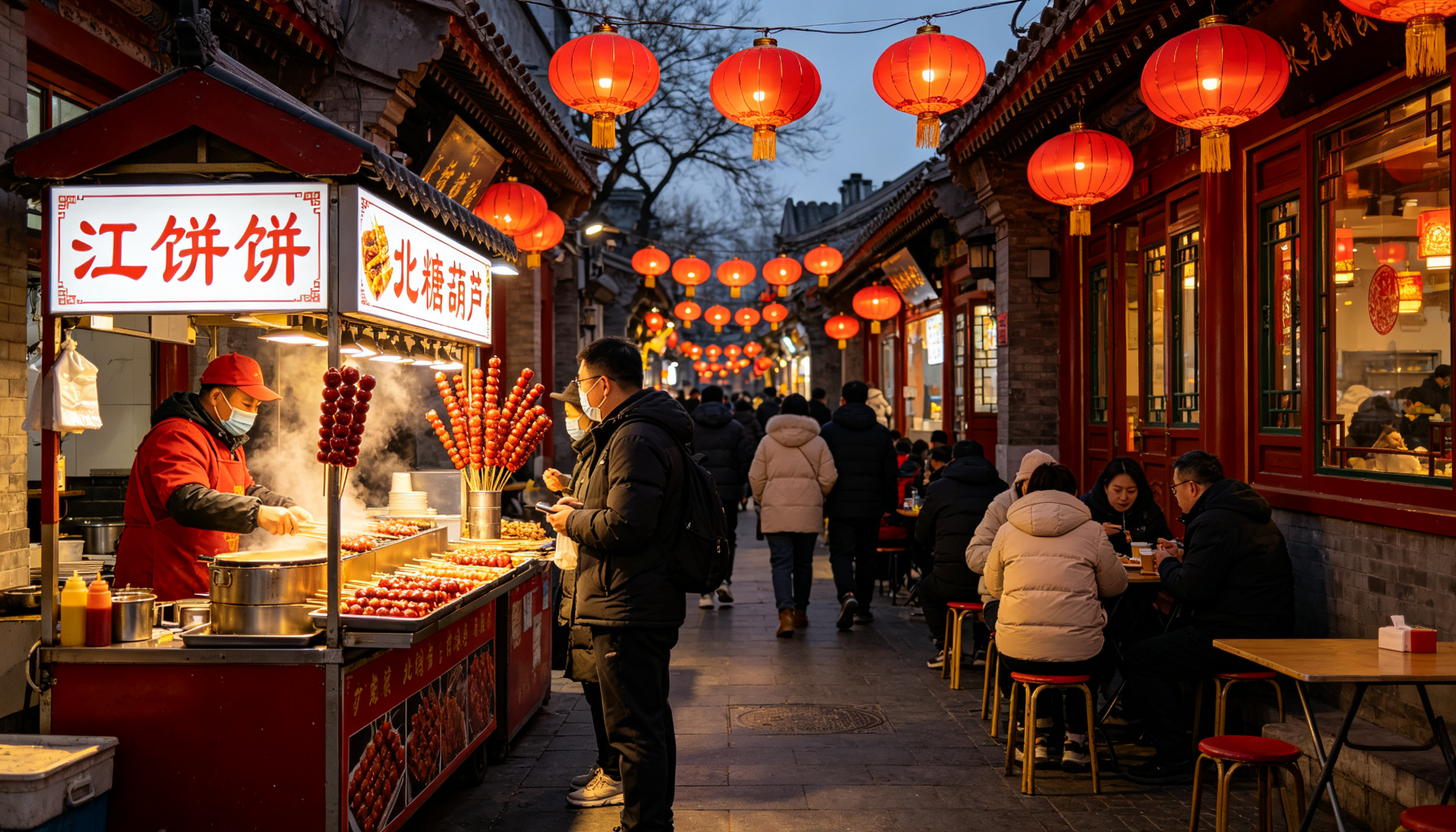 Popular
Old Beijing alleys, courtyard homes, and local snacks off the tourist path.
 Popular
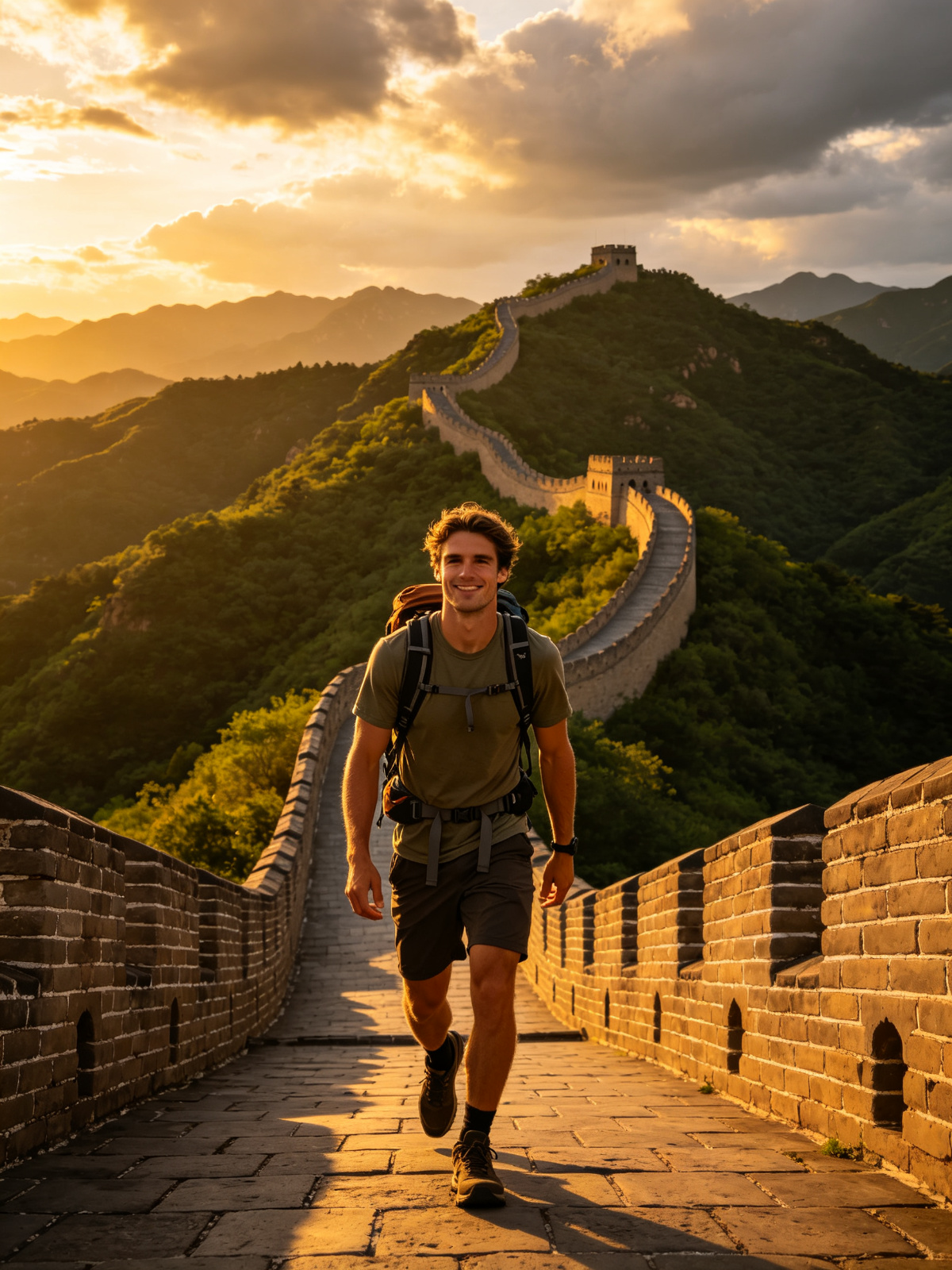
The wall section people actually photograph. Cable car up, toboggan down.
 Popular
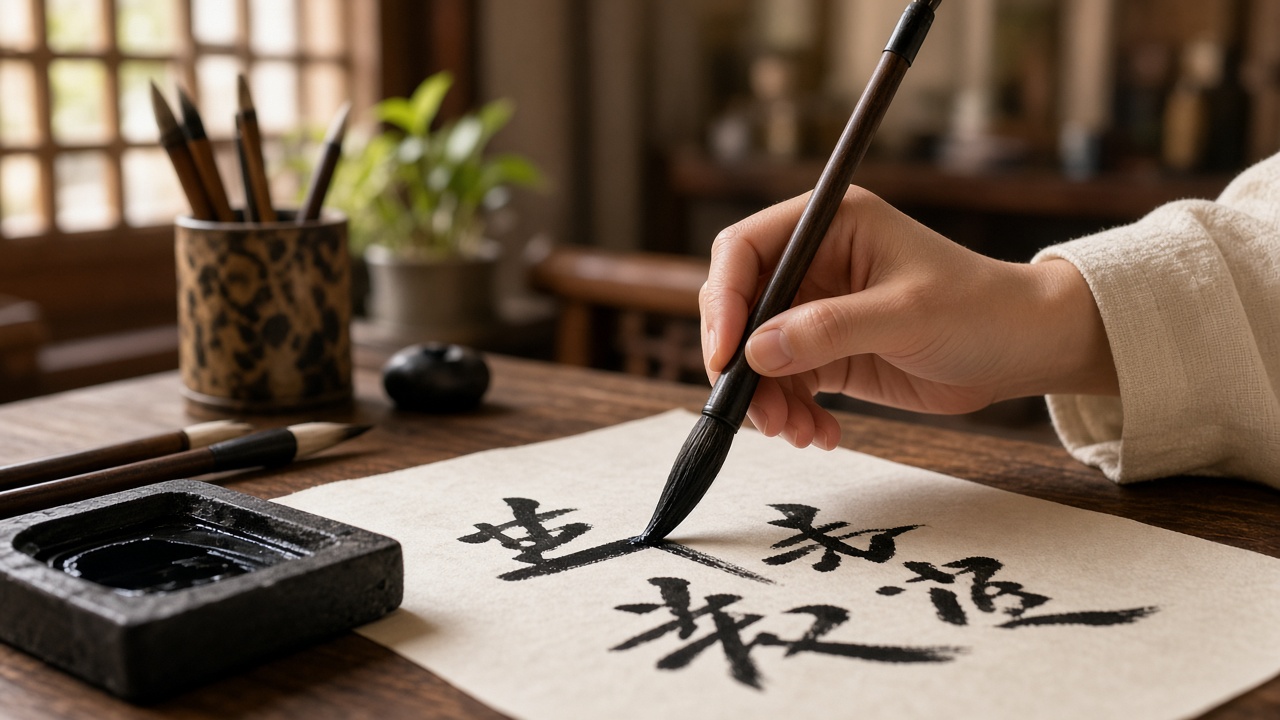
Learn basic strokes, write your name, and take home your artwork.

Trending culture experience in Beijing.
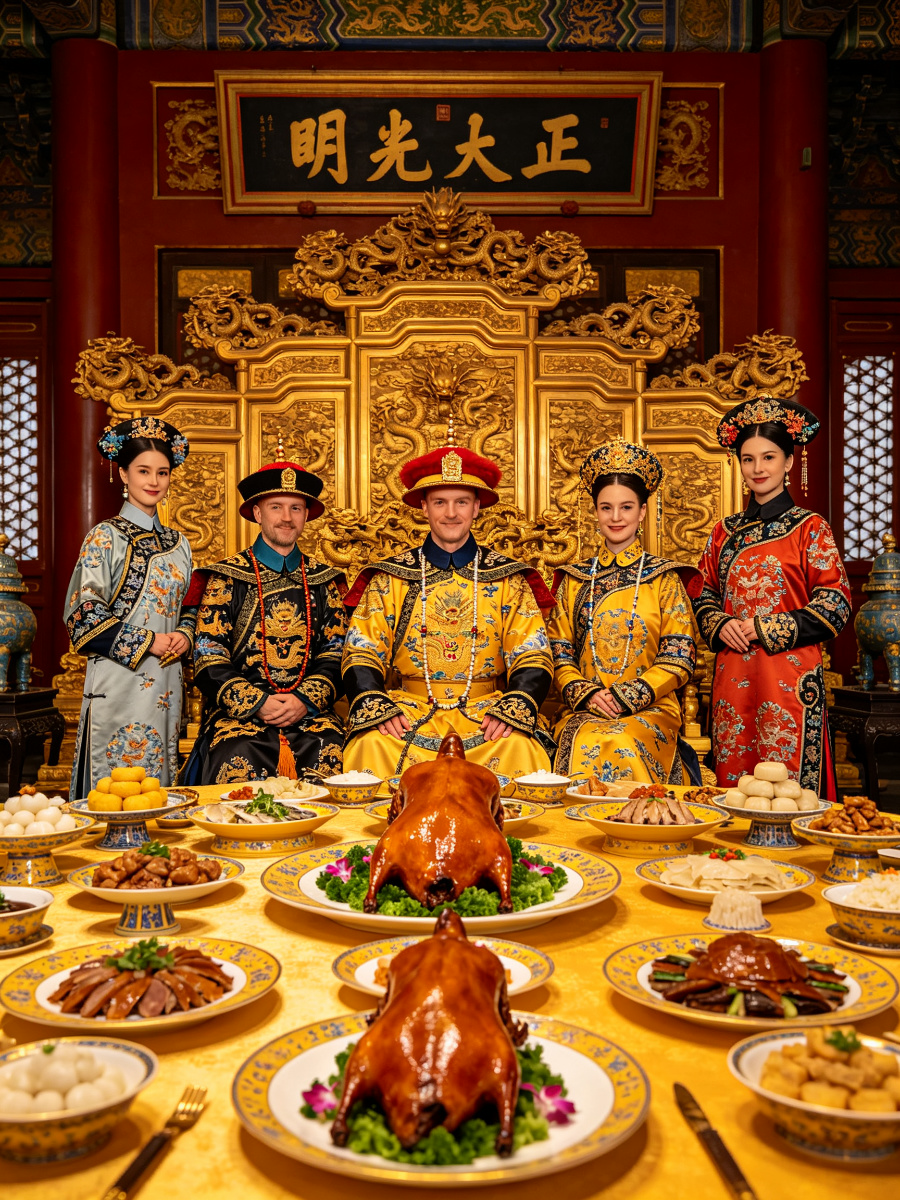
Trending food experience in Beijing.
Beyond ticket notes — read the city’s character first.
Beijing was rebuilt around a 7.8 km north-south axis, inscribed as UNESCO World Heritage in 2024. Observation point: climb Jingshan's Wanchun Pavilion—the view down the axis explains why the Forbidden City was laid out symmetrically.
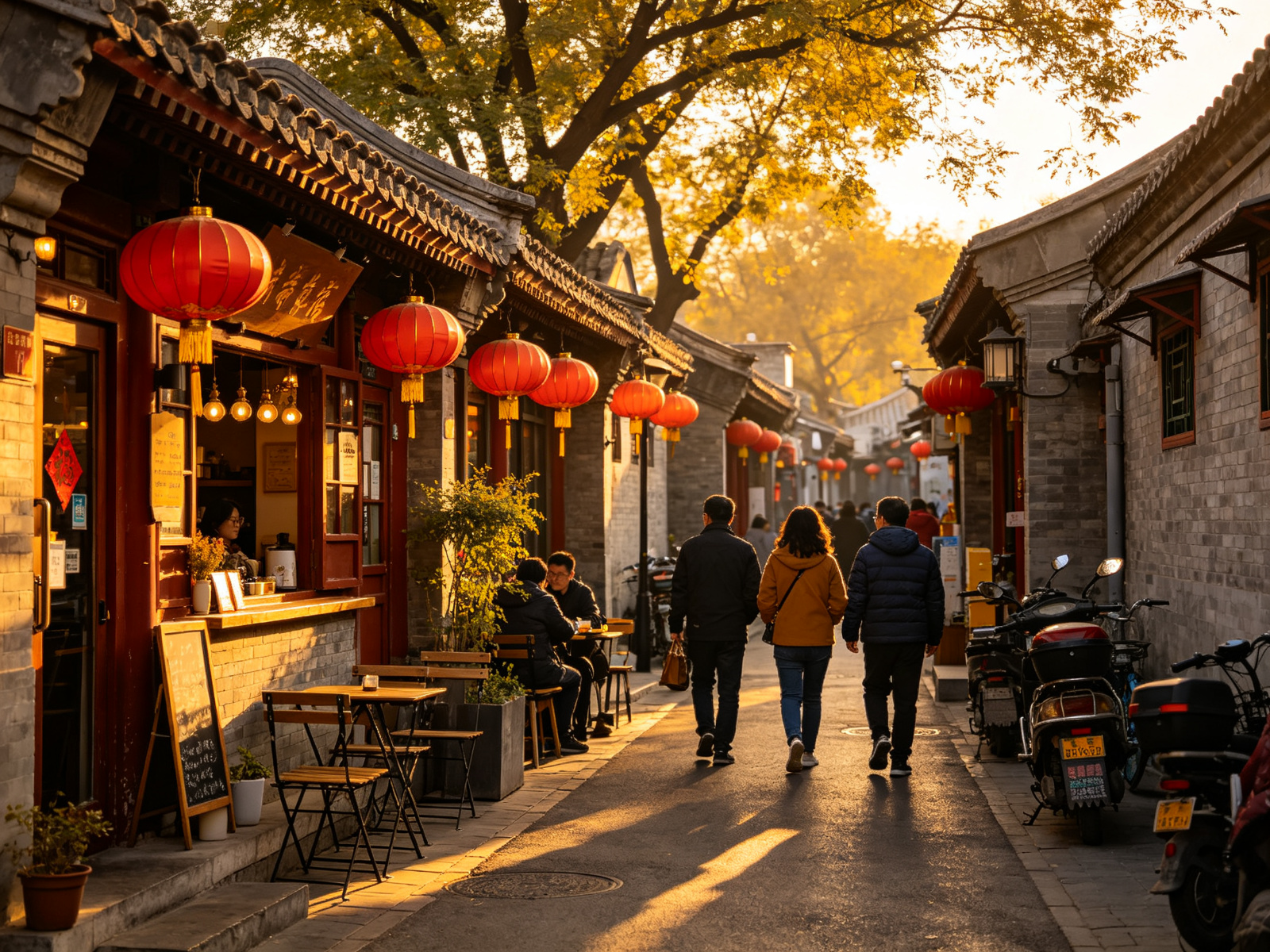
Hutongs are not quaint alleys; they are the grid of courtyard homes that ordered family, generational, and neighbor relations. Walk side alleys like Mao'er or Bada Hutong remnants to see the living pattern, not just the commercial strip.
The Temple of Heaven was where Ming-Qing emperors prayed for harvests; it belongs to a state ritual system, not a Buddhist temple visit. Read it as architecture of state power—circular mounds, colored tiles, sound echoes designed for ritual effect.
Beijing's 2nd–6th ring roads roughly trace layers of the old city walls and suburban expansion. When you ride the metro, notice how Line 2 follows the old inner-city wall—it is the fastest way to sense how big the imperial city really was.
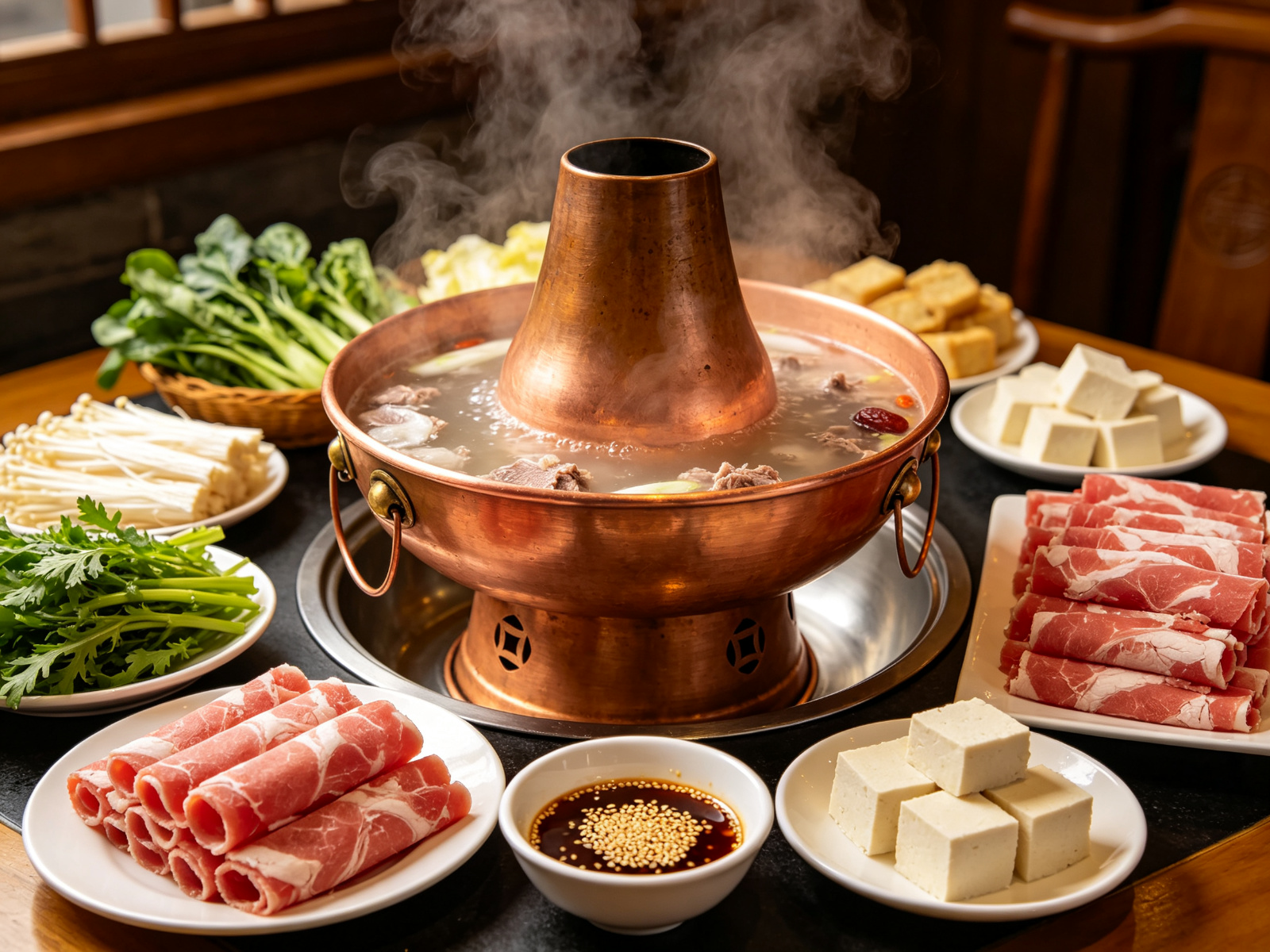
Peking duck and clear-broth shuan yangrou carry Qing-era court and northern nomadic influences into everyday hutong eating. Judgment: order the duck at a legacy roast house, then compare it with street-style zhajiangmian—one court, one courtyard.
Tickets, duration, transport — ready for your trip cart.
PopularThe world's largest palace complex, home to 24 emperors. 9,000+ rooms across 72 hectares. Book timed tickets with pas…
 Popular
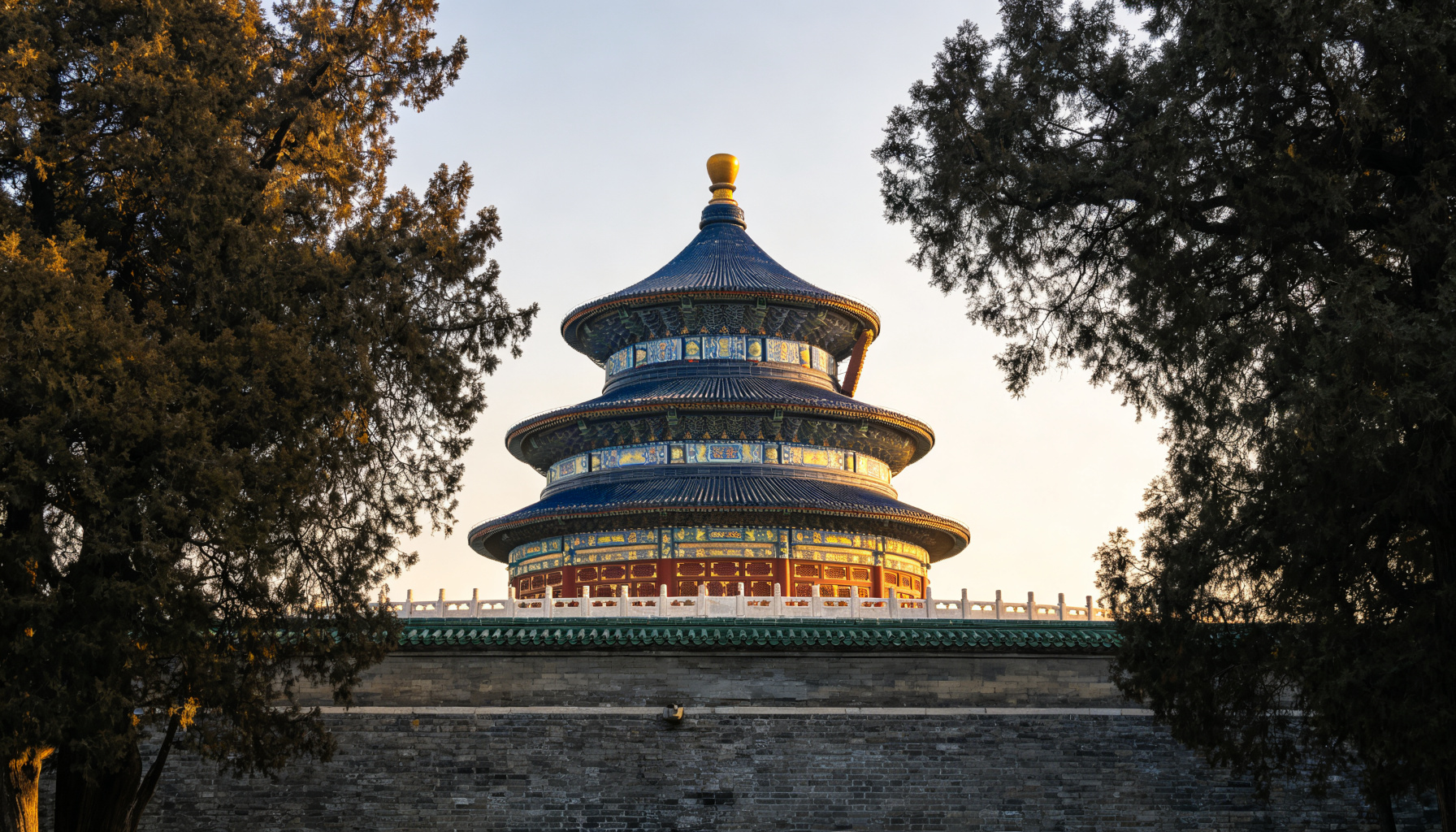
Ming-era imperial altar where emperors prayed for good harvests. The circular Hall of Prayer for Good Harvests is Bei…
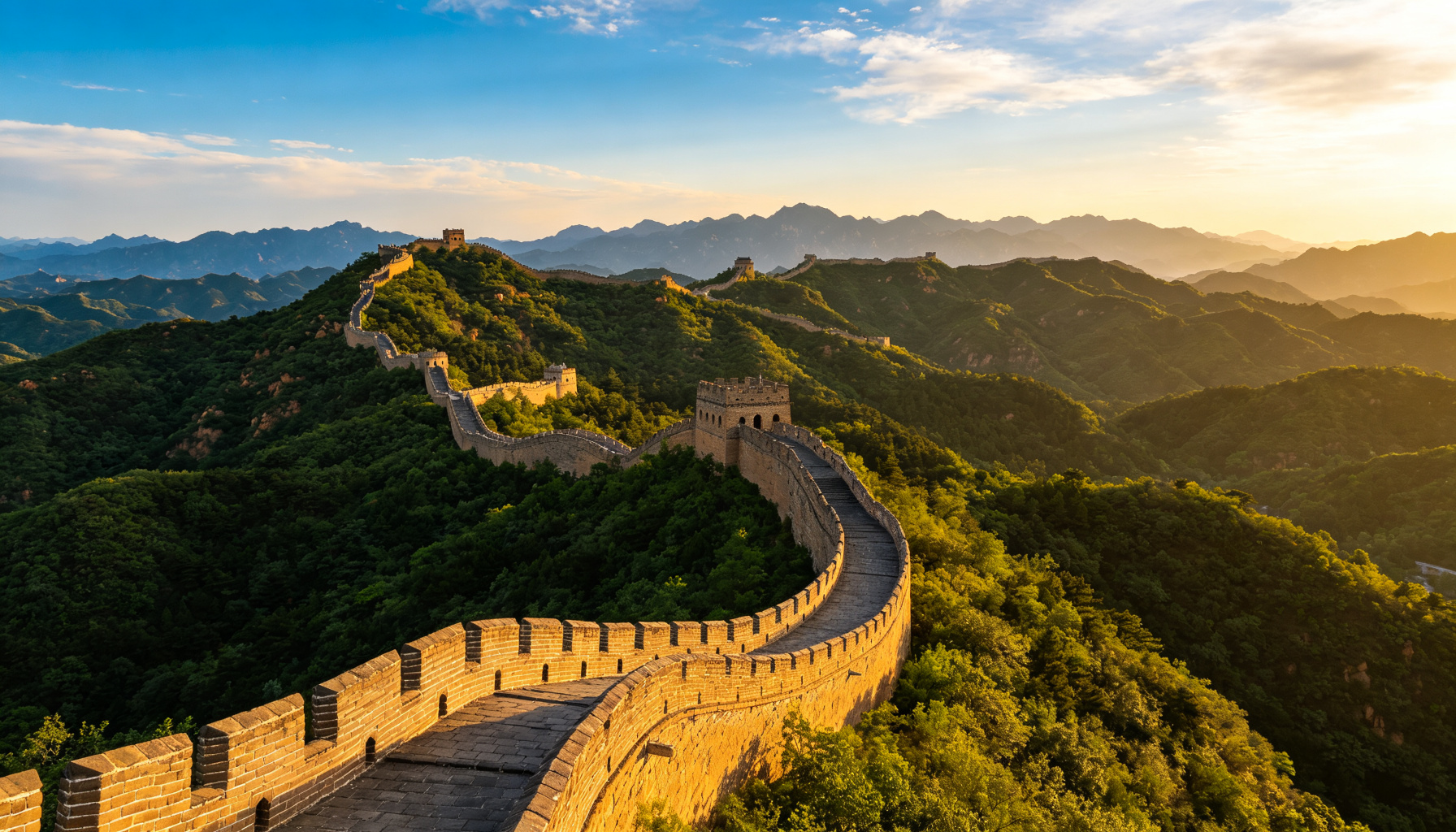
The most foreigner-friendly section of the Great Wall. Restored but less crowded than Badaling. Cable car up, tobogga…
 Popular
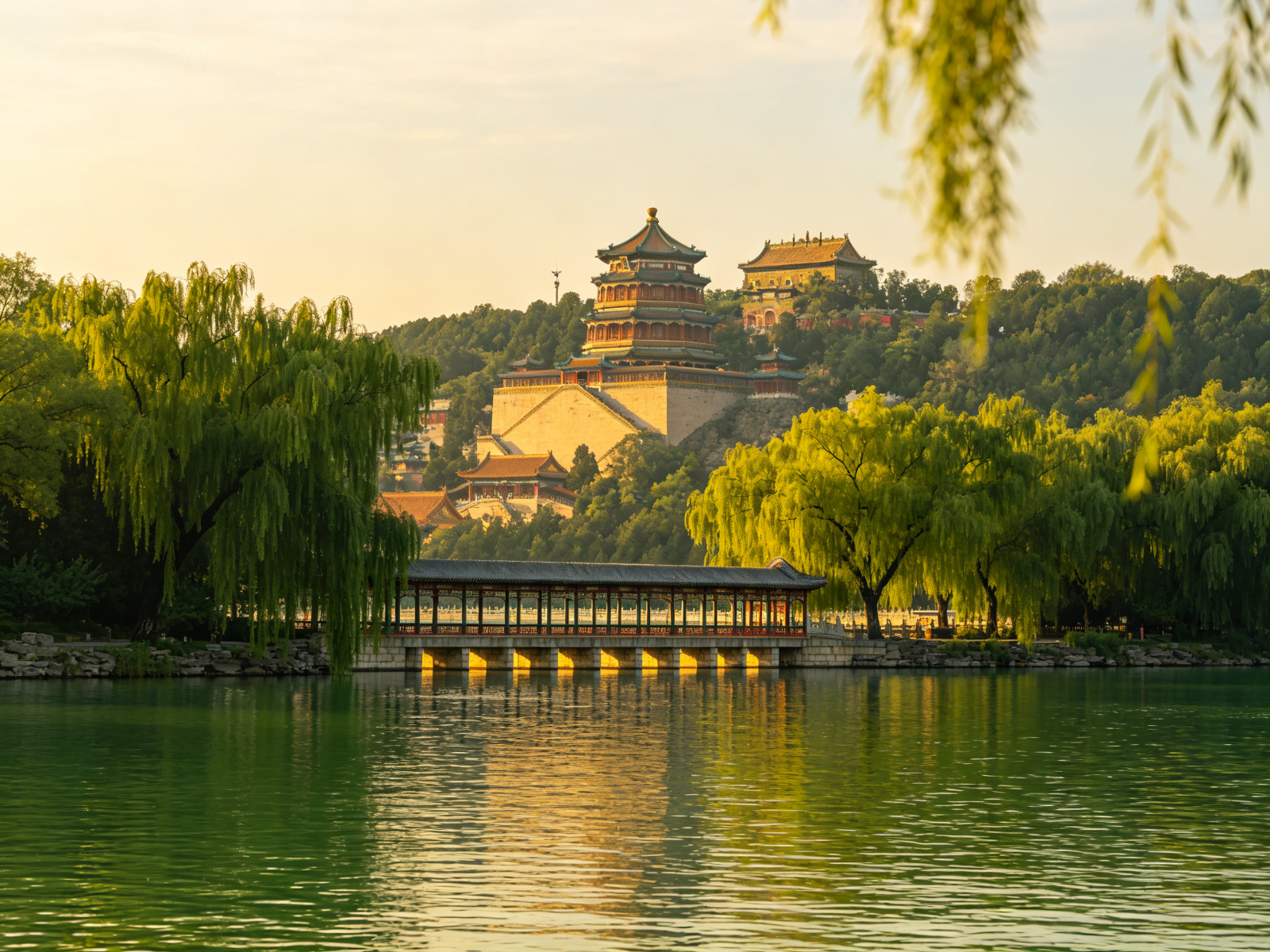
Imperial garden retreat with Kunming Lake, the Long Corridor (728m of painted galleries), and Buddhist temples. A UNE…
 Popular
Well-preserved hutong (alley) district with boutique shops, cafes, and courtyard homes. The best place to experience…
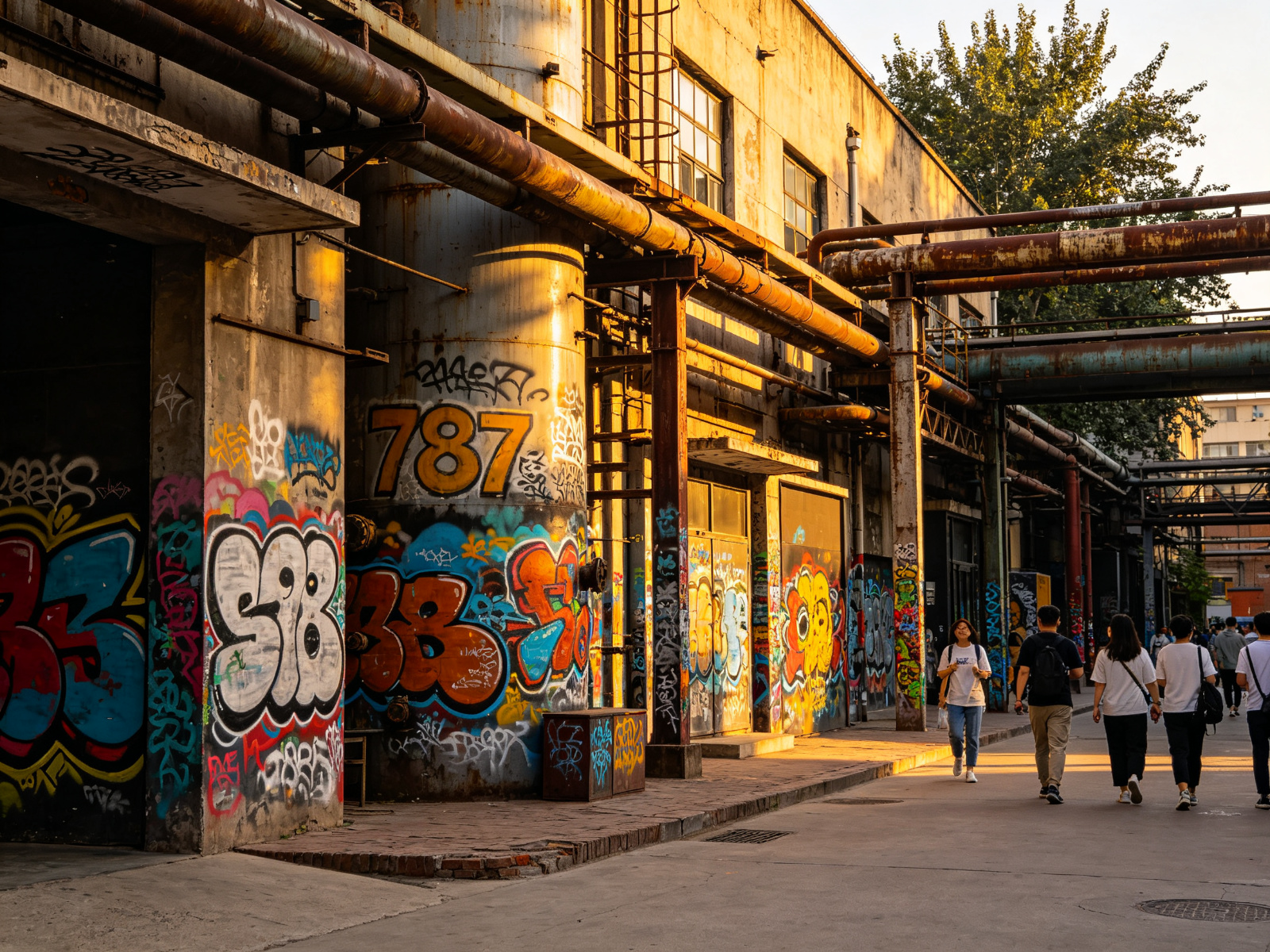
Contemporary art district in converted factory buildings. Galleries, cafes, street art, and design shops. Beijing's c…
Executable skeletons: day-by-day anchors you can trim to fit.
1-day
For short-stay transits; assumes Forbidden City ticket already booked.
Beijing eating is split between two honest lanes: court-heritage dishes (duck, shuan yangrou) done at legacy houses, and courtyard staples (zhajiangmian, douzhi) done in small neighborhood shops. Skip the 'imperial snack' stalls at tourist-gate prices—buy pastries at the real Dao Xiang Cun chain (look for the three-he logo), and eat fermented snacks like douzhi on site rather than packing them.
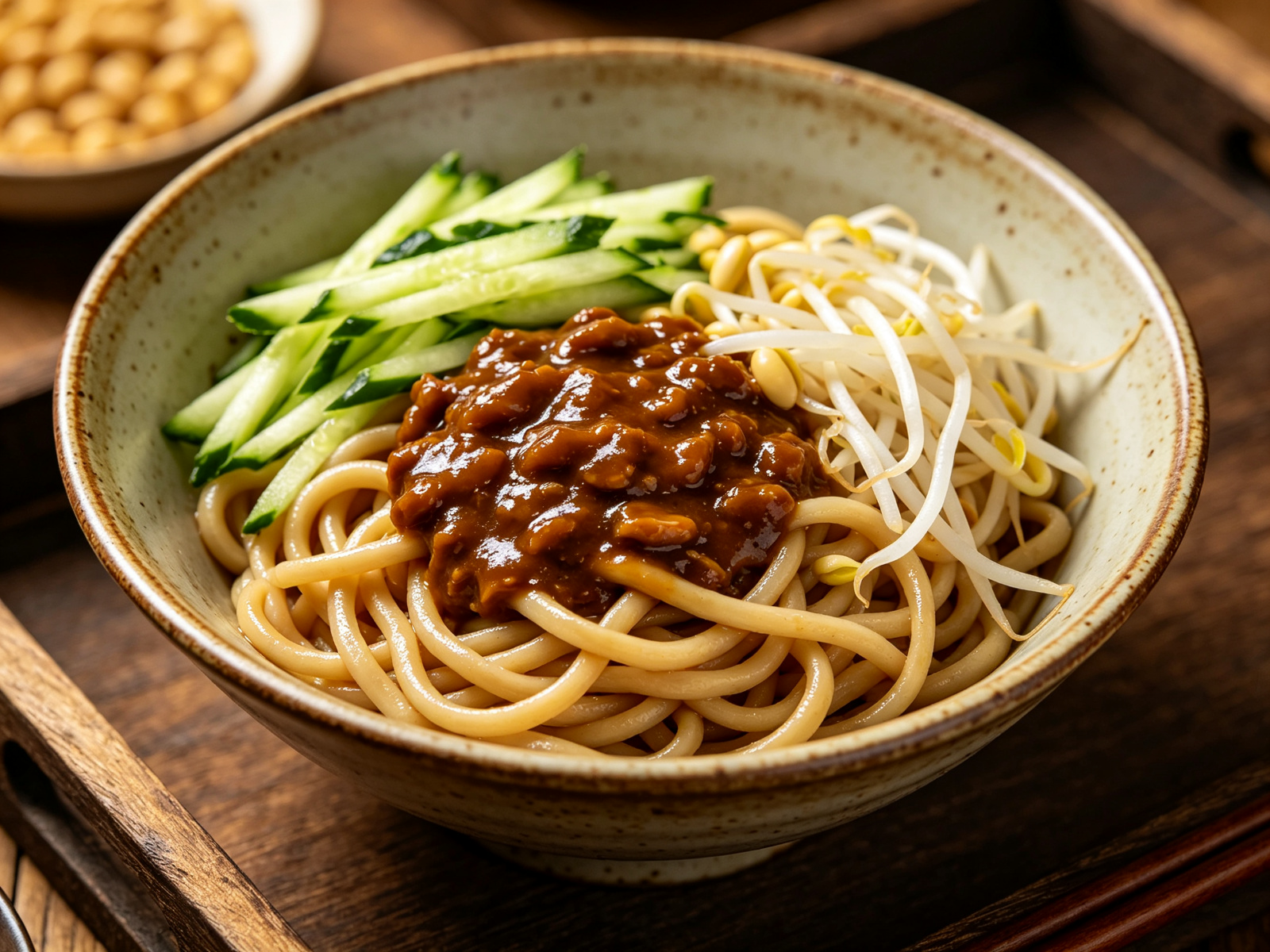
Noodles with thick soybean-paste sauce, cucumber, and bean sprouts. A humble hutong classic.
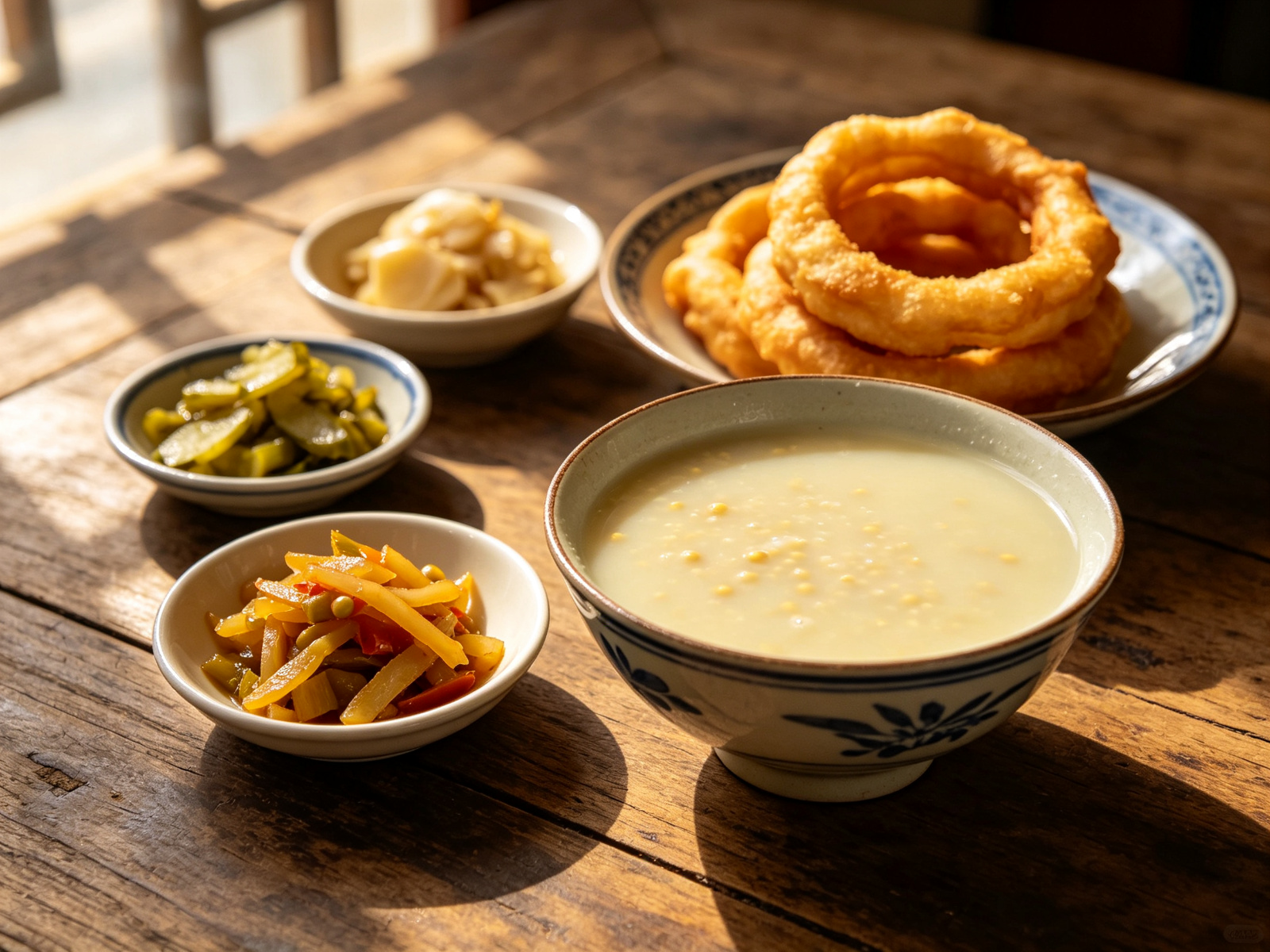
Acquired-taste Beijing breakfast: fermented mung bean drink paired with fried dough rings. Locals love it, foreigners…
 Popular
Beijing-style hotpot with thinly sliced lamb cooked in clear broth. Best in winter with sesame dipping sauce.
 Popular
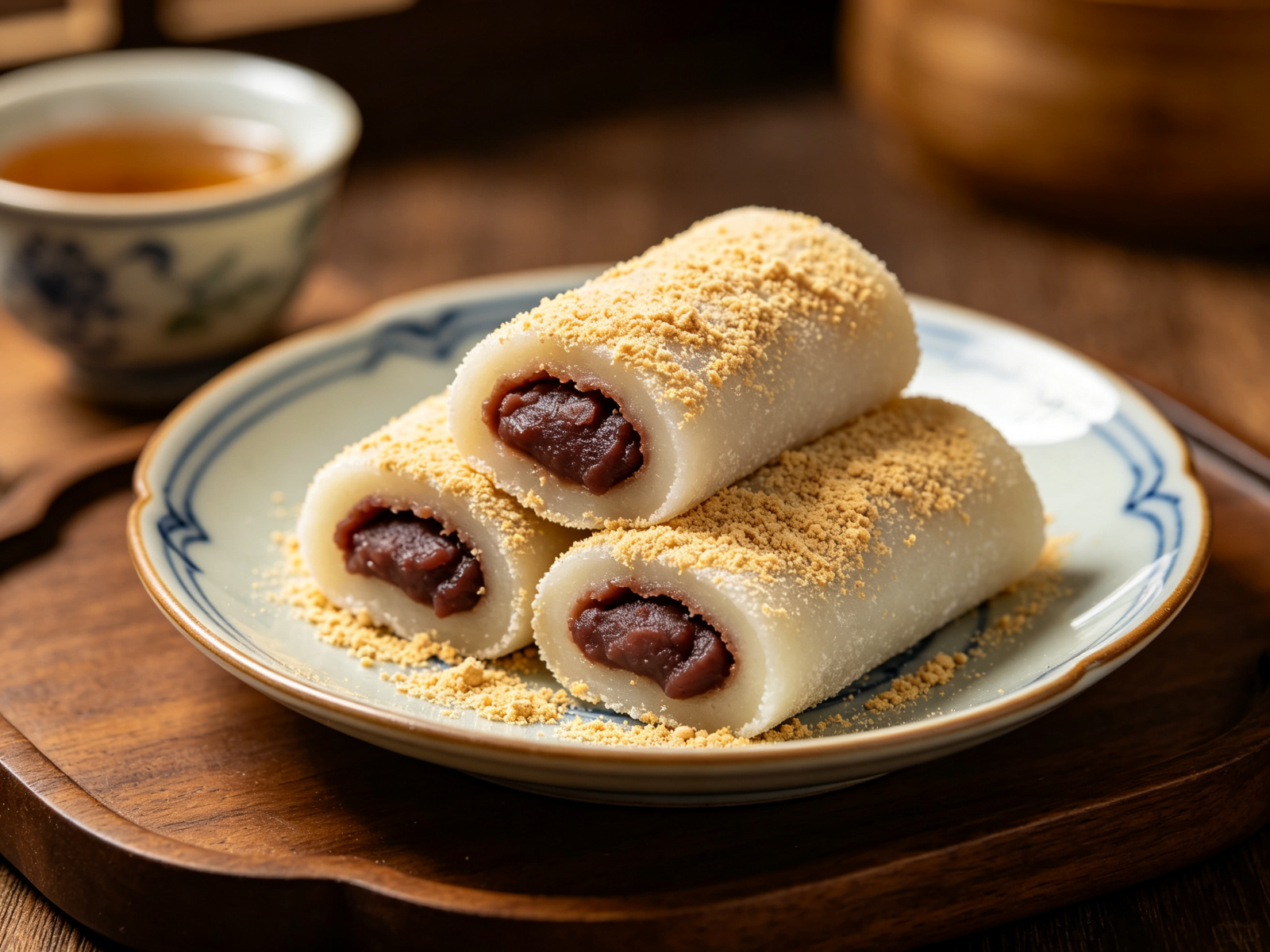
Traditional dessert: glutinous rice roll with red bean paste, coated in soybean flour. Sweet and chewy.
Best time: April–June, September–October · Continental — dry cold winters (-5°C), hot summers (35°C), spring dust possible
Airport Express (PEK/PKX) → Metro. City: Metro (27 lines, English-friendly) + Didi. Avoid rush hour (7:30–9:00, 17:30–19:00). Use Amap for navigation.
Foreign-card Alipay/WeChat Tour Card usually works in metro and chains; keep ¥200–300 cash for small noodle shops and rickshaw talks. Visa/Master are accepted at major hotels and upscale malls, not at hutong stalls.
Forbidden City releases tickets 7 days ahead at 20:00 Beijing time and closes Mondays; book the exact release moment. Great Wall goes on weekdays. Avoid metro rush 07:30–09:00 and 17:30–19:00.
Keep voices low inside halls and altars; no flash photography; queue at ticket gates. Ask before photographing locals, especially in hutong courtyards. Temple of Heaven tai-chi mornings are for watching, not joining without invitation.
Carry your passport everywhere—Forbidden City, Great Wall, and hotels all check it. On the Great Wall carry water and snacks; wear real sneakers; weather on the wall is colder and windier than the city.
Ignore 'free art academy exhibitions' and 'friendly student' pitches near Wangfujing/Qianmen; use Didi for cars, not street black cars. Book Great Wall via official channels or licensed day tours—Badaling touts overcharge.
Get a local SIM or portable Wi-Fi at the airport; major messaging and search apps need workarounds. Use Amap (Gaode) for metro navigation—it handles English station names better than alternatives.
Airport Express (PEK/PKX) → Metro.
City: Metro (27 lines, English-friendly) + Didi.
Metro, stalls, and rides mostly take Alipay or WeChat. Set up Alipay with a foreign card before you land.
Show the Chinese name “北京” to drivers and staff. It beats a long English explanation.
Book tickets, transfers, and popular tours via partners first — then request deeper local experiences through ChinaPie.
Disclosure: Some links are affiliate links. ChinaPie may earn a commission on eligible bookings at no extra cost to you.
Prices shown are planning references only. Actual rates fluctuate with season, holidays, demand, and partner promotions — the price at checkout on the booking site is authoritative.
Conversion stays soft — clear next steps: plan this city, or request planning help.
Yes for typical tourist areas. Keep phones and bags secure on metro and in crowded night spots; use licensed taxis or Didi.
Depends on your passport. Check ChinaPie Plan & Prep → Visa for 30-day visa-free and 240-hour transit options before booking.
Yes—foreigners can set up Alipay with passport + international card. See /prep/alipay-setup for the step-by-step guide.
Book exactly 7 days in advance at 20:00 Beijing time on the official WeChat mini-program (故宫博物院). Tickets sell out fast, especially weekends and holidays. Passport required for entry.
Mutianyu is best for first-timers: restored, less crowded than Badaling, has cable car and toboggan. Badaling is closest but very crowded. Jiankou is wild/unrestored (for experienced hikers only).
Yes — mandatory. Forbidden City sells out days in advance. Book via official WeChat mini-program or Trip.com 7 days ahead. ¥60 (peak season Apr-Oct), ¥40 (off-peak Nov-Mar). Closed every Monday. ID/passport required for entry. Same-day tickets are almost never available. Treasures Gallery and Clock Gallery need separate ¥10 tickets.
Most first-timers do well with 1–3 days. Start with the 1-day imperial core: axis + altar, then expand to 2–3 days if you want slower food and culture. Use Plan this city to turn stops into a workable week.
Foreign cards work more often via Alipay / WeChat Pay tourist modes and some metro apps, but coverage still varies by merchant. Keep a small cash float and set payment apps up before peak sightseeing. See the practical section on this hub for city-specific notes.
Often yes for 1–2 focused days if your passport qualifies — but rules change by nationality and port. Confirm official entry rules before you fly, then use the airport–metro notes in Practical.