Zhengzhou (Shaolin) Visual Travel Guide
Illustrated city overview — not a scale map. Use Routes below for day-by-day stops you can open in Planner.
Zhengzhou (Shaolin) · 郑州(少林)
Zhengzhou is where the cradle of Chinese civilization meets a modern railway hub: 3,600-year-old Shang city ruins under the metro, the silt-yellow Yellow River at its floodplain turn, and the launchpad for Shaolin Temple 80 km southwest in Dengfeng.
City-level visual guides and reviewed photos — infographics are illustrated overviews, not scale maps.
Illustrated city overview — not a scale map. Use Routes below for day-by-day stops you can open in Planner.
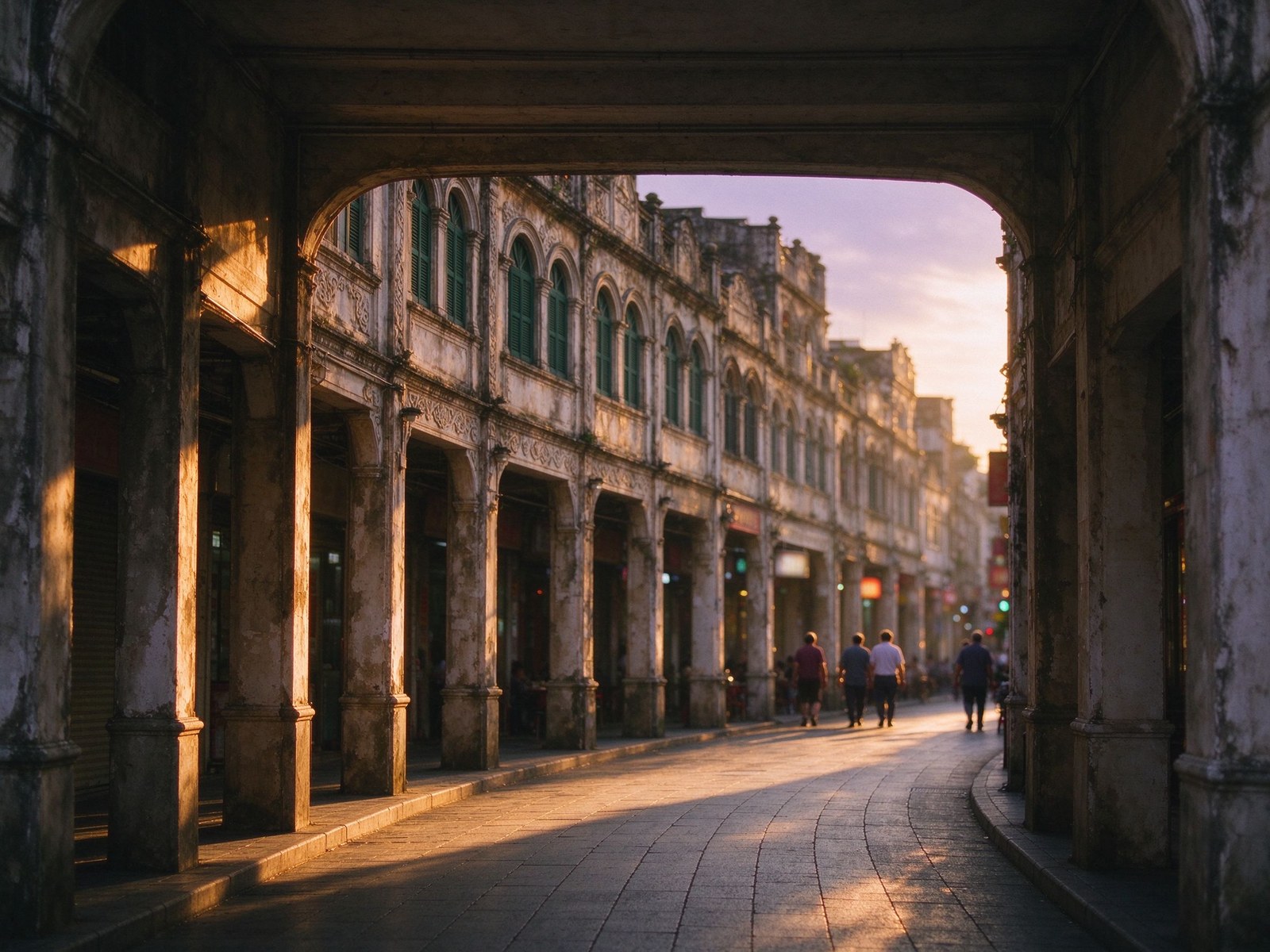
Zhengzhou is one of the oldest walled cities in China — Erligang-period Shang remains sit right in the city center. Walk the Shang city ruin park near Zijingshan rather than treating Zhengzhou as just a transit hub; the underground layers are the real attraction.
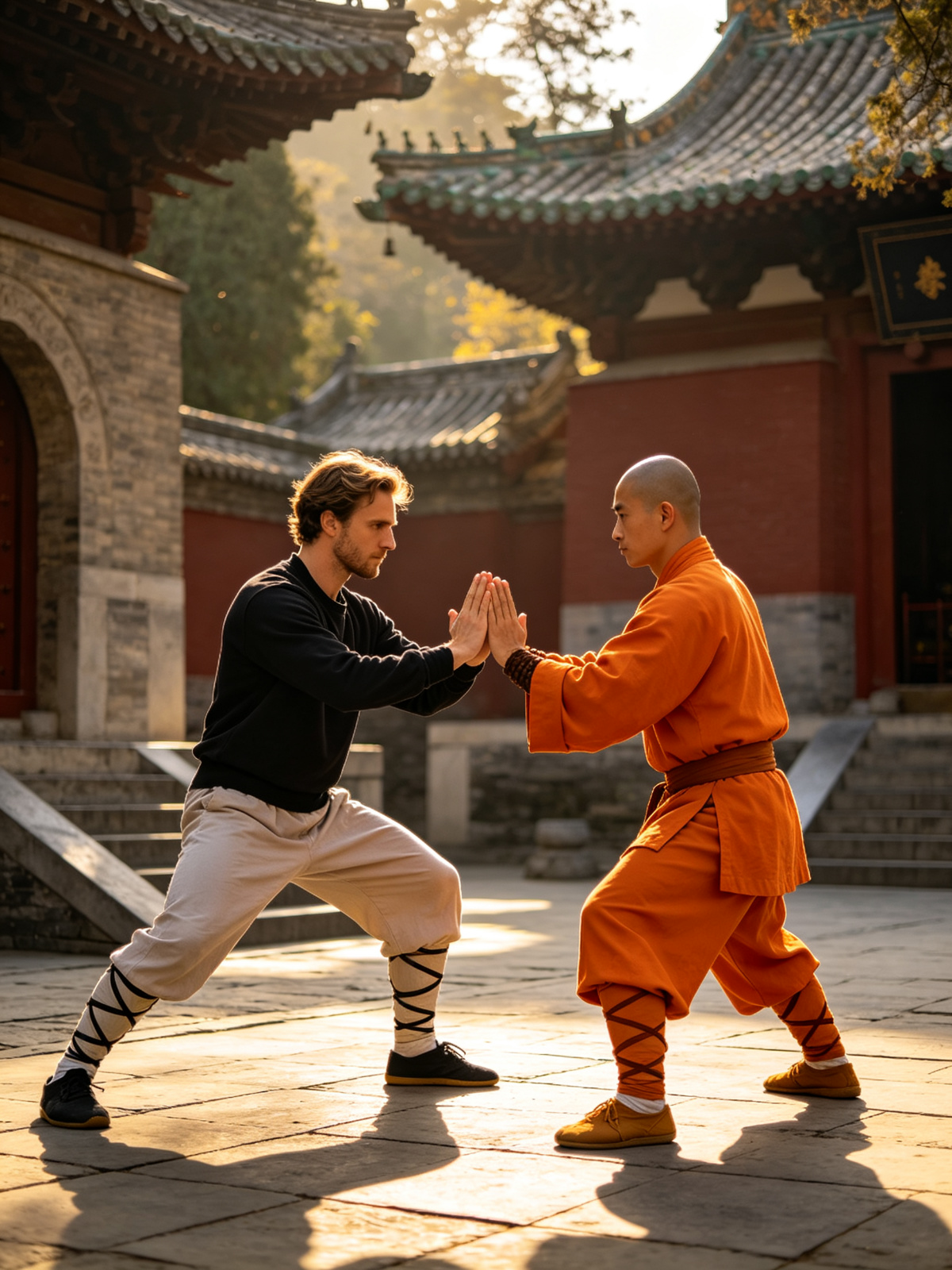
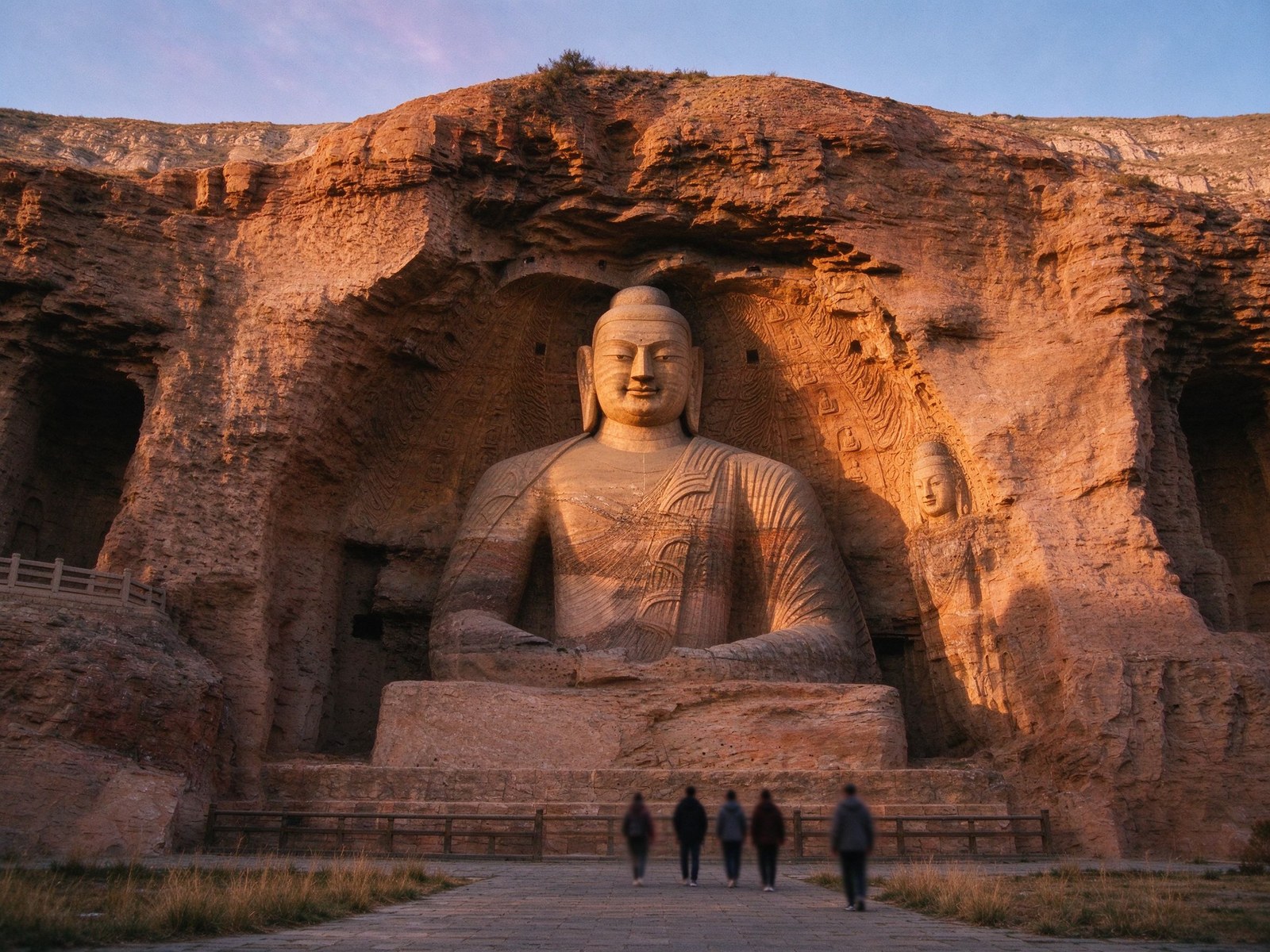
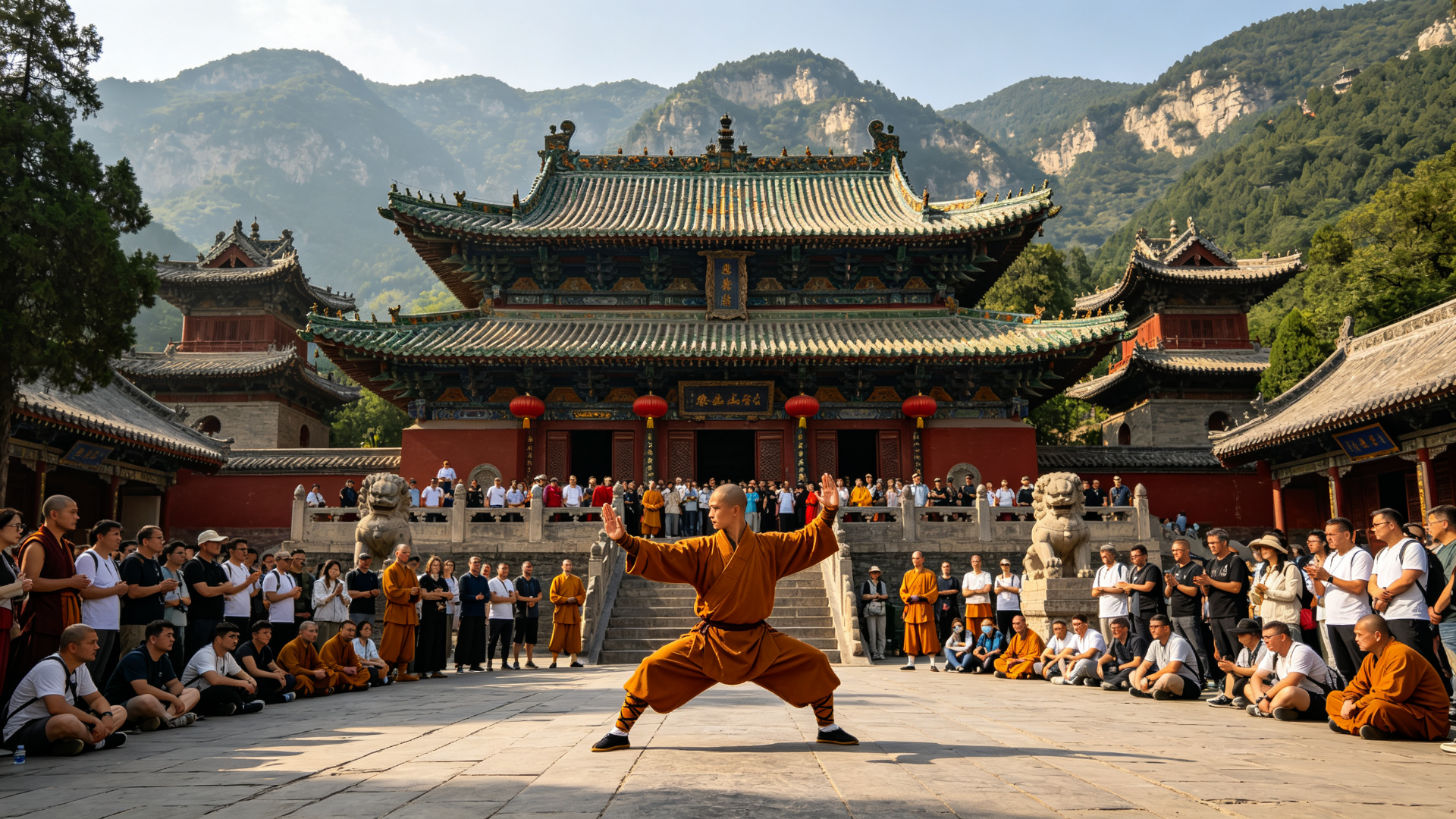
The temple is 80 km southwest on Mount Song; allow a full day and go with official transport. The commercialized gate street is noise — keep your time for the Pagoda Forest and the UNESCO 'Centre of Heaven and Earth' monuments, which are the inscribed layer.
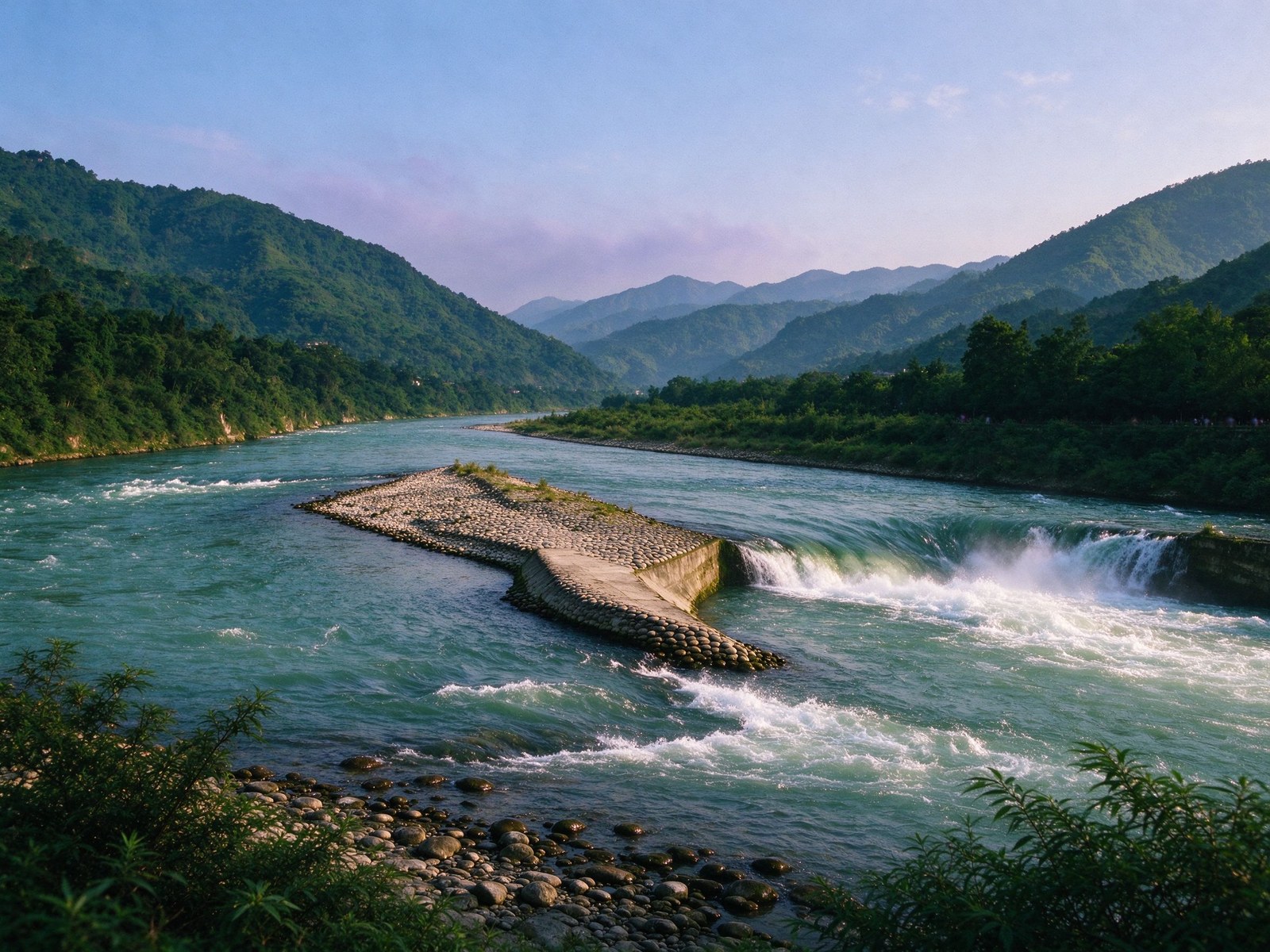
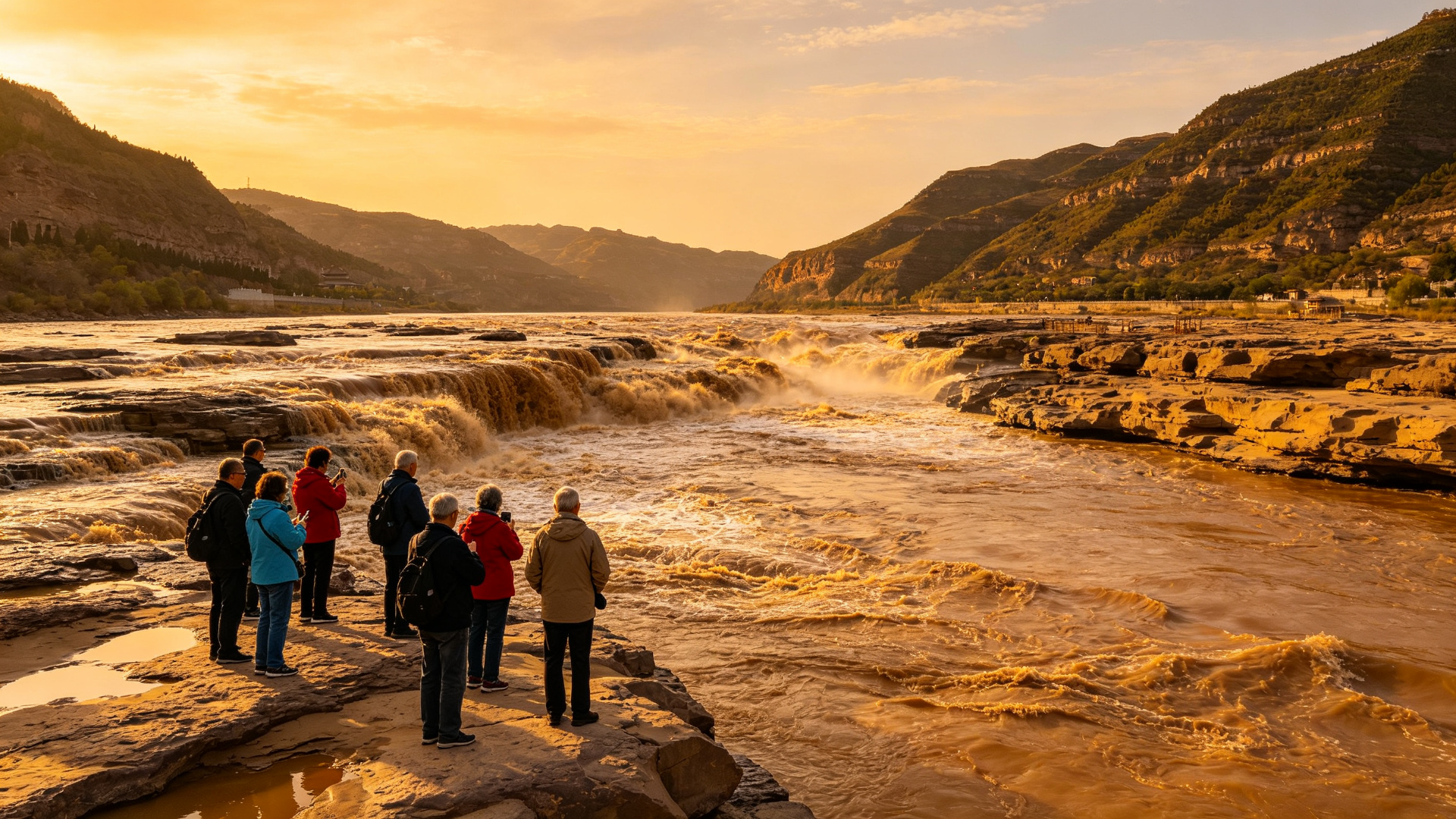
At Zhengzhou the river leaves the gorge and hits the flat floodplain; the silt load makes it visibly yellow-brown. The cultural park north of town is the viewpoint for 'mother river' civilization — come for the scale and the Yan-Huang emperors statues, not for a clear-water beach.
The city’s signature line — depth entry, not a checklist.
One ¥80 all-in ticket covers the Shaolin monastery grounds, the Pagoda Forest (China's largest surviving ancient pagoda cemetery), the martial arts demonstration hall, and Sanhuangzhai mountain path. The site was inscribed in 2010 as part of Dengfeng's 'Historic Monuments of the Centre of Heaven and Earth.' Arrive early for the first demonstration, walk back through the Pagoda Forest after the temple, and book online with real-name ID — carry the passport.
Add to trip to compare and prepare; check partner links for slots and price when shown.
Beyond ticket notes — read the city’s character first.
Around the 16th century BCE this was a Shang dynasty capital (traditionally 'Bo' or 'Ao'). The rammed-earth wall survives in city parks — what you see is the urban origin of the Central Plains, not a later replica.
Founded in 495 CE and linked to Bodhidharma's Chan transmission, Shaolin kung fu began as physical training for monks — the demonstrations are a living practice, not a stage show invented for tourists. The 2010 UNESCO listing covers the temple hall, Pagoda Forest and Chuzu Nunnery as one ensemble.
Civilization here was built on silt that fertilized the North China plain — and on centuries of flood control. The Yan-Huang emperors statues at the cultural park are a modern tribute to that dual role; read the river as geography, not just symbol.
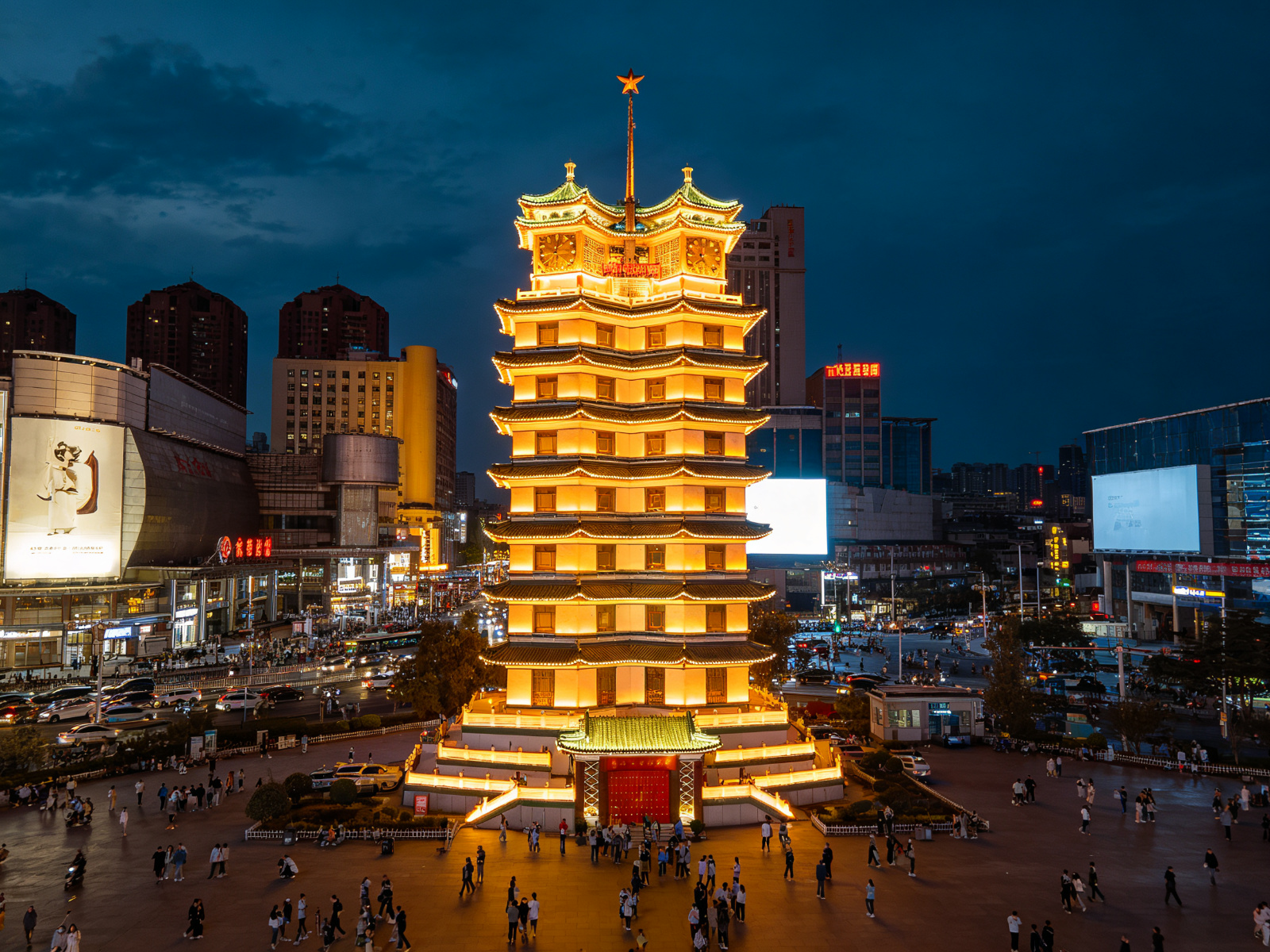
The twin tower commemorates the 1923 strike of the Beijing-Hankou railway workers — modern Zhengzhou's identity was made on the railway lines. Climb it for the city view and the small exhibit; it is a 1971 memorial on a 1923 event.
Henan's food identity is wheat — belt noodles (huimian), spicy peppery soup (hula-tang), steamed buns. Order the noodle shop where construction workers eat, not the one with English menus aimed at tour groups.
Tickets, duration, transport — ready for your trip cart.
EmergingThe legendary birthplace of Shaolin kung fu and Chan Buddhism, founded 495 AD. Daily kung fu demonstrations. The Pago…
 Popular
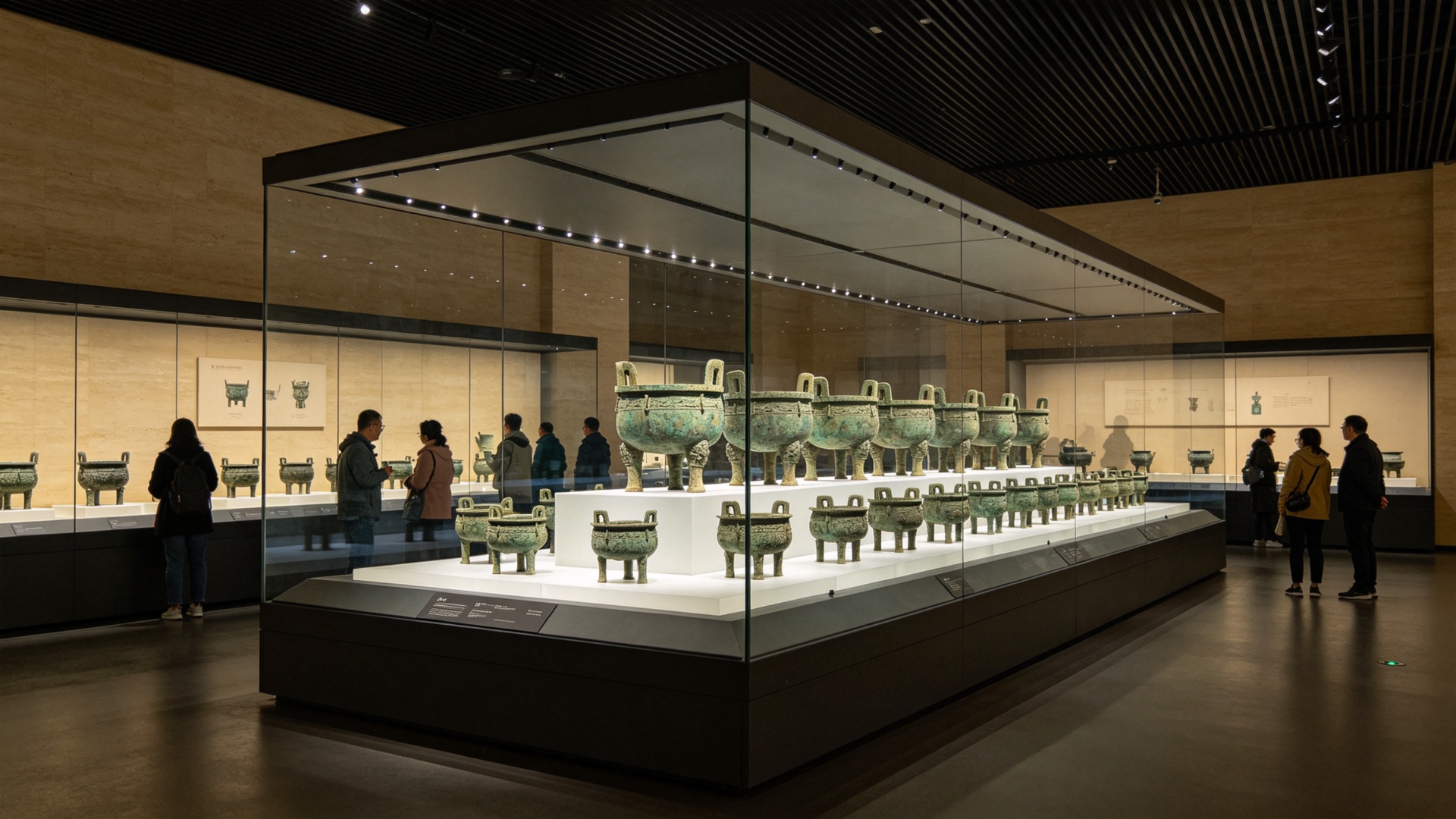
One of China's top museums, with 170,000 artifacts from the cradle of Chinese civilization. The 'Nine Treasures' incl…
 Emerging
Where the Yellow River meets the plains. Giant statues of Emperors Yan and Huang (106m high). Cable cars and boat rid…
 Emerging
Iconic twin pagoda in the city center, built 1971 to commemorate the 1923 workers' strike. The symbol of Zhengzhou. S…
Executable skeletons: day-by-day anchors you can trim to fit.
1-day
For transit travelers with one full day in the city itself; no Dengfeng run.
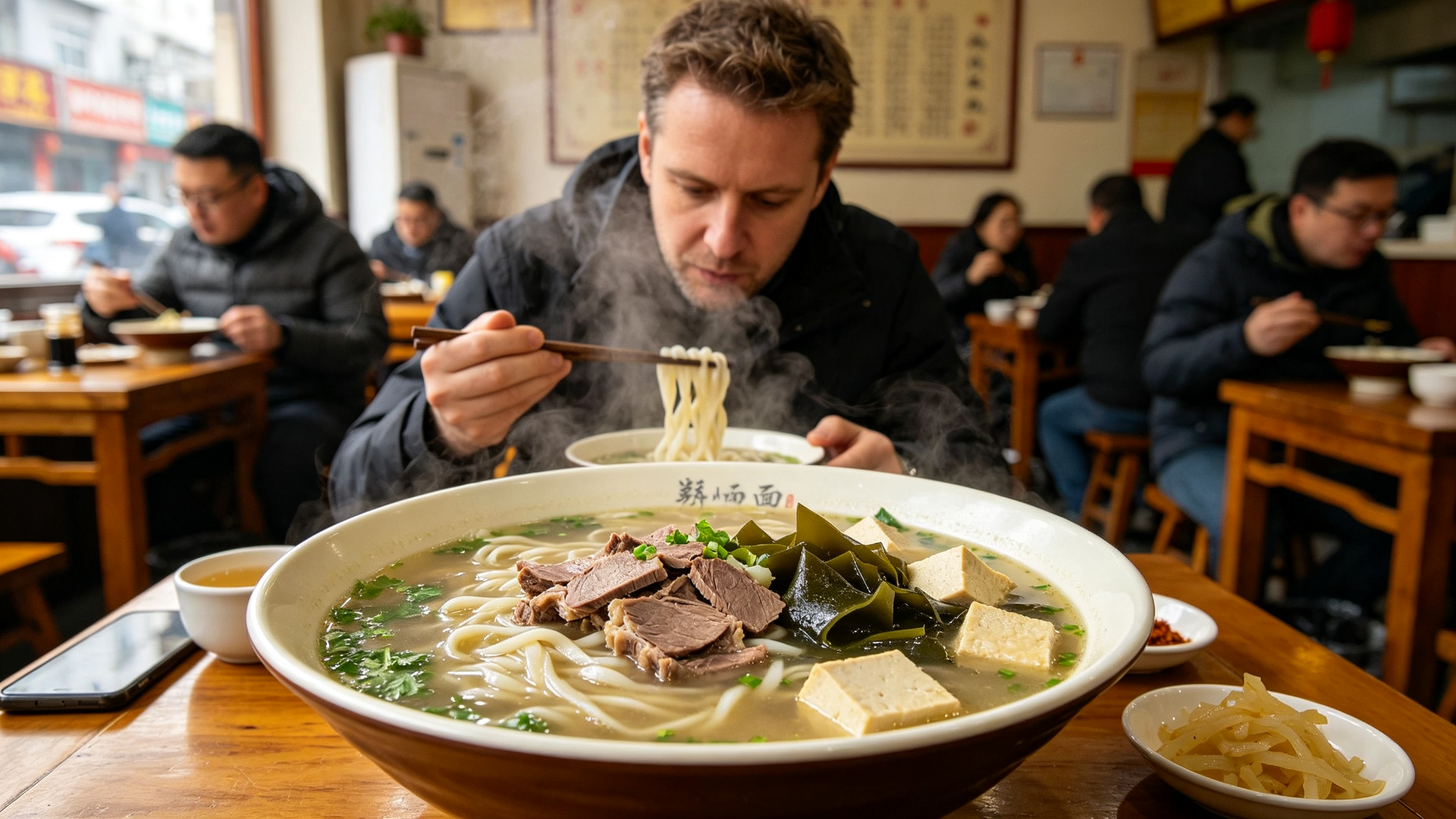
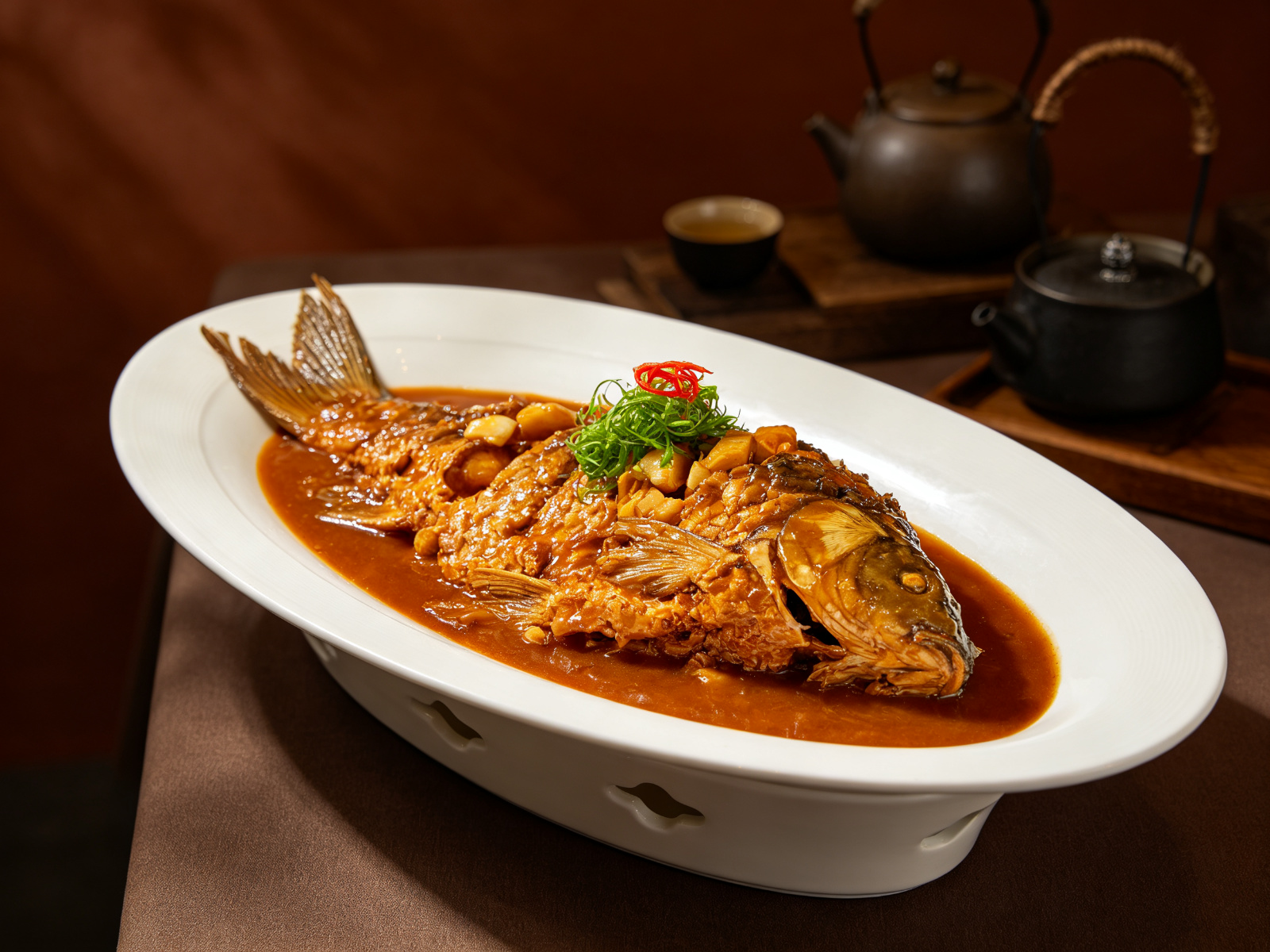
Zhengzhou eating is working-class Central Plains wheat food: wide hand-pulled huimian in lamb broth, peppery hula-tang soup for breakfast, Yellow River carp braised sweet-sour. Eat at old halls and neighborhood counters, not scenic-gate restaurants. Buy food gifts small and sealed — dried dates from Xinzheng keep well; skip over-sized 'imperial banquet' gift boxes and kung-fu keychains sold at the Shaolin gate.
 Popular
Wide hand-pulled noodles in rich lamb or beef broth with kelp, tofu, and herbs. Henan's signature dish.
 Emerging
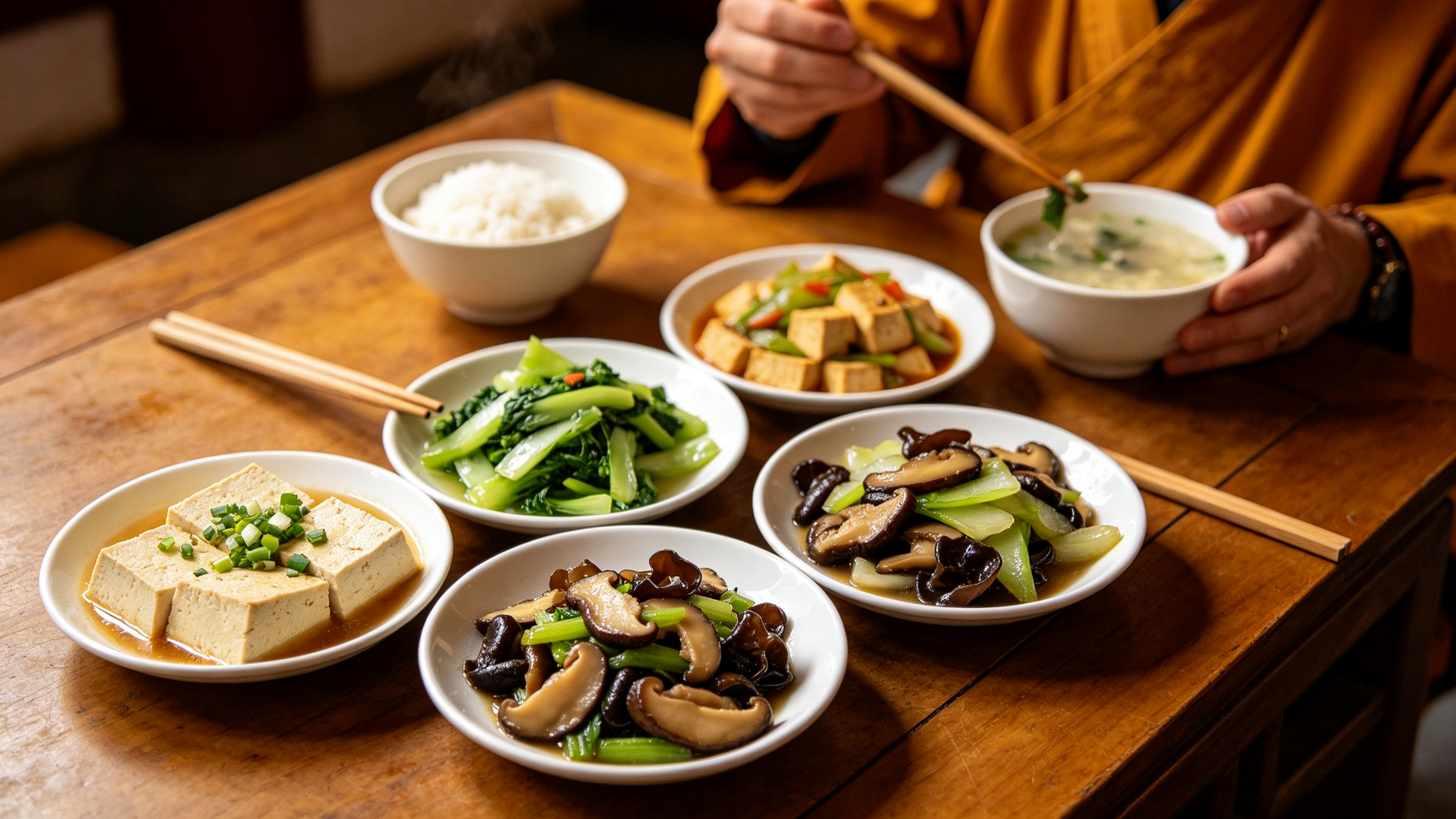
Buddhist vegetarian meal at or near Shaolin Temple. Dishes shaped like meat but made from tofu and vegetables. A cult…
 Emerging
Braised carp from the Yellow River. Sweet and sour or braised in brown sauce. A Henan delicacy.
Best time: April–May, September–November · Continental — cold winters, hot summers
Metro (7 lines) covers city. Shaolin via tour bus/train. High-speed rail to Luoyang (30min), Xi'an (2h), Beijing (2.5h). Didi cheap.
Alipay/WeChat with a linked foreign card works in chains and metro gates; keep ¥100–200 cash for small noodle stalls. ID matters more: Henan Museum, Erqi Tower and Shaolin all run real-name reservation/passport check-in — bring the physical passport.
Henan Museum is free but real-name-ticketed on its official WeChat account — reserve ahead; the museum has trialed extended evening hours (to 20:30) with same-day afternoon release for the evening slot. Shaolin sells out on weekends and holidays — book the ¥80 ticket online early. Both museums (Henan Museum, Erqi Tower) are closed Mondays.
Shaolin is an active working monastery — keep voices low in the halls, no drone over the pagoda cemetery, and ask before photographing monks. Erqi Tower is a memorial museum: no flash in the exhibition rooms.
Take official tourist buses or the train-to-Dengfeng route; ignore 'cheap Shaolin tour' touts at Zhengzhou stations who steer you to paid shopping stops. Scenic-area shuttle bus (about ¥25 round trip) is optional — the walk from gate to temple is roughly 1 km.
The metro covers the city core: Line 1 hits Erqi Square and Zhengzhou East HSR, Line 2 reaches near Henan Museum (Guanhutun) and the airport-connection chain. Dengfeng/Shaolin and the Yellow River park are outside the metro — bus, Didi or official tour bus.
Hotels and mall Wi-Fi are solid; pick up a local SIM or eSIM at Xinzheng Airport if you need continuous data. Google/Meta services are restricted without a roaming solution — settle this before arrival.
Metro (7 lines) covers city.
Shaolin via tour bus/train.
Metro, stalls, and rides mostly take Alipay or WeChat. Set up Alipay with a foreign card before you land.
Show the Chinese name “郑州(少林)” to drivers and staff. It beats a long English explanation.
Book tickets, transfers, and popular tours via partners first — then request deeper local experiences through ChinaPie.
Disclosure: Some links are affiliate links. ChinaPie may earn a commission on eligible bookings at no extra cost to you.
Prices shown are planning references only. Actual rates fluctuate with season, holidays, demand, and partner promotions — the price at checkout on the booking site is authoritative.
Conversion stays soft — clear next steps: plan this city, or request planning help.
Yes for typical tourist areas. Keep phones and bags secure on metro and in crowded night spots; use licensed taxis or Didi.
Depends on your passport. Check ChinaPie Plan & Prep → Visa for 30-day visa-free and 240-hour transit options before booking.
Yes—foreigners can set up Alipay with passport + international card. See /prep/alipay-setup for the step-by-step guide.
Option 1: Tour bus from Zhengzhou Central Station (¥50 round trip, 1.5h). Option 2: Train to Dengfeng (1h) then bus to Shaolin (30min). Option 3: Private transfer/didi (~¥300 round trip). Most visitors do a day trip. The temple is in Dengfeng, not Zhengzhou city.
China offers unilateral visa-free entry to 40+ countries including France, Germany, UK, Japan, South Korea, Singapore, Malaysia, Thailand, Italy, Spain, Netherlands, Switzerland, Sweden, Norway, Denmark, Finland, Belgium, Austria, Ireland, Portugal, Greece, and more. Stay: up to 30 days. IMPORTANT: US passport holders are NOT on the unilateral visa-free list and need a visa. Check latest list at China Immigration official site before travel.
Yes. US passport holders need a visa to enter mainland China. The 10-year multiple-entry tourist visa (L visa) is common: $185 fee, processing 3-5 business days. You can also use the 240-hour transit visa-free if transiting to a third country. Apply at Chinese embassy/consulate or via authorized visa agencies. Many travel blogs incorrectly say US is visa-free — this is false.
Major hotels, international restaurants, and large malls accept Visa/Mastercard. But most small shops, street food, taxis, and local experiences only accept Alipay or WeChat Pay. Link your foreign card to Alipay (Tour Card) for daily use. Carry some cash (¥500-1000) as backup.
China is consistently ranked among the safest countries for tourists. Violent crime against foreigners is extremely rare. Common issues: pickpocketing in crowded areas (train stations, metro), taxi scams at airports, and fake goods at markets. Normal precautions apply: keep valuables secure, use licensed taxis/Didi, don't accept unsolicited tours. Women traveling solo generally feel very safe even at night.
Most first-timers do well with 1–3 days. Start with the 1-day city core: museum, Shang wall, Erqi square, then expand to 2–3 days if you want slower food and culture. Use Plan this city to turn stops into a workable week.
Foreign cards work more often via Alipay / WeChat Pay tourist modes and some metro apps, but coverage still varies by merchant. Keep a small cash float and set payment apps up before peak sightseeing. See the practical section on this hub for city-specific notes.