Datong Visual Travel Guide
Illustrated city overview — not a scale map. Use Routes below for day-by-day stops you can open in Planner.
Datong · 大同
Datong is where imperial Buddhist cave art began: the Northern Wei capital Pingcheng commissioned the Yungang Grottoes between 460 and 525 CE, and today a walled Ming old town inside a 7.2 km restored rampart pairs with a 1,500-year-old cliff-hanging timber temple south in Hunyuan—a 100-minute train west of Beijing.
City-level visual guides and reviewed photos — infographics are illustrated overviews, not scale maps.
Illustrated city overview — not a scale map. Use Routes below for day-by-day stops you can open in Planner.
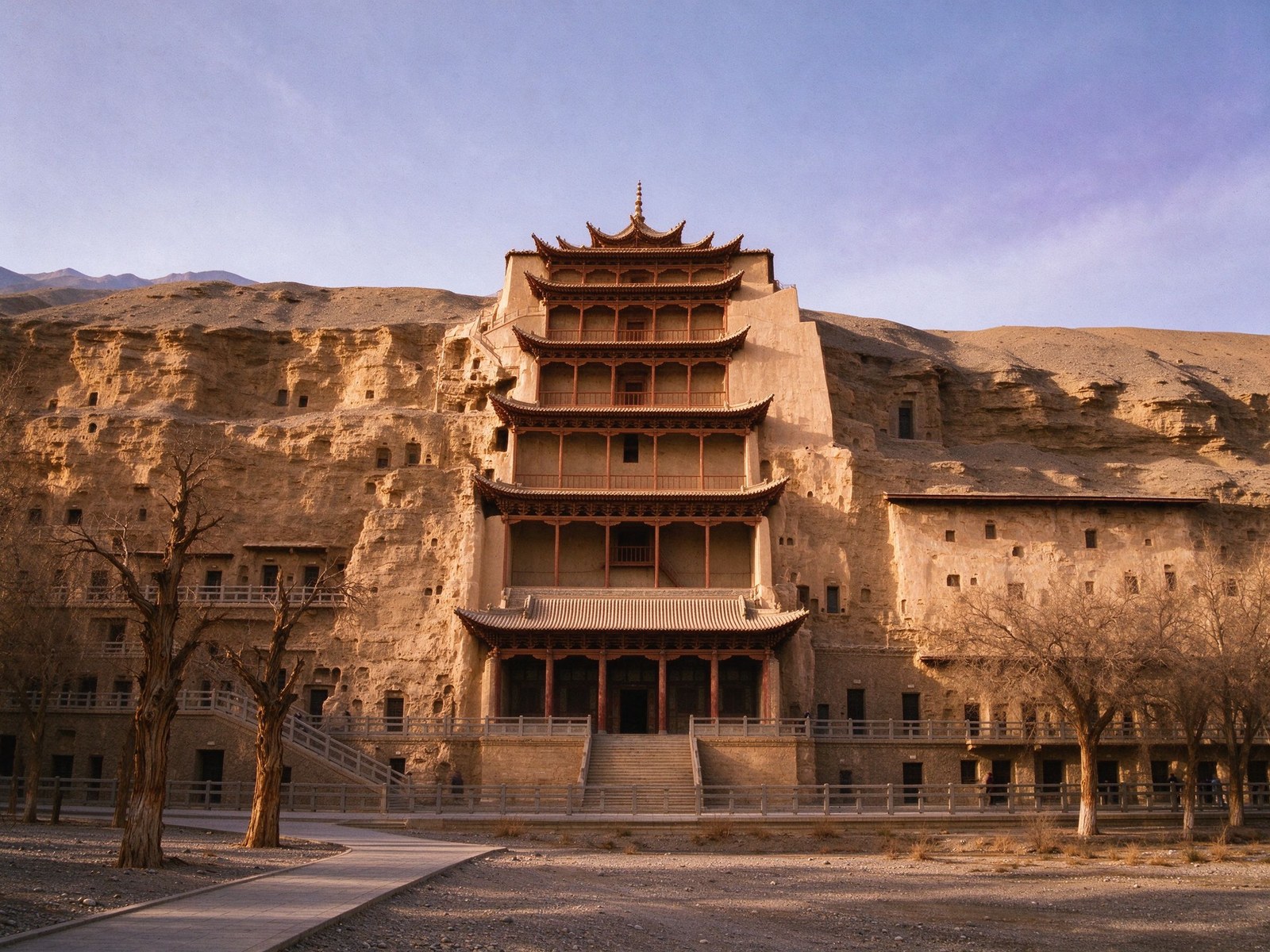
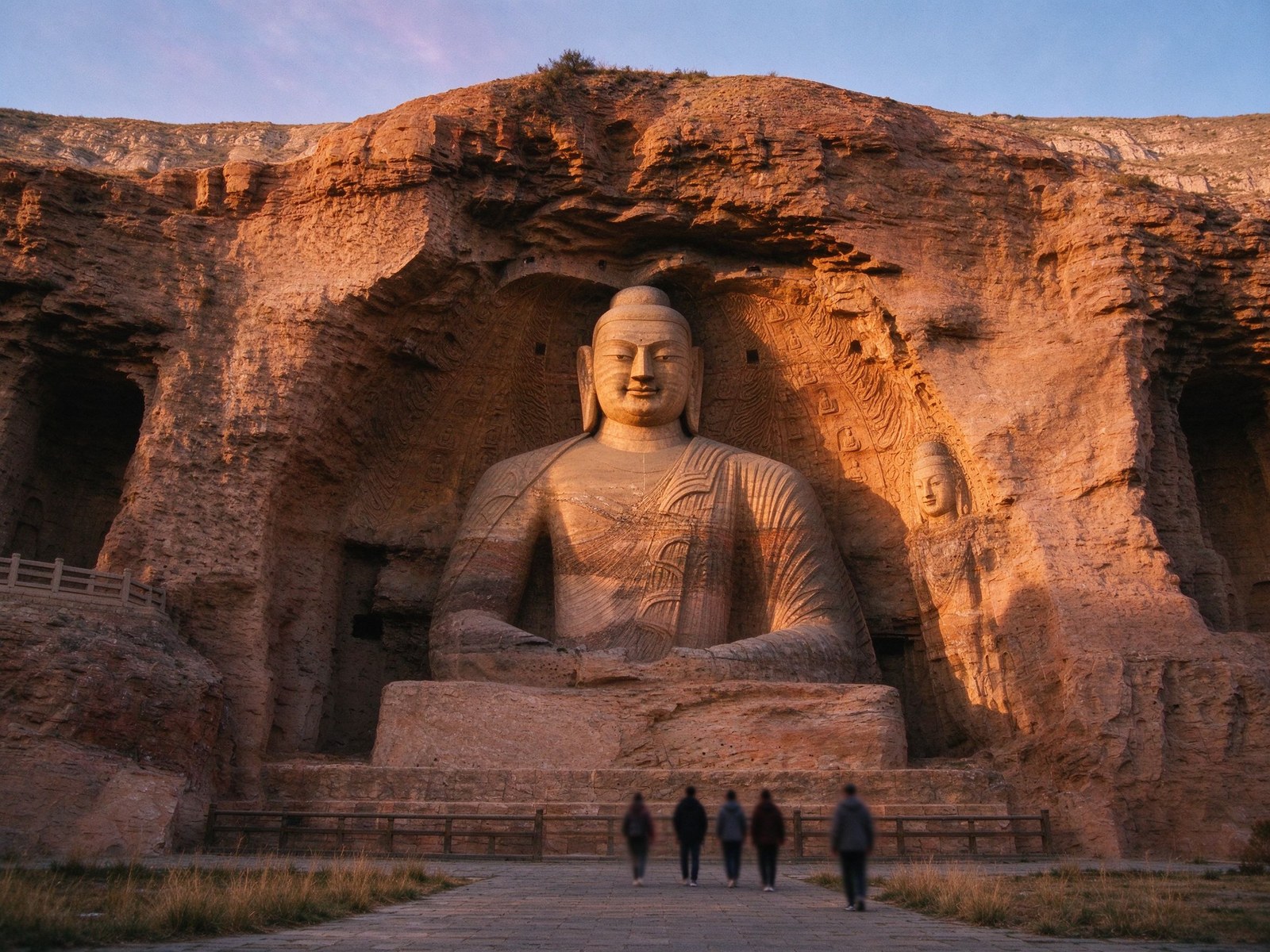
Carved 460–525 CE under Northern Wei imperial patronage, 252 caves hold 51,000 statues—Cave 20's open-air Buddha is the postcard. Arrive at opening and spend 3–4 hours; the statuary charts the shift from South-Central Asian to Chinese style in one cliff.
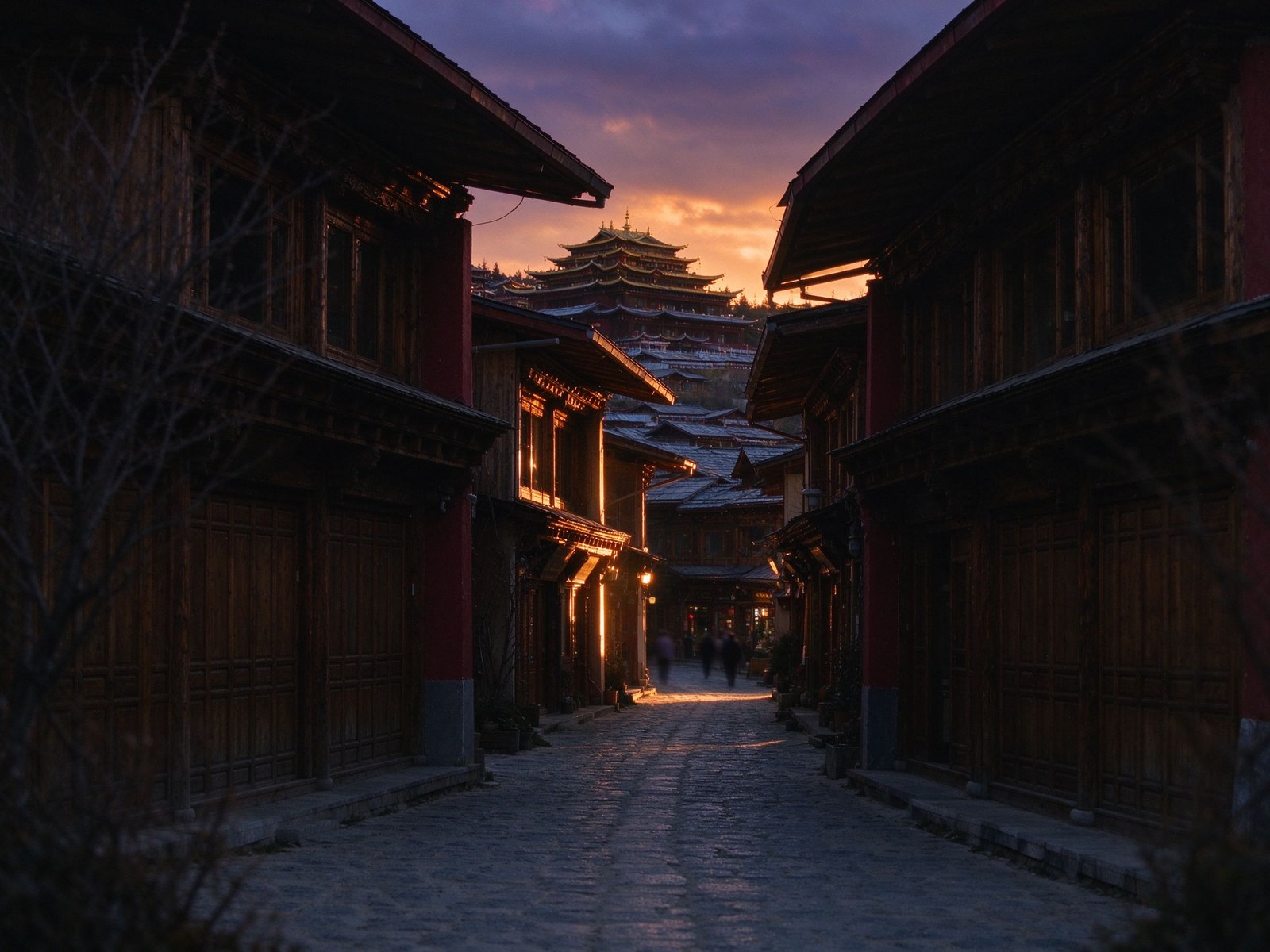
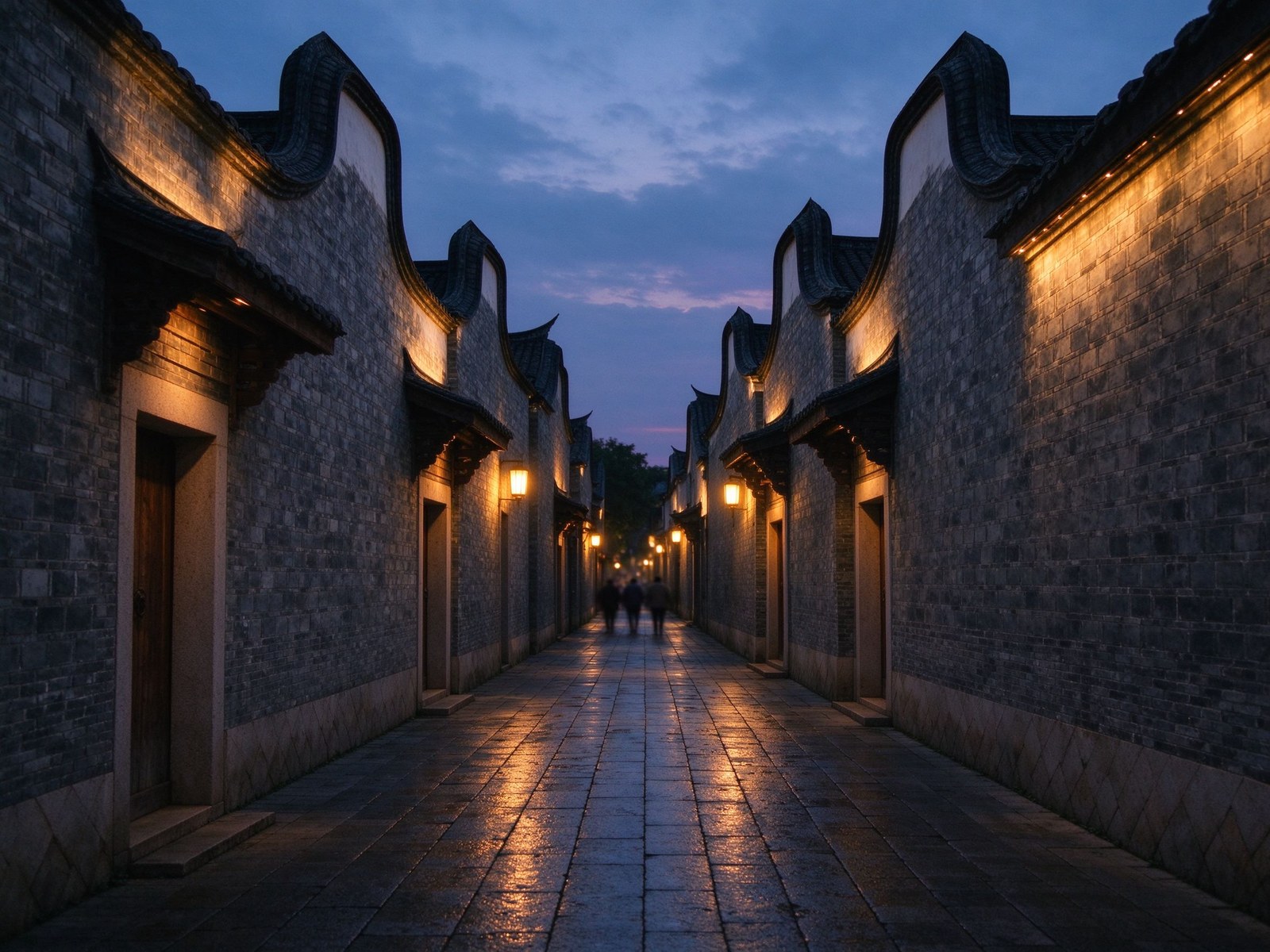
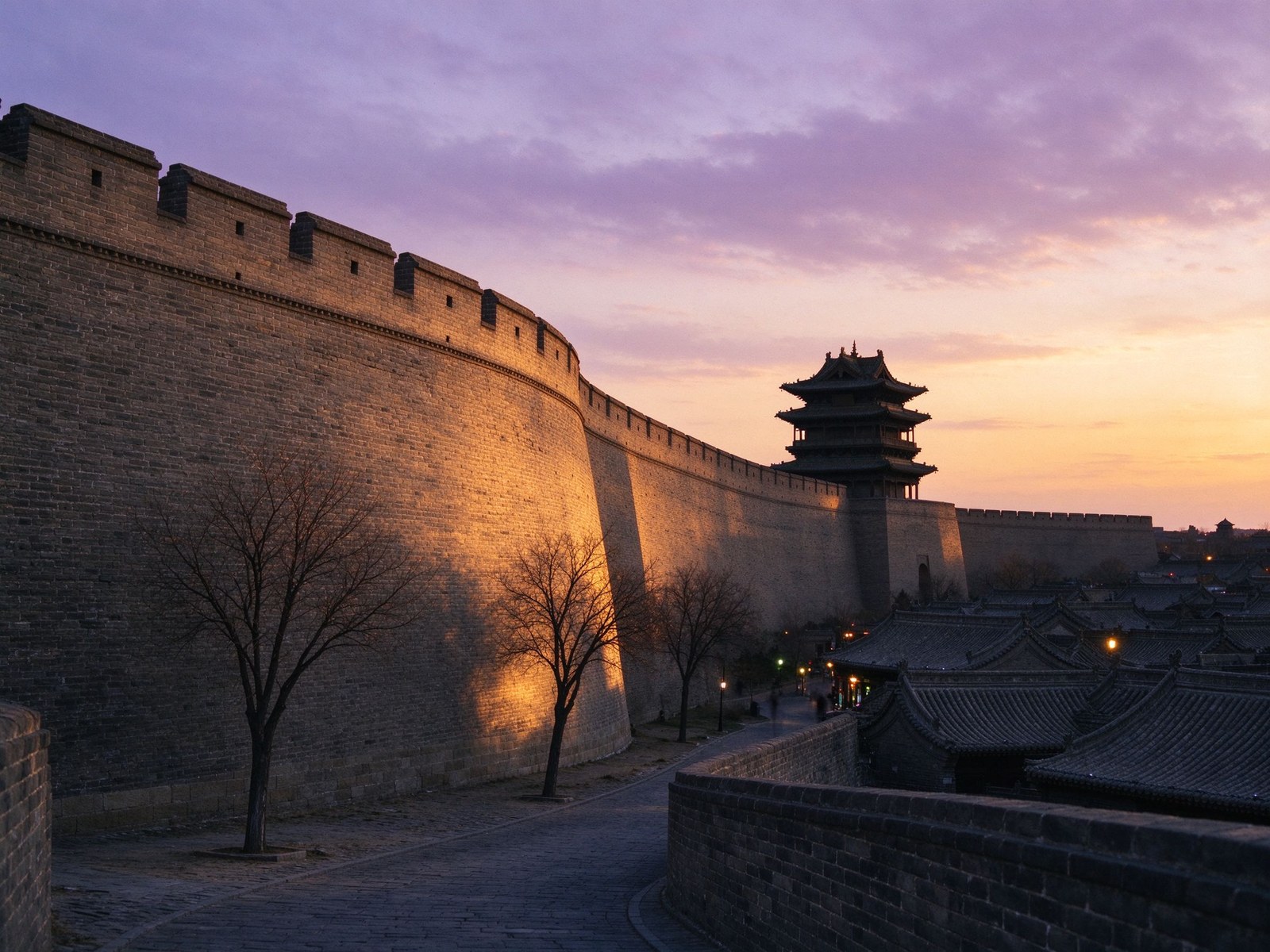
A 7.24 km restored rampart encloses a 3.28 km² old city; Huayan Temple's Liao-Jin halls and the Nine-Dragon Wall sit inside. Rent a bicycle on the wall at sunset, then eat on Gulou Street below—this is the urban core, not a rebuilt tourist set.
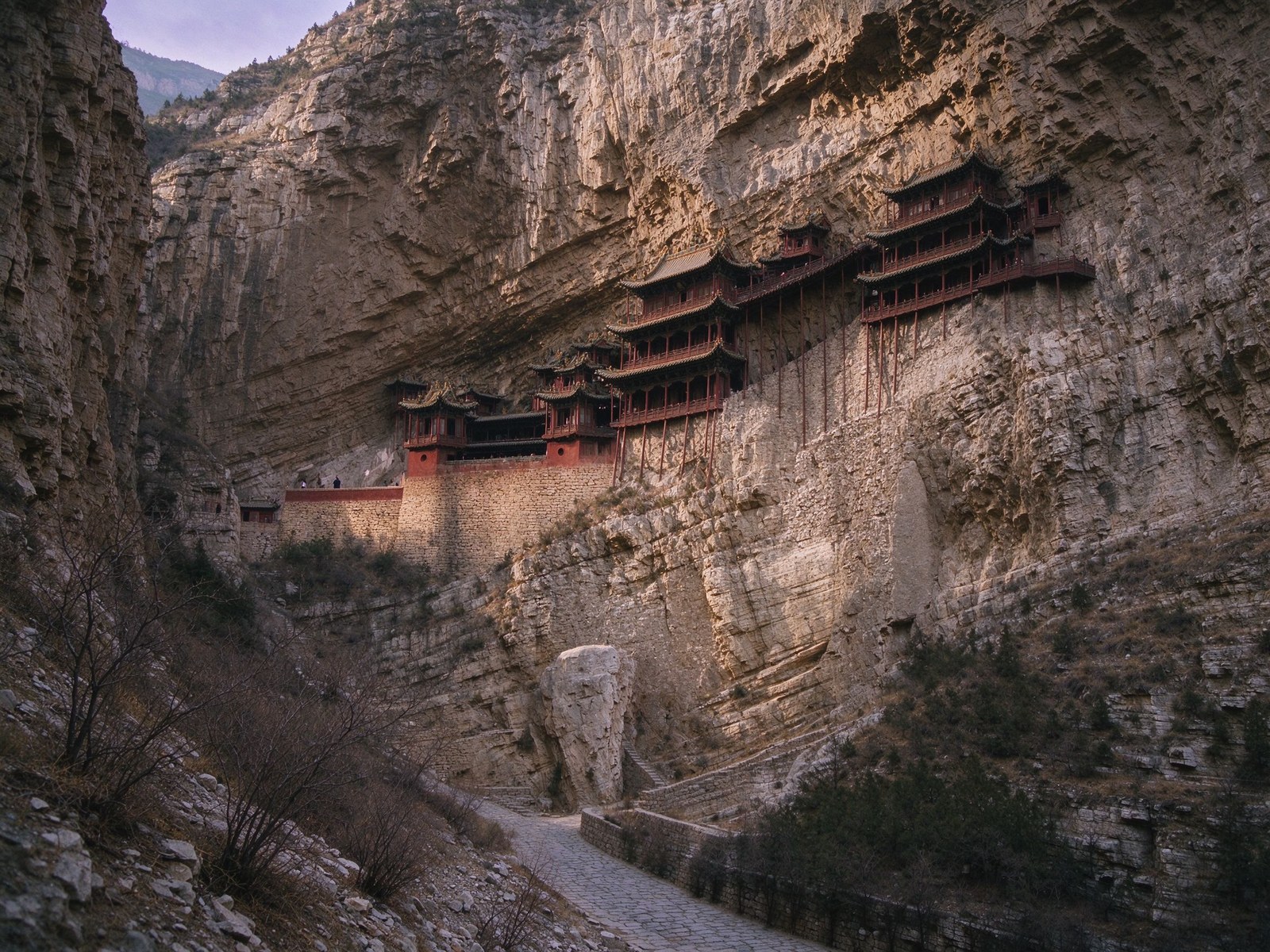
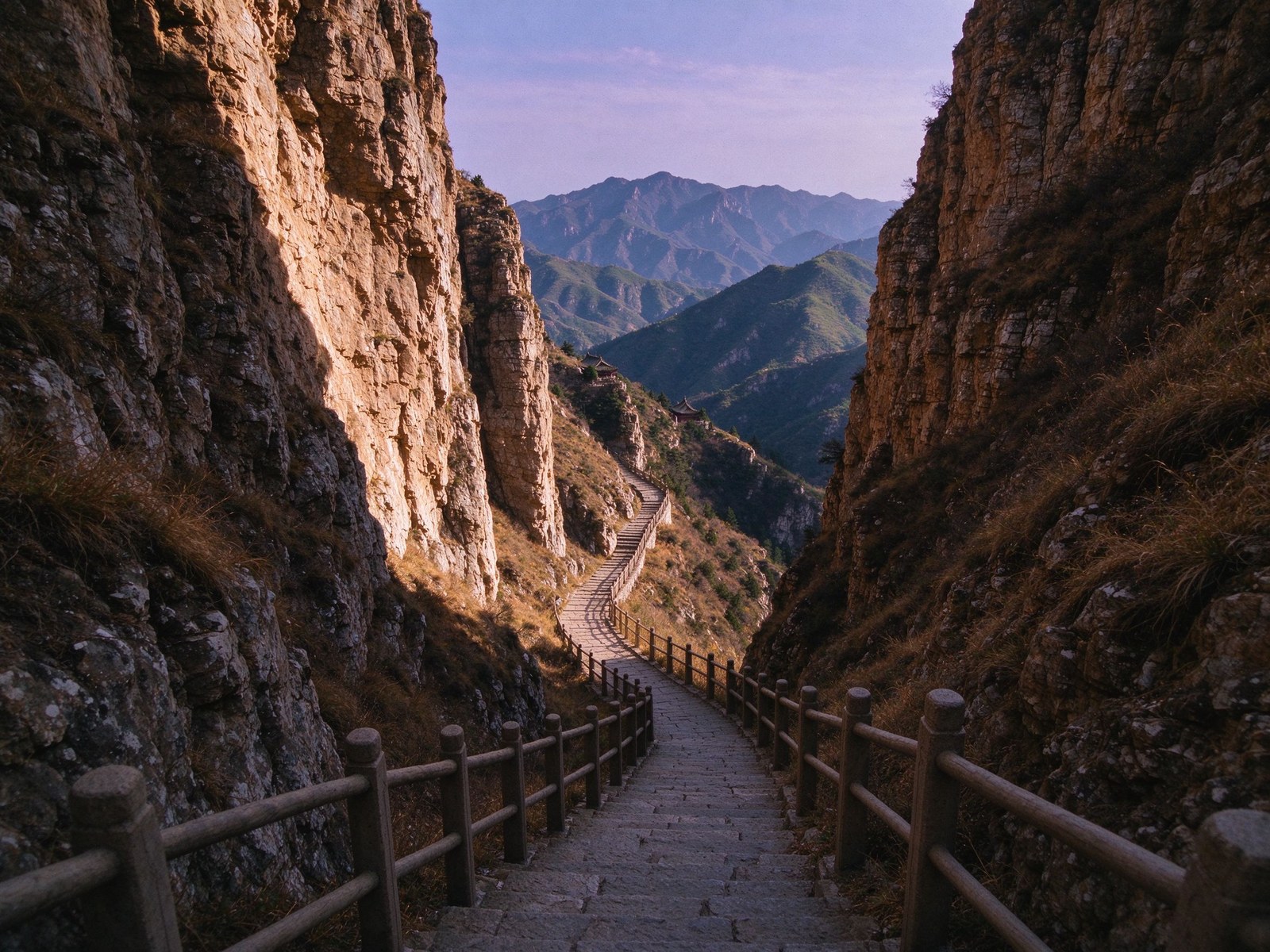
Perched on Cuiping Peak in Hunyuan ~80 km south, the 1,500-year-old timber temple climbs narrow planks. Daily climbing tickets are capped (~2,000 online) and book 7 days ahead via the 北岳云游 mini-program—foreign visitors book through Ctrip/Trip.com. Book the climb, or view from the gorge below.
The city’s signature line — depth entry, not a checklist.
The signature Datong sequence: a first morning at Yungang reading Northern Wei imperial patronage and the Tan Yao five caves, an afternoon inside the old city at Huayan Temple's Liao-Jin halls, then sunset on the restored Ming wall. Add the Hunyuan day trip for the Hanging Temple and North Yue Heng Mountain—the cliff site that turns the city's art-and-stone identity into vertigo.
Add to trip to compare and prepare; check partner links for slots and price when shown.
Experience listings are still growing — plan with routes & culture, or request planning help.
Beyond ticket notes — read the city’s character first.
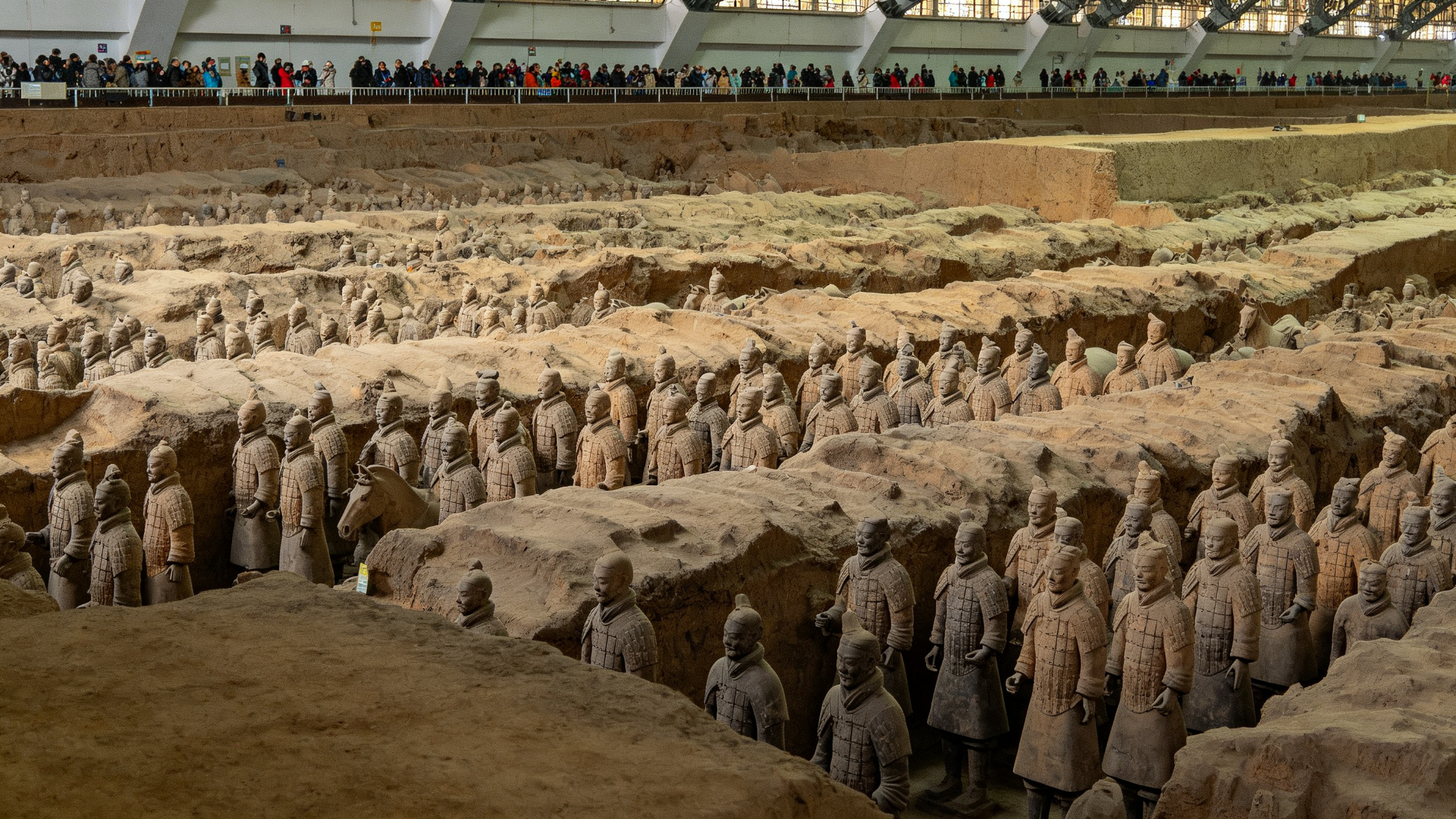
Datong was Pingcheng, capital of the Northern Wei from 398 to 494 CE, when Emperor Xiaowen moved the court south to Luoyang. The grottoes are the religious side of that state-building—read them as imperial propaganda carved into cliff before the capital left. The Datong Museum houses the terracotta armies of that era.
Caves 16–20 were the first imperial project, monk Tan Yao's commission: massive, south-Central Asian-influenced seated Buddhas. The later caves (e.g. 5–6, 9–13) turn more sinicized—narrative relief, Chinese dress, smaller figures. Walking the cliff in order is watching a religion become Chinese.
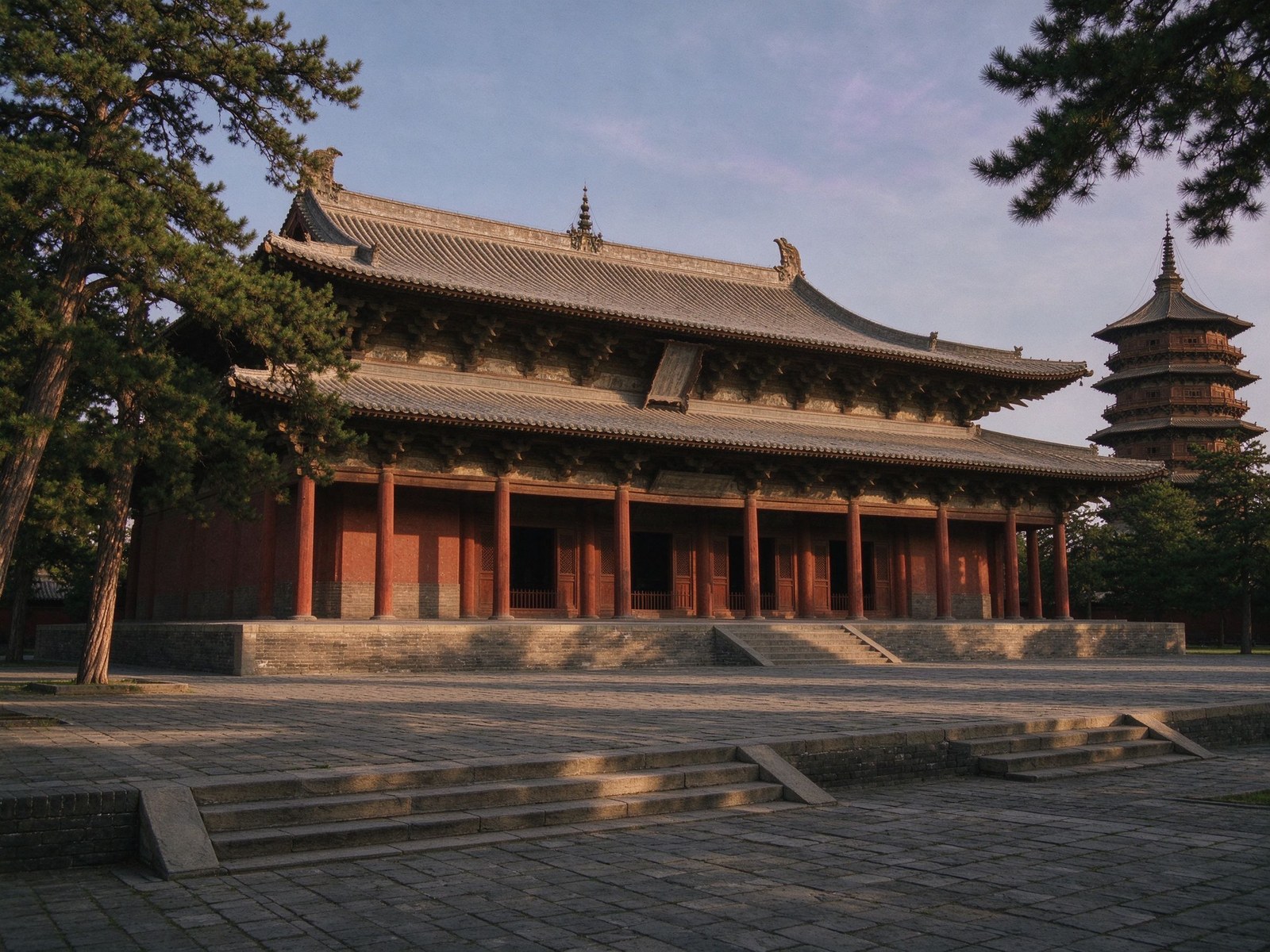
Founded 1062 as a Liao royal ancestor temple, its Mahavira Hall is the largest surviving Liao-Jin Buddhist hall. The Sutra Library Hall holds the Liao-dynasty coloured statues—the smiling, open-mouth Bodhisattva locals call the 'Oriental Venus.' This is Khitan-era architecture, contemporary with the Song's south, not a Ming rebuild.
Built ~491 CE, the timber complex clings to Cuiping Peak with hidden iron bars in the rock. It is rare for housing Confucian, Buddhist and Daoist halls under one roof—tolerance built into a Northern Wei site. The narrow plank walkway and 'floating' posts underneath are the point: engineering over aesthetics.
The present wall was raised by General Xu Da in 1372 on Han, Wei, Tang, Liao and Yuan foundations, then comprehensively restored from 2008. What you walk today is a modern rampart on an ancient footprint—its value is the panorama over the old city and the four Ming gates, not an untouched relic.
Tickets, duration, transport — ready for your trip cart.
EmergingBuy via the official 云冈石窟官微 / mini-program or authorized OTAs; real-name entry with ID/passport. Arrive at opening to…
 Emerging
Climb tickets: book 7 days ahead via the 北岳云游 mini-program (online 07:20–21:00). Foreign visitors book through Ctrip/…
 Emerging
No timed reservation required for general entry (platform-reference); buy at the gate or via authorized OTAs. Keep vo…
 Popular
Free with a real-name reservation via the official mini-program (platform-reference); bring your passport/ID. Rent a…
 Emerging
Heng Mountain trail entry sells at the gate or via the official channel; the Hanging Temple climb requires its own qu…
Executable skeletons: day-by-day anchors you can trim to fit.
1-day
For travelers with a single day. Pacing built around Yungang opening and the wall at sunset.
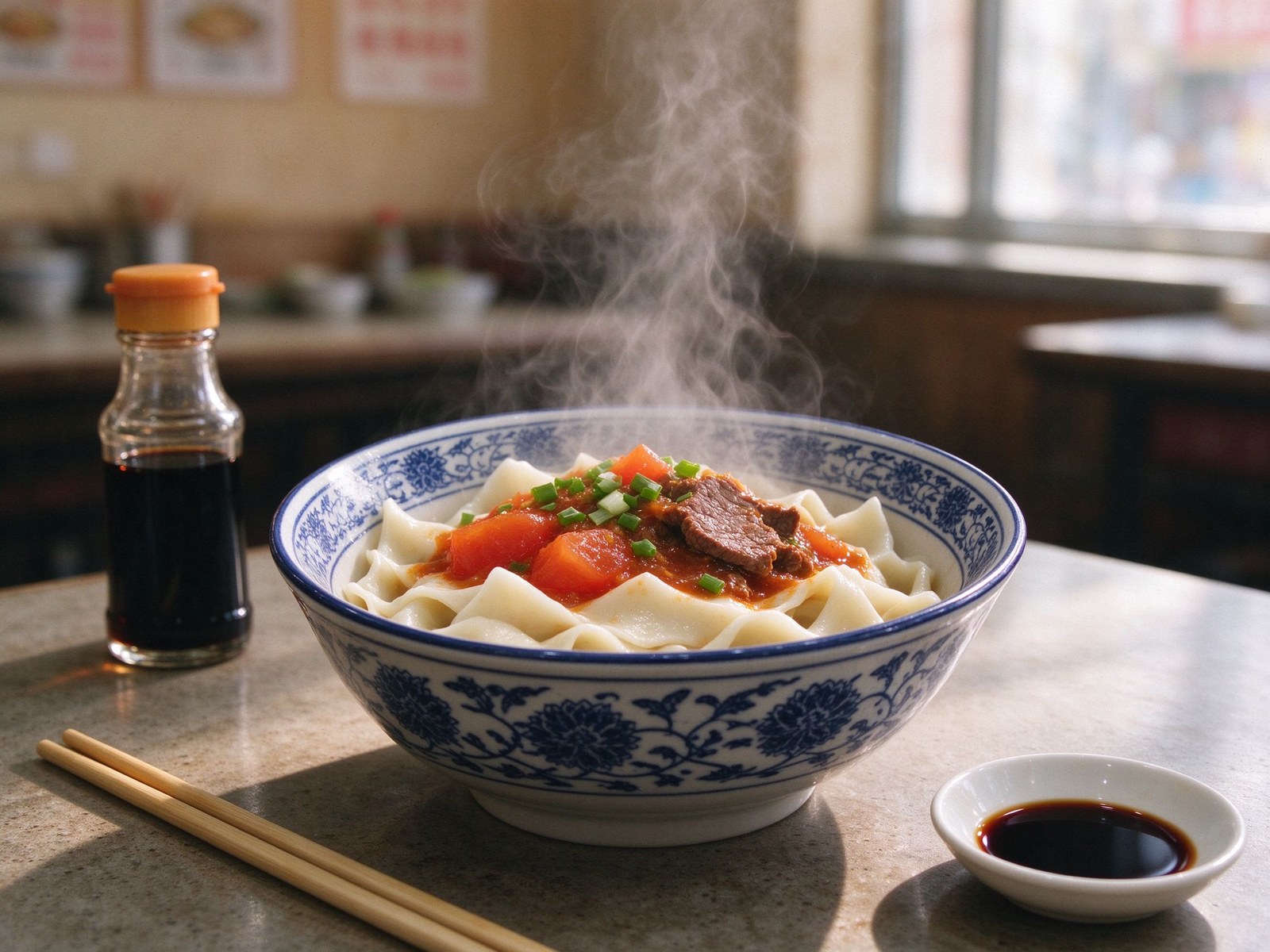
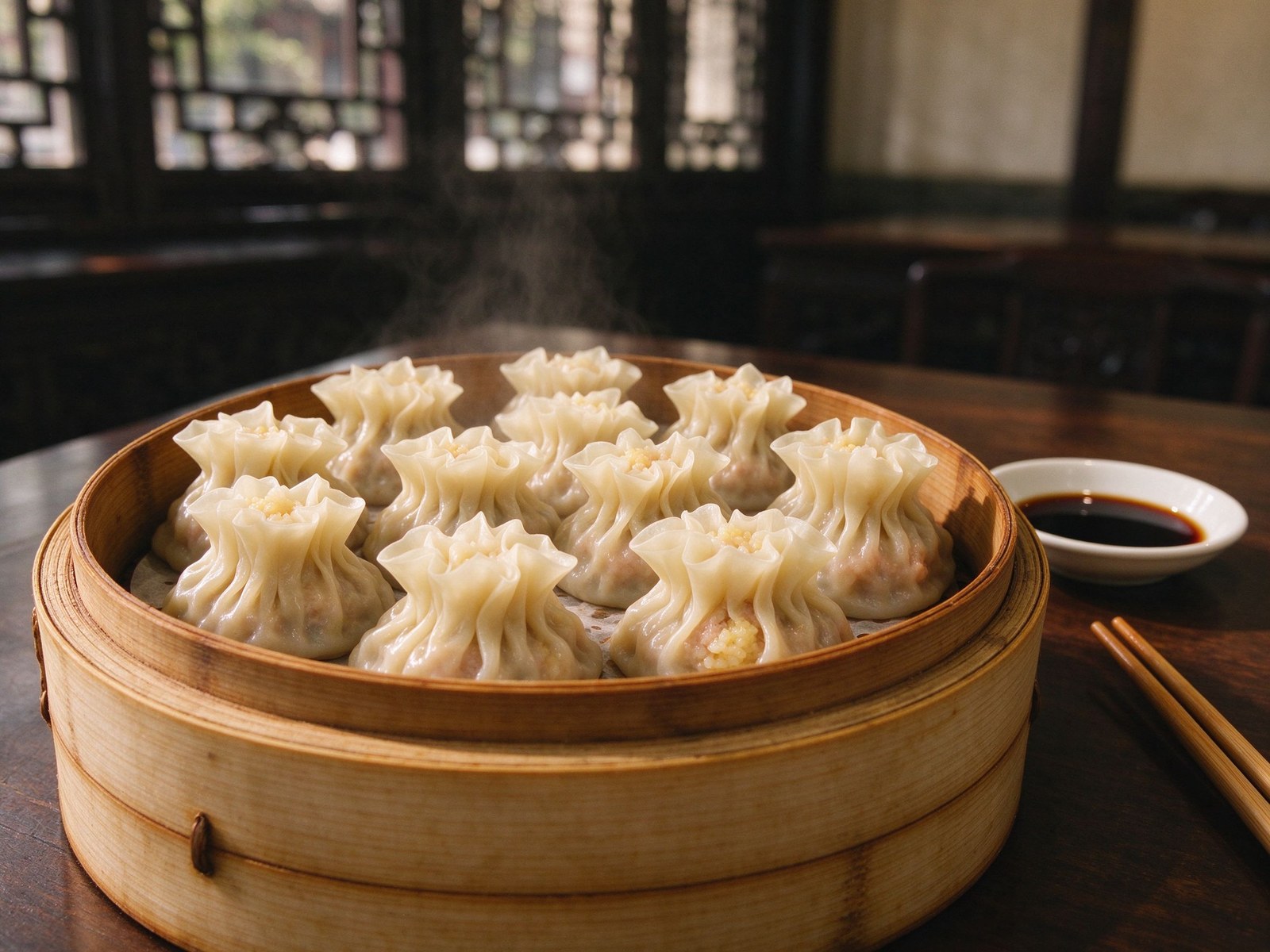
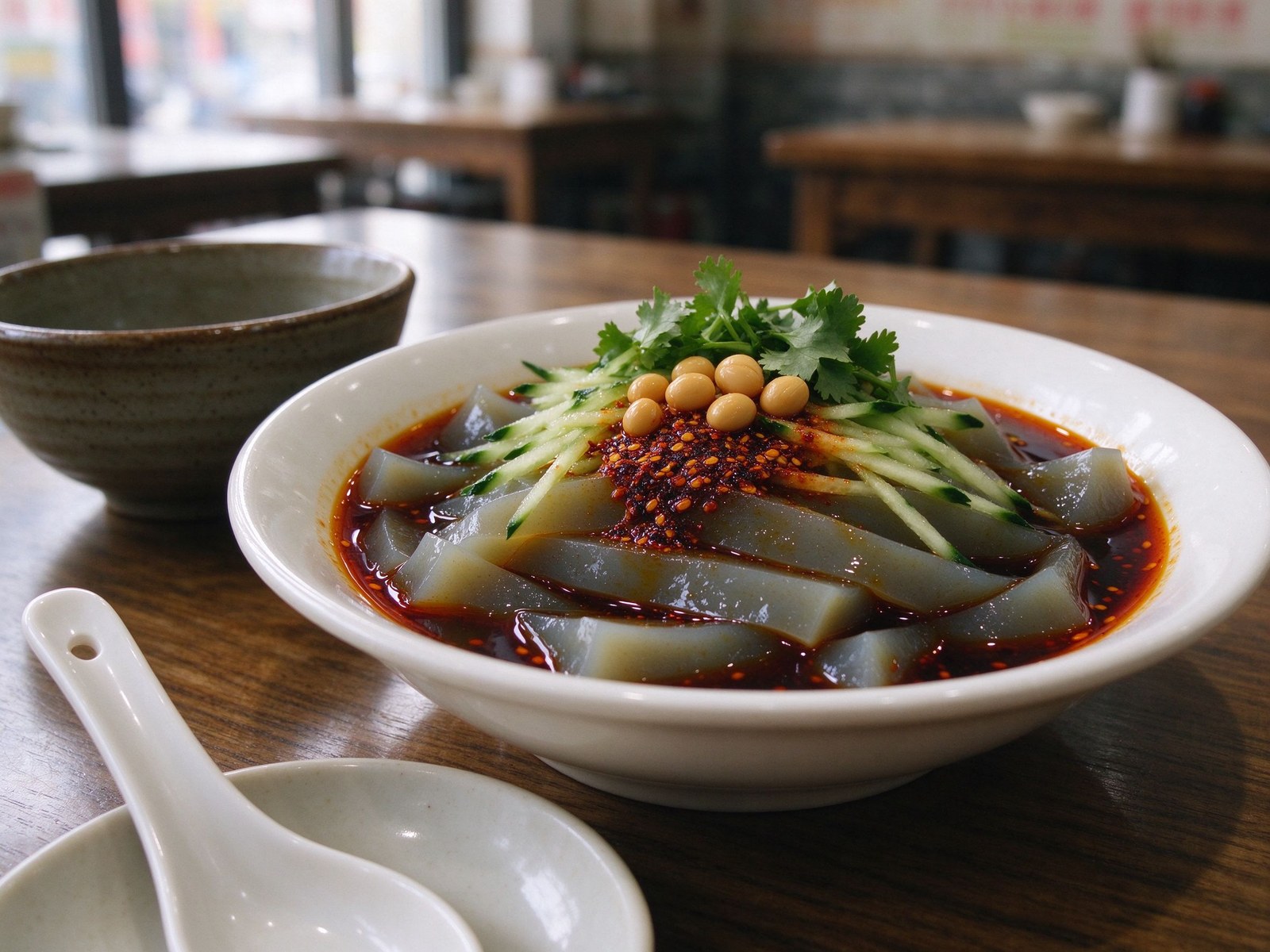
Eat where Datong locals queue: Shanxi knife-cut noodles (daoxiao mian) shaved wide and chewy into tomato or beef broth, Fenglinge's flower-shaped baihua shaomai near Huayan Temple, Hunyuan cold jelly noodles from the cliff-site county, and smoked-meat buns or rabbit-head snacks on Gulou/Huayan streets. For souvenirs, buy sealed Shanxi aged vinegar and oat noodles (youmian) you will actually cook, and compare glazed dragon-screen reproductions against the real Nine-Dragon Wall. Skip the packaged 'Datong specialty' boxes piled at the grotto exit—markup peaks where the tour buses stop.
 Emerging
Local bite in datong: Daoxiao Noodles. Eat where locals queue; skip tourist-trap set menus.
 Emerging
Local bite in datong: Baihua Shaomai. Eat where locals queue; skip tourist-trap set menus.
 Emerging
Local bite in datong: Hunyuan Liangfen. Eat where locals queue; skip tourist-trap set menus.
Best time: May–June and September–October are mild and dry; autumn colors on the Heng Mountain slopes are a bonus. Winter is off-peak and cheap with thin grotto crowds, but hours shrink and it is bitterly cold. · Dry continental monsoon: short warm summers (to 30°C+), long cold dry winters (−10 to −20°C), low humidity, strong sun, spring dust, and large day-night swings.
The old city is walkable—Huayan Temple, the Nine-Dragon Wall and the wall gates are within a compact 3.28 km². Yungang Grottoes are 16 km west; take bus 3 from the city or a taxi (~30 min). The Hanging Temple and Heng Mountain are ~80 km south in Hunyuan; use a day-tour bus, transfer or Didi, and expect the holiday shuttle (20 RMB day pass) at the cliff site. Datong South HSR station (大同南站) is the main rail hub to Beijing (~1.5–2 h) and Taiyuan. Bus 67 connects the Datong integrated passenger center (Datong South) to Datong Yungang International Airport, first bus 07:00, last 19:00 (air-conditioned fare). Datong Yungang Airport (DAT) is ~15–20 km from the old city; allow time for late arrivals after 19:00.
Chain restaurants, malls and the HSR station take Alipay/WeChat with a bound foreign card, but old noodle counters, street snacks and the wall-cycle rental may prefer cash. Keep ¥200–400 small notes; show Didi drivers the Chinese destination text from your map app.
Daily climbing tickets are capped (~2,000 online). Book via the 北岳云游 mini-program 7 days ahead; foreign visitors book through Ctrip/Trip.com. You must buy both the entry ticket and the climb ticket. If the climb sells out, view the temple from Cuiping Gorge below—still worth the drive.
Datong Museum is free but closed Mondays and needs a WeChat reservation. Huayan Temple, the Nine-Dragon Wall and the city wall are open daily; the wall is free with a mini-program real-name reservation. Carry your passport at every ticket gate.
Yungang is busiest 10:00–15:00 in summer and on weekends—arrive at opening (seasonal, roughly 8:30 in autumn) and do Caves 16–20 first. Winter hours shrink (~8:30–16:30) but crowds are thin and the cold dry air is kind to the sandstone. National holidays peak heavily.
No flash or tripods inside the caves—lighting is deliberately low and the sandstone is damaged by heat. At Huayan Temple, keep voices down near worshipers and do not touch the Liao-dynasty painted statues. Ask before photographing monks or burning incense.
Dry continental climate: hot summers, very cold winters (−10 to −20°C), strong sun and big day-night swings. Yungang sits in a west suburb valley; the Hanging Temple gorge is windier and cooler. Carry water, sunscreen and a jacket in summer—layers are the rule even in July.
The old city is walkable—Huayan Temple, the Nine-Dragon Wall and the wall gates are within a compact 3.28 km².
Yungang Grottoes are 16 km west; take bus 3 from the city or a taxi (~30 min).
Metro, stalls, and rides mostly take Alipay or WeChat. Set up Alipay with a foreign card before you land.
Show the Chinese name “大同” to drivers and staff. It beats a long English explanation.
Book tickets, transfers, and popular tours via partners first — then request deeper local experiences through ChinaPie.
Disclosure: Some links are affiliate links. ChinaPie may earn a commission on eligible bookings at no extra cost to you.
Prices shown are planning references only. Actual rates fluctuate with season, holidays, demand, and partner promotions — the price at checkout on the booking site is authoritative.
Conversion stays soft — clear next steps: plan this city, or request planning help.
Yes for typical tourist areas. Keep phones and bags secure on metro and in crowded night spots; use licensed taxis or Didi.
Depends on your passport. Check ChinaPie Plan & Prep → Visa for 30-day visa-free and 240-hour transit options before booking.
Yes—foreigners can set up Alipay with passport + international card. See /prep/alipay-setup for the step-by-step guide.
The climb is quotacapped to protect the 1,500-year-old timber structure (~2,000 online/day). Book 7 days ahead via the 北岳云游 mini-program (online 07:20–21:00); foreign visitors book through Ctrip/Trip.com. Re-released slots open the evening before (20:00–23:00) and on the day (07:20–18:00). You must buy both the base entry ticket and the climb ticket. If it sells out, view the temple from Cuiping Gorge below—it is still worth the drive.
Peak season (Apr 1–Oct 31) full ticket is ¥120, half ¥60 (Shanxi provincial policy). Off-season (Nov–Mar) listings vary around ¥80–100—confirm on the official channel. Hours shift by month (roughly 08:30–17:30 peak, ~08:30–16:30 after early October); check the 云冈石窟官微 / 云冈研究院 mini-program for the exact day. Arrive at opening and spend 3–4 hours.
High-speed rail from Beijing North / Qinghe to Datong South station takes roughly 1.5–2 hours. Datong South is also connected to Taiyuan. Bus 67 links the Datong integrated passenger center (Datong South) to Datong Yungang International Airport (first 07:00, last 19:00). The old city, Yungang Grottoes and Huayan Temple are all a short taxi or bus ride from the station area.
Yes—Yungang is the earlier, imperial starting point (carved 460–525 CE under Northern Wei patronage) and shows the shift from South-Central Asian to Chinese Buddhist style in one cliff, whereas Longmen (690s onward) and Mogao are later. Pair it with Huayan Temple's Liao-Jin halls and the Hanging Temple for a Northern Wei-to-Liao-Jin arc that the other cave sites do not cover.
China offers unilateral visa-free entry to 40+ countries including France, Germany, UK, Japan, South Korea, Singapore, Malaysia, Thailand, Italy, Spain, Netherlands, Switzerland, Sweden, Norway, Denmark, Finland, Belgium, Austria, Ireland, Portugal, Greece, and more. Stay: up to 30 days. IMPORTANT: US passport holders are NOT on the unilateral visa-free list and need a visa. Check latest list at China Immigration official site before travel.
Most first-timers do well with 1–3 days. Start with the 1-day core: grottoes + old town, then expand to 2–3 days if you want slower food and culture. Use Plan this city to turn stops into a workable week.
Foreign cards work more often via Alipay / WeChat Pay tourist modes and some metro apps, but coverage still varies by merchant. Keep a small cash float and set payment apps up before peak sightseeing. See the practical section on this hub for city-specific notes.