Nanjing Visual Travel Guide
Illustrated city overview — not a scale map. Use Routes below for day-by-day stops you can open in Planner.
Nanjing · 南京
Nanjing is six capitals stacked on one ground: Ming emperors buried on Purple Mountain, Republican ministries along Changjiang Road, and the Qinhuai River lanterns where southern-China literary nightlife began. Read the funerary mountain by day, the river by night.
City-level visual guides and reviewed photos — infographics are illustrated overviews, not scale maps.
Illustrated city overview — not a scale map. Use Routes below for day-by-day stops you can open in Planner.
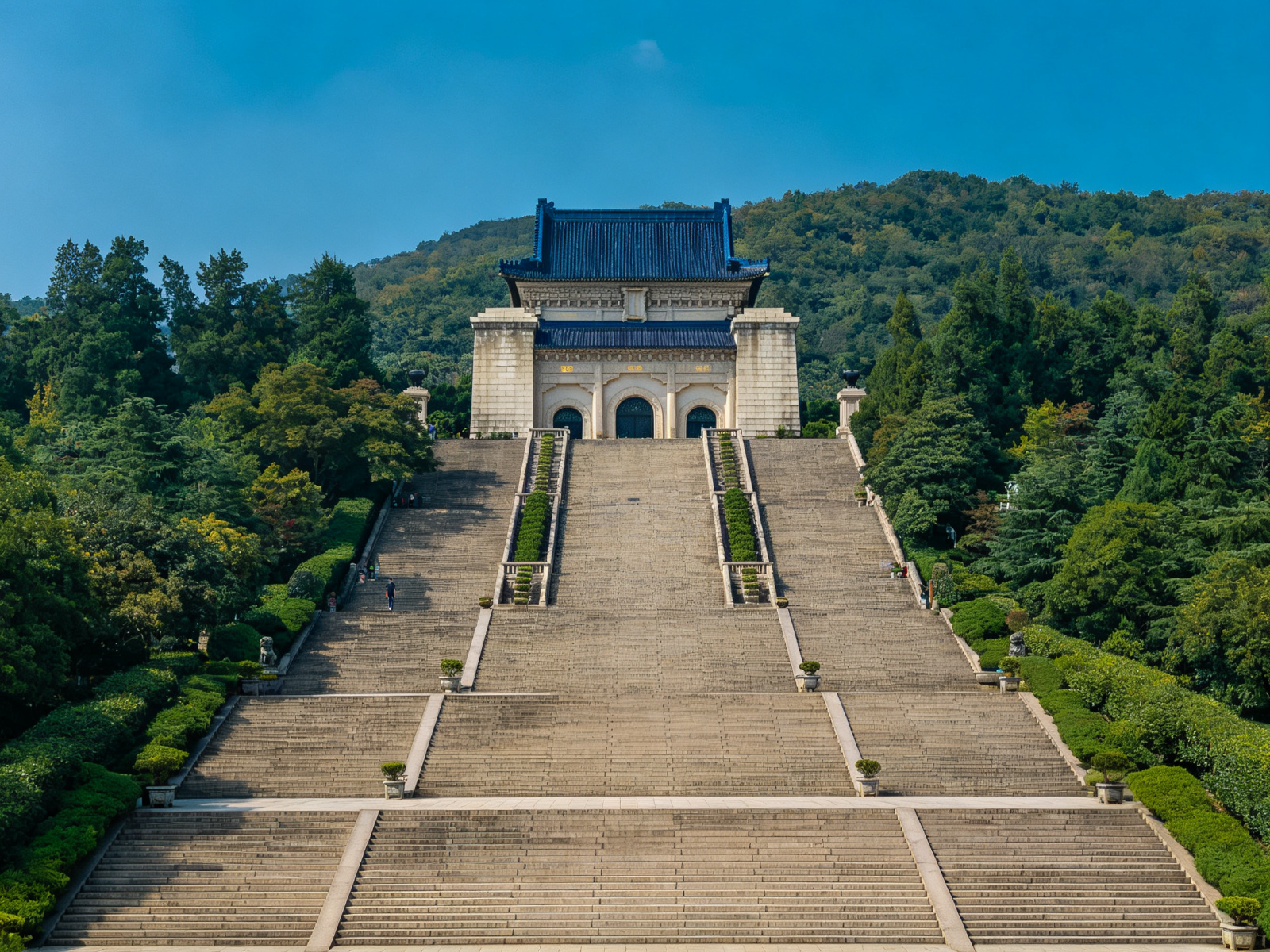
Ming Xiaoling (UNESCO, 1409) set the layout template later copied by Beijing's Ming Tombs; Sun Yat-sen's mausoleum (1929) is the modernist counterpoint 392 steps away. Walk the Sacred Way's stone animals, then climb to the modern memorial hall—six centuries of state funerary design in one morning.
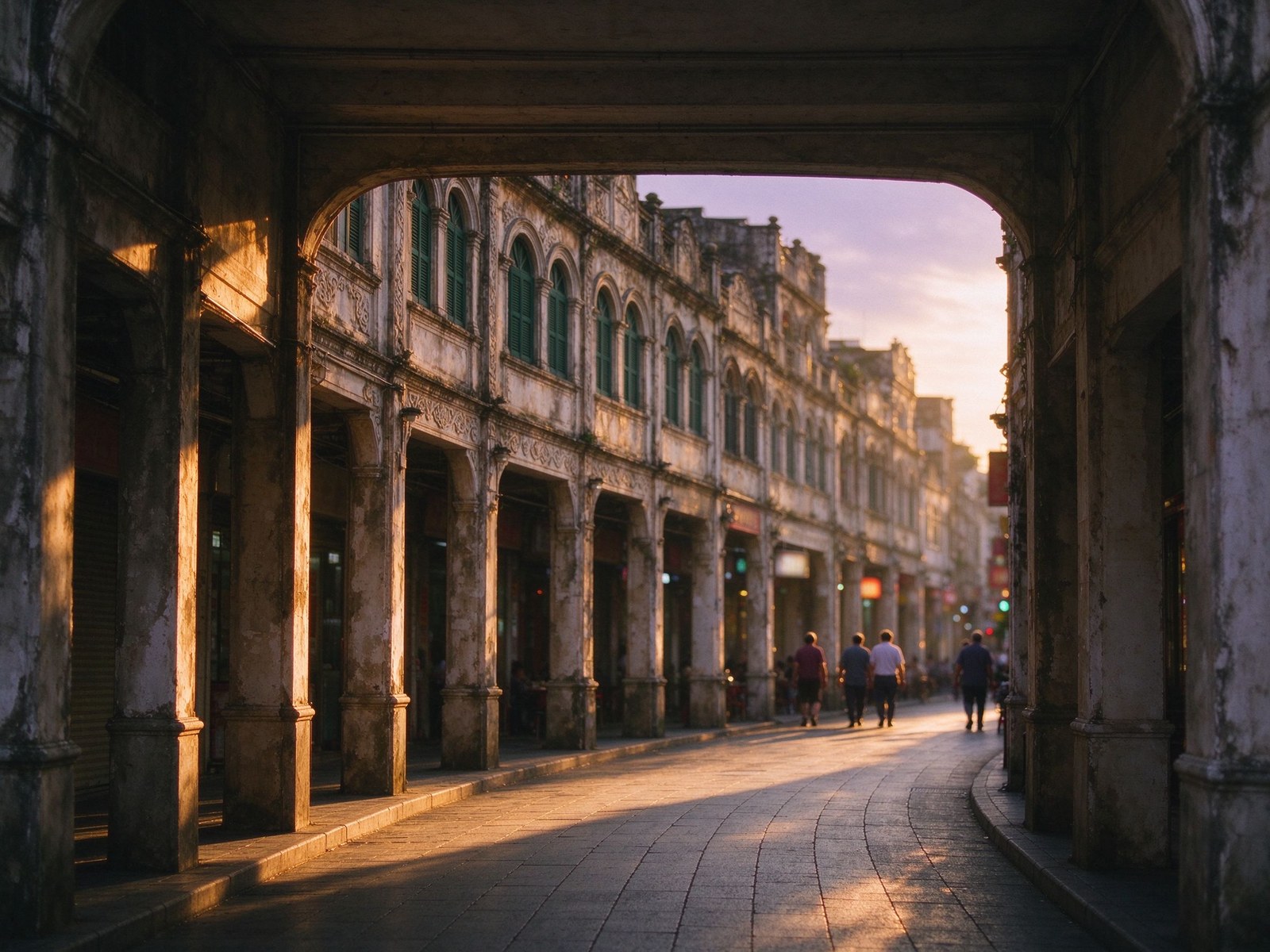
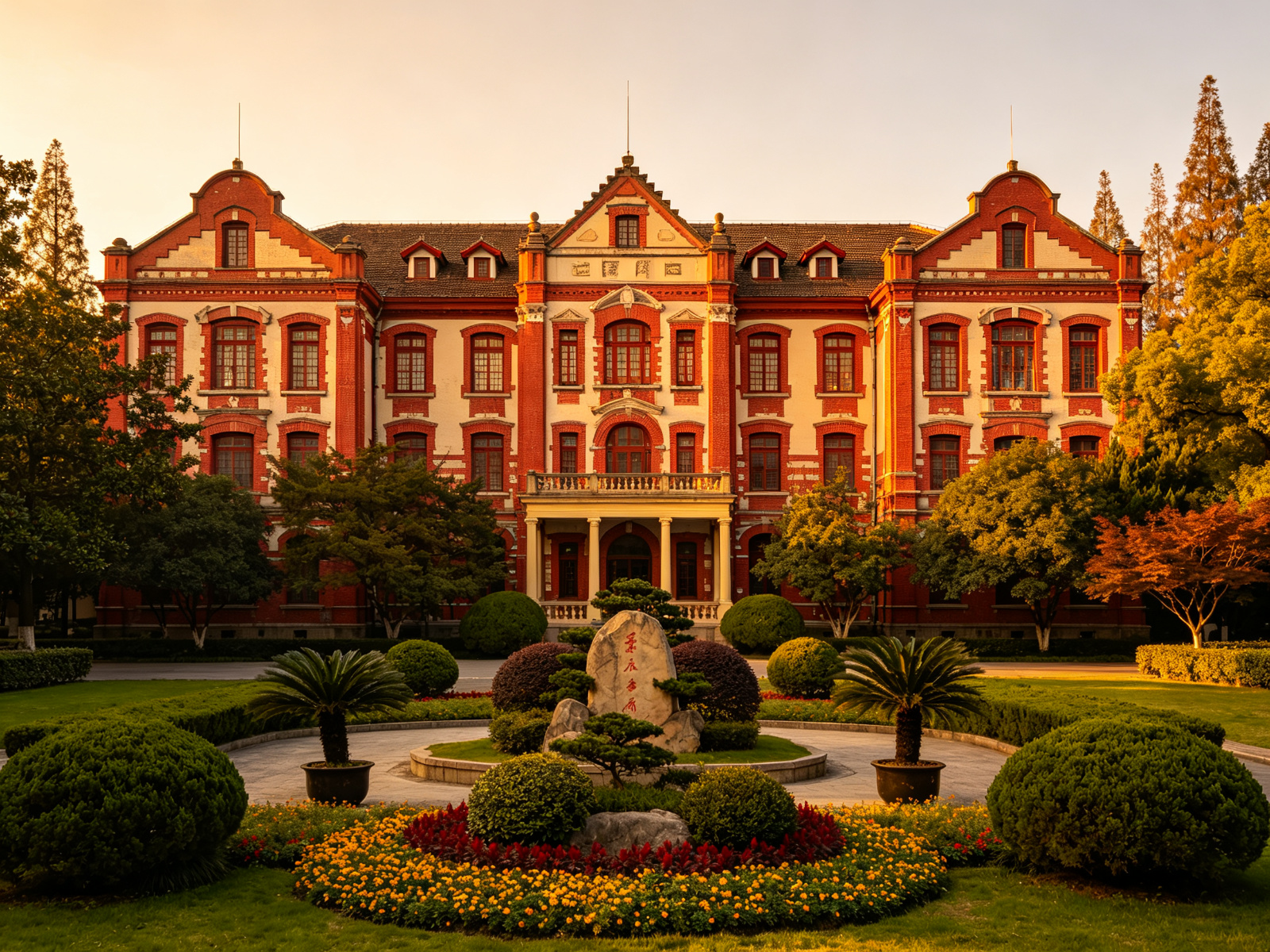
Changjiang Road held the Republic's presidential office and ministries; the Presidential Palace compound mixes Qing, Western, and Republican architecture in one walkable block. Read it as modern history on foot, not as museum fatigue.
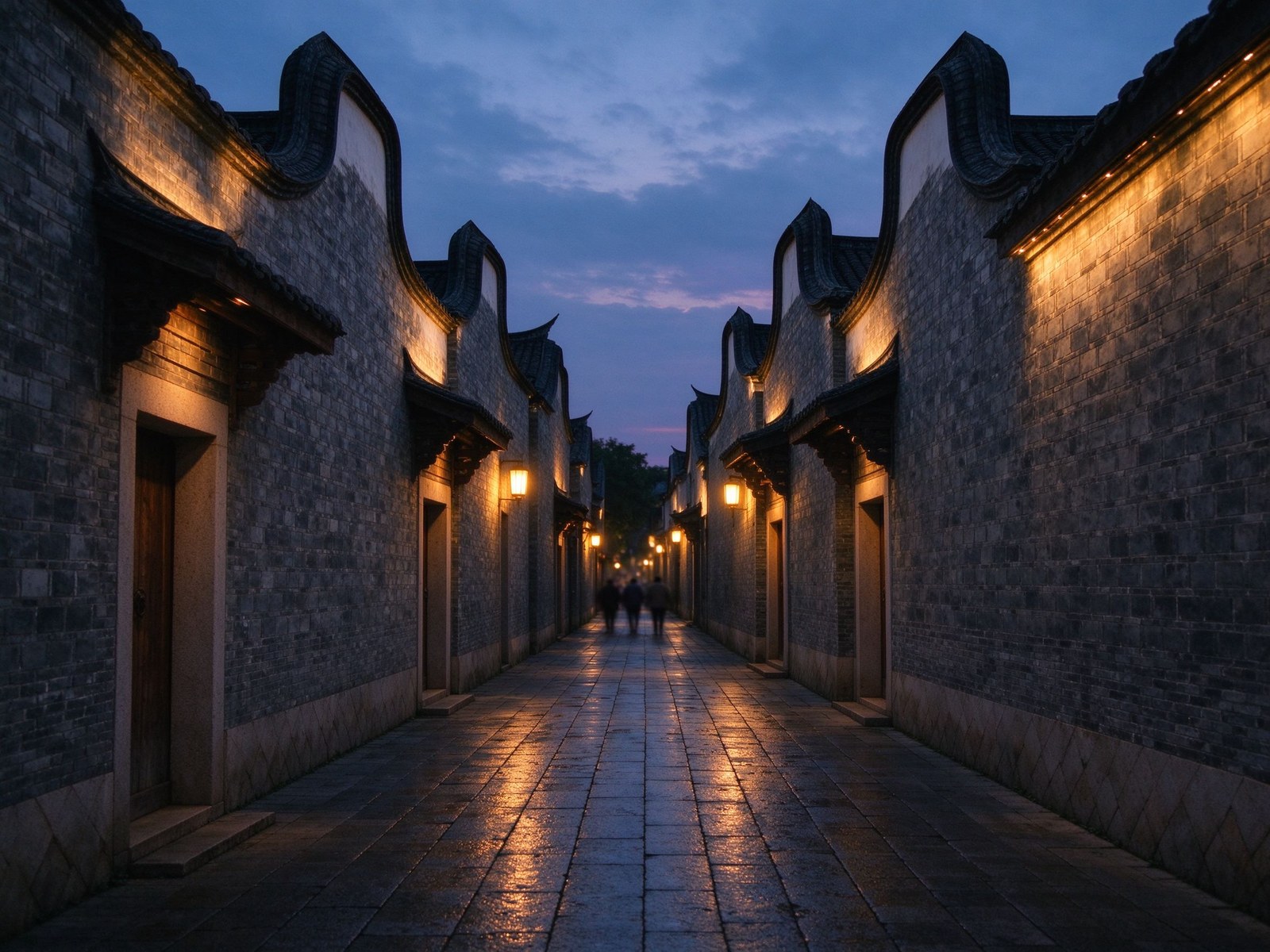
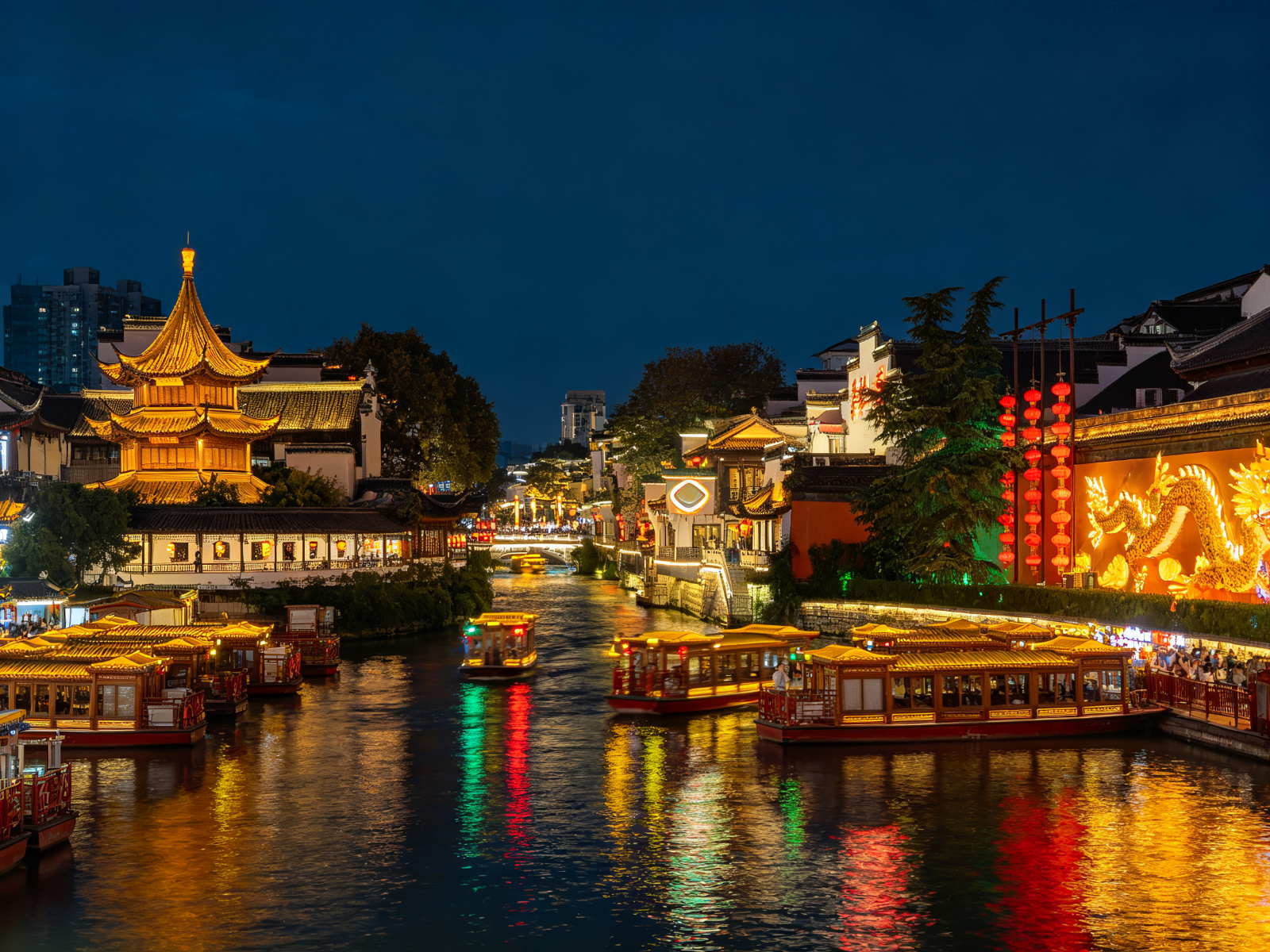
This is not a theme set: locals still eat, boat, and promenade along Fuzimiao every evening. Take the lantern cruise after dark, then eat duck blood vermicelli off the main pedestrian strip where queues are local, not tour-bus.
The city’s signature line — depth entry, not a checklist.
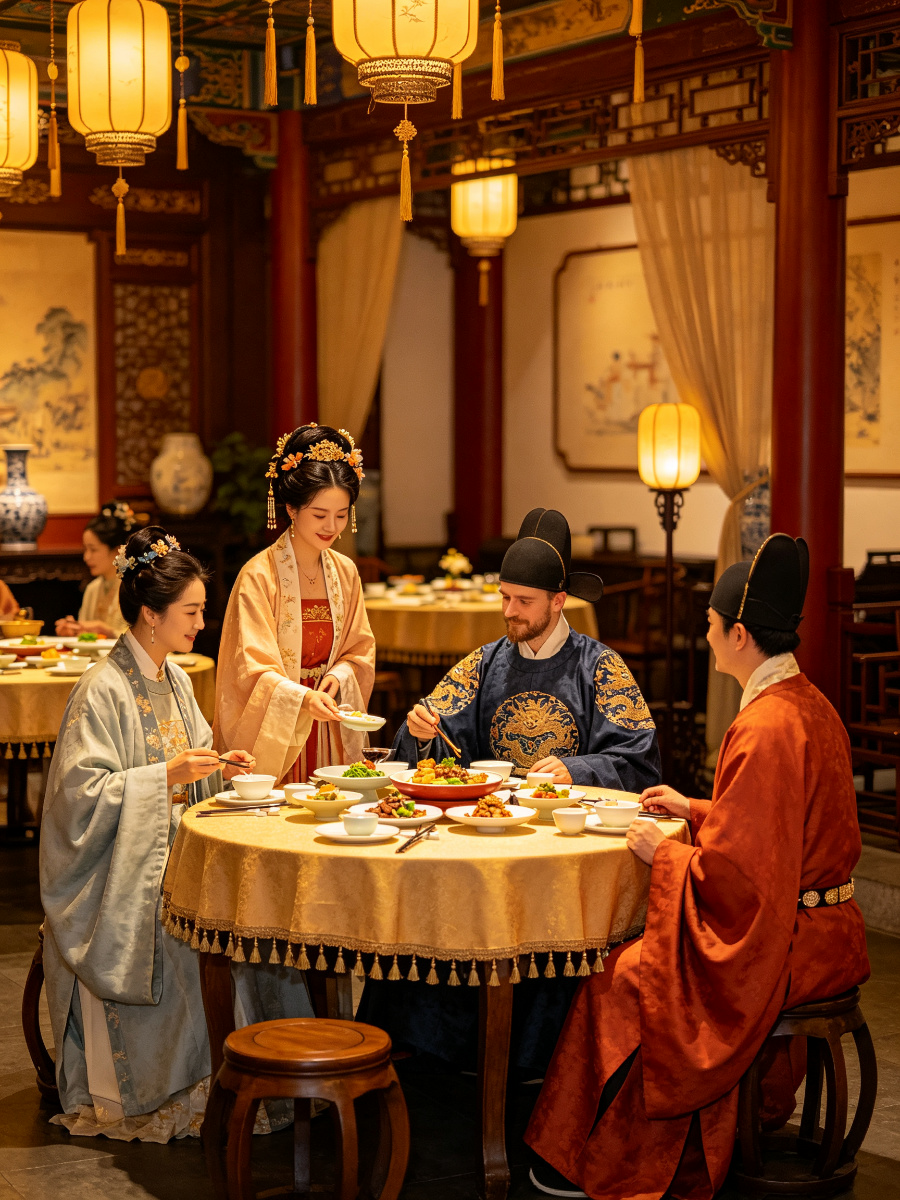
The signature line reads two state funerals 500 years apart on the same forested slope: Ming Xiaoling's Sacred Way (石象路) with its paired stone animals—the prototype for all later Ming-Qing imperial tombs—and Sun Yat-sen Mausoleum's 392 steps climbing to a modernist memorial. Arrive at Muxuyuan metro in the morning; buy the ¥100 four-spot combo if you also want Linggu, Music Stage, and Meiling Palace. End the study line with a Jinling Meng Hua imperial banquet experience.
Add to trip to compare and prepare; check partner links for slots and price when shown.
Beyond ticket notes — read the city’s character first.
Sitting south of the Yangtze between mountains and water, Nanjing was chosen as a capital whenever northern China fell: Eastern Wu, Eastern Jin, and the Southern dynasties, then the early Ming, then the Republic. Observation point: the city wall ring still follows that strategic logic—walk the Xuanwu Lake stretch to feel the enclosed basin.
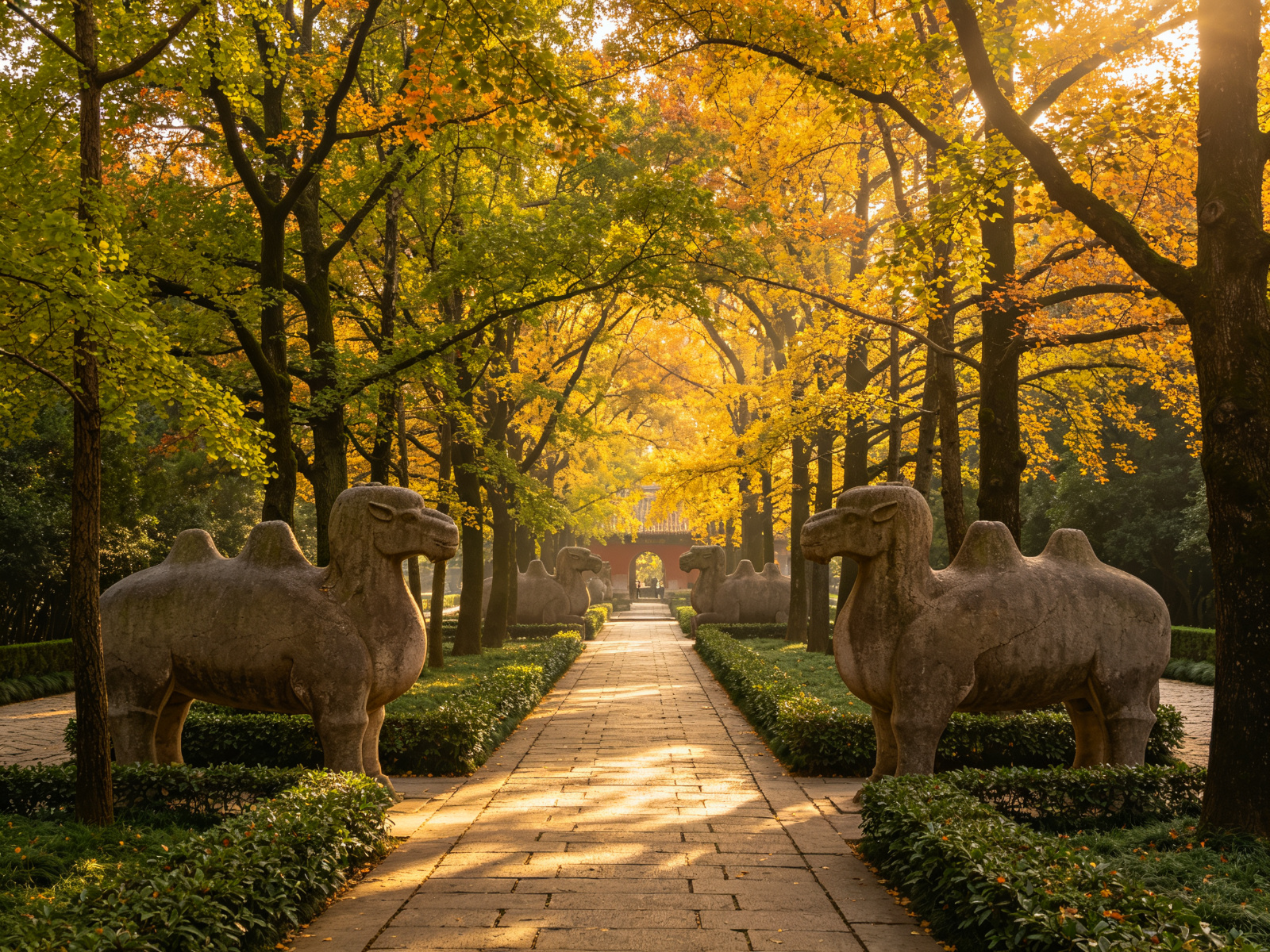
Zhu Yuanzhang's tomb (built 1381–1409) broke from earlier straight-axis mausoleums and set the curved Sacred Way + paired-hall layout that Beijing's Ming Tombs and the Qing tombs copied. Judgment: compare the stone animal pairs on 石象路 with photos of the Ming Tombs—the grammar is identical.
The 392 steps are not decoration: the climb itself is the ritual, turning a Republican founding myth into physical effort. It was designed (1926–29) in a blend of classical columns and Chinese tiled roof—modern nationhood wearing a traditional hat. Walk it as architecture, not as a stair count.
The river was the entertainment district for candidates sitting the Jiangnan imperial exams for centuries; the China Imperial Examination Museum now sits on the old exam hall site. Judgment: take the cruise after dark, then read the Uyi Lane (乌衣巷) poetry—you are standing on the same riverbank.
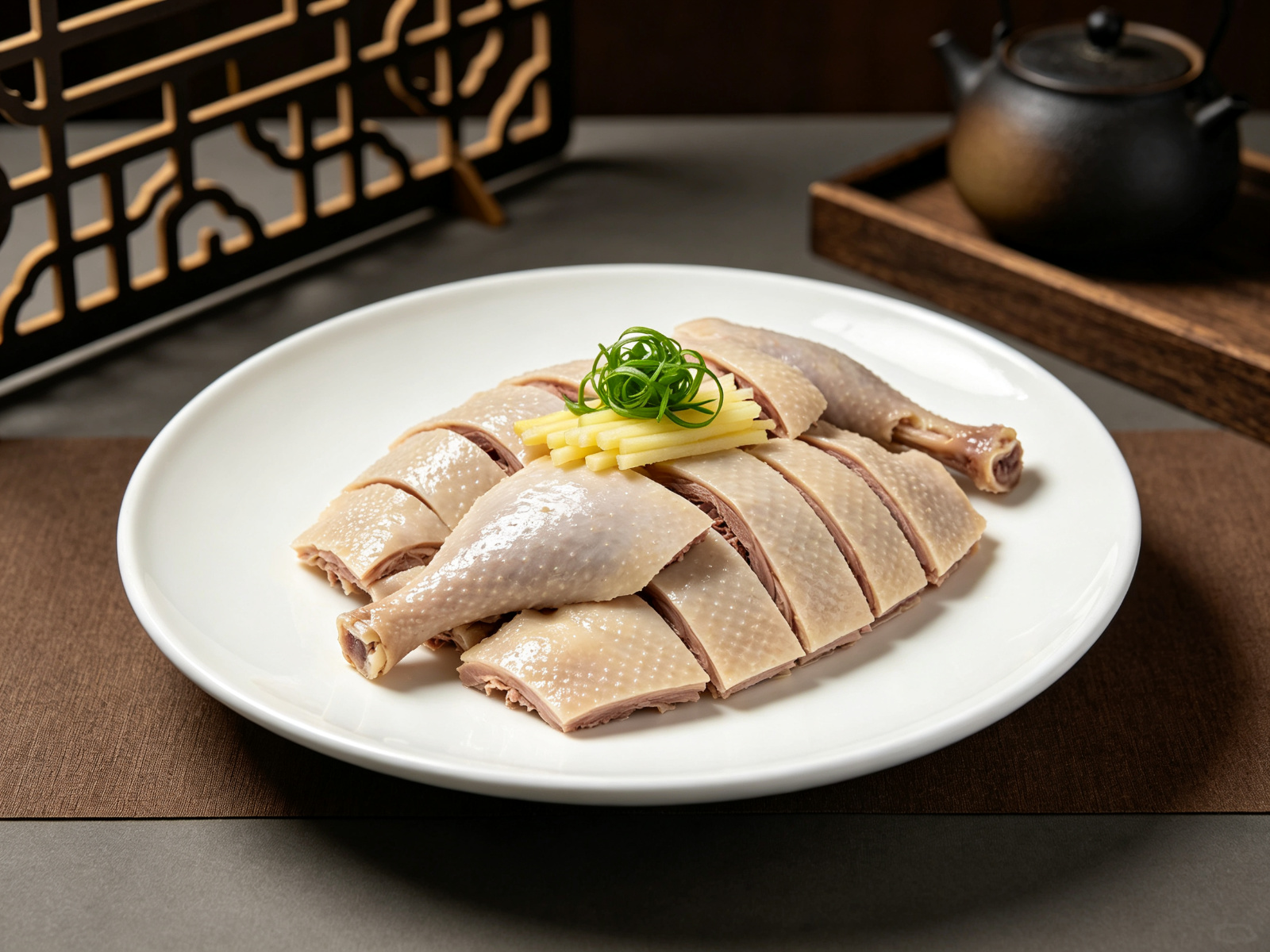
Nanjing has eaten duck for over a millennium, and the menu shows it: salted duck eaten cold at the deli counter, duck blood vermicelli soup for breakfast, duck-fat tangbao. Judgment: order a half duck at a time-honored deli, then a bowl of blood vermicelli—the two together explain the city better than any single dish.
Tickets, duration, transport — ready for your trip cart.
EmergingGrand mausoleum of Sun Yat-sen, father of modern China. 392 steps lead to the memorial hall. Free entry, reservation…
 Popular
Tomb of the first Ming emperor, Zhu Yuanzhang. UNESCO site. The Sacred Way with stone animal statues is iconic.
 Popular
Ancient temple complex along the Qinhuai River with lantern-lit boats, snack streets, and traditional architecture. B…
 Popular
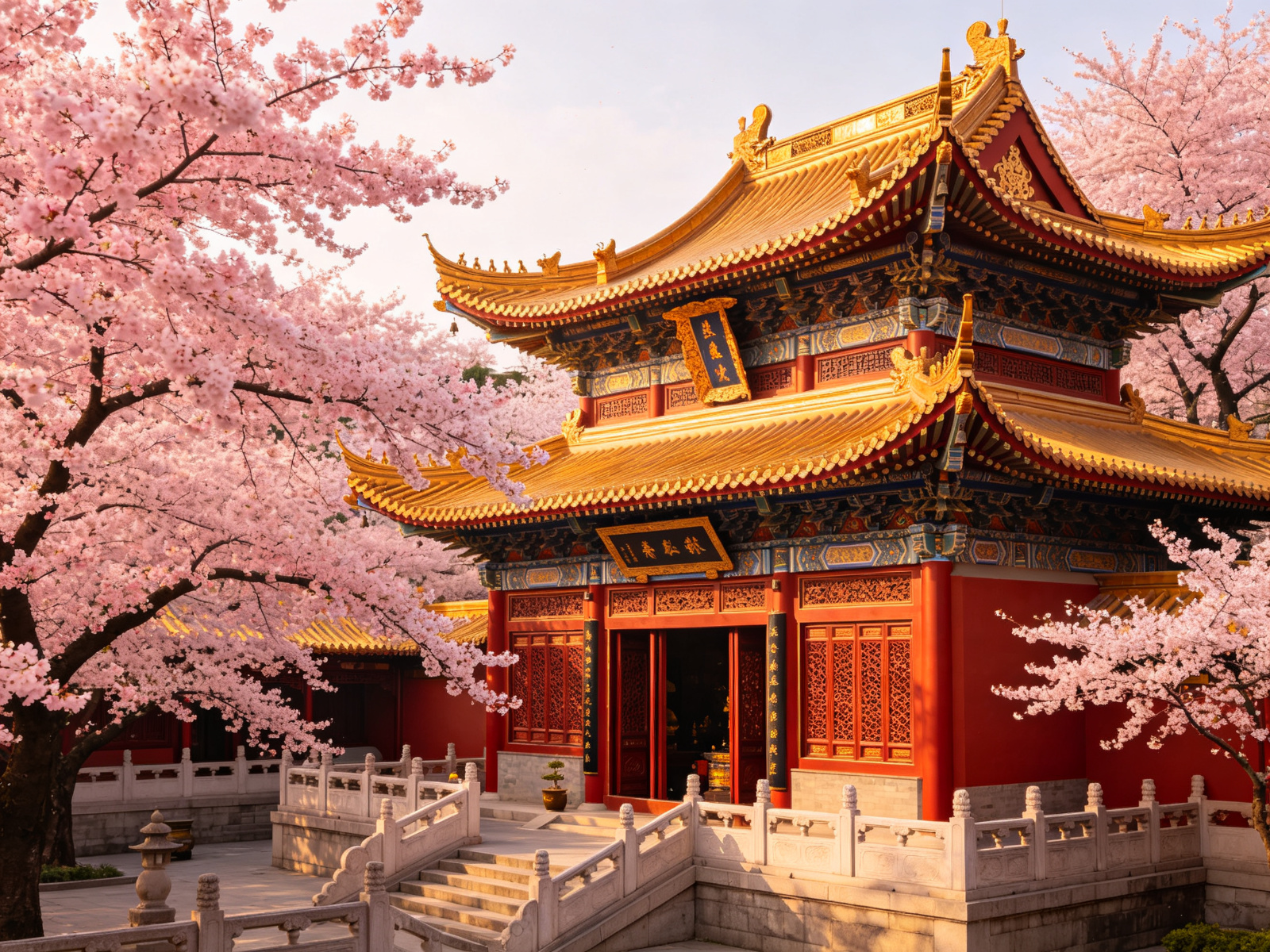
Ancient Buddhist temple (built 527 AD) famous for the cherry blossom avenue leading to it. One of China's top cherry…
 Emerging
Former office of the Republic of China's president (1912–1949). A mix of Qing, Western, and Republican architecture.…
Executable skeletons: day-by-day anchors you can trim to fit.
1-day
For Shanghai–Nanjing same-day HSR visitors; assumes Sun Yat-sen slot already reserved.
Nanjing eating runs on two honest lanes: old-deli salted duck (ask for a freshly cut half at Hanfu Xing-style counters, eaten cold), and breakfast counters for tangbao and duck blood vermicelli soup. Skip the fancy 'heritage snack' shops on Fuzimiao's main pedestrian street—they price tour-bus traffic, not flavor. Eat the osmanthus taro dessert on the spot; it does not travel well.
 Emerging
Tender poached duck with salty-savory flavor. Nanjing's most famous dish, eaten cold. Best in autumn.
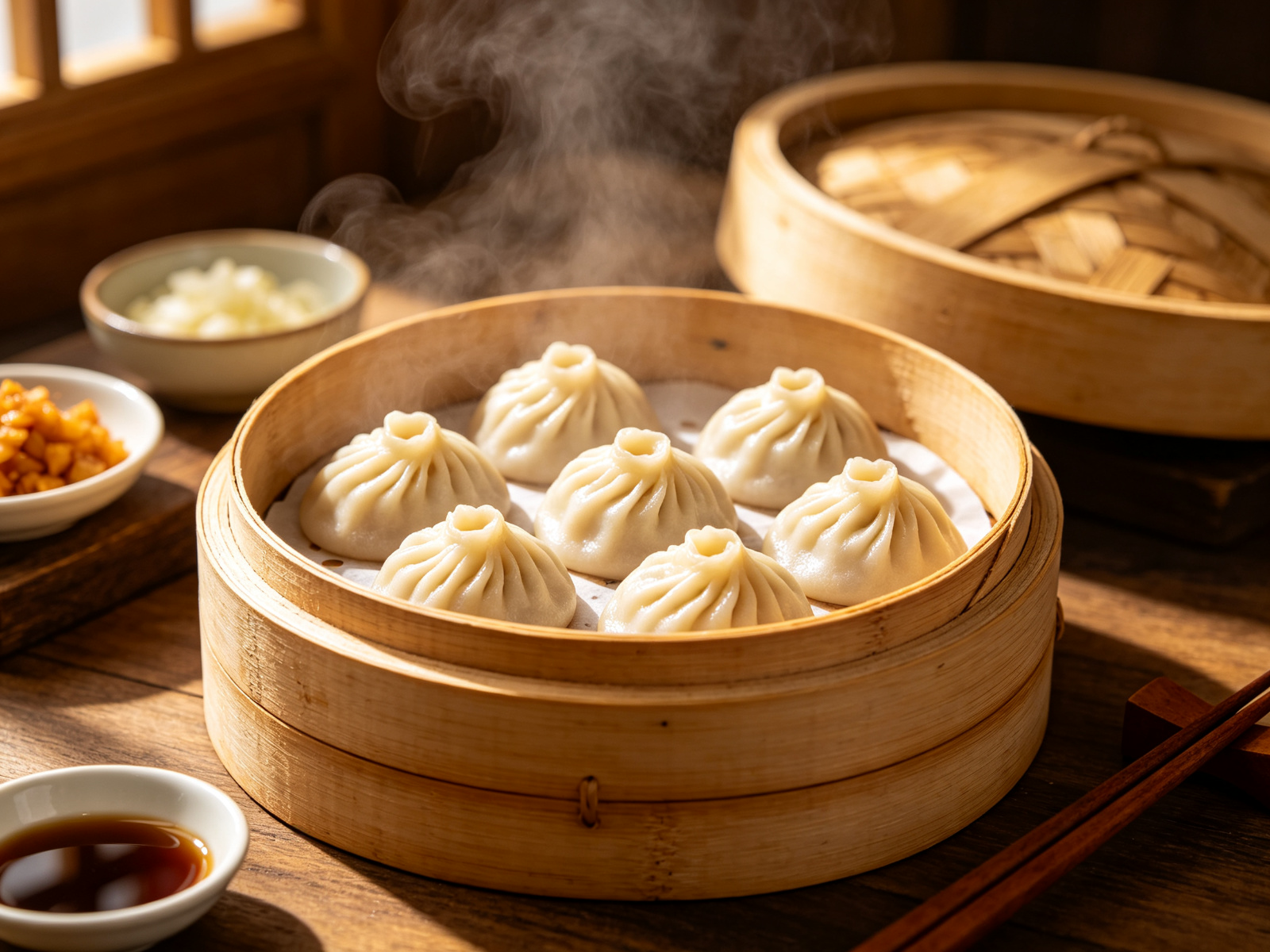 Emerging
Delicate dumplings filled with hot soup and pork. Bite a hole, drink the soup, then eat. Nanjing specialty.
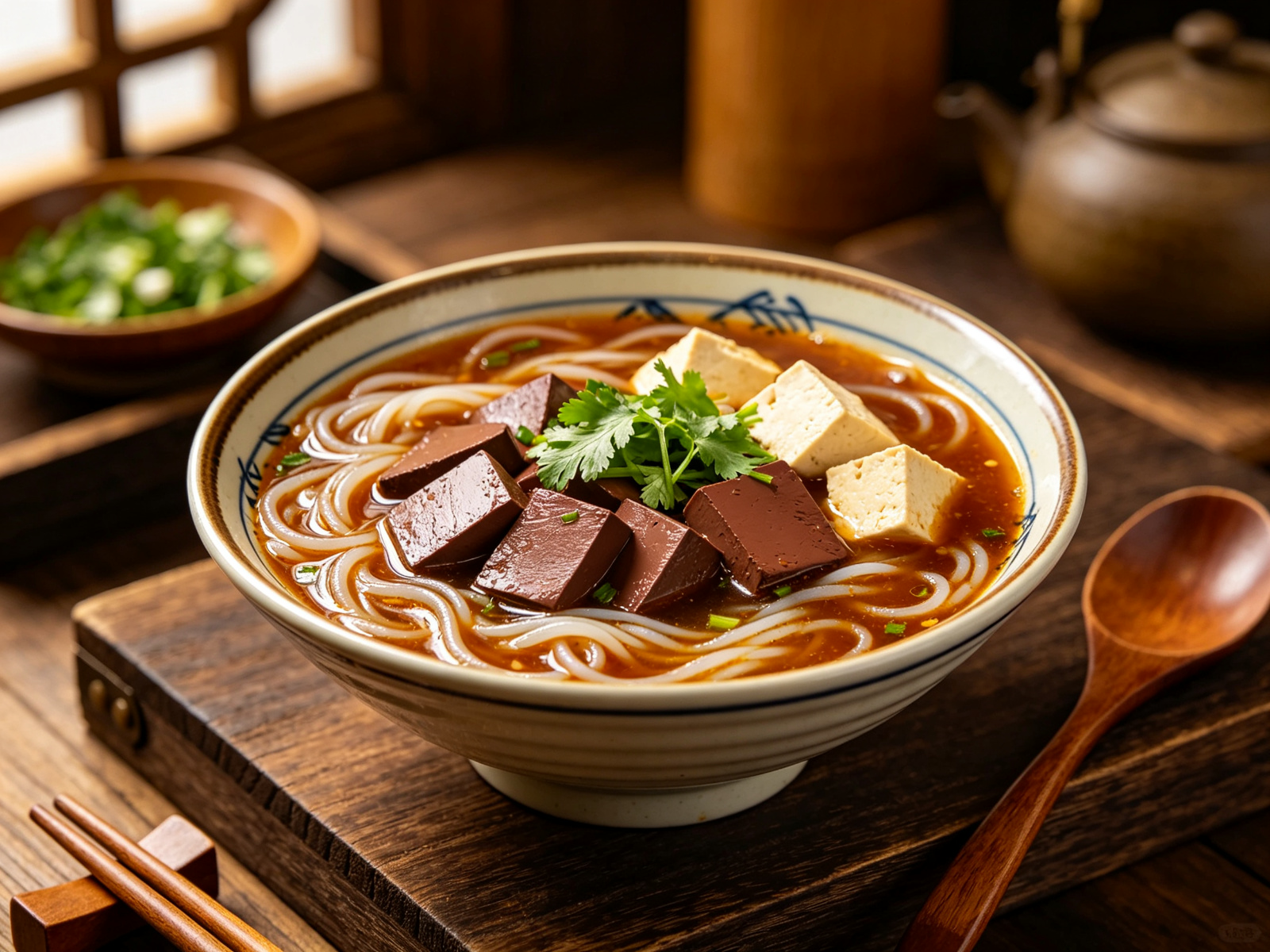 Emerging
Duck blood, vermicelli, duck intestines, and tofu in rich broth. Comfort food classic.
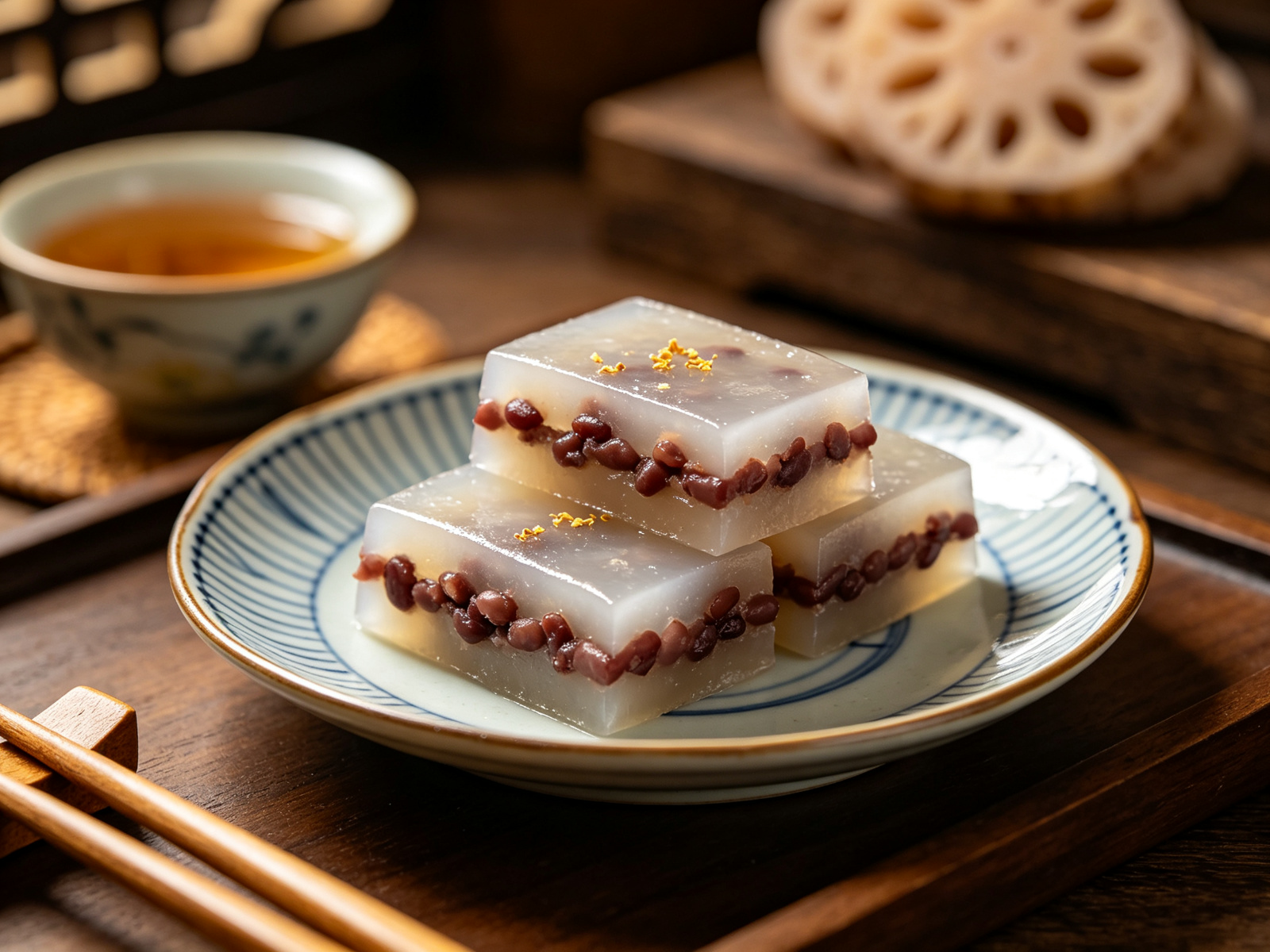 Emerging
Sweet soup with taro balls, osmanthus, and lotus root starch. A traditional dessert.
Best time: March (cherry blossoms), October–November · Four seasons — hot summers, cold winters
Metro (12 lines) covers all attractions. Didi cheap. High-speed rail to Shanghai (1h), Suzhou (1h), Hangzhou (1.5h).
Alipay/WeChat foreign-card service works on the metro and chains; keep ¥200–300 cash for small duck delis and breakfast counters that only take local codes.
Sun Yat-sen closes Mondays and needs a timed free slot; book it for your exact date. Jiming Temple's cherry avenue (late March) draws crowds from 07:00—arrive 06:30 for photos. Fuzimiao Saturday nights are packed; go weekday evenings if you can.
The mausoleum enforces a formal noise ban—no loud voices, no megaphone guides inside the memorial precinct. Keep voices low at Jiming Temple; incense is provided with the entry ticket; queue at boat docks.
Foreign visitors reserve Sun Yat-sen and the Presidential Palace with their passport through the official WeChat mini-programs ('钟山风景区' / '南京总统府'). Carry the passport; hotel check-in and scenic checks both ask for it.
Purple Mountain sights are too far to walk all day: take Metro Line 2 to Muxuyuan, then the scenic shuttle. On holidays private cars into the scenic area require a booked parking slot (limited to 2 bookings per car per month per the administration)—use the metro instead.
Ignore 'free tea tasting' and silver/jewelry pitches around Fuzimiao; book cars through Didi, not touts at metro exits. The mausoleum has not authorized any third-party ticket seller.
Metro (12 lines) covers all attractions.
Didi cheap.
Metro, stalls, and rides mostly take Alipay or WeChat. Set up Alipay with a foreign card before you land.
Show the Chinese name “南京” to drivers and staff. It beats a long English explanation.
Book tickets, transfers, and popular tours via partners first — then request deeper local experiences through ChinaPie.
Disclosure: Some links are affiliate links. ChinaPie may earn a commission on eligible bookings at no extra cost to you.
Prices shown are planning references only. Actual rates fluctuate with season, holidays, demand, and partner promotions — the price at checkout on the booking site is authoritative.
Conversion stays soft — clear next steps: plan this city, or request planning help.
Yes for typical tourist areas. Keep phones and bags secure on metro and in crowded night spots; use licensed taxis or Didi.
Depends on your passport. Check ChinaPie Plan & Prep → Visa for 30-day visa-free and 240-hour transit options before booking.
Yes—foreigners can set up Alipay with passport + international card. See /prep/alipay-setup for the step-by-step guide.
Late March (around March 20–31) is peak at Jiming Temple. The 400m cherry blossom avenue draws massive crowds. Go at 6am for photos. Jiming Temple itself opens at 7am.
China offers unilateral visa-free entry to 40+ countries including France, Germany, UK, Japan, South Korea, Singapore, Malaysia, Thailand, Italy, Spain, Netherlands, Switzerland, Sweden, Norway, Denmark, Finland, Belgium, Austria, Ireland, Portugal, Greece, and more. Stay: up to 30 days. IMPORTANT: US passport holders are NOT on the unilateral visa-free list and need a visa. Check latest list at China Immigration official site before travel.
Yes. US passport holders need a visa to enter mainland China. The 10-year multiple-entry tourist visa (L visa) is common: $185 fee, processing 3-5 business days. You can also use the 240-hour transit visa-free if transiting to a third country. Apply at Chinese embassy/consulate or via authorized visa agencies. Many travel blogs incorrectly say US is visa-free — this is false.
Major hotels, international restaurants, and large malls accept Visa/Mastercard. But most small shops, street food, taxis, and local experiences only accept Alipay or WeChat Pay. Link your foreign card to Alipay (Tour Card) for daily use. Carry some cash (¥500-1000) as backup.
China is consistently ranked among the safest countries for tourists. Violent crime against foreigners is extremely rare. Common issues: pickpocketing in crowded areas (train stations, metro), taxi scams at airports, and fake goods at markets. Normal precautions apply: keep valuables secure, use licensed taxis/Didi, don't accept unsolicited tours. Women traveling solo generally feel very safe even at night.
Most first-timers do well with 1–3 days. Start with the 1-day core: Purple Mountain by day, Qinhuai by night, then expand to 2–3 days if you want slower food and culture. Use Plan this city to turn stops into a workable week.
Foreign cards work more often via Alipay / WeChat Pay tourist modes and some metro apps, but coverage still varies by merchant. Keep a small cash float and set payment apps up before peak sightseeing. See the practical section on this hub for city-specific notes.