Dujiangyan Visual Travel Guide
Illustrated city overview — not a scale map. Use Routes below for day-by-day stops you can open in Planner.
Dujiangyan · 都江堰
Dujiangyan is the one-day trip where a 2,250-year-old dam-free irrigation system still waters the Chengdu Plain, the mountain where Taoism was founded rises behind it, and a far quieter panda research valley sits in the same forest—all a half-hour train from Chengdu.
City-level visual guides and reviewed photos — infographics are illustrated overviews, not scale maps.
Illustrated city overview — not a scale map. Use Routes below for day-by-day stops you can open in Planner.
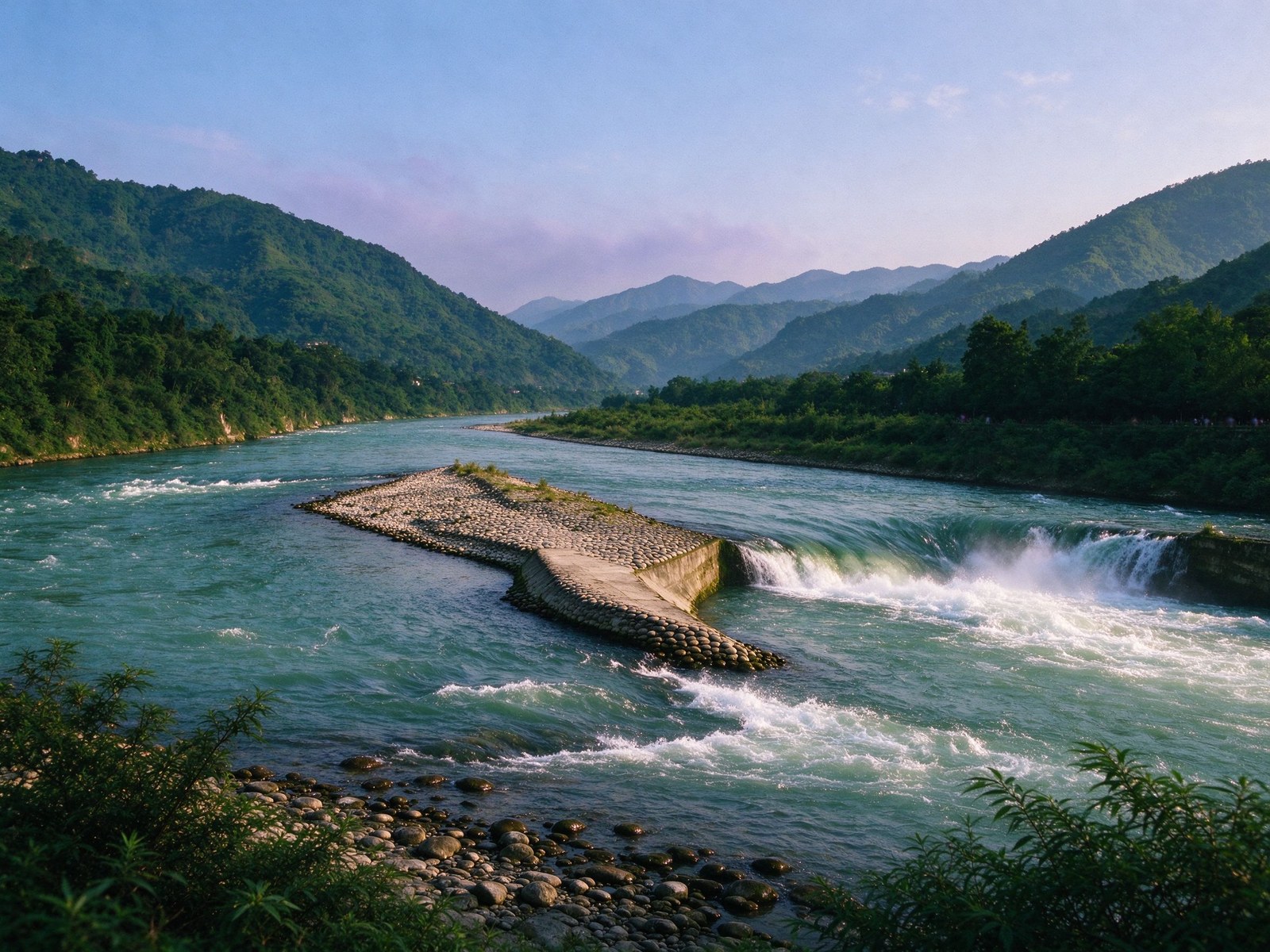
Li Bing's no-dam scheme (Yuzui fish-mouth, Feishayan spillway, Baopingkou inlet) diverts the Min River without a single dam and still irrigates ~668,700 ha. Start at the south gate near Nanqiao, walk up to Yuzui, and read how the water divides before you touch it.
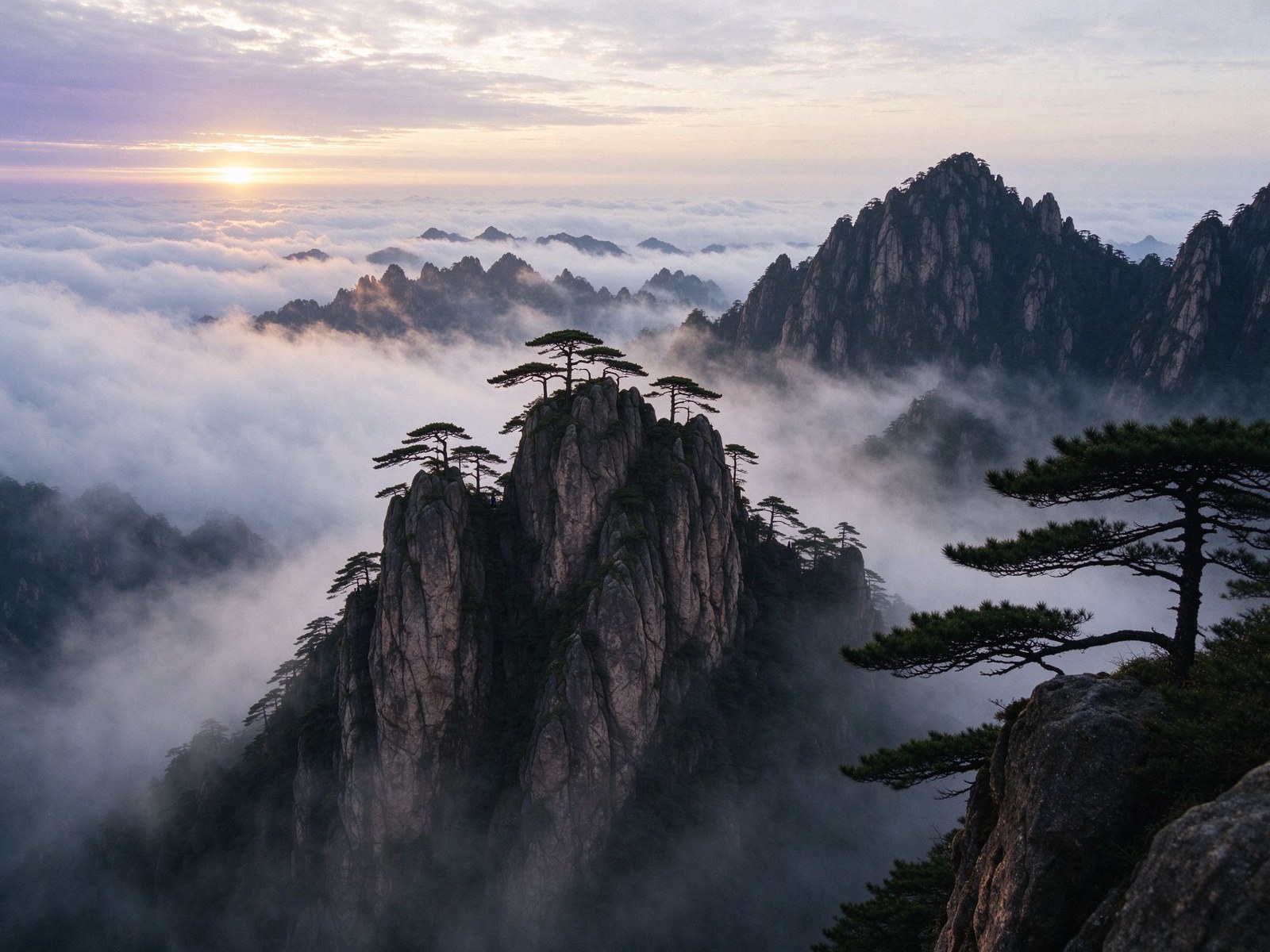
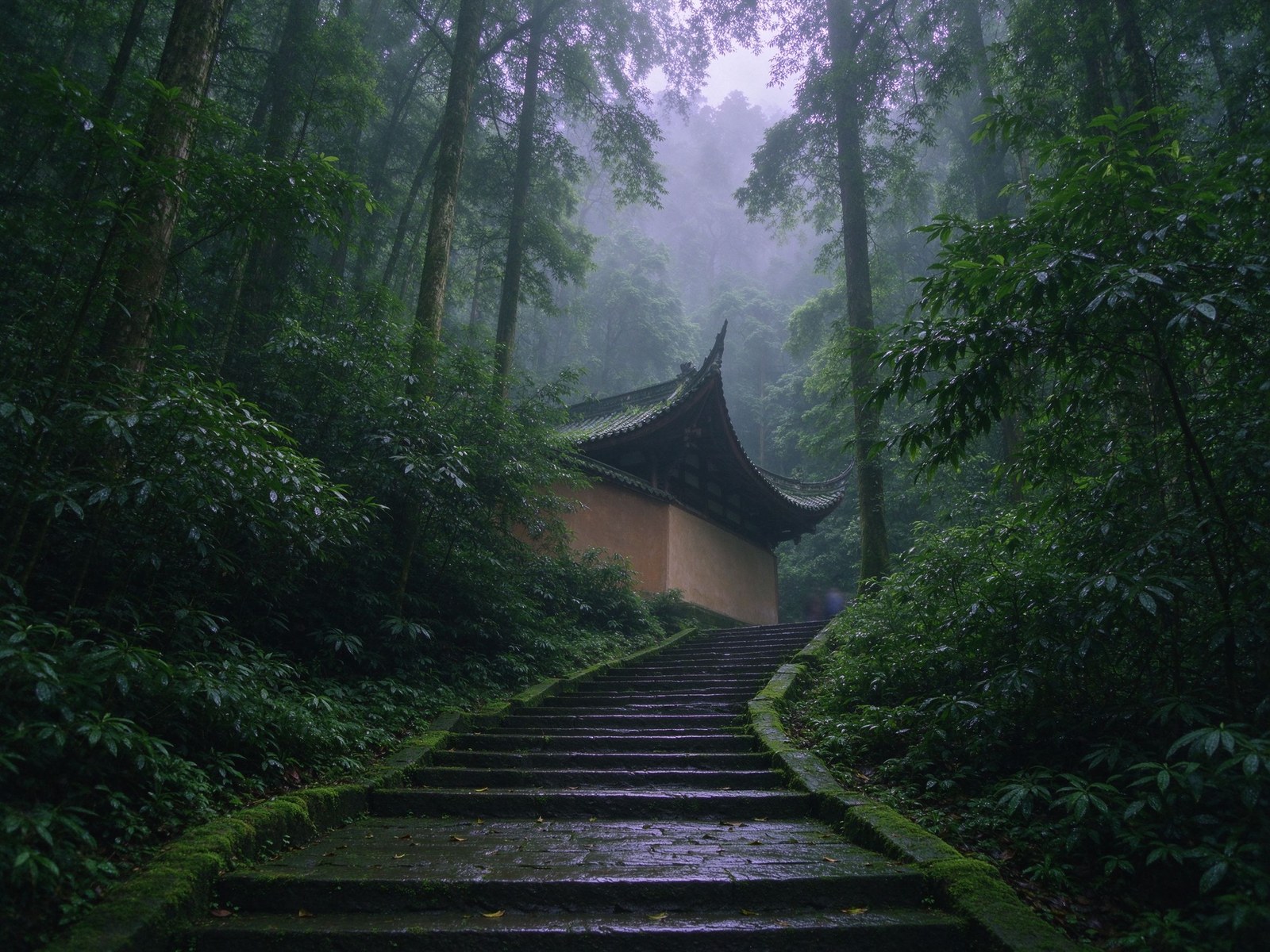
Zhang Ling established Celestial Master Taoism here in 142 CE. Climb the stone steps through subtropical forest to Tianshi Cave and Shangqing Palace; half a day on the Front Mountain is enough—save the Back Mountain gorge for hikers.
This is the Chengdu Base's wild-release center in a forested valley—fewer crowds, plus a free-range red-panda zone. Arrive at opening, because pandas move inside once it warms up after late morning; book online in advance, there is no gate window.
The city’s signature line — depth entry, not a checklist.
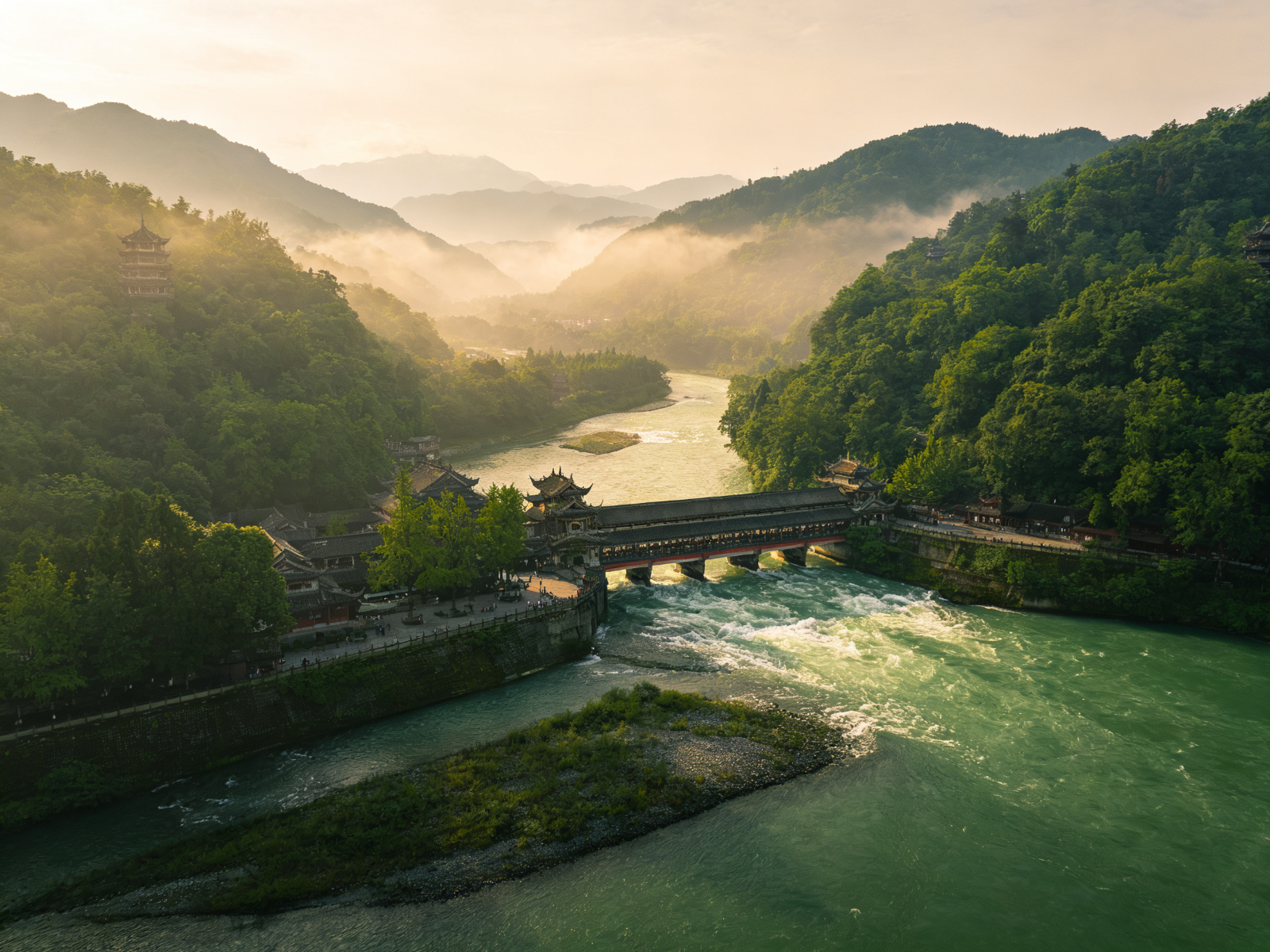
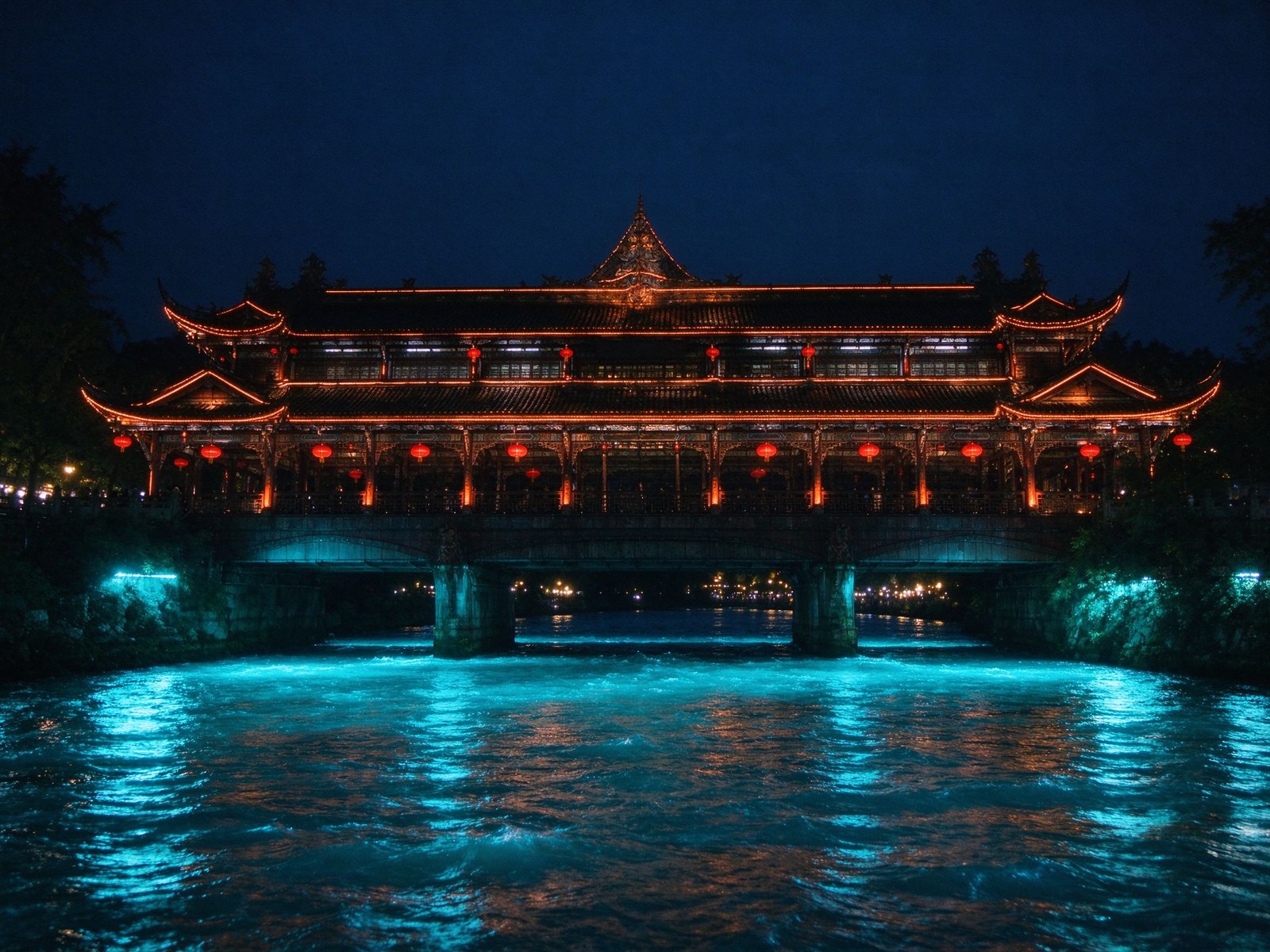
The signature Dujiangyan sequence: a morning at the UNESCO weir—Yuzui, Feishayan, Baopingkou, Anlan Suspension Bridge and Erwang Temple—then lunch in the free Guanxian Old Town food lanes. Add either Qingcheng Front Mountain's Taoist steps or Panda Valley for the afternoon, and finish at Nanqiao covered bridge when the river below turns blue-green after dark.
Add to trip to compare and prepare; check partner links for slots and price when shown.
Experience listings are still growing — plan with routes & culture, or request planning help.
Beyond ticket notes — read the city’s character first.
Built around 256 BC under Qin official Li Bing, the system uses the river's own bends—Yuzui diverts, Feishayan spills flood and silt, Baopingkou controls intake—no dam, no gates in the modern sense. UNESCO credits it as a landmark in water management still discharging perfectly.
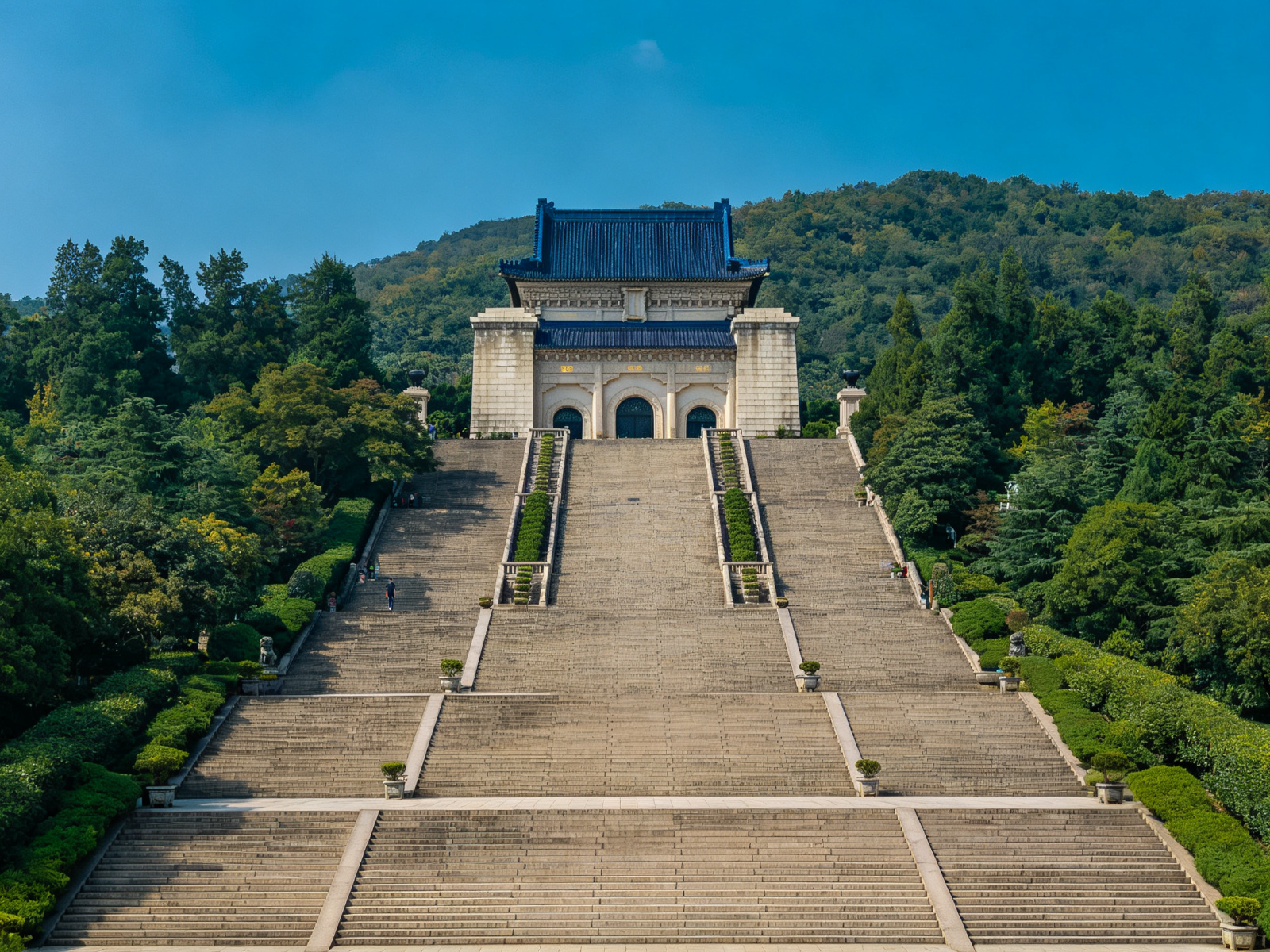
In 142 CE Zhang Ling (Zhang Daoling) gathered disciples on Mount Qingcheng and founded the Way of the Celestial Masters. The eleven surviving temples—Jianfu Palace, Tianshi Cave, Shangqing Palace—are the ancestral court of Zhengyi Taoism.
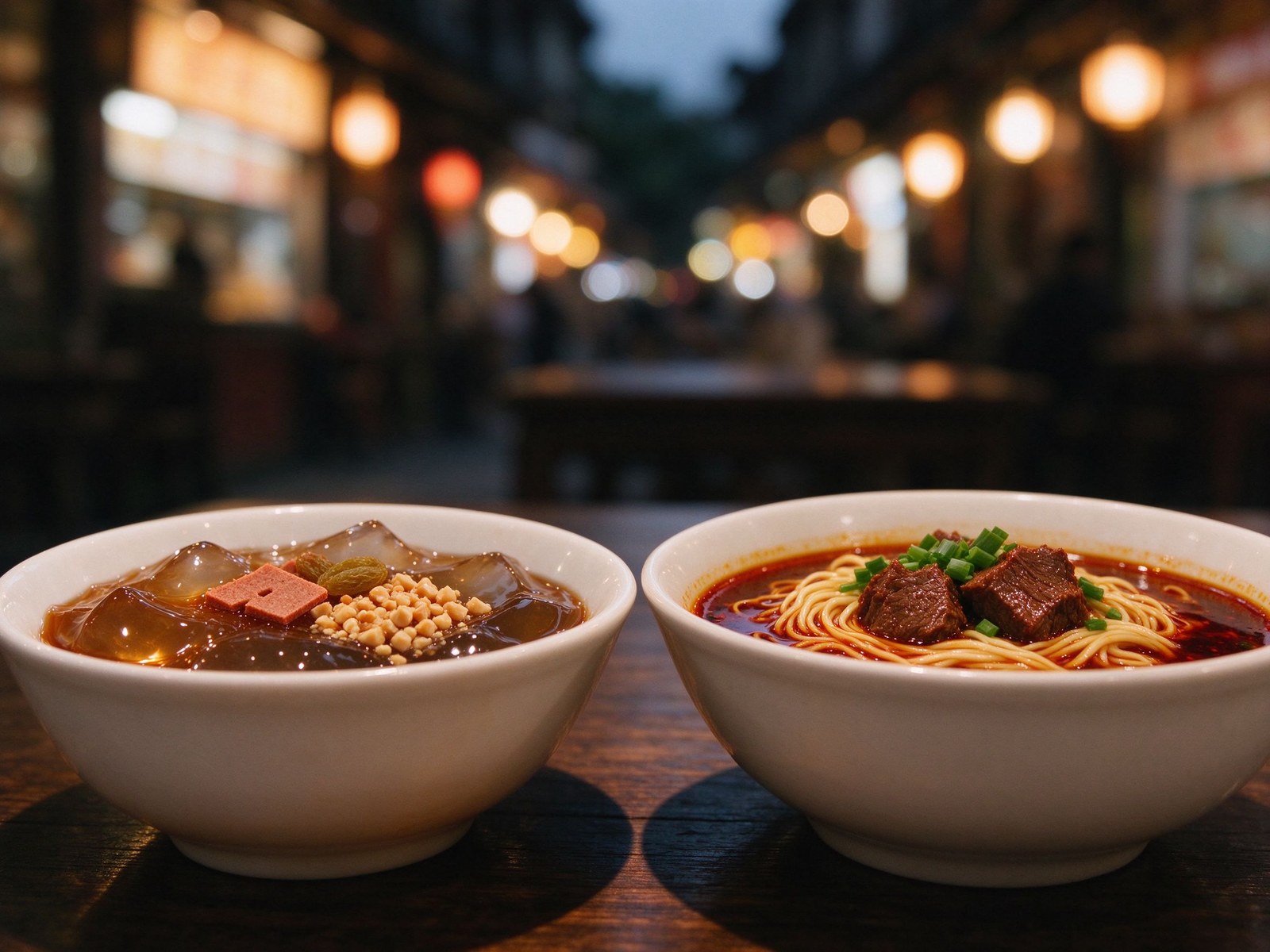
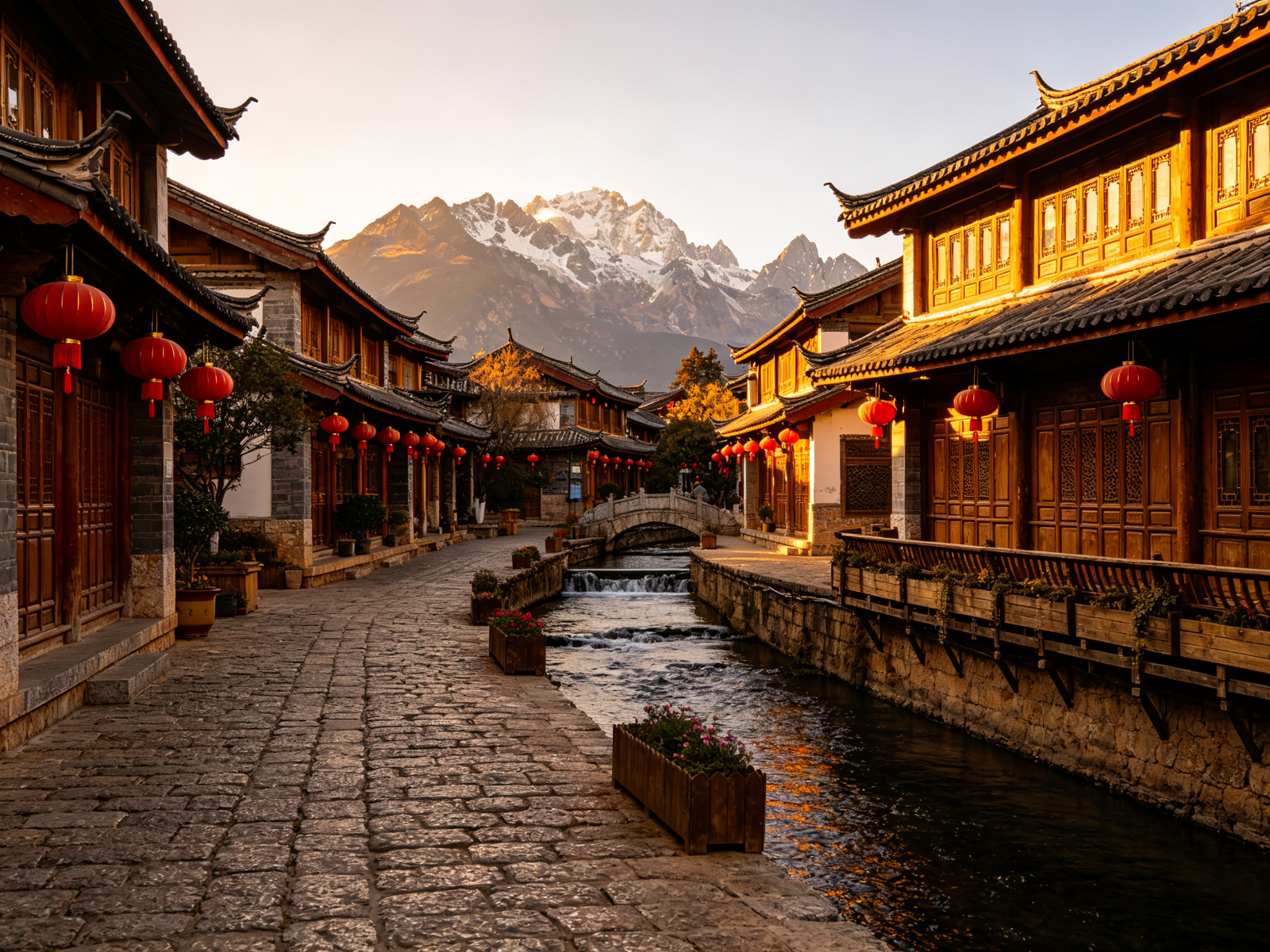
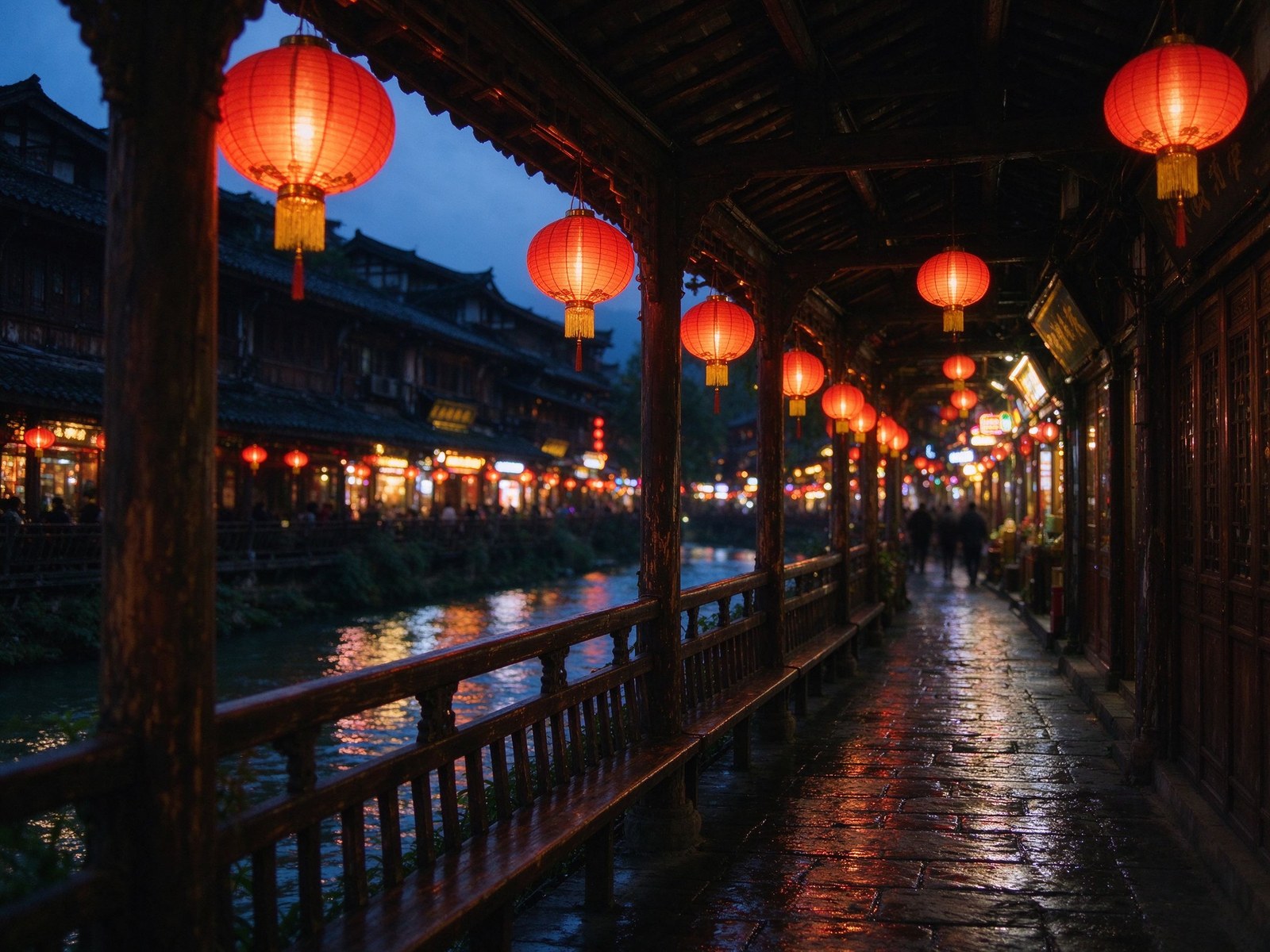
Guanxian (old Dujiangyan) sat on the ancient Tea Horse Road route into Tibet. The restored Yangliuhe canal lanes and West Street city wall are a food district today—the tofu pudding and beef-noodle stalls are the living layer, not a stage set.
Panda Valley is the Chengdu Base's reintroduction center—pandas are trained and screened for return to the wild, and red pandas roam free. Watching from the footpaths, the point is the habitat science, not a photo queue.
Dujiangyan city was near the 2008 Wenchuan quake epicenter. UNESCO records the weir itself was basically undamaged, while some Qingcheng temples were damaged and later restored with national and Shanghai/Macao support. The structures you walk today mix original and rebuilt fabric.
Tickets, duration, transport — ready for your trip cart.
 Emerging
Real-name booking via the '青城山都江堰' / '悦游都江堰' WeChat accounts; enter by swiping your ID card. Foreign-passport holders…
 Emerging
Real-name booking via the same '青城山都江堰' WeChat account, select Qingcheng Front/Back Mountain; enter by ID card. Cable…
 Emerging
Book 0–7 days ahead via the 'Panda Valley' WeChat official account; scan your original ID card/passport QR to enter.…
 Emerging
No reservation needed. Most small stalls are mobile-pay/cash only; ask before photographing vendors.
 Emerging
No reservation or ticket. Stalls and tea houses line both bridge approaches from evening; do not enter the lit river…
Executable skeletons: day-by-day anchors you can trim to fit.
1-day
For travelers with a single day from Chengdu. Built around the morning weir visit and an evening at Nanqiao.
Eat where Guanxian locals end the afternoon: the canal-side Yangliuhe lanes just off the scenic south gate—tofu pudding, Zhao Maimian beef noodles, hot-pot glass noodles, bingfen ice jelly and yak yogurt, most ¥10–25 a bowl. For souvenirs, buy sealed Qionglai kiwi or local tea you will actually drink; skip the over-packaged 'heritage gift boxes' at the old-town entrance where tour coaches stop. Nanqiao's Blue Tears is a free riverside photo spot—the food stalls on the bridge approaches are cheap but cash/phone-pay only.
Best time: April–October for green forest and warm rivers; September–October has mild, clear air. Avoid national holidays (the scenic area sells out). Winter is quiet and cheaper to book, but the weir closes an hour earlier. · Humid subtropical mountain climate—mild winters, hot humid summers, frequent rain April–October and year-round mist on Qingcheng.
The old town, Dujiangyan scenic south gate and Nanqiao are walkable together. Local bus 1/4 and the scenic direct bus run to Dujiangyan scenic (Gongyuan Road / Lidui); bus 101 runs from Dujiangyan town to Qingcheng Front Mountain (~16 km). Panda Valley sits in Yutang town (Baima Village)—reach it by taxi/ride-hail (~20–30 min from town). Intercity HSR links Dujiangyan and Qingchengshan stations back to Xipu/Chengdu. Fly into Chengdu, then take the Chengdu–Dujiangyan intercity high-speed train from Chengdu/Xipu to Dujiangyan Station or Qingchengshan Station (~30 min). From Dujiangyan Station, bus 4/scenic direct or a short taxi reaches the old town and scenic south gate; if you base at Qingcheng, the station is steps from the Front Mountain bus 101 terminus. Confirm the latest HSR and last-train times for late returns to Chengdu.
Dujiangyan and Qingcheng require real-name ID booking via the '青城山都江堰' / '悦游都江堰' WeChat accounts; enter by swiping your ID card. Foreign-passport holders book with passport numbers and use the manual/gate channel. Panda Valley has NO offline window—book online up to 7 days ahead via the 'Panda Valley' WeChat account; bring the passport you booked with.
Scenic tickets and chain shops take Alipay/WeChat (foreign cards can be bound). Old-town stalls and Nanqiao night food are mostly mobile-pay-only or cash—keep ¥200–400 small notes for noodles, skewers and weighed snacks; show Chinese addresses to taxi drivers.
Book 3–7 days ahead for holidays—the scenic area warns tickets sell out. At Panda Valley, arrive at opening (7:50 peak) because pandas move inside after late morning when it warms. For Nanqiao Blue Tears, lights come on around 19:30; it is outside the paid scenic area and free.
Do not feed, tease or touch pandas/red pandas; no drones, pets or open flames in Panda Valley. On Qingcheng, stay on stone steps and keep voices low around temples. At Nanqiao, ask before photographing stall owners; no wading into the lit river channel.
Humid subtropical mountain climate—rainy April–October, mist on Qingcheng year-round. Bring an umbrella/rain shell and non-slip shoes for wet stone steps. River breeze at Nanqiao at night is cool—carry a light jacket. Summer is hot; winter (Jan–Feb) the weir closes an hour earlier.
From Chengdu, the Chengdu–Dujiangyan intercity HSR reaches Dujiangyan and Qingchengshan stations in ~30 minutes. In town, bus 1/4 and the scenic direct bus run to Dujiangyan scenic (Gongyuan Road); bus 101 connects Dujiangyan town to Qingcheng (16 km). Panda Valley is in Yutang town—taxi/ride-hail from Dujiangyan town is the practical option.
The old town, Dujiangyan scenic south gate and Nanqiao are walkable together.
Local bus 1/4 and the scenic direct bus run to Dujiangyan scenic (Gongyuan Road / Lidui); bus 101 runs from Dujiangyan town to Qingcheng Front Mountain (~16 km).
Metro, stalls, and rides mostly take Alipay or WeChat. Set up Alipay with a foreign card before you land.
Show the Chinese name “都江堰” to drivers and staff. It beats a long English explanation.
Book tickets, transfers, and popular tours via partners first — then request deeper local experiences through ChinaPie.
Disclosure: Some links are affiliate links. ChinaPie may earn a commission on eligible bookings at no extra cost to you.
Prices shown are planning references only. Actual rates fluctuate with season, holidays, demand, and partner promotions — the price at checkout on the booking site is authoritative.
Conversion stays soft — clear next steps: plan this city, or request planning help.
Yes for typical tourist areas. Keep phones and bags secure on metro and in crowded night spots; use licensed taxis or Didi.
Depends on your passport. Check ChinaPie Plan & Prep → Visa for 30-day visa-free and 240-hour transit options before booking.
Yes—foreigners can set up Alipay with passport + international card. See /prep/alipay-setup for the step-by-step guide.
Take the Chengdu–Dujiangyan intercity high-speed train from Chengdu/Xipu to Dujiangyan Station (for the weir and old town) or Qingchengshan Station (for Mount Qingcheng); the ride is about 30 minutes. In town, bus 1/4 or the scenic direct bus reaches the Dujiangyan scenic south gate; bus 101 connects to Qingcheng. Confirm the last HSR train back to Chengdu for late nights.
Yes—book real-name tickets via the '青城山都江堰' or '悦游都江堰' WeChat accounts and enter by swiping ID card; reserve 3–7 days ahead for holidays. Foreign-passport holders book with their passport number and enter through the manual/gate channel. Adult ticket is ¥80 for both Dujiangyan and Qingcheng Front Mountain; cable car is paid separately on site.
Panda Valley is the Chengdu Base's wild-release research center near Dujiangyan (in Yutang town)—quieter, with a free-range red-panda zone. Full ticket is ¥55 / half ¥27. Crucially, there is NO offline window: every visitor must book online up to 7 days ahead via the 'Panda Valley' WeChat account; passport numbers are accepted. Arrive at opening (07:50 peak) because pandas move inside after late morning.
No. The official scenic operator explicitly states the 'Blue Tears' floodlit river spot is outside the paid Dujiangyan scenic area. You view it for free from Nanqiao covered bridge after dark (lights typically on around 19:30); combine it with the Guanxian Old Town food lanes beside the bridge.
China offers unilateral visa-free entry to 40+ countries including France, Germany, UK, Japan, South Korea, Singapore, Malaysia, Thailand, Italy, Spain, Netherlands, Switzerland, Sweden, Norway, Denmark, Finland, Belgium, Austria, Ireland, Portugal, Greece, and more. Stay: up to 30 days. IMPORTANT: US passport holders are NOT on the unilateral visa-free list and need a visa. Check latest list at China Immigration official site before travel.
Most first-timers do well with 1–3 days. Start with the 1-day core: the weir + old town + Nanqiao lights, then expand to 2–3 days if you want slower food and culture. Use Plan this city to turn stops into a workable week.
Foreign cards work more often via Alipay / WeChat Pay tourist modes and some metro apps, but coverage still varies by merchant. Keep a small cash float and set payment apps up before peak sightseeing. See the practical section on this hub for city-specific notes.