Huangshan Visual Travel Guide
Illustrated city overview — not a scale map. Use Routes below for day-by-day stops you can open in Planner.
Huangshan · 黄山
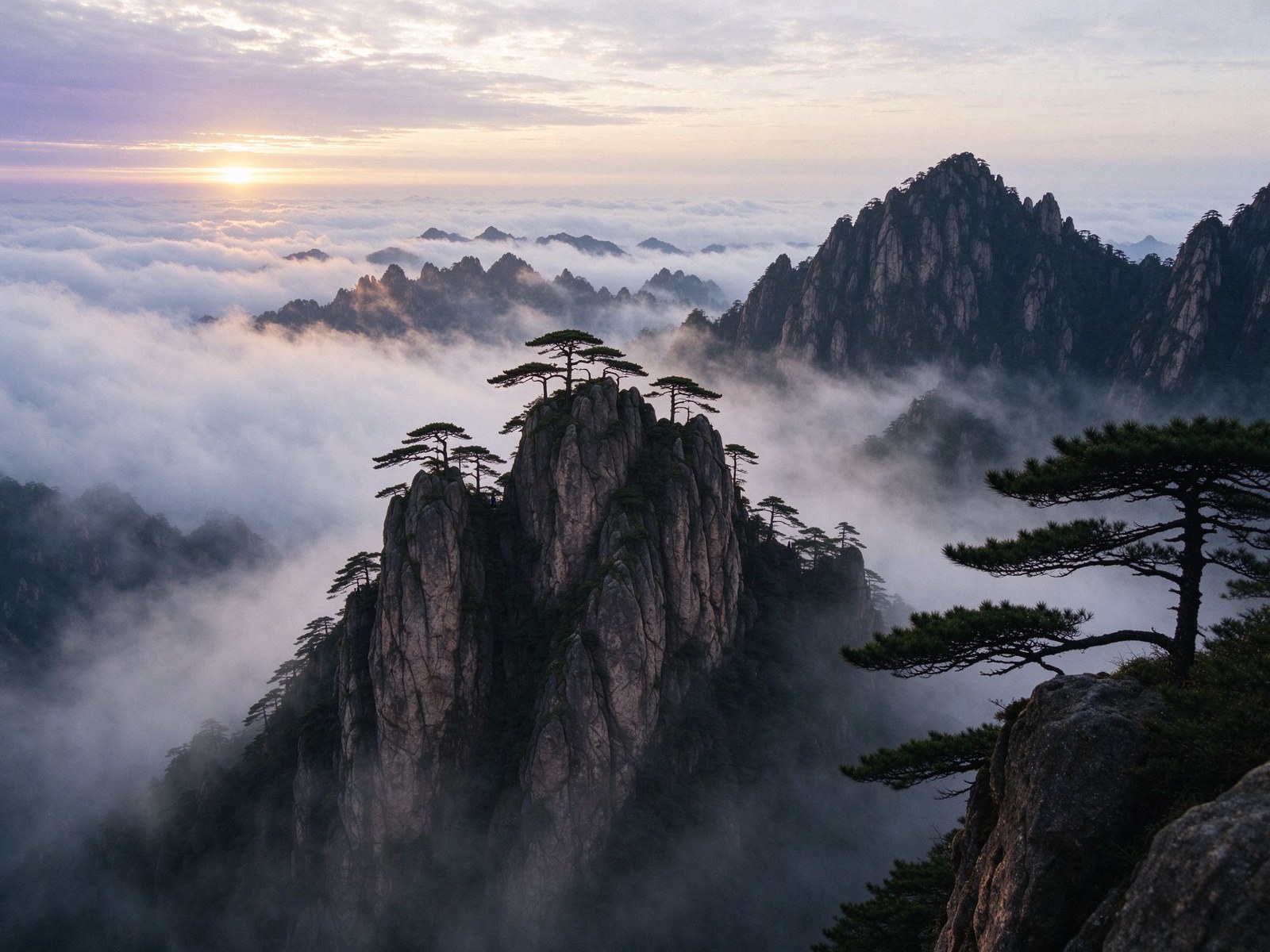
Huangshan is where Chinese landscape painting was invented: a granite Unesco dual World Heritage mountain of cloud seas and twisted pines, ringed by the white-walled Huizhou merchant villages that paid for those paintings—and the city is the access point for both, not just a mountain gate.
City-level visual guides and reviewed photos — infographics are illustrated overviews, not scale maps.
Illustrated city overview — not a scale map. Use Routes below for day-by-day stops you can open in Planner.
UNESCO credits Huangshan with birthing the Ming Shanshui school—Shi Tao and Zhu Da painted here. Walk the West Sea Grand Canyon at dawn and the pines, granite pillars and cloud sea you see are the same vocabulary the painters used.
The entry ticket is valid for three days with re-entry. Stay one night in a summit hotel to catch sunrise over Guangming Ding, then use the cable cars to skip the grunt climb—this is a paced mountain, not a sprint.
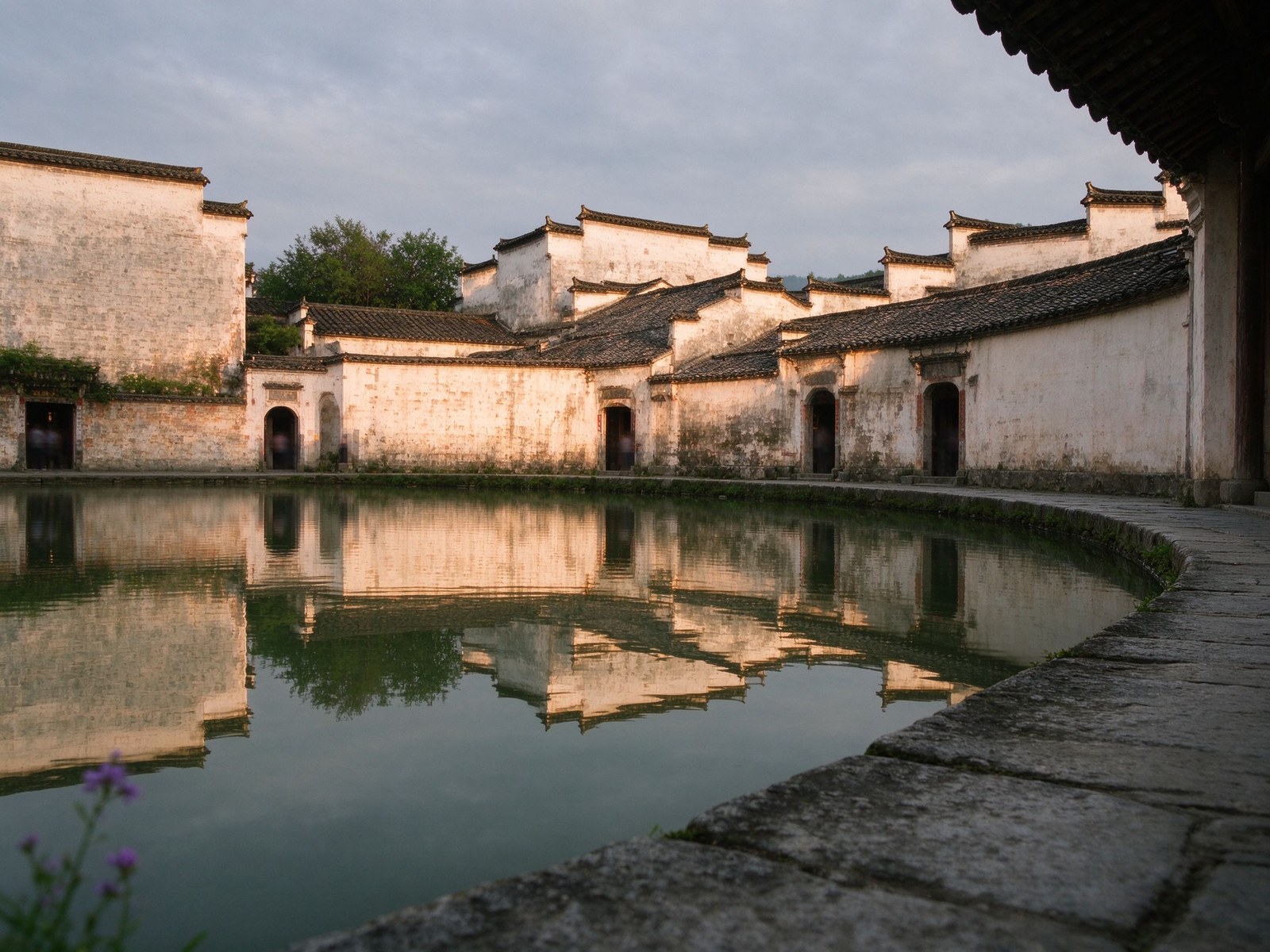
Hongcun's crescent Moon Pond and Xidi's alleyways are a 2000 Unesco cultural listing—900-year-old water systems and Huizhou merchant mansions. Do them as a half-day side trip from the HSR station, not as a mountain-day add-on.
The city’s signature line — depth entry, not a checklist.
The signature Huangshan sequence: arrive at Tunxi, take the HSR North Station shuttle to the South Gate (Tangkou), ride a cable car up, hike the West Sea Grand Canyon loop, sleep on the summit for sunrise over Guangming Ding and the Welcoming Pine. Descend the next morning, then spend a half-day at Hongcun's Moon Pond or Xidi's merchant lanes before departing.
Add to trip to compare and prepare; check partner links for slots and price when shown.
Experience listings are still growing — plan with routes & culture, or request planning help.
Beyond ticket notes — read the city’s character first.
UNESCO cites Huangshan as the inspiration behind the Ming Shanshui (mountain-water) school—Shi Tao, Jian Jiang and the Xin'an school painters worked these same ridges. The granite pillars, twisted pines and cloud sea are not scenery; they are a visual language.
The mountain was renamed Huangshan (Yellow Mountain) by imperial order in Tang 747, tied to the legend of the Yellow Emperor (Huang Di) refining an elixir here. Before that it was called Yishan—the emperor's name stuck.
Hongcun and Xidi were built by Huizhou salt and tea merchants who retired rich and built courtyard mansions home. The white walls, horse-head gables (matou qiang) and wood-brick-stone carvings are the architectural signature of a mercantile clan culture that dominated Ming-Qing trade.
Hongcun's South Lake and crescent Moon Pond are a 15th-century gravity-fed irrigation and fire-prevention system: water channels through every household before draining south. It is why the village reads as a 'painting'—the water was planned.
Huizhou produced She inkstone (Shexian) and Huizhou ink sticks—tools of the very painting tradition Huangshan inspired. Tunxi Old Street still sells both; buy from a named workshop, not the street-side souvenir stalls.
Tickets, duration, transport — ready for your trip cart.
PopularReal-name timed directional reservation via the 黄山旅游官方平台 WeChat mini-program—book 1+ days ahead (3 days for holidays)…
 Popular
No timed directional slot like the mountain; buy on arrival or via the official channel. Early entry beats the midday…
 Popular
No timed slot; buy at the village gate. Xidi is the better choice if you want merchant-house architecture without Hon…
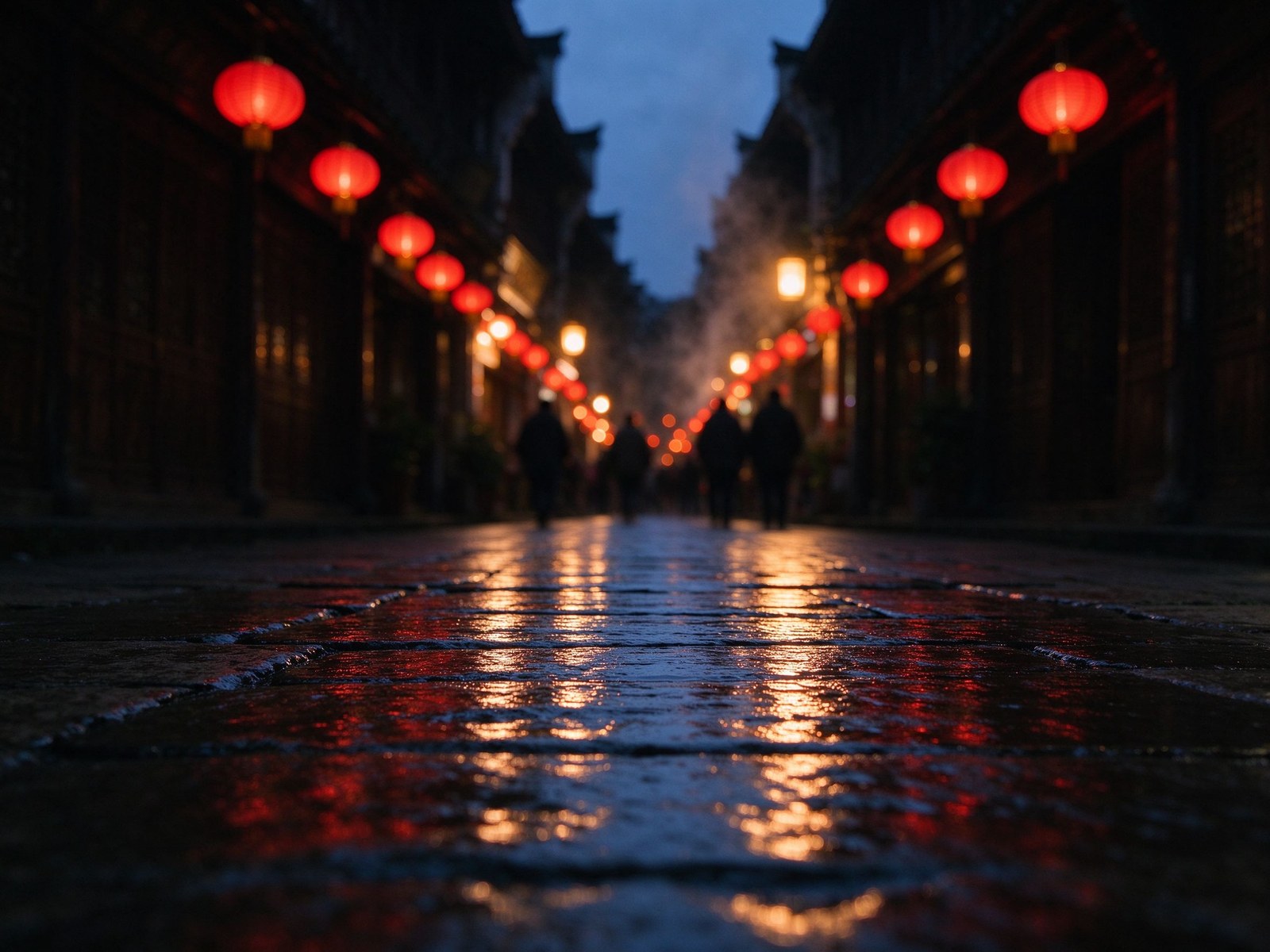
No reservation needed. Weekends and national holidays are crowded; go early or after 20:00 for quieter lanes.
 Popular
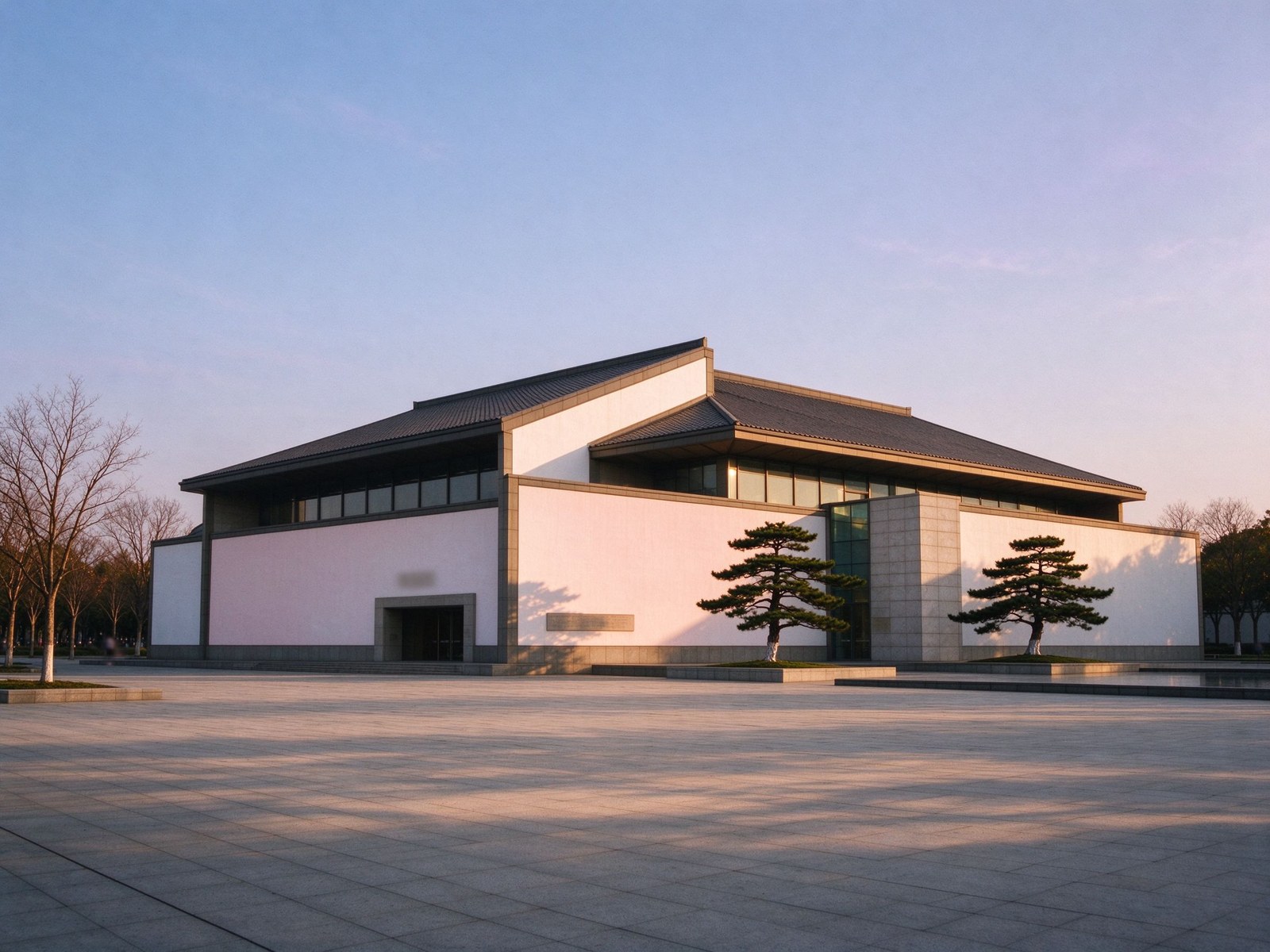
Real-name ID/passport checked at entry; closed Mondays. No timed slot confirmed—reconfirm Monday closure and holidays…
Executable skeletons: day-by-day anchors you can trim to fit.
1-day
For travelers arriving on HSR today. Builds Huizhou context before the mountain and uses the flat, walkable old town.
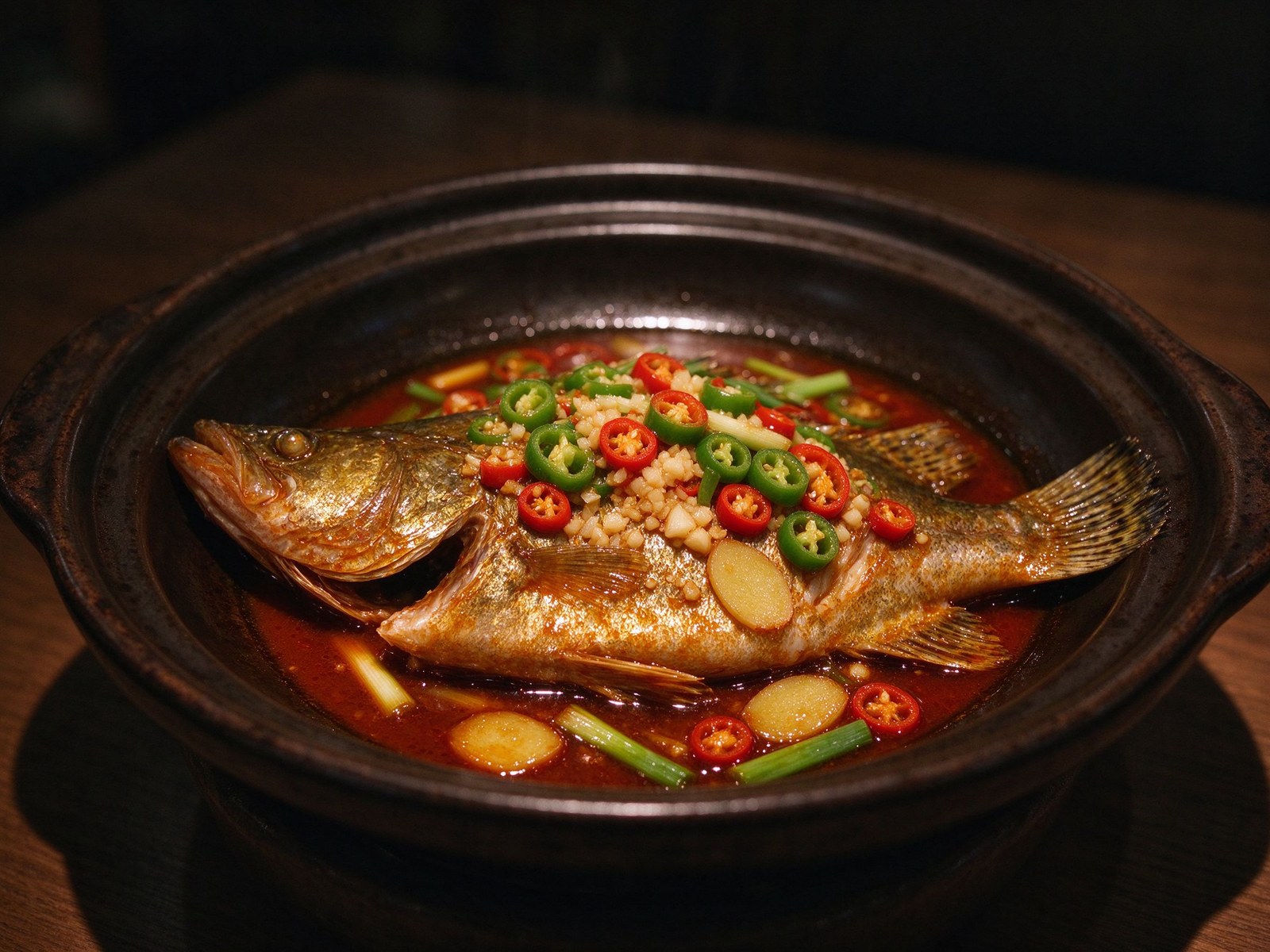
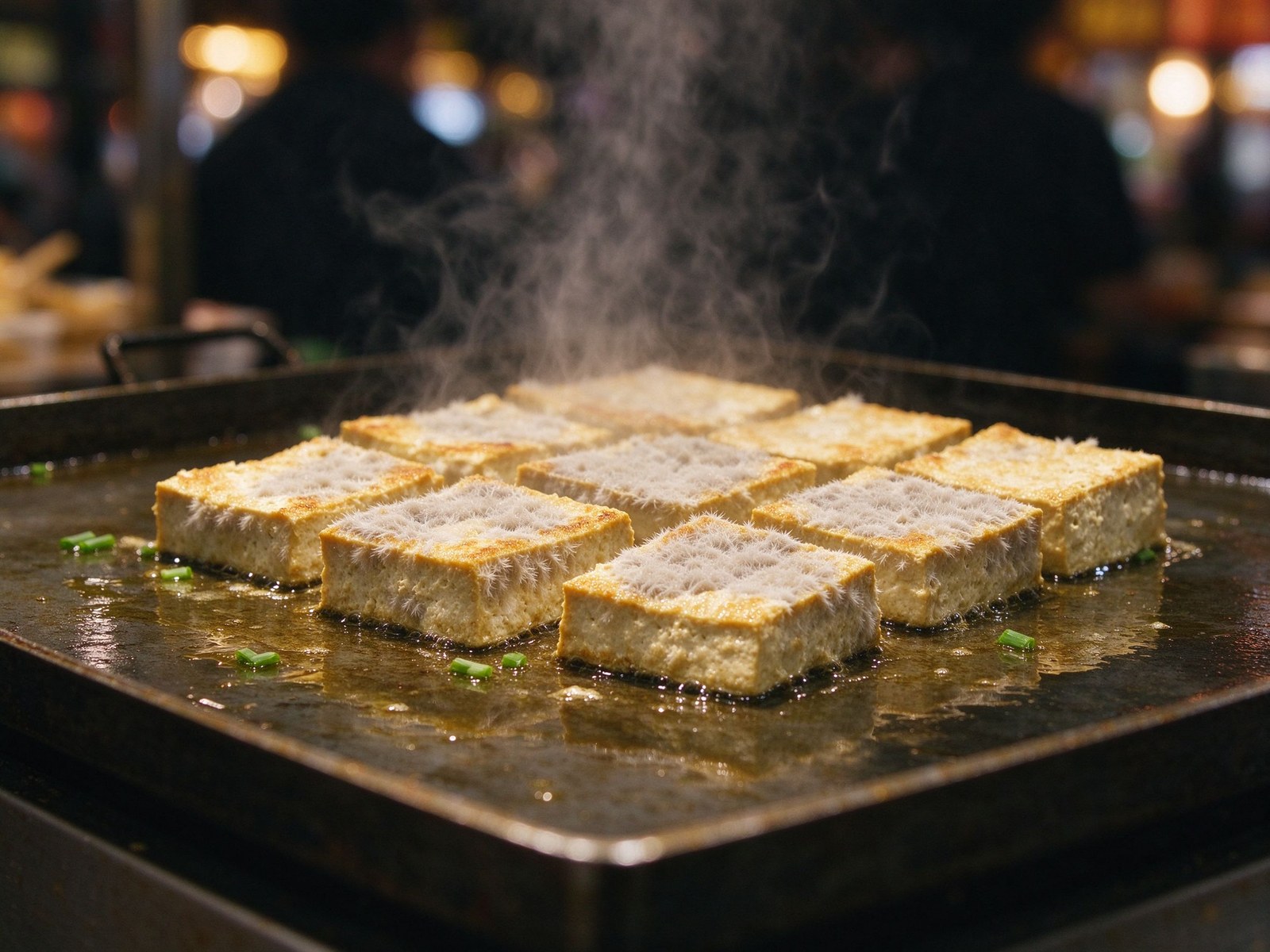
Eat Huizhou where locals order: stinky mandarin fish (chou gui yu, a fermented mandarin fish that smells strong and tastes rich), tiger-skin hairy tofu, soy-braised ribs, and Huizhou braised noodles. On Tunxi Old Street, snack on sesame shaobing cakes and hairy tofu skewers. Buy sealed Huimo ink sticks and She inkstones from named workshops; skip the bulk 'three Huizhou treasures' gift boxes at the old-street entrance where tour coaches drop off—the markup is highest there.
 Popular
Local bite in huangshan: Stinky Mandarin Fish. Eat where locals queue; skip tourist-trap set menus.
 Popular
Local bite in huangshan: Hairy Tofu. Eat where locals queue; skip tourist-trap set menus.
 Popular
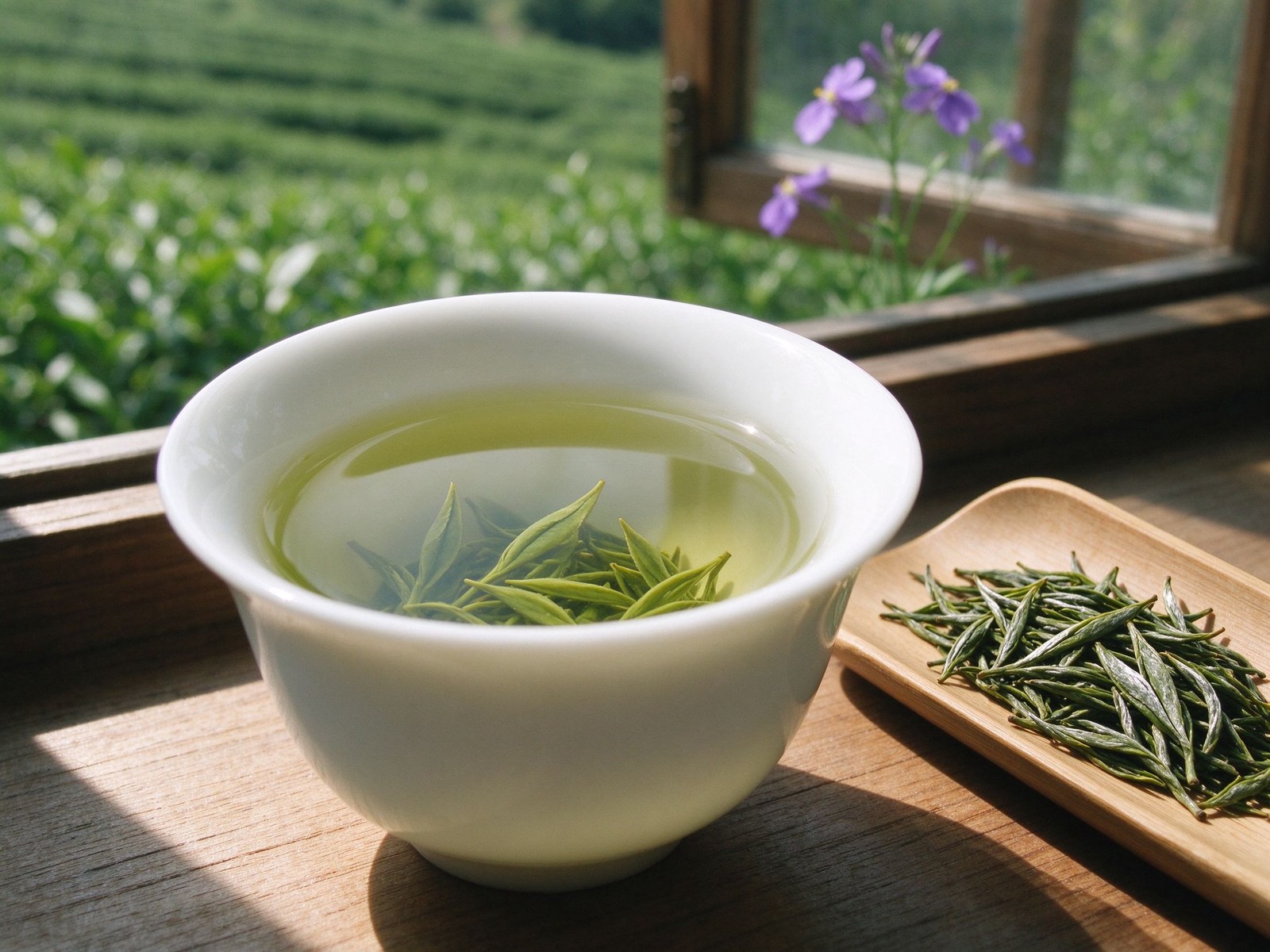
Local bite in huangshan: Maofeng Tea. Eat where locals queue; skip tourist-trap set menus.
Best time: Mid-September to late October for clear-air cloud seas and autumn color; mid-April to early June for green pines and azaleas with lighter crowds. Winter (Dec–Feb) offers ¥150 off-season tickets and occasional snow pines, but high routes may close in ice. · Subtropical monsoon on the north slope of Huangshan—humid and hot in summer, cool on the summit year-round. Day-night and on-off-mountain swings are large; fog and mist build by midday in spring. Carry layers and rain gear.
No metro. Within the scenic area, the New National Line (新国线) transfer bus links Tangkou gate to the Yungu and Ciguang Ge cableway stations—mandatory once inside. Between Huangshan North HSR Station and the South Gate (Tangkou) the custom shuttle is ¥30 (~50 min); to Hongcun ¥35 (stops at Xidi). On the mountain, three cableways (Yungu, Yuping, Taiping) plus the West Sea sightseeing elevator move people between ridges. Huangshan North HSR Station (黄山北站, on the Hefei–Hangzhou line) is the main gateway—direct trains from Hangzhou (~1.5 h) and Hefei (~1.5 h). The custom shuttle to the South Gate departs from the adjacent Huangshan Tourism Passenger Center. Tunxi Old Town is a short taxi from the HSR station. Tunxi Airport (TXN) serves a handful of domestic routes; most international visitors transit via Hangzhou.
Chain hotels, the official 黄山旅游官方平台 mini-program and Tunxi Old Street shops take Alipay/WeChat with bound foreign cards. Keep ¥300–500 cash for the Tangkou transfer bus, mountain-top snacks and small village-ticket windows. Show Chinese addresses (黄山风景区南大门换乘中心 / 宏村景区) to taxi drivers.
The mountain runs real-name timed directional entry—book 1+ days ahead (3 days for national holidays) via the 黄山旅游官方平台 WeChat mini-program. Carry the passport you booked with; entry is checked against it. No walk-up tickets at the gate; if you miss your slot you may not be admitted.
Sunrise requires a summit hotel—book months ahead for October and national holidays. If you day-hike, note the walking trail ticket check closes at 15:00 and cable cars stop around 17:10; do not start too late. Cable cars are not included in the entry ticket.
Subtropical mountain climate—fog and rain arrive fast; peaks vanish in cloud by midday in spring. Carry a light rain shell, non-slip shoes (stone steps get wet), layers (summit is 8–10°C colder than Tangkou), and a power bank—cable-car queues are long. Dawn is the best light for cloud seas.
Wild macaques live on the trails—do not feed, corner or photograph them at arm's length; they snatch bags. Stay behind railings on the West Sea glass skywalk and cliff paths; drops are real and wind is strong. Do not carry pets onto cable cars or into indoor scenic areas.
No metro. Tunxi (old town, HSR station area) and Tangkou (mountain South Gate) are ~60 km; the HSR North Station custom shuttle is ¥30 to the South Gate, ¥35 to Hongcun (stops at Xidi). Plan one base per night—do not commute Tunxi↔Tangkou after a full mountain day.
No metro.
Within the scenic area, the New National Line (新国线) transfer bus links Tangkou gate to the Yungu and Ciguang Ge cableway stations—mandatory once inside.
Metro, stalls, and rides mostly take Alipay or WeChat. Set up Alipay with a foreign card before you land.
Show the Chinese name “黄山” to drivers and staff. It beats a long English explanation.
Book tickets, transfers, and popular tours via partners first — then request deeper local experiences through ChinaPie.
Disclosure: Some links are affiliate links. ChinaPie may earn a commission on eligible bookings at no extra cost to you.
Prices shown are planning references only. Actual rates fluctuate with season, holidays, demand, and partner promotions — the price at checkout on the booking site is authoritative.
Conversion stays soft — clear next steps: plan this city, or request planning help.
Yes for typical tourist areas. Keep phones and bags secure on metro and in crowded night spots; use licensed taxis or Didi.
Depends on your passport. Check ChinaPie Plan & Prep → Visa for 30-day visa-free and 240-hour transit options before booking.
Yes—foreigners can set up Alipay with passport + international card. See /prep/alipay-setup for the step-by-step guide.
Plan 2–3 days. One night in Tunxi for the old street and Huizhou dinner, one night on the mountain summit for sunrise, and a half-day at Hongcun or Xidi on departure day. Stay one night on the summit if sunrise matters—otherwise a day hike from Tangkou is possible but rushed.
Peak season entry is ¥190 (¥95 half); winter season ¥150 (¥75). Cableways are separate (¥65–100 one-way). Real-name timed reservation is mandatory via the 黄山旅游官方平台 WeChat mini-program—book 1+ days ahead, 3 days for holidays, and bring the passport you booked with.
The custom shuttle from the adjacent Huangshan Tourism Passenger Center runs to the South Gate (Tangkou) for ¥30, East Gate ¥35, North Gate ¥50, and Hongcun ¥35 (stopping at Xidi en route). Buy on the mini-program or on-site; allow ~50 min to Tangkou.
Hongcun is the 'painted village'—the crescent Moon Pond and South Lake reflections are the signature photo, busier and more commercialized. Xidi is quieter, with deeper merchant-house lane architecture and no signature pond. If you have half a day, Hongcun; if you want quiet, Xidi. The HSR North Station shuttle stops at both, so you can combine them.
China offers unilateral visa-free entry to 40+ countries including France, Germany, UK, Japan, South Korea, Singapore, Malaysia, Thailand, Italy, Spain, Netherlands, Switzerland, Sweden, Norway, Denmark, Finland, Belgium, Austria, Ireland, Portugal, Greece, and more. Stay: up to 30 days. IMPORTANT: US passport holders are NOT on the unilateral visa-free list and need a visa. Check latest list at China Immigration official site before travel.
Most first-timers do well with 1–3 days. Start with the 1-day Tunxi core: museum, old street, Huizhou dinner, then expand to 2–3 days if you want slower food and culture. Use Plan this city to turn stops into a workable week.
Foreign cards work more often via Alipay / WeChat Pay tourist modes and some metro apps, but coverage still varies by merchant. Keep a small cash float and set payment apps up before peak sightseeing. See the practical section on this hub for city-specific notes.