Dunhuang Visual Travel Guide
Illustrated city overview — not a scale map. Use Routes below for day-by-day stops you can open in Planner.
Dunhuang · 敦煌
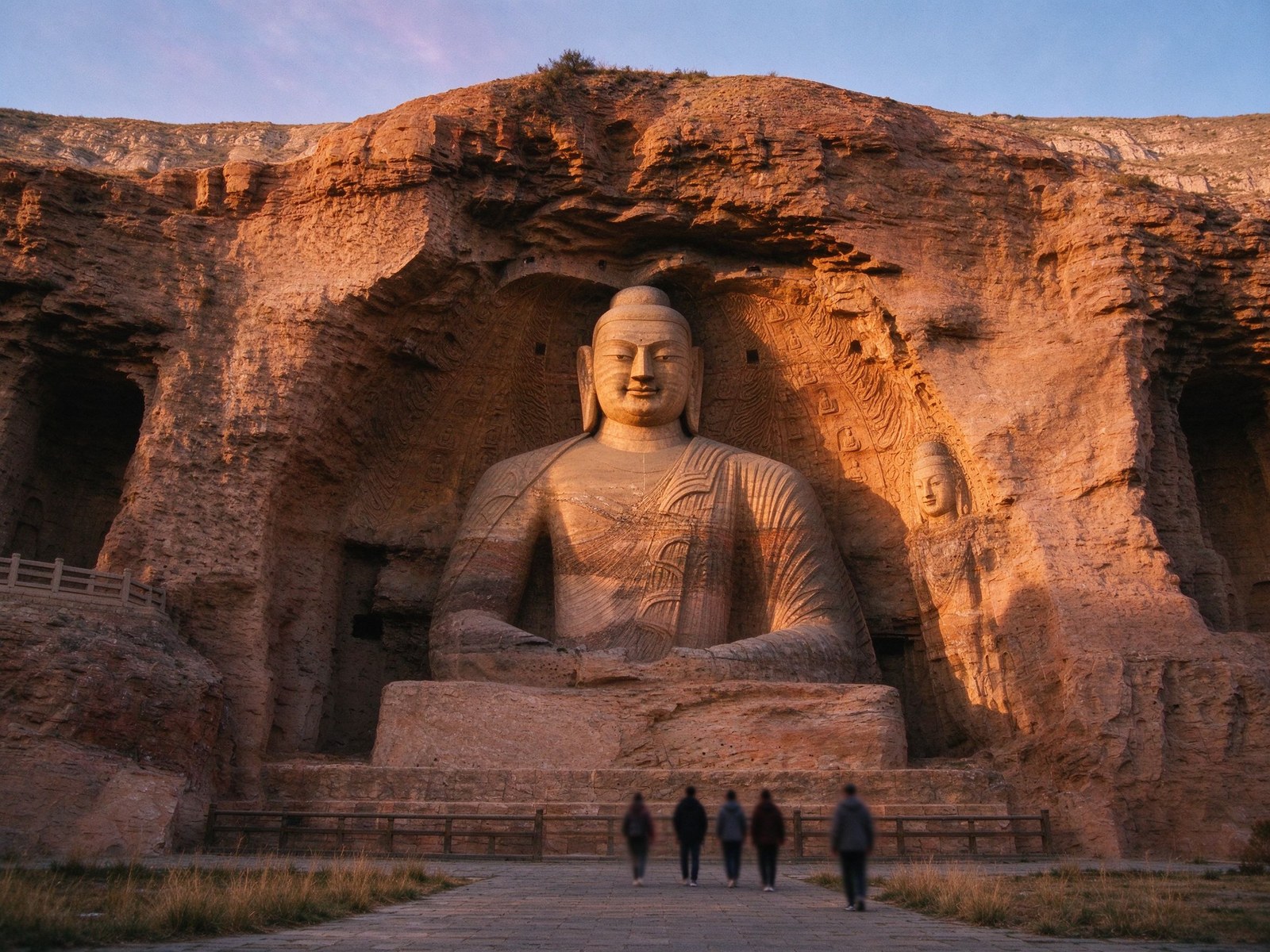
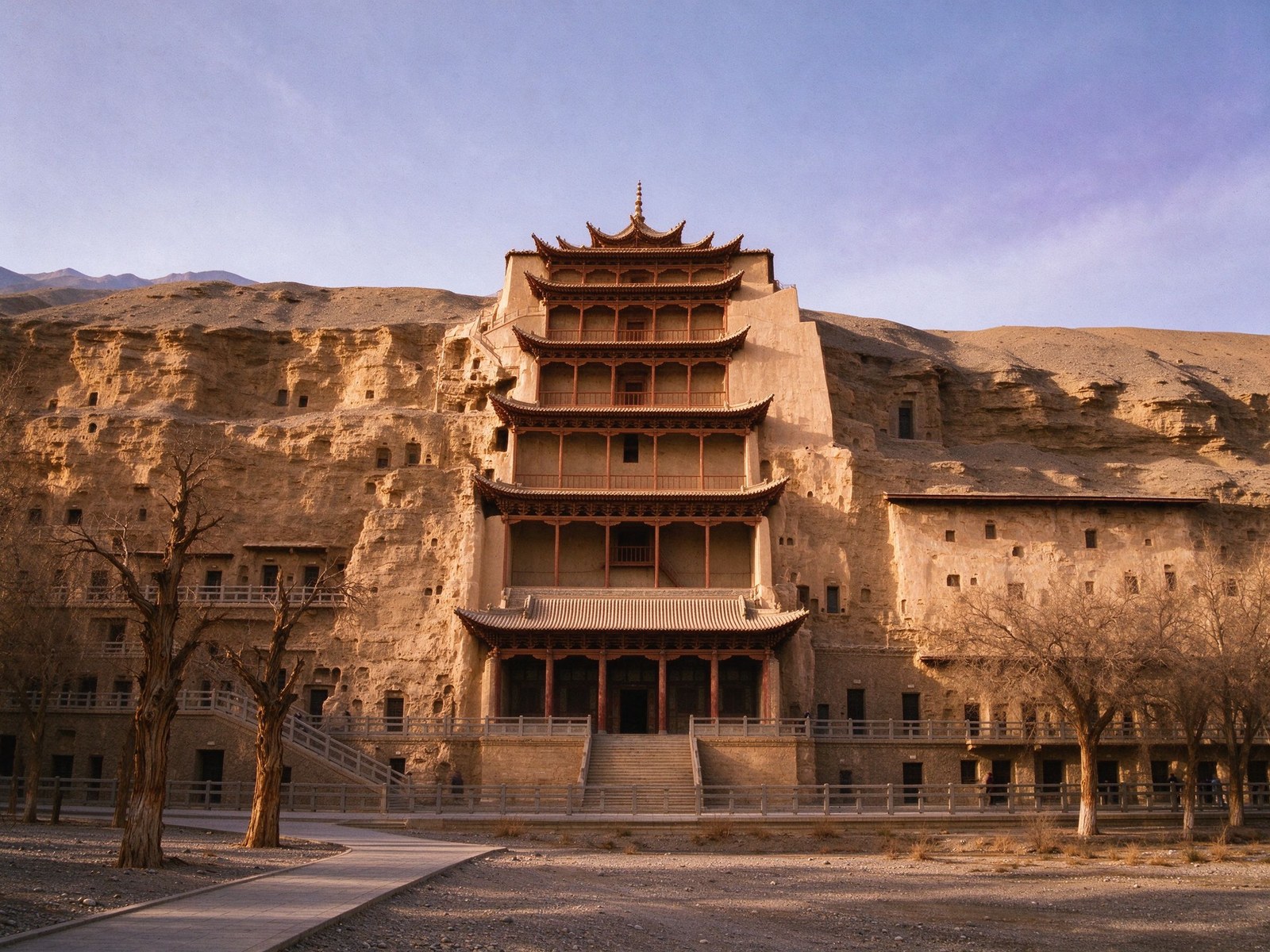
Dunhuang is where a 1,000-year Buddhist cliff temple meets a desert frontier outpost: one oasis town between the Mogao Caves (a UNESCO World Heritage site you must book months ahead), the singing dunes ringing a never-dried spring, and the Han-era passes that guarded the western end of China.
City-level visual guides and reviewed photos — infographics are illustrated overviews, not scale maps.
Illustrated city overview — not a scale map. Use Routes below for day-by-day stops you can open in Planner.
Normal visits are capped at 6,000 a day and sell out in summer—book the A-class (digital film + 8 caves) slot on the official WeChat mini-program, then arrive 30 minutes early at the Digital Exhibition Center (8899 Yangguan East Road), not the cliffs.
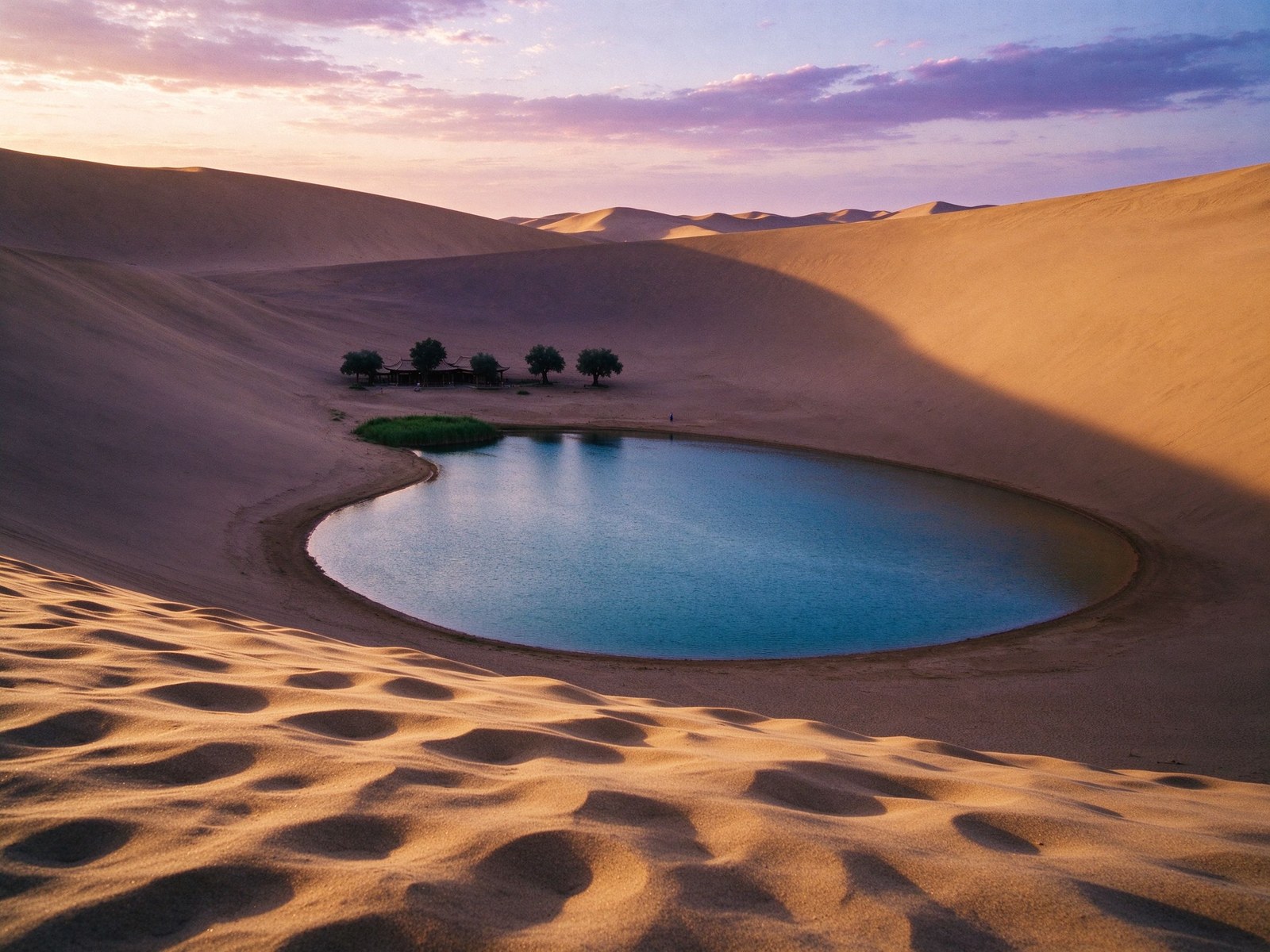
Mingsha Mountain is ~5 km south, reachable by bus 3. Enter late afternoon, ride a camel to a dune ridge, and stay for sunset; a face-ID entry lets you re-enter free within 3 days for the sunrise or the stars.
Yumen Pass and the Yadan Yardang are 70–158 km west of town on an empty road. Book a west-line car for a full day, leave early, fuel up in town (no stations along Yumen–Yadan), and time Yadan for its sunset bus.
The city’s signature line — depth entry, not a checklist.
The signature Dunhuang sequence: a booked morning at the Mogao Digital Exhibition Center (two dome films, then shuttle to the cliff caves), a short afternoon to the Dunhuang Museum for Silk Road context, then Mingsha Mountain and Crescent Spring for camel treks and a dune sunset. Reserve a second day for the west-line loop—Yumen Pass's Han frontier walls and the eroded Yardang of the geopark at golden hour.
Add to trip to compare and prepare; check partner links for slots and price when shown.
Experience listings are still growing — plan with routes & culture, or request planning help.
Beyond ticket notes — read the city’s character first.
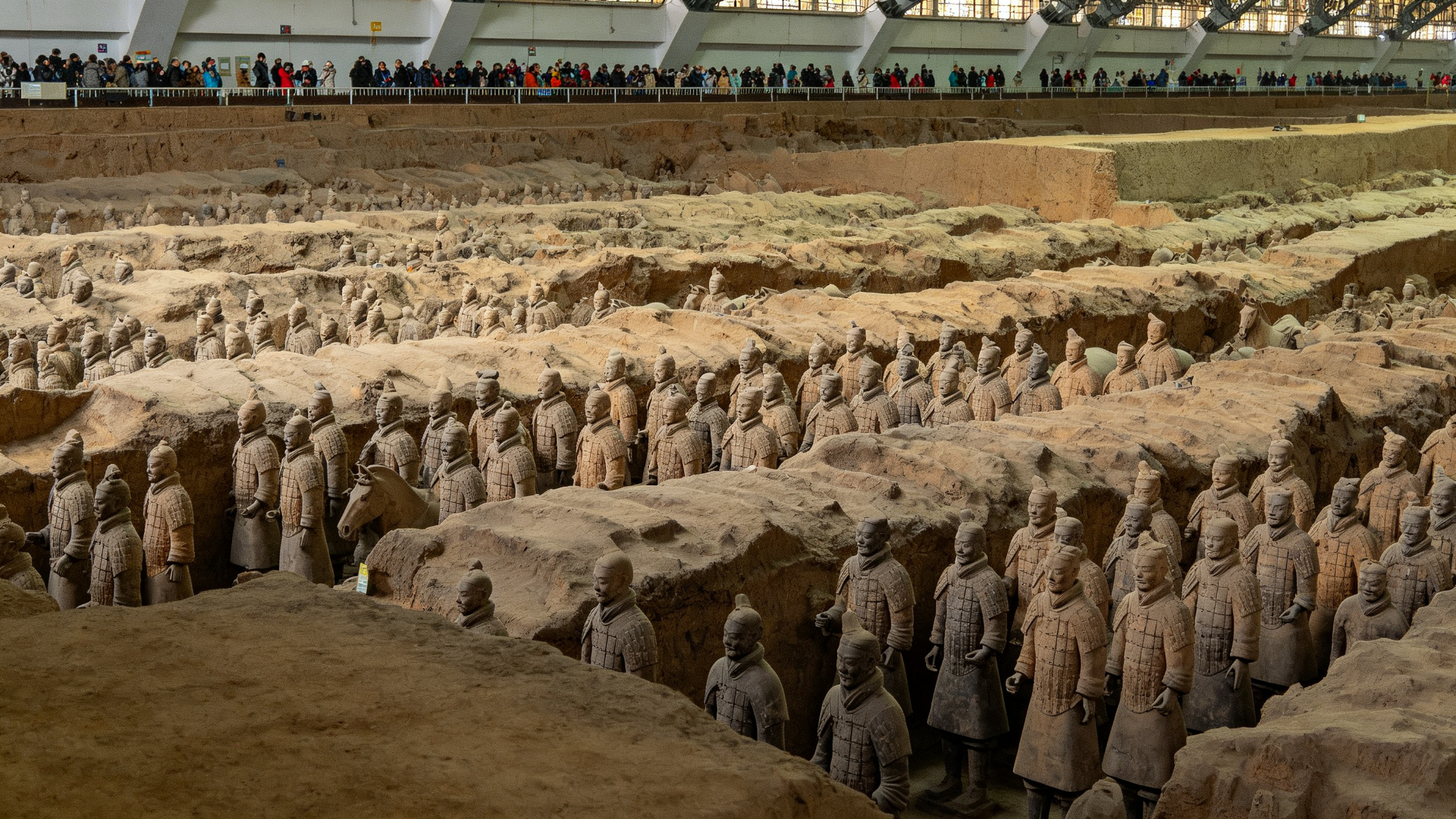
Mogao holds 492 caves from the 4th to 14th centuries—~45,000 m² of murals and 2,000+ painted sculptures, inscribed by UNESCO in 1987. The daily walk-through shows only ~8 caves; the wall paintings are the textbook of how Han, Gandharan and Central Asian styles merged along the Silk Road.
The 1900 discovery of Cave 17 (the Library Cave)—tens of thousands of manuscripts from the 5th–11th centuries—opened an entire academic field. Many scrolls left Dunhuang for London, Paris and St. Petersburg; spotting the shelf and the story sets the museum visit in context.
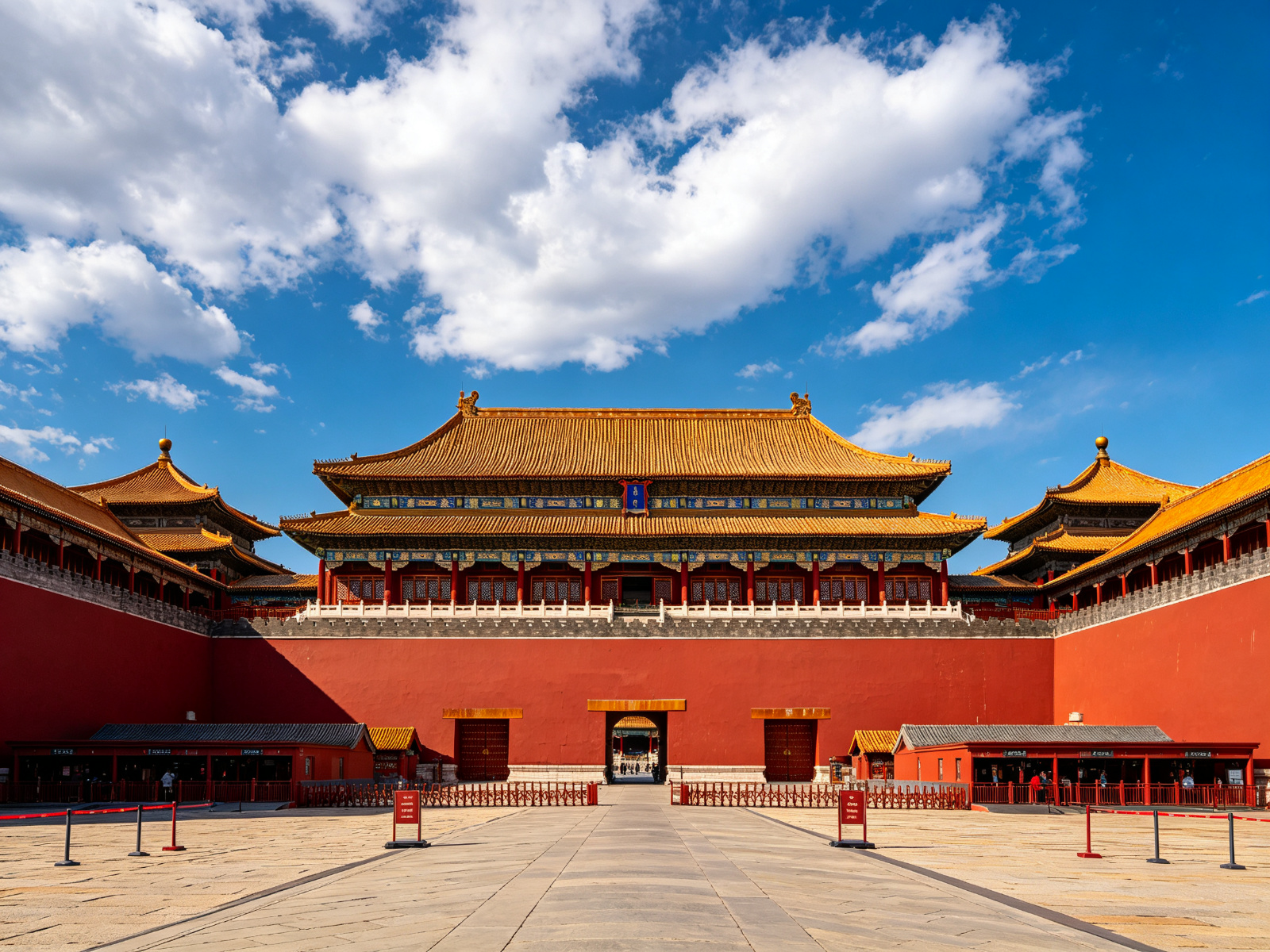
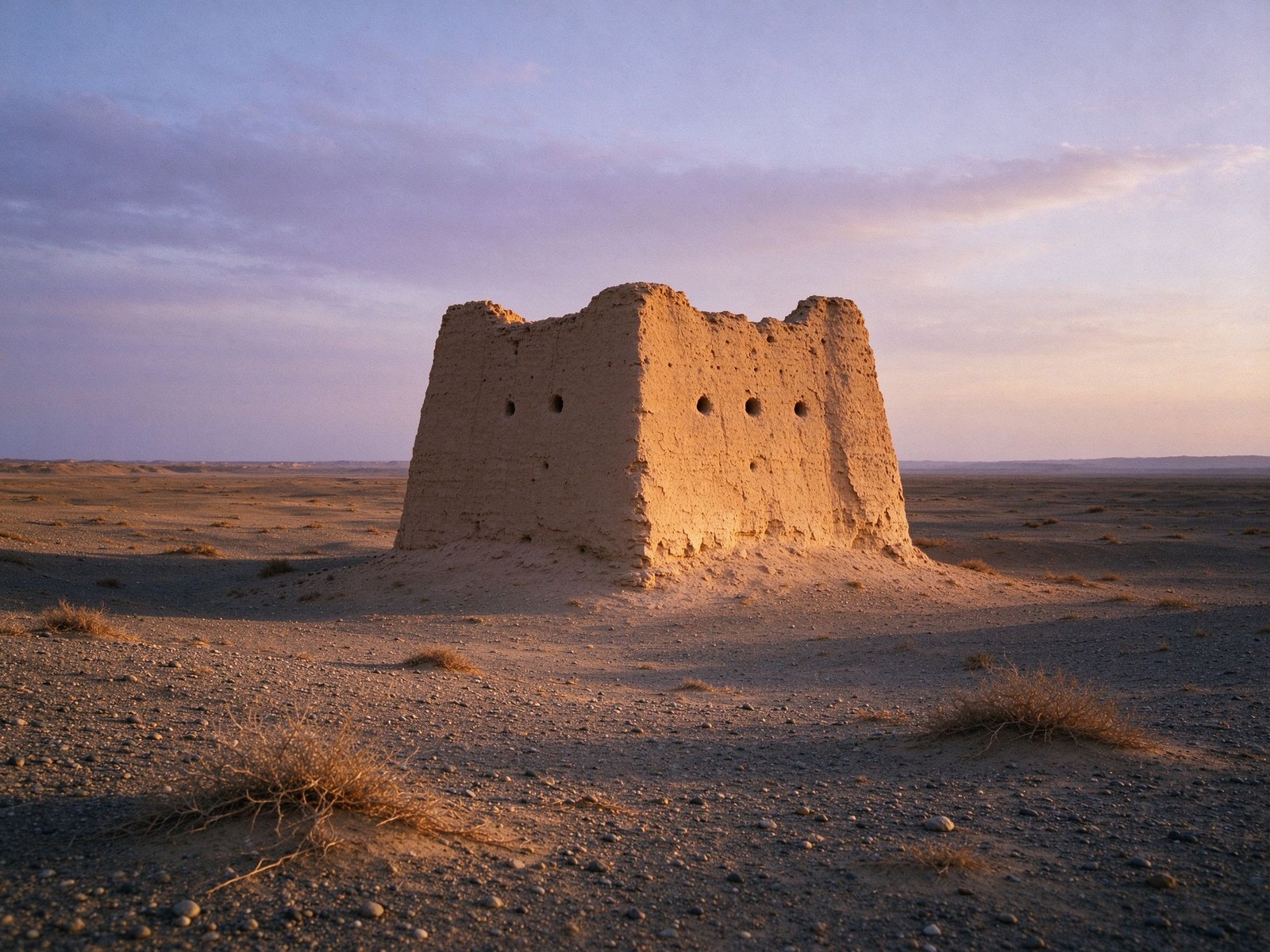
Yumen Pass (Xiaofangpan City) and Yangguan were the Han dynasty's western gates—'beyond Yumen' meant exile, while 'west of Yangguan' meant leaving the known world. The earthen walls are part of the UNESCO 'Silk Roads: Chang'an–Tianshan Corridor'; read the Tang poems before you stand in the Gobi.
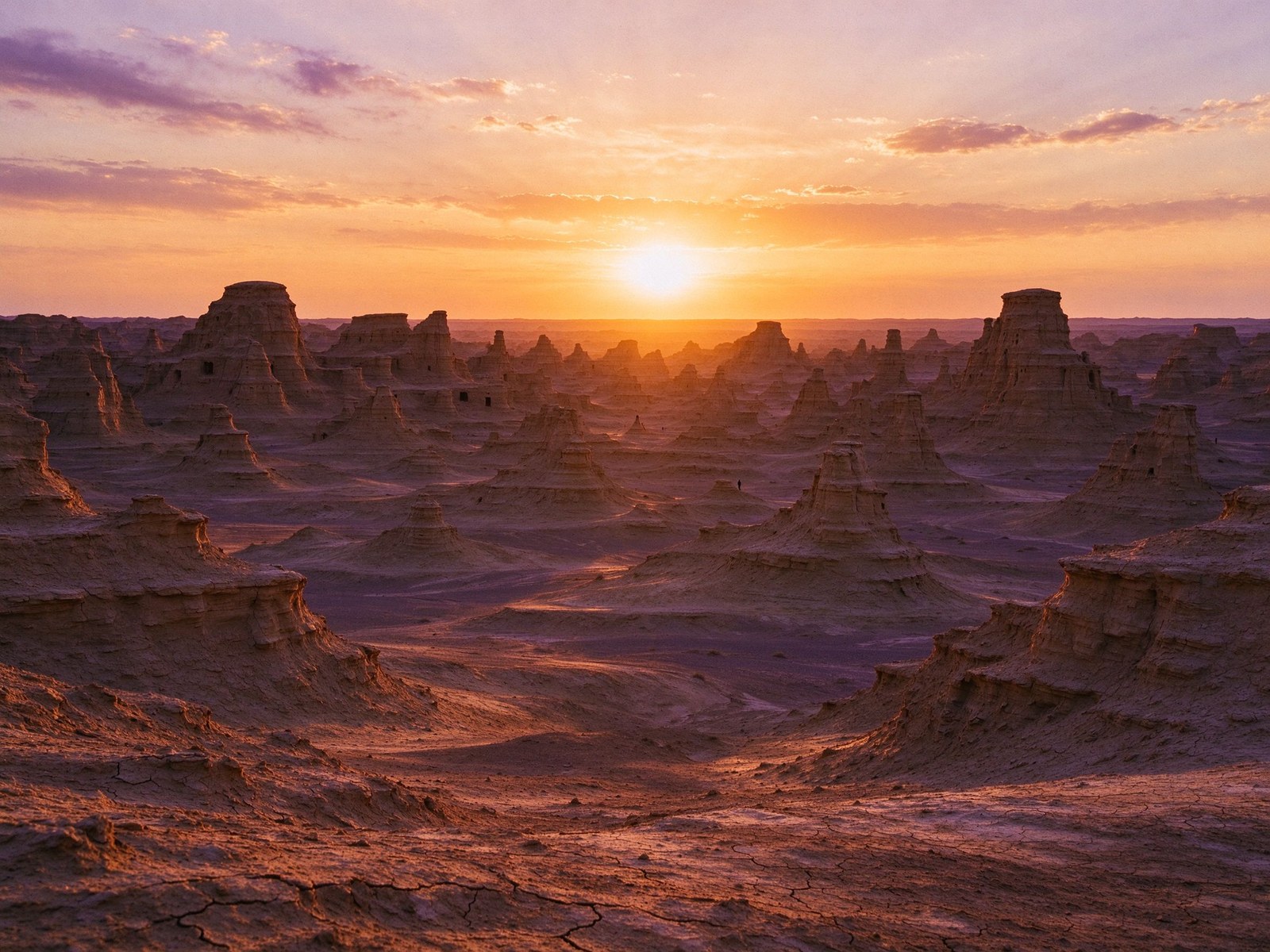
The Yadan 'ghost city' is wind-eroded Cretaceous–Quaternary sediment, not ruins. The sunset shuttle exists because the golden light turns the ridges amber—watch the textures and shadows rather than expecting buildings.
Crescent Spring has survived in the dunes for millennia because of the local aquifer and groundwater flow—not magic. The 3-day re-entry policy exists so visitors return at different light; ask a guide how the spring and the dune actually balance.
Tickets, duration, transport — ready for your trip cart.
PopularMandatory timed real-name reservation, book 1–30 days ahead via the official WeChat mini-program; daily caps of 6,000…
 Popular
No advance timed slot required; book on the official WeChat account or at the gate. A face scan at entry covers 3-day…
 Popular
Buy via the official online booking channel or at the gate; an on-site sightseeing bus is required to reach the ruins…
 Popular
Buy at the gate or via the operator; movement inside the park is by the designated sightseeing bus stops. Plan for a…
 Popular
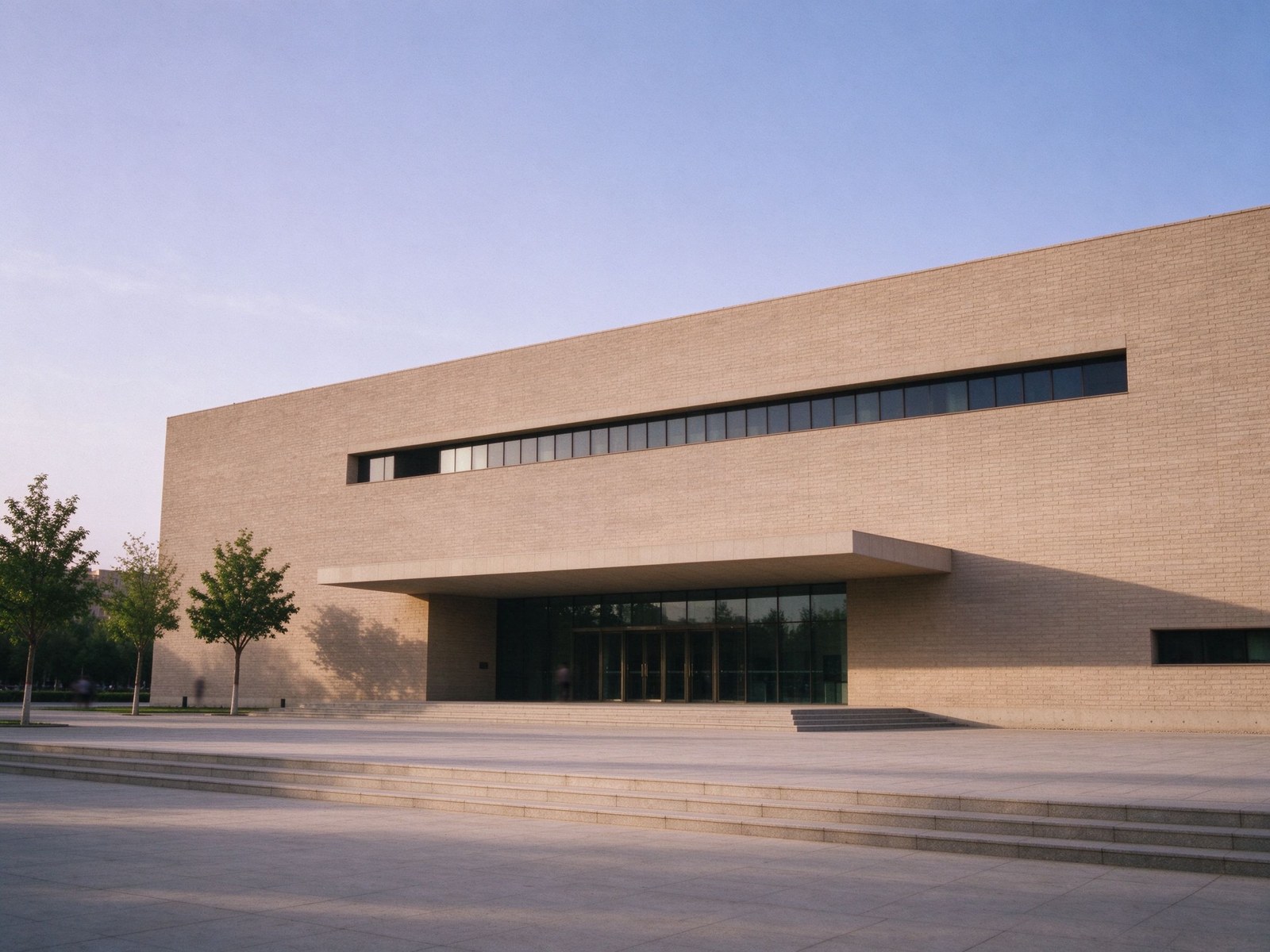
No timed slot found on an official page yet—expect free entry with possible ID check; confirm closure day (Monday per…
Executable skeletons: day-by-day anchors you can trim to fit.
1-day
For travelers with one day between flights. Built around a booked Mogao morning slot and a late-afternoon dune visit.
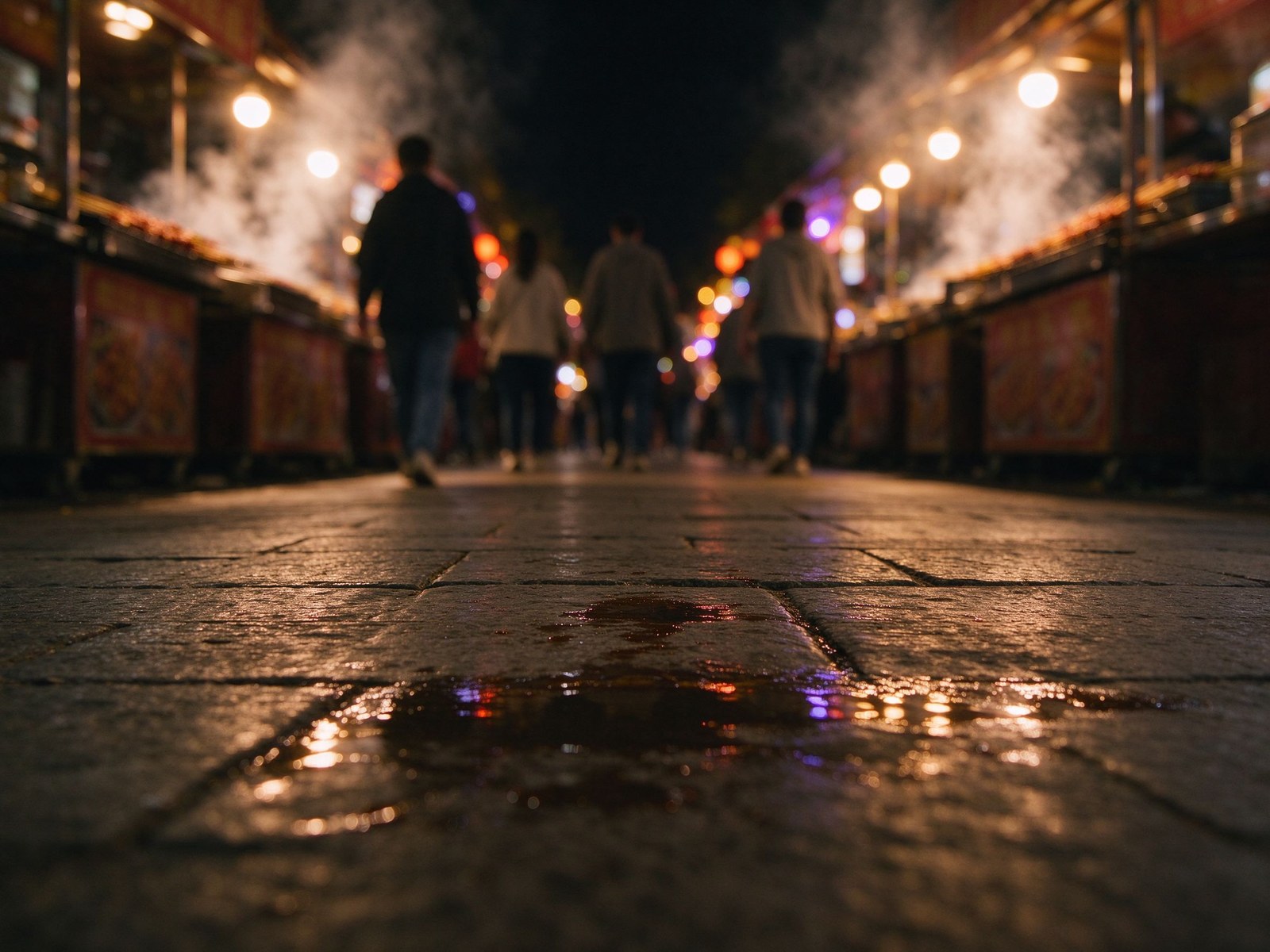
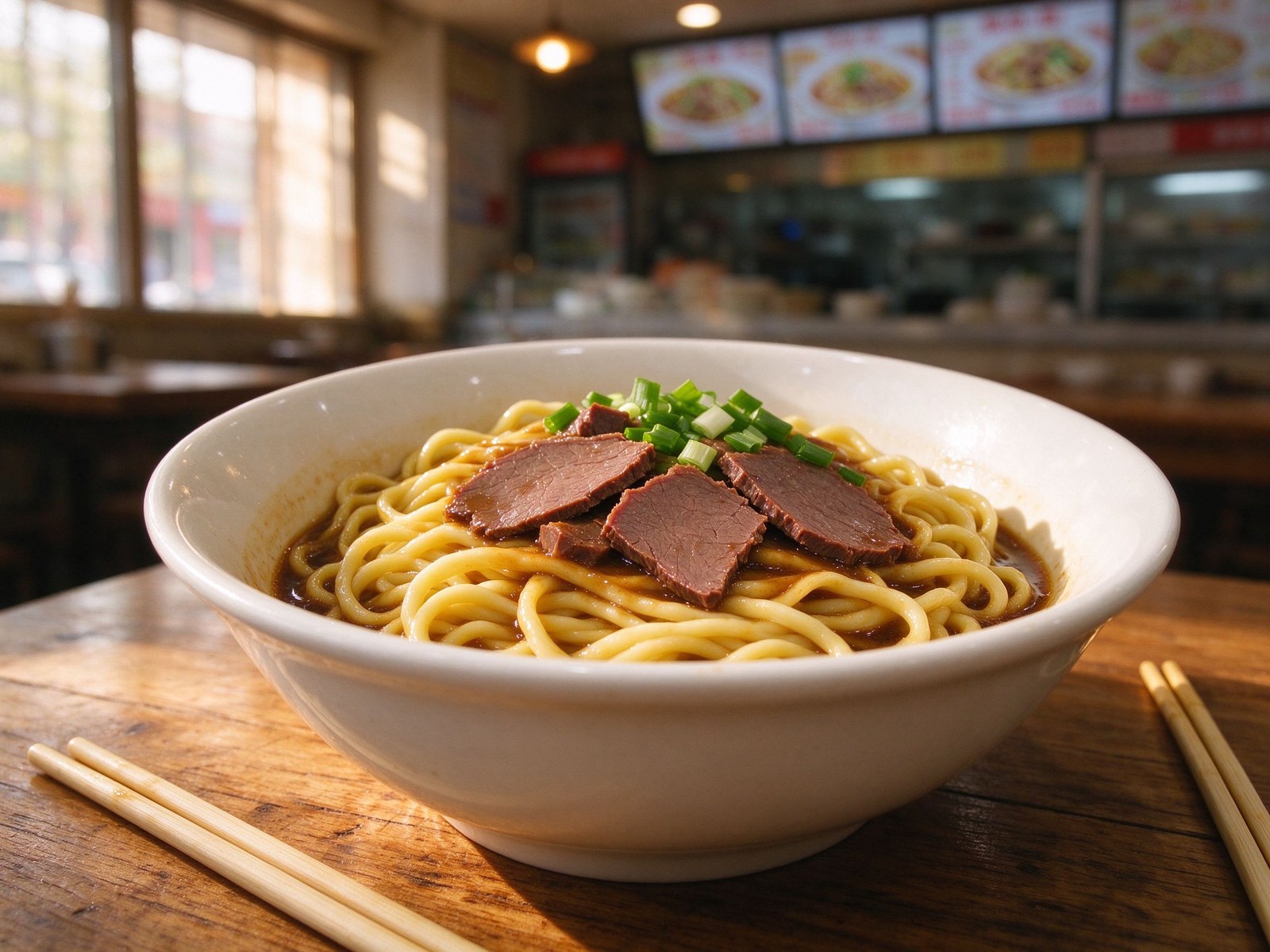
Eat where Dunhuang locals end the day: donkey-meat yellow noodles, hand-pulled 'leaning-down' noodles (daoxiao / yangchangmian), cumin lamb skewers and a cold apricot-skin drink (xingpi shui). For souvenirs, buy sealed dried fruits and raisins you will actually eat, and treat painted Mogao-motif prints as—prints. Skip the over-packaged gift boxes at the night-market entrance where tour coaches stop; the markup is highest there.
Best time: May–October for dune sunsets and Mogao visits; September is mild with clear air. Avoid mid-summer midday heat on the west line; winter is cold but Mogao off-season tickets are cheaper and caves are less crowded. · Inland desert climate—very low humidity, hot summers, cold winters, intense sun, large day-night swings and occasional spring sandstorms.
The old town and Shazhou Night Market are walkable. Mingsha Mountain is ~5 km south: city bus line 3 (¥2) or a ¥15–20 taxi (10–15 min). Mogao's Digital Exhibition Center is ~25 km east at 8899 Yangguan East Road—use the official shuttle from there to the caves. Yumen Pass (70 km) and Yadan (158 km) west have no transit—charter a car for the day. Dunhuang (Mogao) Airport (DNH) is ~13 km east of town. The airport bus runs city→airport at 09:00/14:00/21:00 (¥10, no reservation); the return bus meets arriving flights and stops at Dunhuang Railway Station, the bus station and central hotels. Dunhuang Railway Station is ~10–15 km east; long-distance HSR/rail also connects via Liuyuan station. Confirm the latest airport-bus and last-train times for late arrivals.
Hotels, chain restaurants and official ticketing mini-programs accept Alipay/WeChat with bound foreign cards. Night-market stalls and cash-only noodle shops still prefer cash—keep ¥300–500 small notes for skewers and weighed dried fruit; show Chinese addresses to drivers.
Timed real-name reservation is mandatory—book 1–30 days ahead via the official WeChat mini-program (7:00–22:00). A-class tickets sell out weeks ahead in summer; if sold out, emergency tickets (4 caves, ¥100) are the fallback. Arrive 30 minutes early at the Digital Exhibition Center; bring the passport you booked with.
No photos, video, drones, large bags or pets inside the Mogao caves or core reserve; do not touch murals or painted sculptures. At Mingsha and Yadan, stay on boardwalks and designated shuttle stops—do not climb loose dunes or disturb Yardang formations. Ask before photographing local people at the market.
Dry desert climate: hot by day, cold at night, strong UV and wind. Carry sunscreen, a hat, sunglasses and at least 2 L of water on west-line days. Use closed shoes (no mesh/sandals in the dunes) and seal your phone/camera against sand. Spring brings sandstorms—check alerts; caves may close fully in heavy sand/rain.
Carry your passport at all times—security checks are frequent at Mogao, stations and the airport. Ordinary tourists do not need a special permit for Dunhuang city or the Yumen/Yadan west line; confirm current rules if you branch further toward Xinjiang or border areas.
Yumen Pass and Yadan have no metro and no public bus from town—charter a car or join a small-group west-line tour for the day. Fuel up in Dunhuang; there are no service stations along the Yumen–Yadan road, and return drives are long after the Yadan sunset. Phone the geopark (0937-5900110) if timing changes.
The old town and Shazhou Night Market are walkable.
Mingsha Mountain is ~5 km south: city bus line 3 (¥2) or a ¥15–20 taxi (10–15 min).
Metro, stalls, and rides mostly take Alipay or WeChat. Set up Alipay with a foreign card before you land.
Show the Chinese name “敦煌” to drivers and staff. It beats a long English explanation.
Book tickets, transfers, and popular tours via partners first — then request deeper local experiences through ChinaPie.
Disclosure: Some links are affiliate links. ChinaPie may earn a commission on eligible bookings at no extra cost to you.
Prices shown are planning references only. Actual rates fluctuate with season, holidays, demand, and partner promotions — the price at checkout on the booking site is authoritative.
Conversion stays soft — clear next steps: plan this city, or request planning help.
Yes for typical tourist areas. Keep phones and bags secure on metro and in crowded night spots; use licensed taxis or Didi.
Depends on your passport. Check ChinaPie Plan & Prep → Visa for 30-day visa-free and 240-hour transit options before booking.
Yes—foreigners can set up Alipay with passport + international card. See /prep/alipay-setup for the step-by-step guide.
Book 1–30 days ahead on the official WeChat mini-program (open 07:00–22:00); A-class normal tickets sell out weeks ahead in summer. Normal (¥238 peak) includes two digital films plus 8 caves; emergency (¥100) covers 4 caves only with no films. Daily caps are 6,000 normal / 12,000 emergency—arrive 30 min early at the Digital Exhibition Center, not the cliffs.
Use the official '莫高窟参观预约网' WeChat service account and choose the 'Ticket Booking' menu for foreign passports and Hong Kong/Macau/Taiwan permits. Bring the same passport you booked with to the window for verification; you must arrive 30 minutes before your timed slot. Do not buy from third-party resellers—the Academy warns they are unauthorized.
Yes—charter a west-line car for the day. Yumen Pass is ~70 km west, Yadan ~158 km (316 km round trip). There is no public transit, and no fuel stations along the Yumen–Yadan road, so fill up in Dunhuang. Time Yadan for the sunset bus (first 17:30, last 19:00) and expect a long drive back after dark.
Dunhuang (Mogao) Airport (DNH) is ~13 km east of town. The airport bus runs city→airport at 09:00/14:00/21:00 for ¥10 (no booking); the return bus meets flights and stops at Dunhuang Railway Station, the bus station and central hotels. Dunhuang Railway Station is ~10–15 km east; long-haul rail also connects via Liuyuan station.
China offers unilateral visa-free entry to 40+ countries including France, Germany, UK, Japan, South Korea, Singapore, Malaysia, Thailand, Italy, Spain, Netherlands, Switzerland, Sweden, Norway, Denmark, Finland, Belgium, Austria, Ireland, Portugal, Greece, and more. Stay: up to 30 days. IMPORTANT: US passport holders are NOT on the unilateral visa-free list and need a visa. Check latest list at China Immigration official site before travel.
Most first-timers do well with 1–3 days. Start with the 1-day core: Mogao morning, dunes at dusk, then expand to 2–3 days if you want slower food and culture. Use Plan this city to turn stops into a workable week.
Foreign cards work more often via Alipay / WeChat Pay tourist modes and some metro apps, but coverage still varies by merchant. Keep a small cash float and set payment apps up before peak sightseeing. See the practical section on this hub for city-specific notes.