Dali Visual Travel Guide
Illustrated city overview — not a scale map. Use Routes below for day-by-day stops you can open in Planner.

Dali · 大理
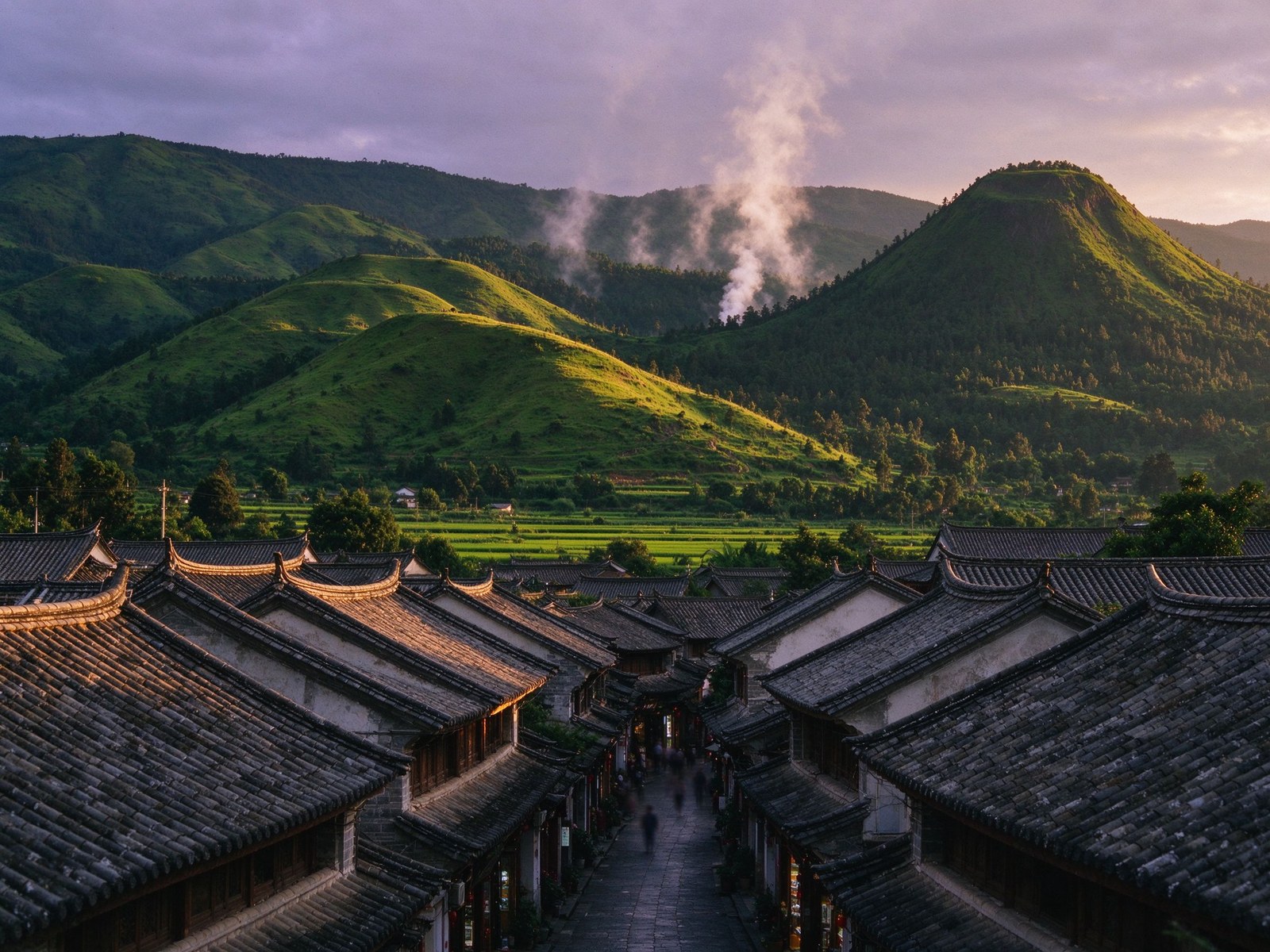
Dali is where a 9th-century Bai kingdom still sets the skyline: grey-tiled old town, the Erhai lake loop and the 19 peaks of Cangshan are one walkable triangle, and the pagodas that once towered over the Nanzhao court still mark the horizon above the rice fields.
City-level visual guides and reviewed photos — infographics are illustrated overviews, not scale maps.
Illustrated city overview — not a scale map. Use Routes below for day-by-day stops you can open in Planner.
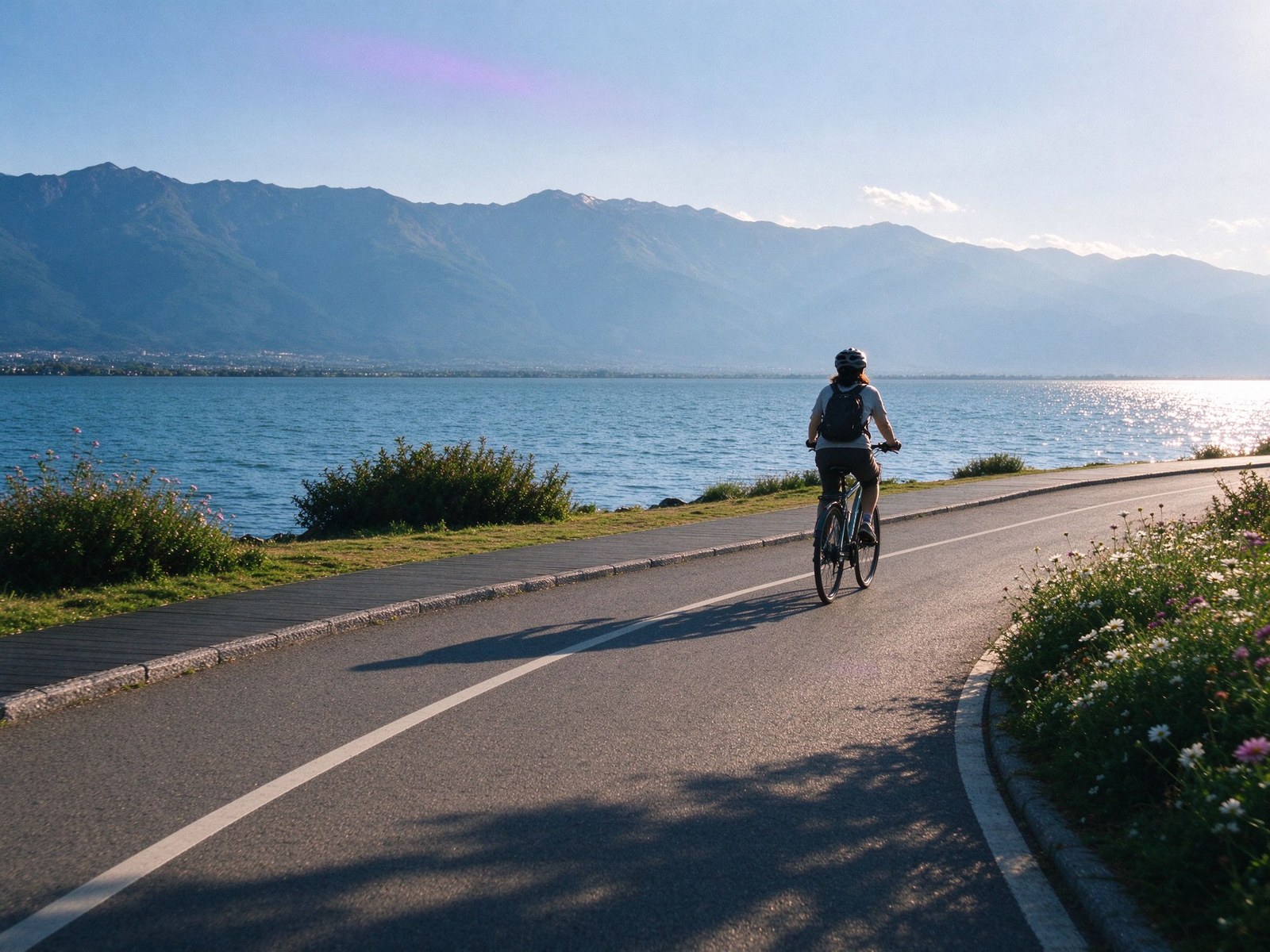
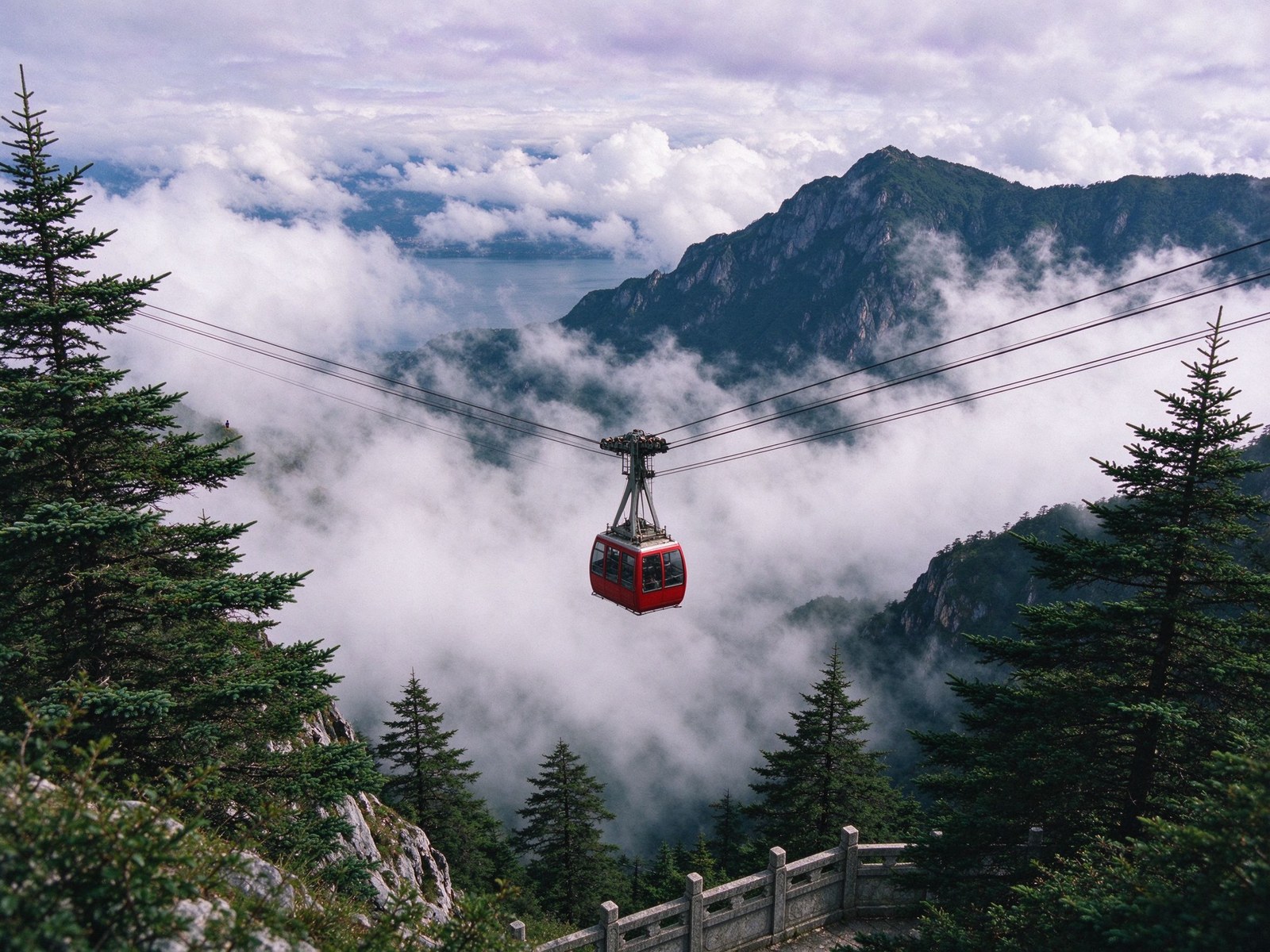
The old town sits between the 19 peaks of Cangshan and the western shore of Erhai. Ride the cable car up for the glacial pool, then cycle the lakeside eco-corridor back—no long transfers, the mountain and the lake frame the same day.
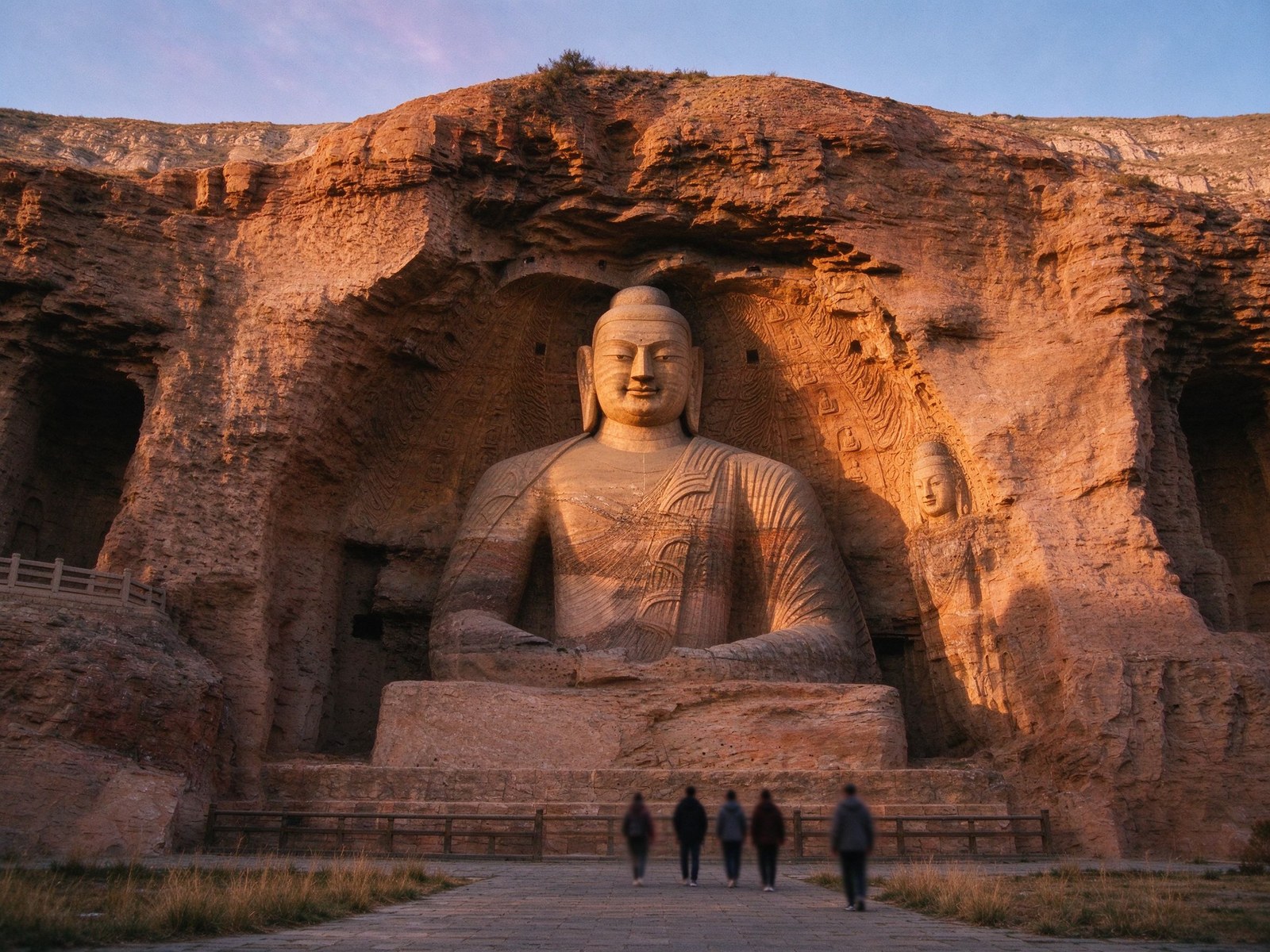
The 69 m Qianxun Pagoda dates to the Nanzhao Kingdom (824-859) and is a first-batch national heritage site; nine Dali Kingdom kings once became monks at the temple behind it. Photograph it from the Reflection Pool across the road.
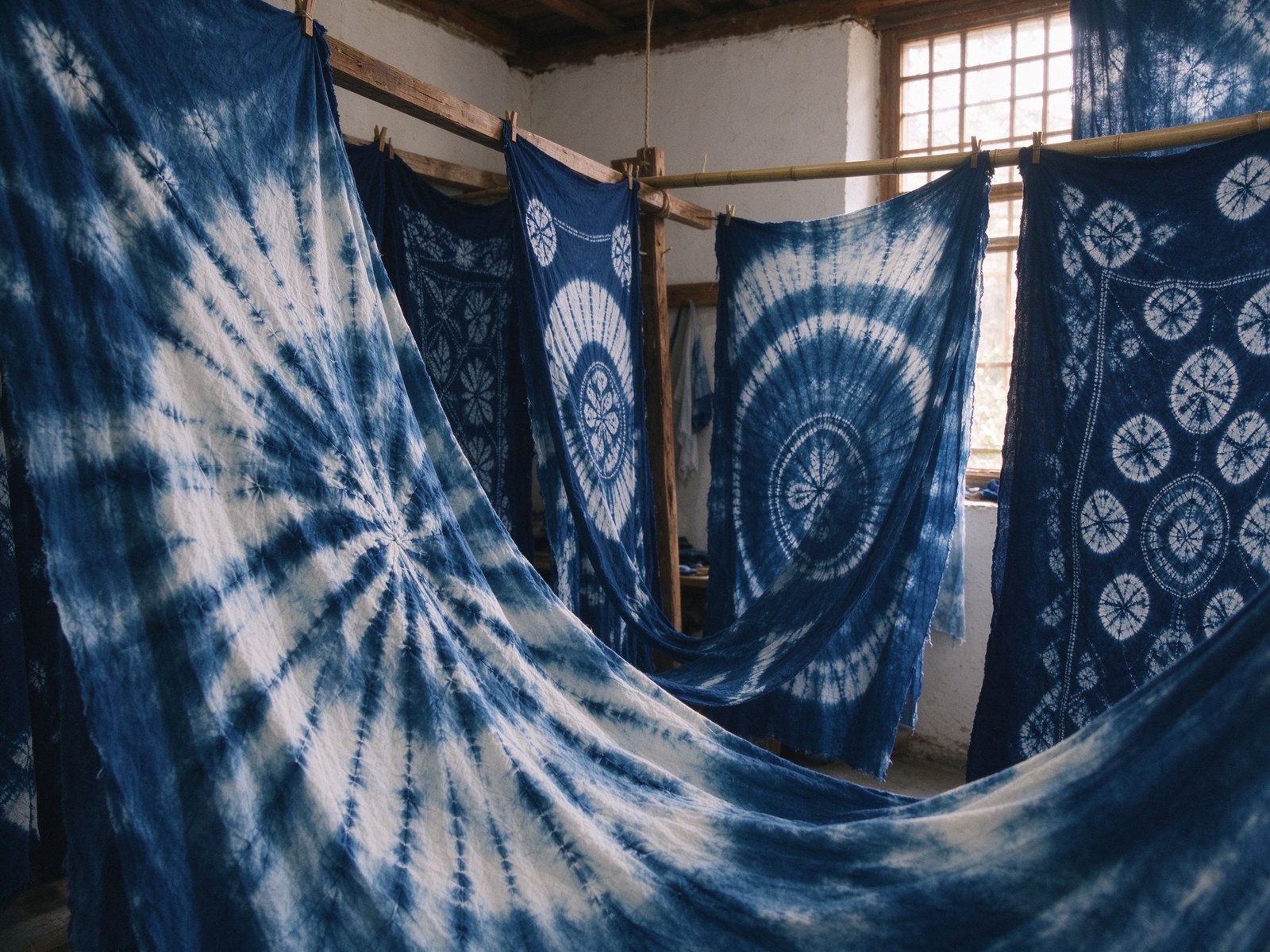
Xizhou's Sifang Street sells layered griddle cakes baked on the spot, and nearby Zhoucheng keeps the national-heritage indigo tie-dye workshops running—you can dye your own square cloth. This is craft still sold for daily use, not a theme-park demo.
The city’s signature line — depth entry, not a checklist.
The signature Dali sequence: an early morning at the Three Pagodas for the reflection-pool shot, a cable-car ride up Cangshan to the cloud path looking over Erhai, and a bike or electric-scooter loop along the lake past Xizhou's rice fields and Shuanglang's sunset shore. Old-town Renmin Road is where it all ends for a bowl of crossing-the-bridge noodles.
Add to trip to compare and prepare; check partner links for slots and price when shown.
Experience listings are still growing — plan with routes & culture, or request planning help.
Beyond ticket notes — read the city’s character first.
The Nanzhao Kingdom (8th-10th c.) and the later Dali Kingdom (10th-13th c.) ruled Yunnan for 500 years before Kublai Khan. The Three Pagodas are their royal temple—nine Dali kings retired here to be monks, which is why the site reads as Buddhist, not just scenic.
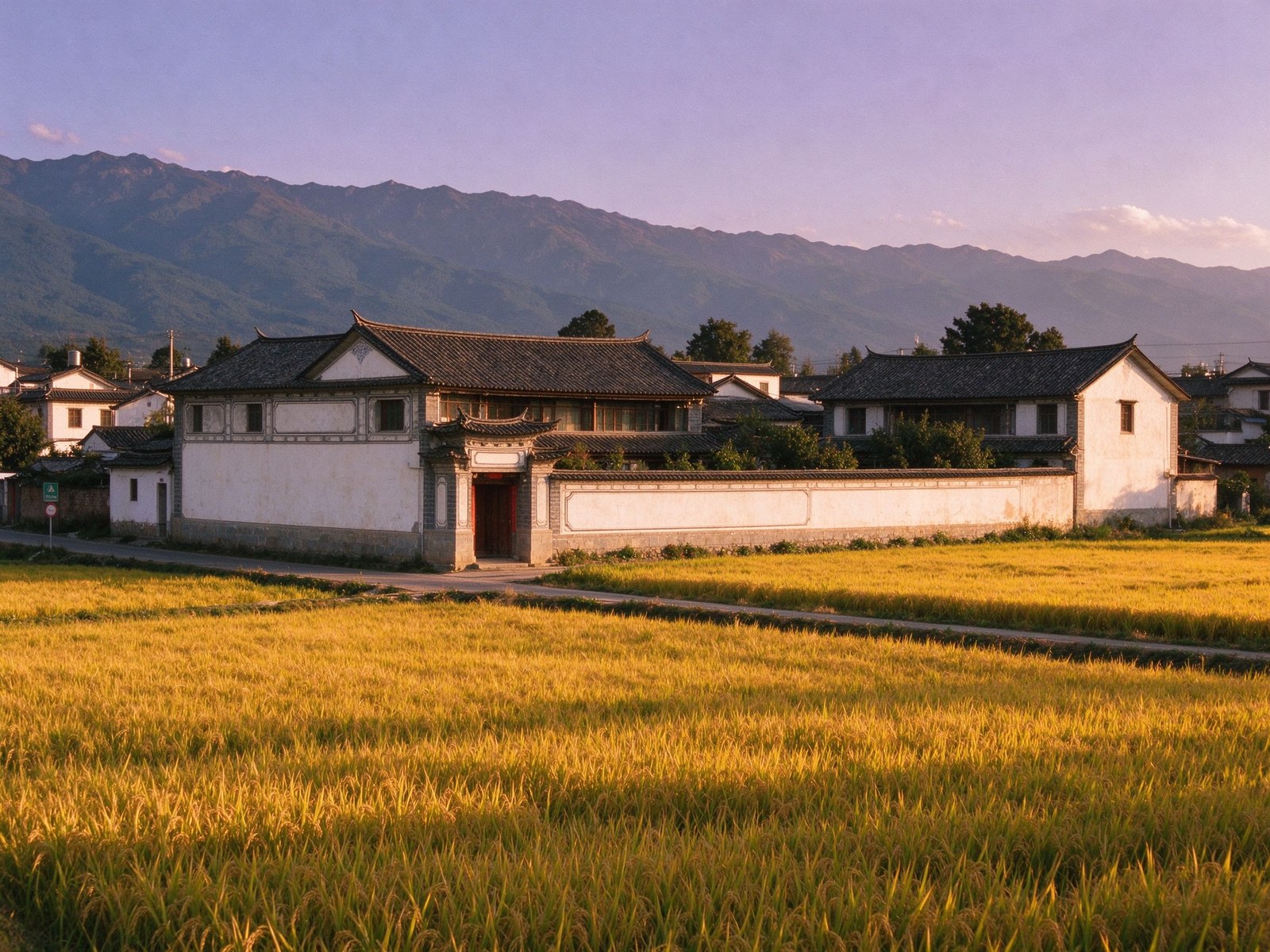
Xizhou preserves the courtyard houses of Bai tea-horse-road merchants: white walls, carved eaves and a screen wall (照壁) that catches sun and deflects wind. The Yan Family Compound shows how wealthy traders actually lived—walk the alley grid, not just the main street.
Zhoucheng Village near Xizhou is called the home of Bai tie-dye, a national intangible heritage. Cloth is tied and dipped in indigo vats by hand—turn any souvenir over; hand-dyed edges are soft and irregular while printed copies look flat and uniform.
The 19 peaks of Cangshan run along Erhai's west side as a national geopark, with Quaternary glacial pools at 3,900 m. The mountain is why Dali's climate is mild—read the ridge as a weather wall holding off the wet monsoon.
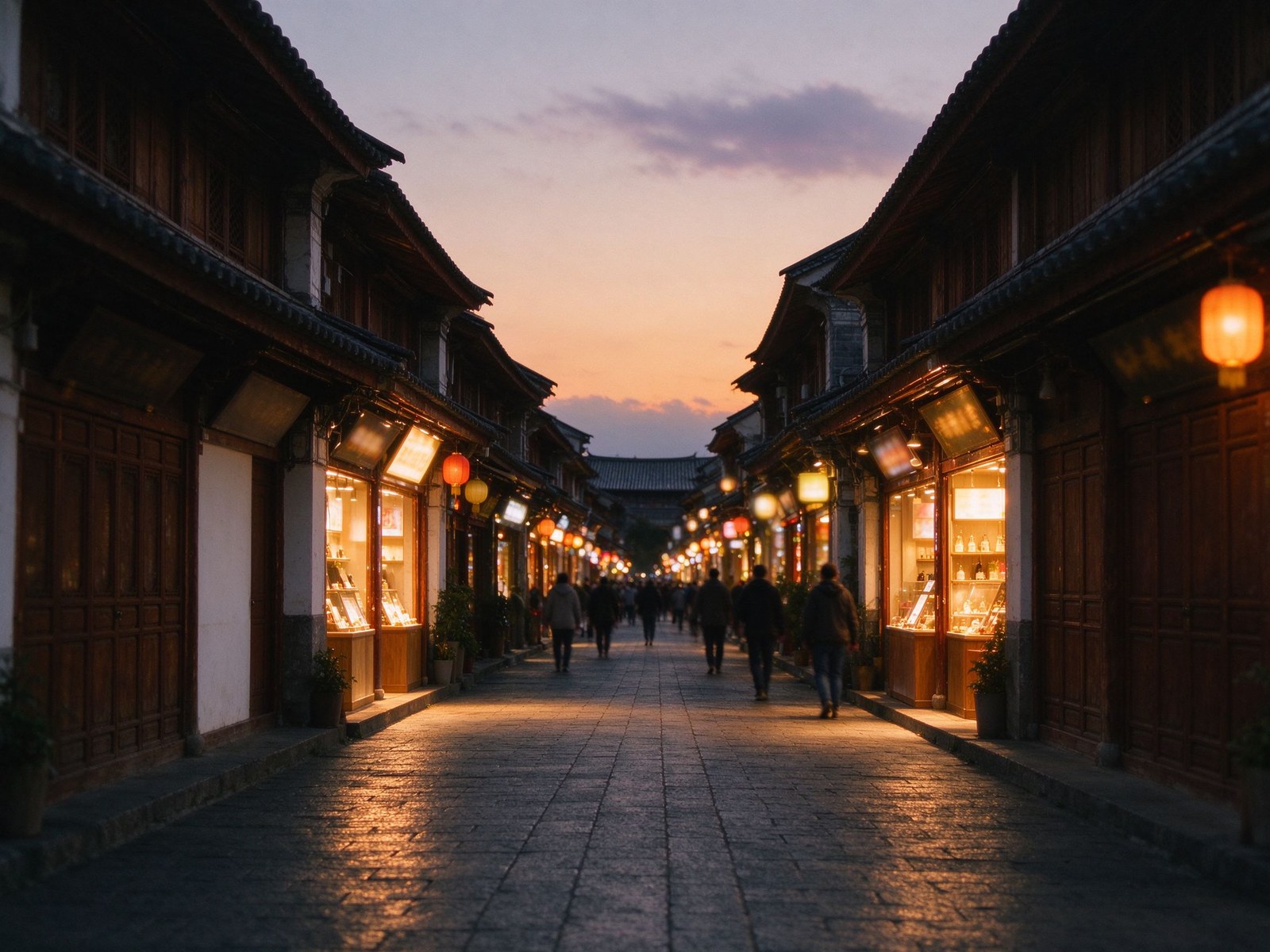
Today's Dali Old Town is a Ming-era walled grid of stone lanes, but it sits on the old Nanzhao/Dali royal capital site. The free, open street grid means you wander, not queue—start at the South Gate and let Renmin Road pull you toward the lake.
Tickets, duration, transport — ready for your trip cart.

Buy via the official channel; arrive at opening (07:30) for the empty reflection shot. The temple walking route takes…
 Popular
No reservation needed. Best on foot; Renmin Road night stalls are busiest after 18:00.
 Popular
Confirm operation by phone first (Ximatan 0872-5364980, Gantong 0872-2683551): the weather changes fast and cars halt…
 Popular
No reservation for the shore; book cruises ahead in peak season. Bring sun protection and water—exposed shore has lit…
 Popular
No reservation for the streets. Try the freshly baked baba at Sifang Street; visit in spring (rapeseed) or autumn (go…

No reservation. Arrive before sunset for the lake-and-mountain view; lakeside cafes price the view—skip overpriced dr…
Executable skeletons: day-by-day anchors you can trim to fit.
1-day
For travelers with one day based in the old town. Keeps transfers short and pairs the pagodas with a foothill cable-car ride.
Eat where locals queue: freshly baked Xizhou baba (喜洲粑粑), grilled rushan milk fan (烤乳扇), cold chicken-bean noodles (鸡豆凉粉) and crossing-the-bridge noodles. For souvenirs, buy hand-tied indigo cloth from Zhoucheng and sealed rose-paste cakes (鲜花饼) with a recent bake date. Skip the over-packaged 'Dali eight specialties' boxes where tour coaches drop—markup peaks there, and the lake-view cafes on Shuanglang's strip price the sunset, not the coffee.
Best time: March–April for Xizhou rapeseed blossoms and mild hiking; September–October for golden rice fields and clear Cangshan views. Year-round spring-like weather (~15°C average); avoid the July–August rain peak and national holidays. · Low-latitude highland monsoon climate—small annual temperature swing, four seasons like spring, strong UV, big day-night difference and a distinct rainy season (June–September); the mountain ridge shields the lake basin.
Dali has no metro. The old town is walkable; bike or e-scooter the Erhai west-shore eco-corridor (private cars closed off). Gantong and Ximatan cable cars climb Cangshan from the old town's west side. Long distances around the lake use local buses, chartered cars or Didi; Xizhou is ~18 km north, Shuanglang across the east shore. Dali Station (HSR) connects to Kunming in ~2 h, Lijiang in ~1 h50 and Shangri-La in ~3.5 h; it sits in Xiaguan, south of the old town, ~30–40 min by bus/taxi. Dali Fengyi Airport (DLU) is ~14 km from Dali Station; an airport bus runs to the station (about ¥15, ~40 min), then a local bus or taxi to the old town. Confirm last-train and airport-bus times for late arrivals.
Old-town shops, cafes and chain hotels take Alipay/WeChat with bound foreign cards; lakeside stalls and bike rentals often prefer cash or local mobile pay. Keep ¥200–400 small notes for street snacks, the cable car and e-scooter rentals; show your Chinese hotel address to Didi drivers.
The Three Pagodas are best at opening (07:30) before tour coaches; Renmin Road night stalls peak after 18:00. Shuanglang's sunset strip is crowded on summer weekends and holidays. The Erhai eco-corridor closes to private vehicles—use the dedicated bike lane instead.
The old town sits at about 2,000 m with strong UV and fast-changing weather. The Cangshan cable car reaches 3,900 m—bring a jacket and take it slow; the cable car halts in wind, frost or heavy cloud, so confirm by phone before you go.
Dress modestly at Chongsheng Temple and remove hats/where asked; ask before photographing Bai elders or dyeing artisans at work. Do not climb on the pagodas or heritage structures, and keep off the cultivated rice fields around Xizhou.
Keep your passport handy—the Three Pagodas, cable cars and museums sell real-name tickets; half-price and free reductions require a passport or ID proving age/status. The Dali Prefecture Museum is closed Mondays (holidays excepted).
Wi-Fi is common in old-town cafes and hotels; buy a local SIM or eSIM on arrival. Signal is strong in the old town and along the Erhai loop, but drops on the upper Cangshan ridgeline—download maps offline before taking the cable car up.
Dali has no metro.
The old town is walkable; bike or e-scooter the Erhai west-shore eco-corridor (private cars closed off).
Metro, stalls, and rides mostly take Alipay or WeChat. Set up Alipay with a foreign card before you land.
Show the Chinese name “大理” to drivers and staff. It beats a long English explanation.
Book tickets, transfers, and popular tours via partners first — then request deeper local experiences through ChinaPie.
Disclosure: Some links are affiliate links. ChinaPie may earn a commission on eligible bookings at no extra cost to you.
Prices shown are planning references only. Actual rates fluctuate with season, holidays, demand, and partner promotions — the price at checkout on the booking site is authoritative.
Conversion stays soft — clear next steps: plan this city, or request planning help.
Yes for typical tourist areas. Keep phones and bags secure on metro and in crowded night spots; use licensed taxis or Didi.
Depends on your passport. Check ChinaPie Plan & Prep → Visa for 30-day visa-free and 240-hour transit options before booking.
Yes—foreigners can set up Alipay with passport + international card. See /prep/alipay-setup for the step-by-step guide.
Take the high-speed train from Kunming to Dali Station—about 2 hours. Dali Station is in Xiaguan, south of the old town, then a 30–40 min local bus or taxi to Dali Ancient City. From Dali you can continue to Lijiang (~1 h50) or Shangri-La (~3.5 h) on the same line.
Per the Dali municipal A-list, the Three Pagodas (5A) are open 07:30–18:30 (last entry 18:30). The ~¥75 figure is platform/local-guide (P2) reference—no current official ticket price was found on the fetched official pages—so confirm the price and any reductions at the official ticketing channel on the day. Arrive at 07:30 for the empty Reflection Pool shot.
Take the Gantong cable car (foothill, cloud path) or the higher Ximatan cable car up to the 3,900 m glacial pool. Per the operator notice, ticket sales are roughly Ximatan 08:00–16:00 and Gantong 08:00–16:30. Cars halt in wind, frost or heavy cloud—phone ahead (Ximatan 0872-5364980, Gantong 0872-2683551) and bring a jacket for the altitude.
The old town is free and open year-round per the municipal A-list. One day covers the old town, Three Pagodas and a Cangshan foothill ride; two days add the Xizhou villages and Shuanglang sunset; three days let you do the full Erhai loop and the high Ximatan cable car.
China offers unilateral visa-free entry to 40+ countries including France, Germany, UK, Japan, South Korea, Singapore, Malaysia, Thailand, Italy, Spain, Netherlands, Switzerland, Sweden, Norway, Denmark, Finland, Belgium, Austria, Ireland, Portugal, Greece, and more. Stay: up to 30 days. IMPORTANT: US passport holders are NOT on the unilateral visa-free list and need a visa. Check latest list at China Immigration official site before travel.
Most first-timers do well with 1–3 days. Start with the 1-day old town + Three Pagodas + Cangshan foothill, then expand to 2–3 days if you want slower food and culture. Use Plan this city to turn stops into a workable week.
Foreign cards work more often via Alipay / WeChat Pay tourist modes and some metro apps, but coverage still varies by merchant. Keep a small cash float and set payment apps up before peak sightseeing. See the practical section on this hub for city-specific notes.