Qingdao Visual Travel Guide
Illustrated city overview — not a scale map. Use Routes below for day-by-day stops you can open in Planner.
Qingdao · 青岛
Qingdao is a German-era concession city laid out on a Chinese coastline: red-roof villas and a seaside pier on the water, a 1903 brewery that still runs, and a Taoist mountain that drops straight into the Yellow Sea. Walk the old waterfront in the morning, drink the brewery's own draft in the afternoon.
City-level visual guides and reviewed photos — infographics are illustrated overviews, not scale maps.
Illustrated city overview — not a scale map. Use Routes below for day-by-day stops you can open in Planner.
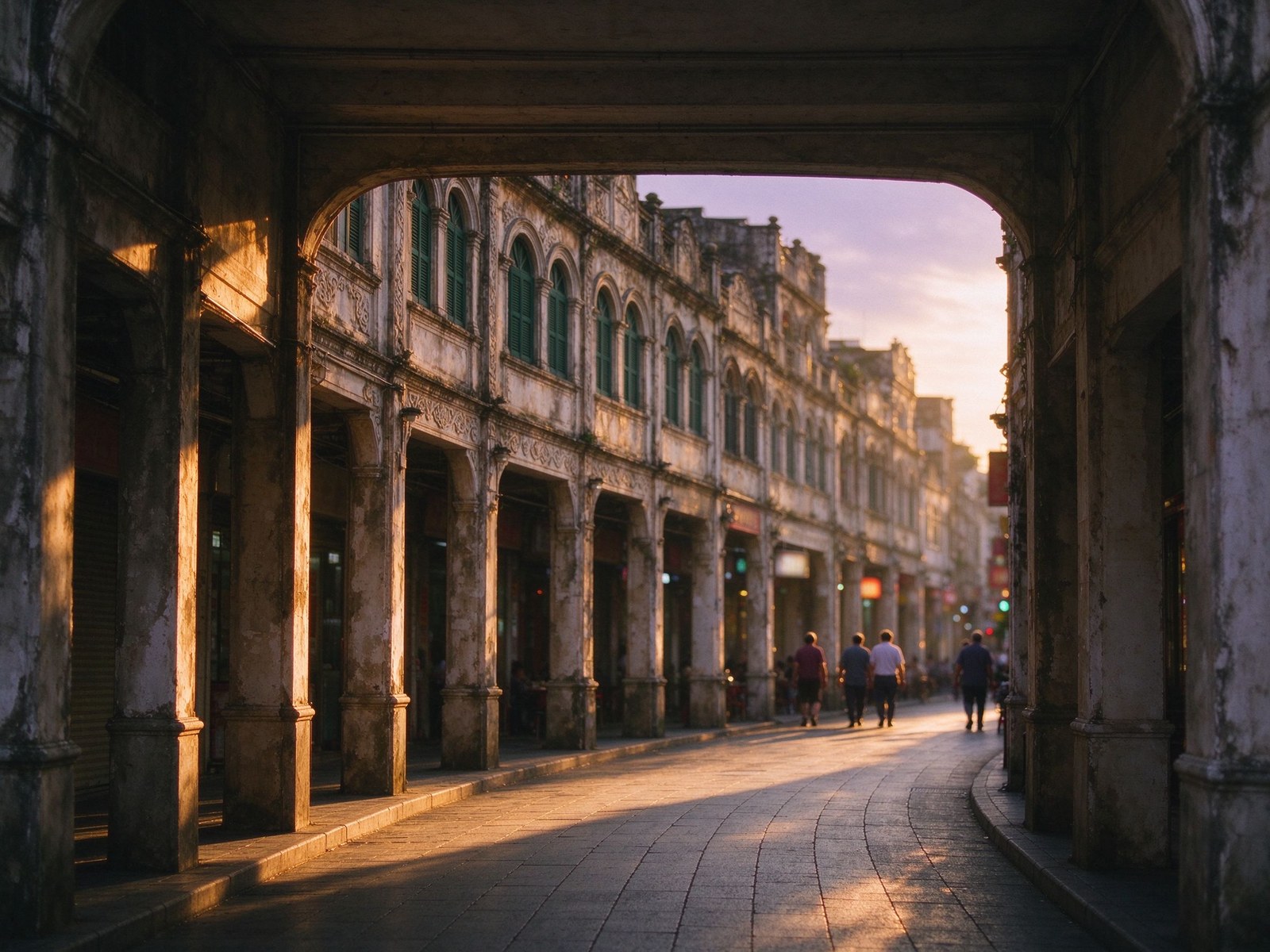
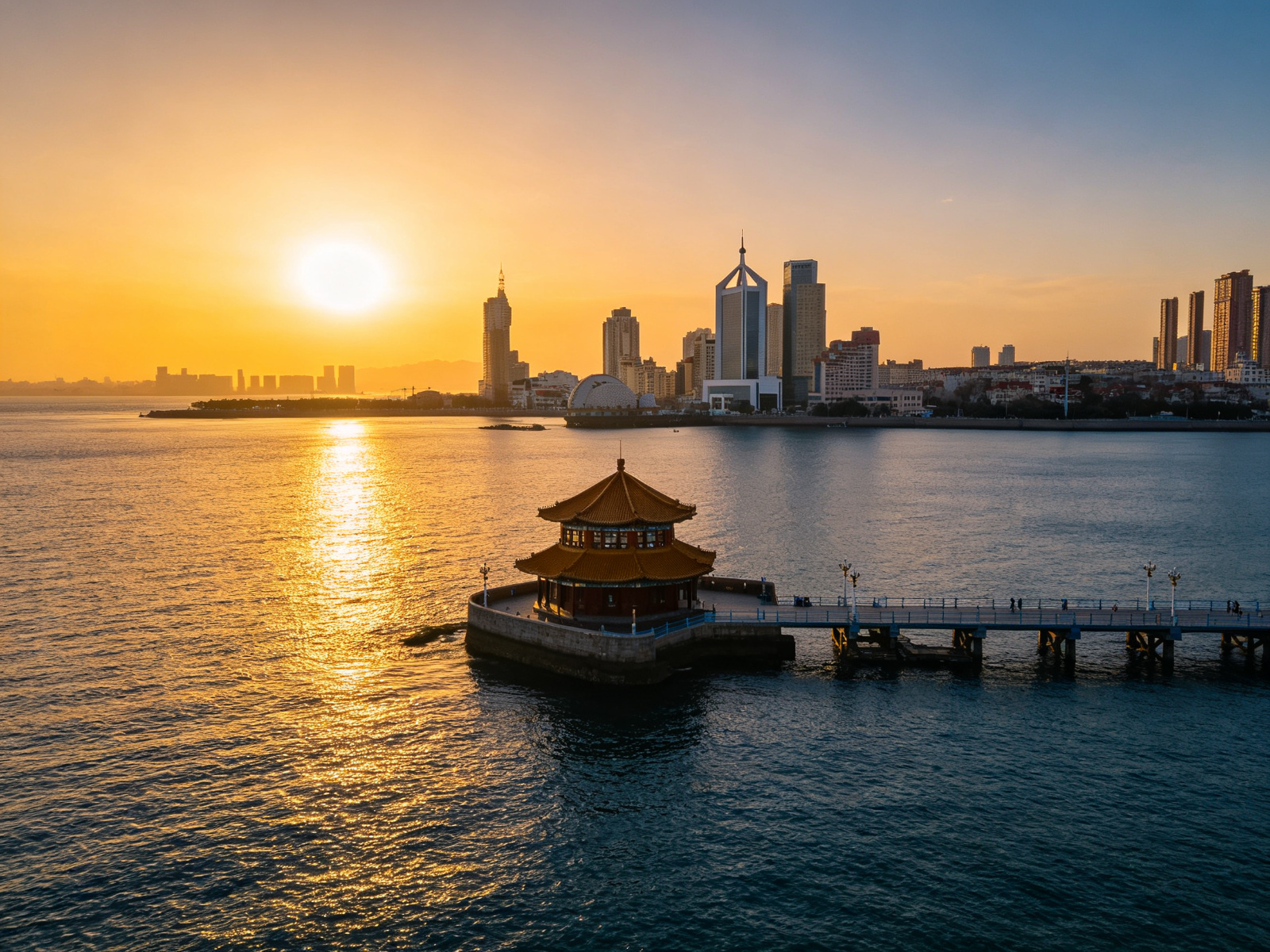
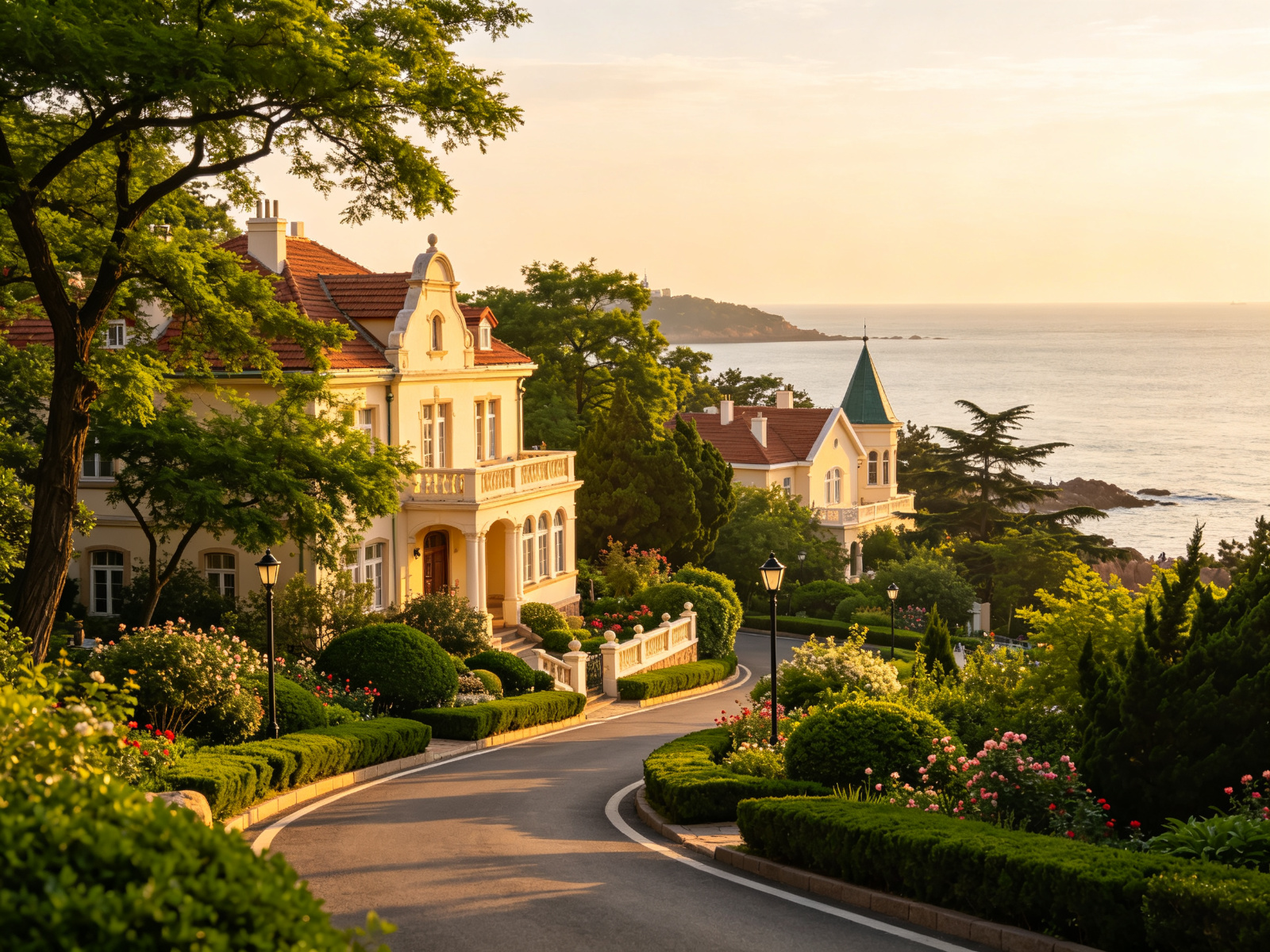
Qingdao's old town is one of the few Chinese city centers where German-era villas, tree-lined streets, and a stone pier were planned against the sea. Walk Zhanqiao then Badaguan on foot—you can read the concession-era city in half a day without a bus.
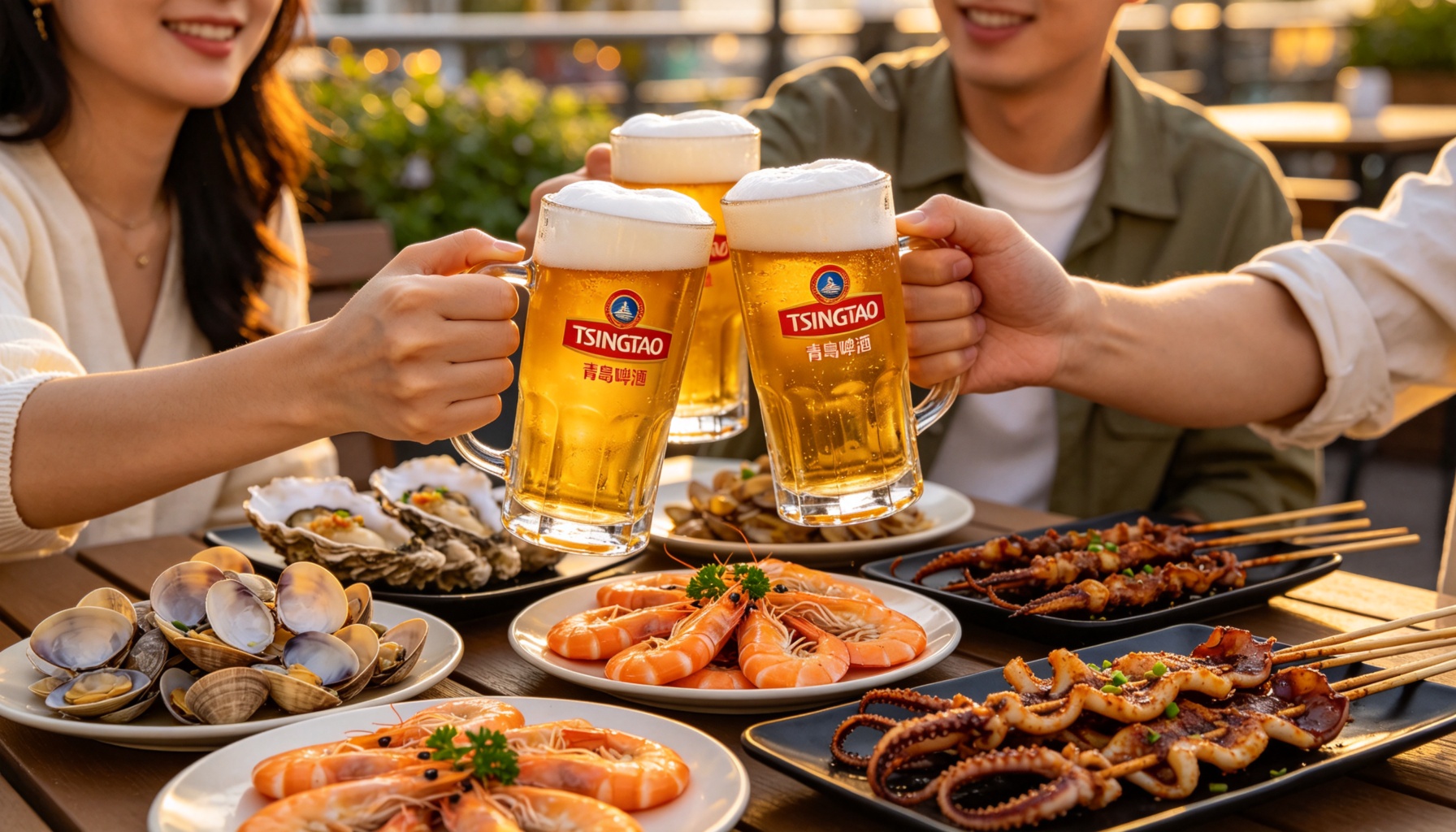
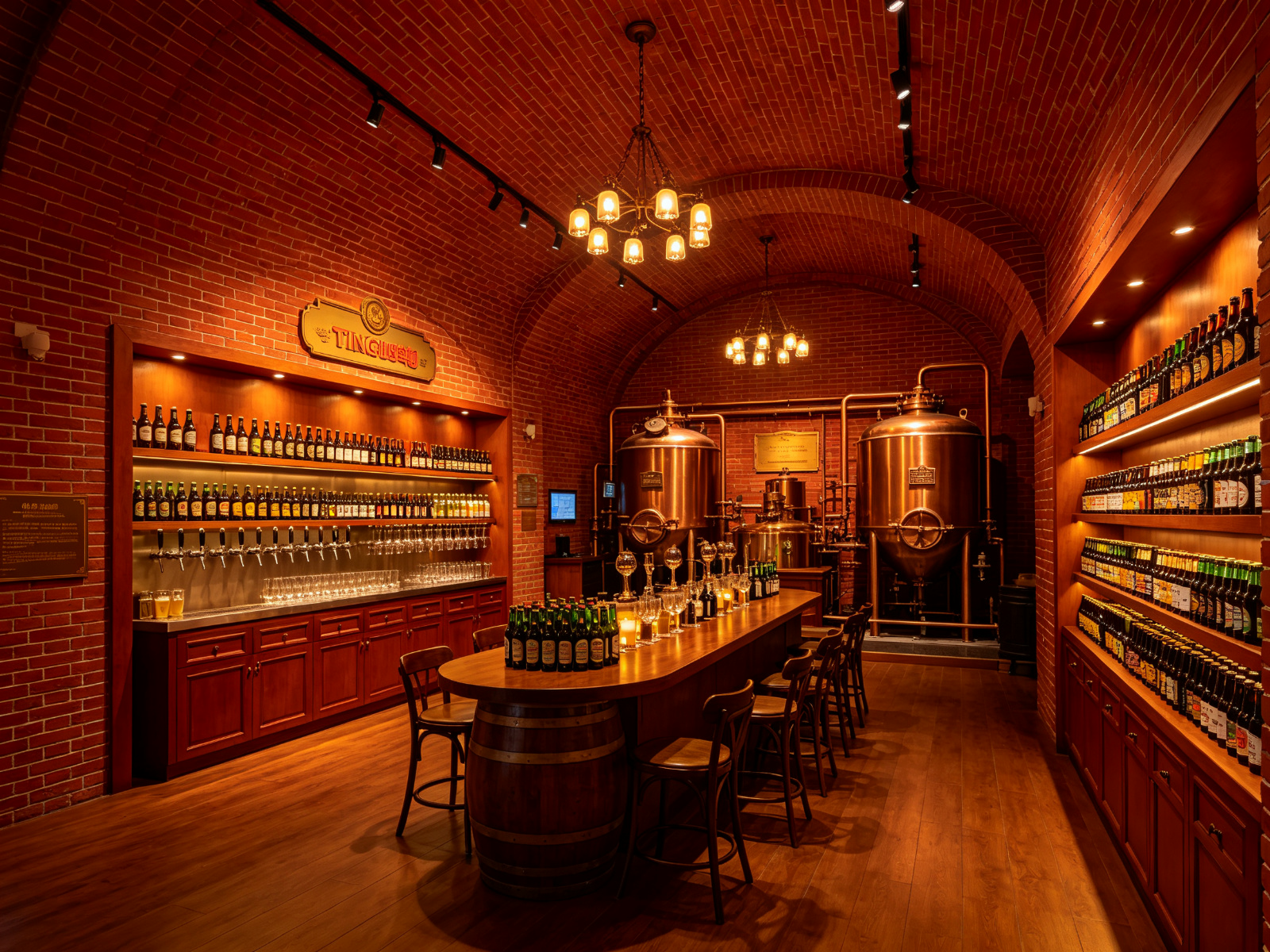
Tsingtao Brewery started here in 1903, and locals still buy fresh draft by the jin from neighborhood shops. Do the museum in the old brewery, then drink the same-day draft on Dengzhou Road with spicy clams—this pairing is the point of the trip.
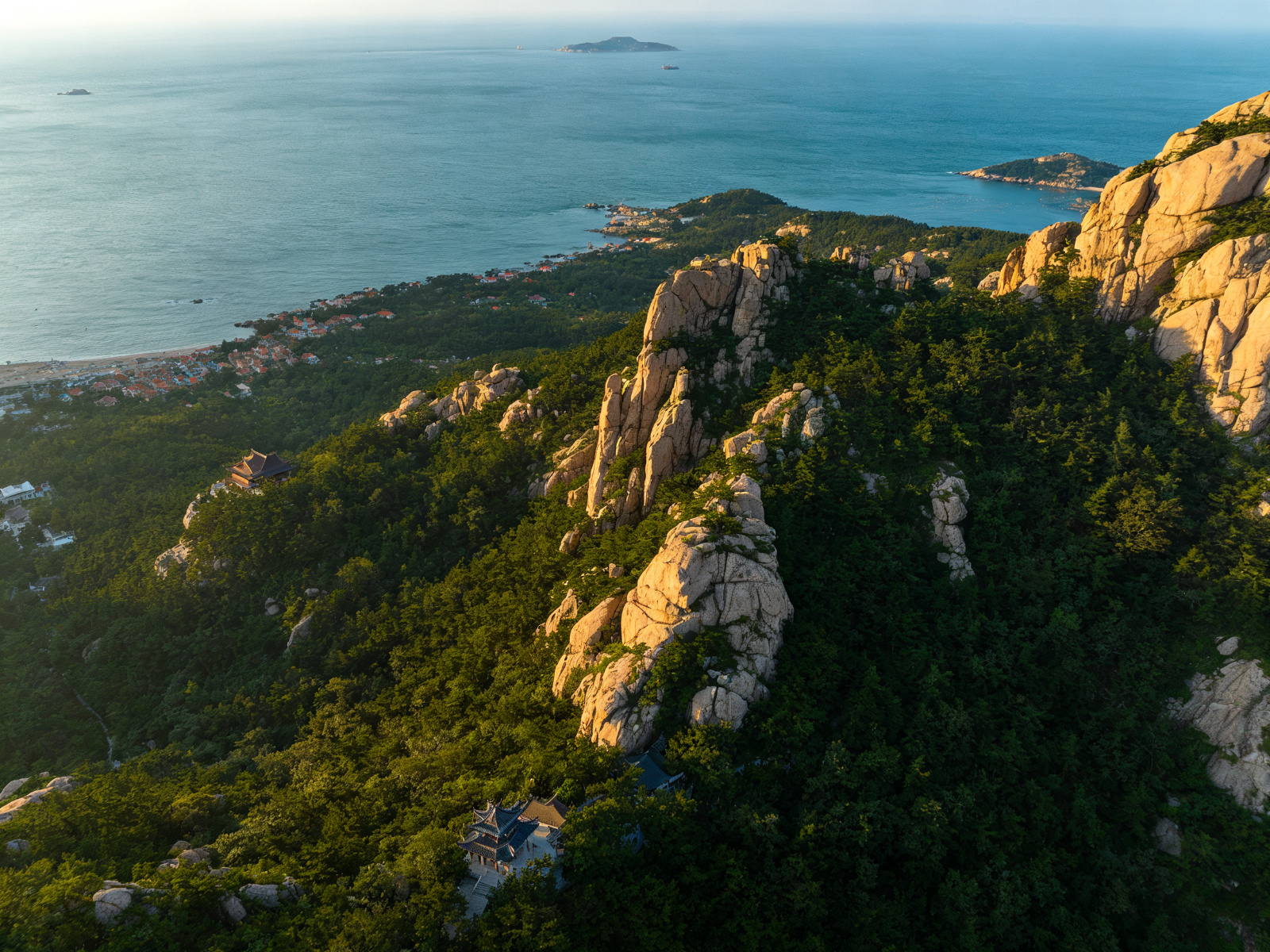
Mount Lao is unusual: granite peaks and Taoist temples sit right on the Yellow Sea shore, not inland. Take the south-route (Taiqing) line for temples-by-the-water, or Jufeng for ridge views; leave the city by 08:00 to do it in a day.
The city’s signature line — depth entry, not a checklist.
The signature study line reads Qingdao in three layers: the 1892 Zhanqiao Pier that started the city as a naval anchorage, the Badaguan villa district where 200+ European buildings show what the concession era built, and the 1903 Tsingtao Brewery—now a national first-class museum—where you taste the unfiltered original draft straight from the old plant. Rest afterward on Dengzhou Beer Street with clams.
Add to trip to compare and prepare; check partner links for slots and price when shown.
Beyond ticket notes — read the city’s character first.
After the 1898 German lease, Qingdao was laid out as a planned colonial port: grid streets, villas on the hills, a seawall pier. Observation point: stand near Zhanqiao and notice the red roofs + green trees + blue sea motif locals call their city logo—it is a planned aesthetic, not an accident.
The Tsingtao brewery was founded by German and Danish investors in 1903; the old plant on Dengzhou Road still houses the museum and pours unfiltered original draft. Judgment: visit the working museum, then compare that original draft with neighborhood bagged draft on the way out.
Mount Lao is one of China's four great Taoist mountains, but unlike the others it drops straight to the Yellow Sea. Taiqing Palace by the water is the core site; the mountain also gives its name to local mineral water and green tea—both worth tasting on the ground.
Qingdao's signature eating is not a banquet: it is cheap clams stir-fried with chili and garlic, bought with a jin of same-day draft carried home in a plastic bag. Judgment: eat this at neighborhood stalls, not at Pi Chai Yuan's tourist-trap markup.
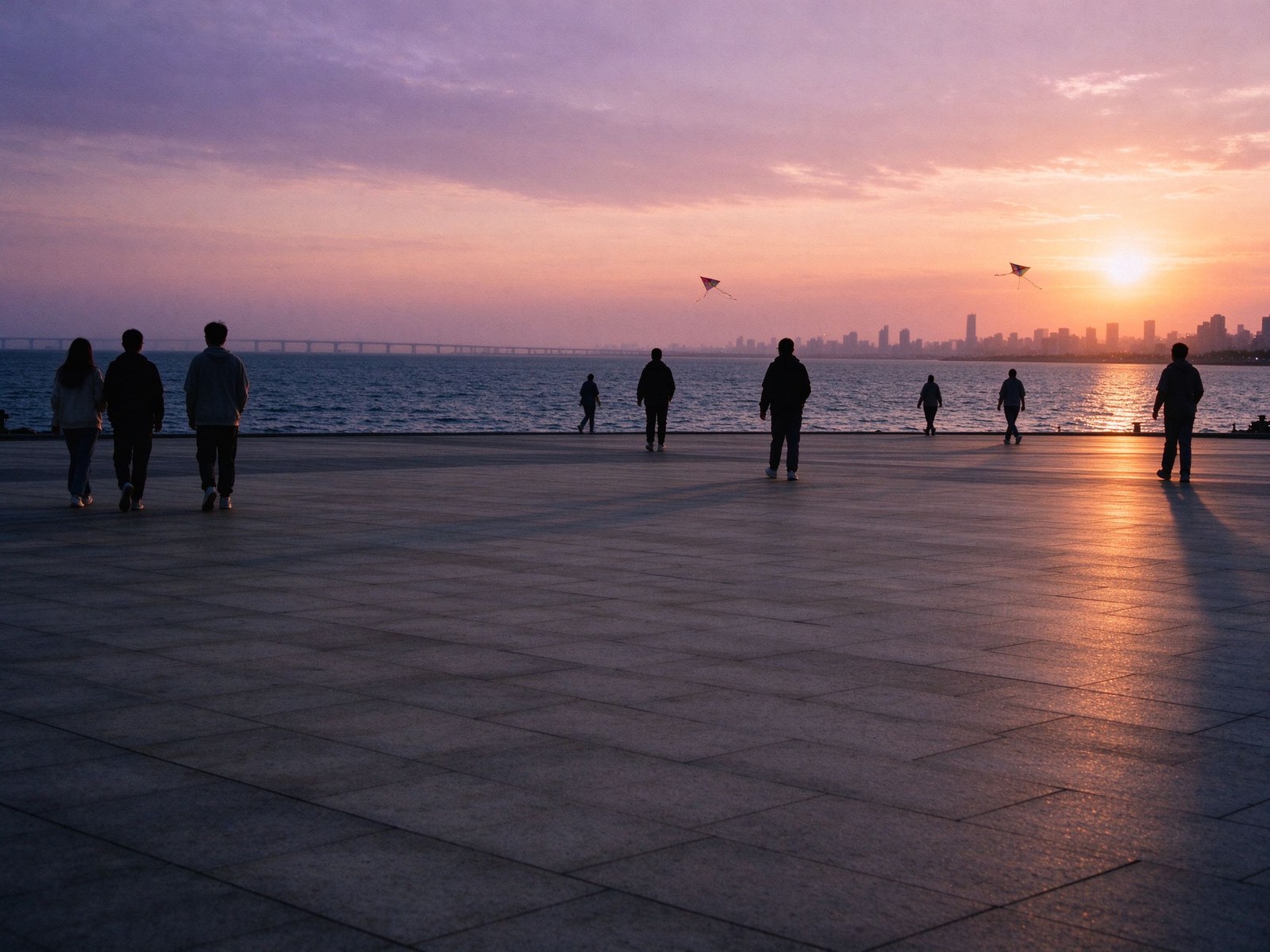
Qingdao grew eastward over the 1990s–2000s; May Fourth Square and the Olympic Sailing Center (2008 sailing events) are the new waterfront. Observation: the old town walks history, the east shore walks modernity—do both to feel the city's two eras.
Tickets, duration, transport — ready for your trip cart.
Emerging440m pier extending into the sea, with a traditional Chinese pavilion at the end. Qingdao's most iconic landmark, vis…
 Emerging
Historic villa district with 200+ European-style buildings from the German concession era. Tree-lined streets, each n…
 Popular
Located in the original 1903 brewery. Learn beer history, see old equipment, and taste fresh draft beer. Includes one…
 Emerging
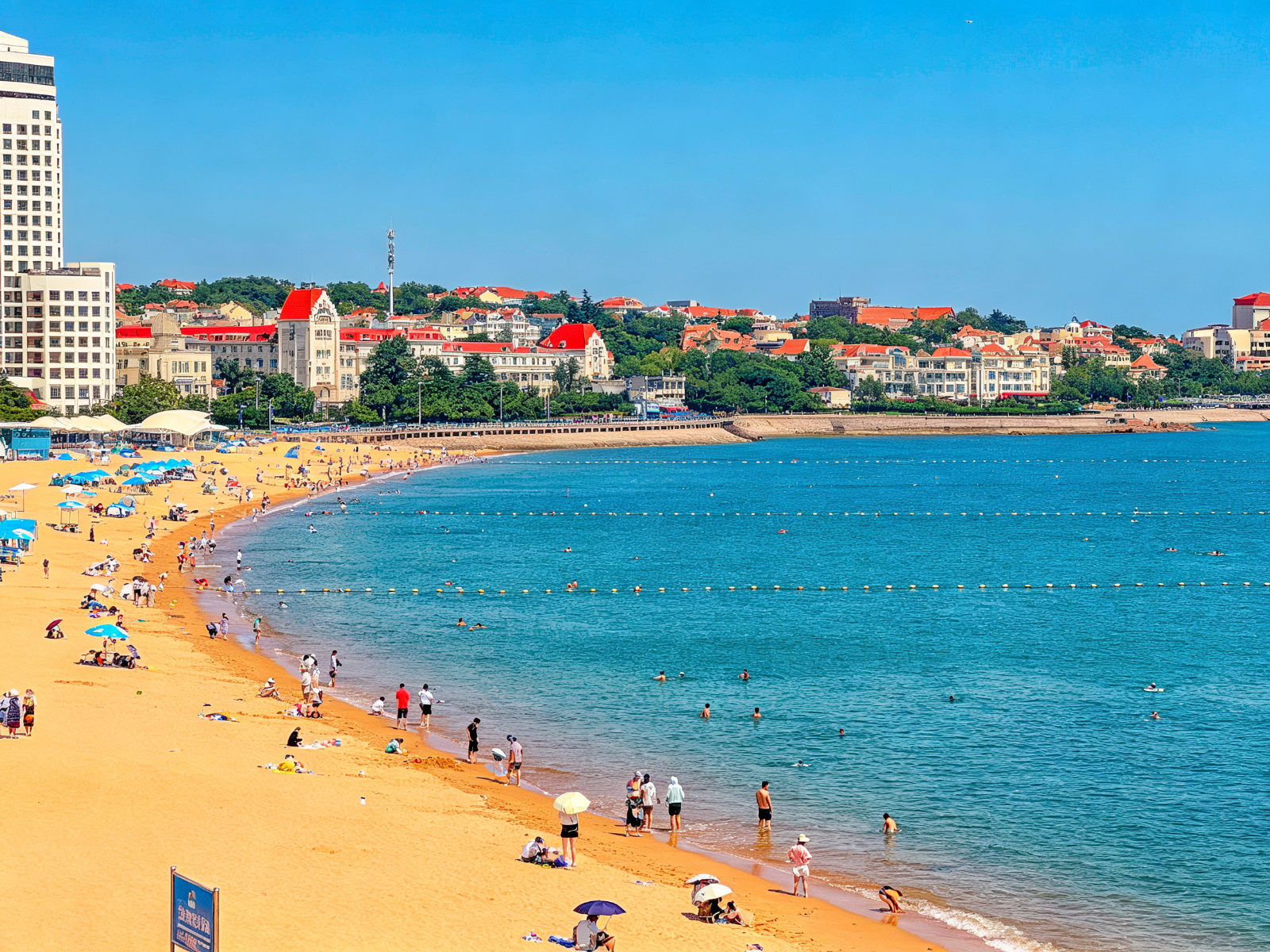
Qingdao's most popular city beach, 580m long. Clean sand, lifeguards, and views of Huiquan Bay. Packed in summer.
 Emerging
Taoist mountain by the sea, 1,133m high. Ancient temples, granite peaks, and coastal views. One of China's 'Four Grea…
Executable skeletons: day-by-day anchors you can trim to fit.
1-day
For transits and short stays; the old-town cluster is walkable plus one metro ride.
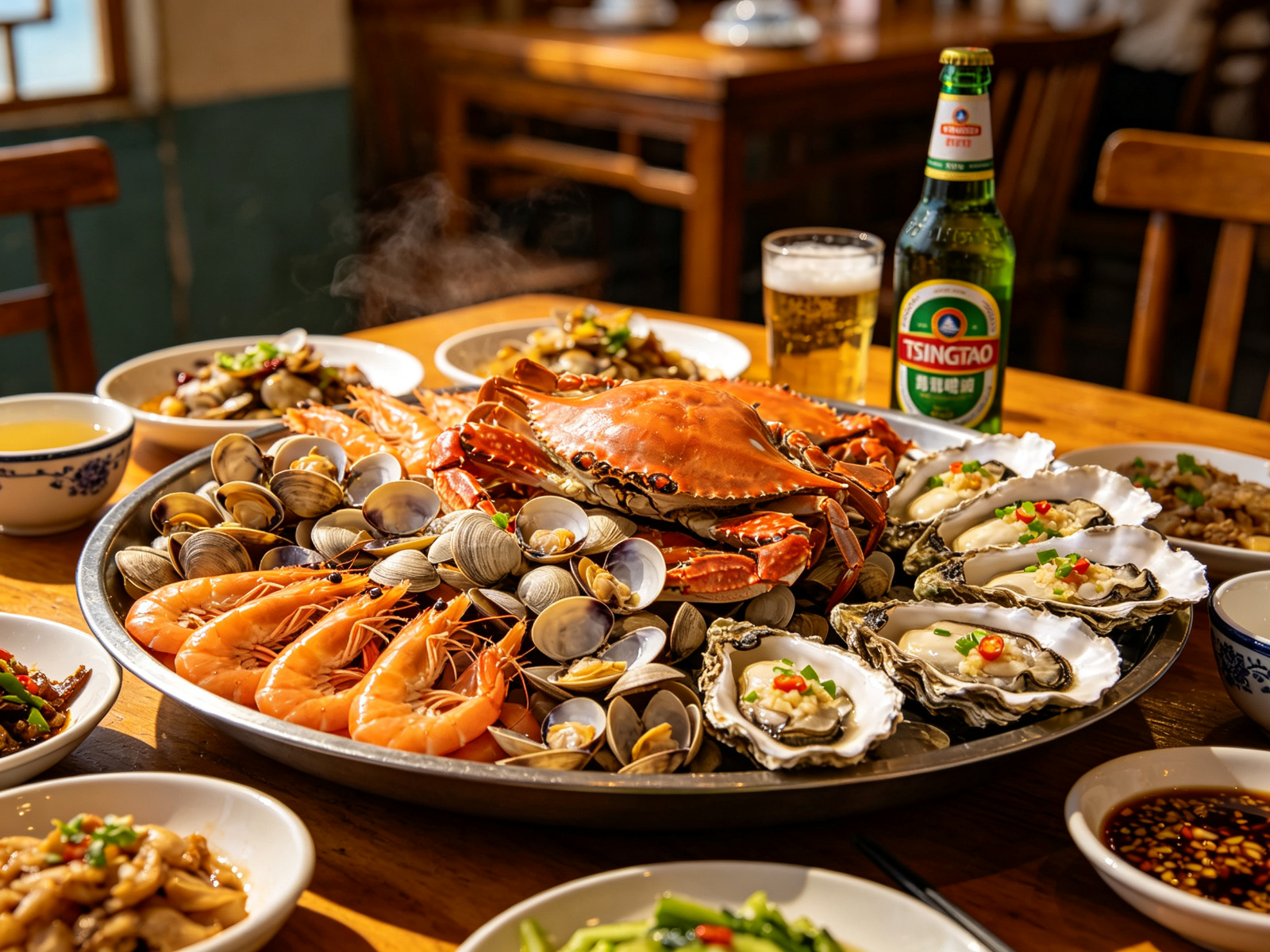
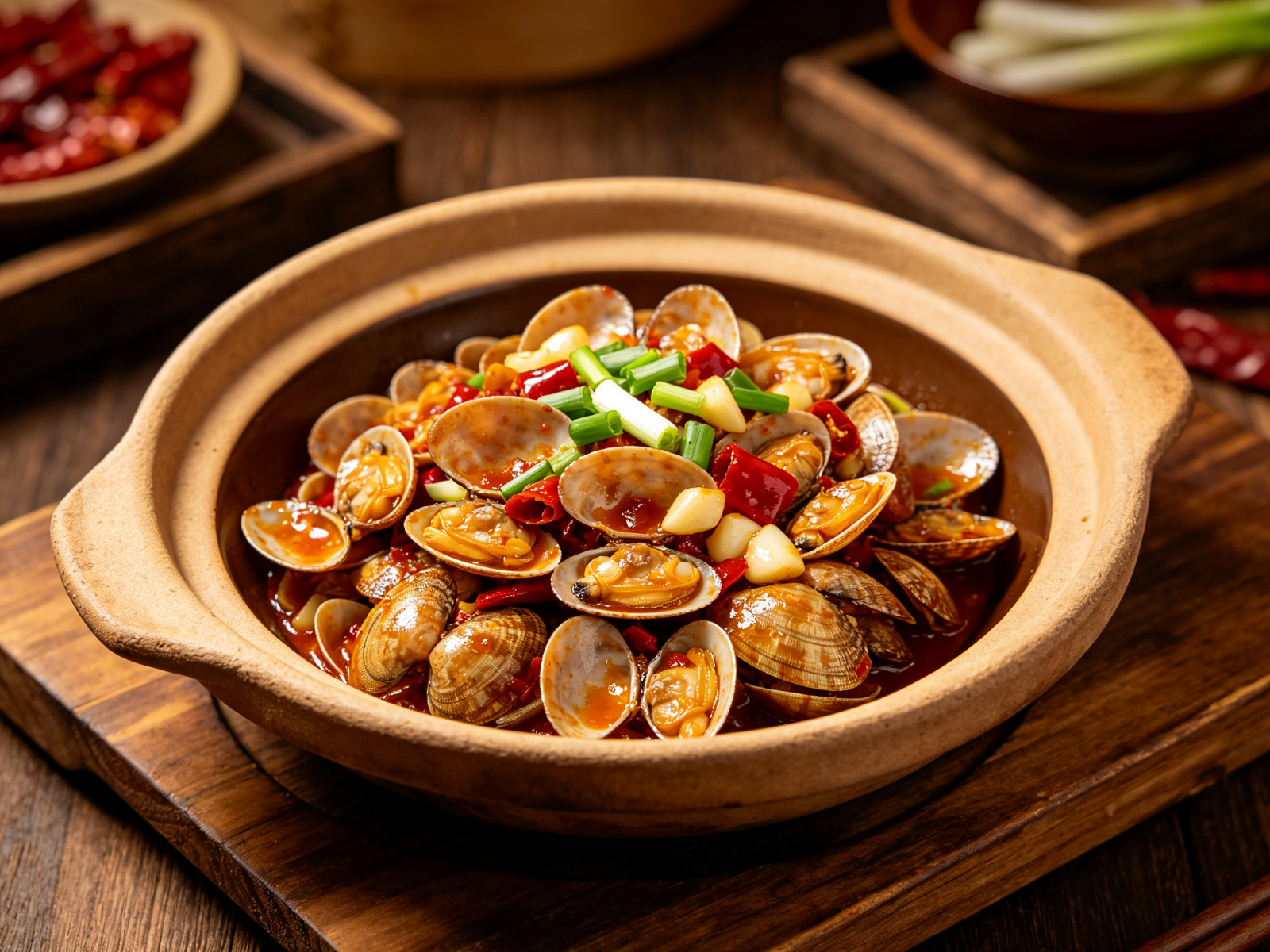
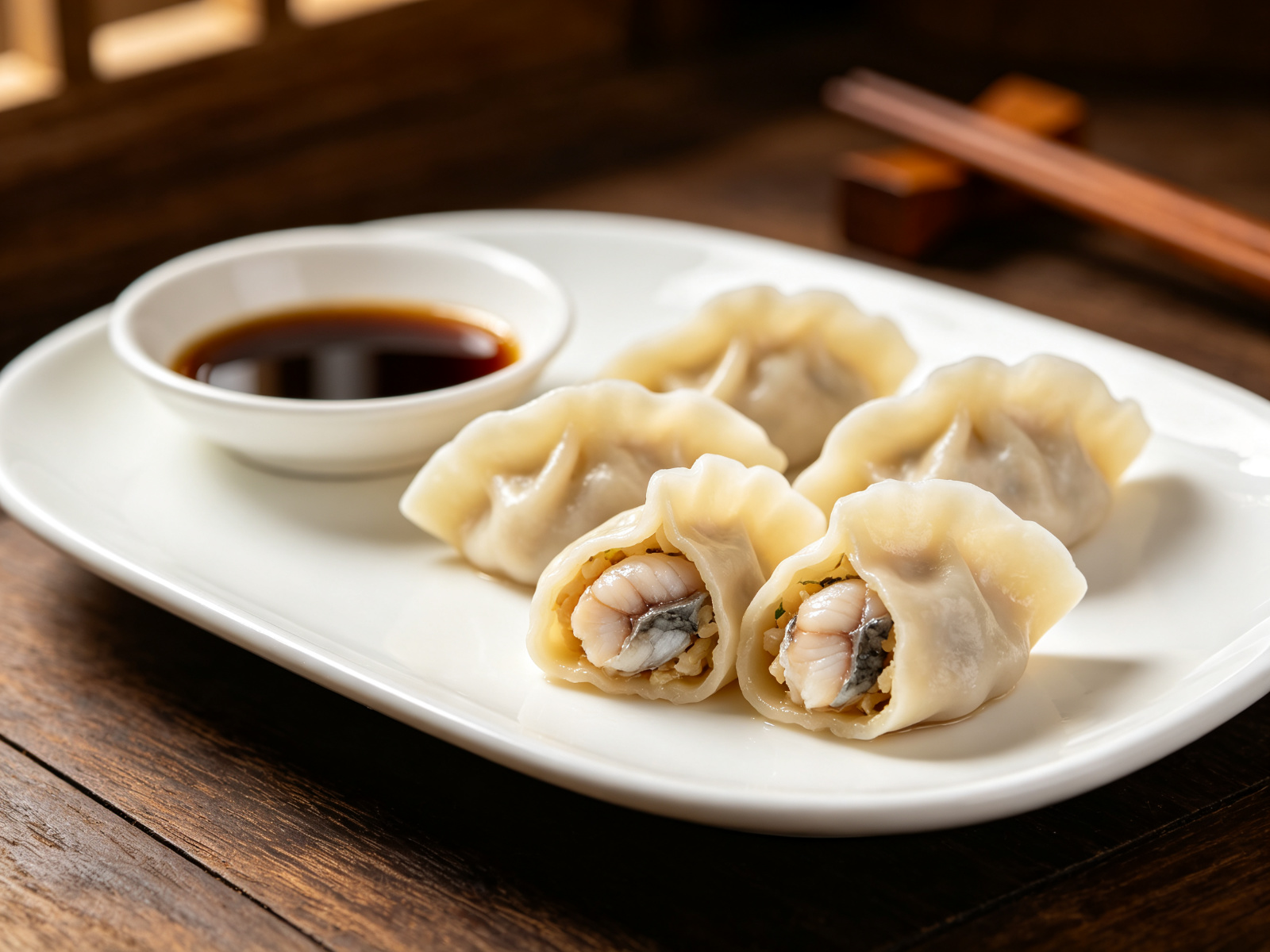
Qingdao eating is honest and cheap: the pilgrimage is spicy clams (辣炒蛤蜊) with a jin of same-day draft beer, eaten at neighborhood stalls—skip Pi Chai Yuan's scenic markup for that. Mackerel dumplings (鲅鱼水饺) are the local comfort order, and roast squid is the beach-stall default. Buy draft by the jin from street shops and drink it on the spot; it does not travel well. Laoshan mineral water and Laoshan green tea are the packable souvenirs.
 Emerging
The classic Qingdao combo: fresh seafood (clams, shrimp, oysters) with icy Tsingtao draft beer. Best at night markets…
 Emerging
Fresh clams stir-fried with chili, garlic, and cilantro. The ultimate Qingdao beer snack. Cheap and addictive.
 Emerging
Dumplings filled with Spanish mackerel (fish) and pork. Qingdao specialty—light, fresh, and juicy.
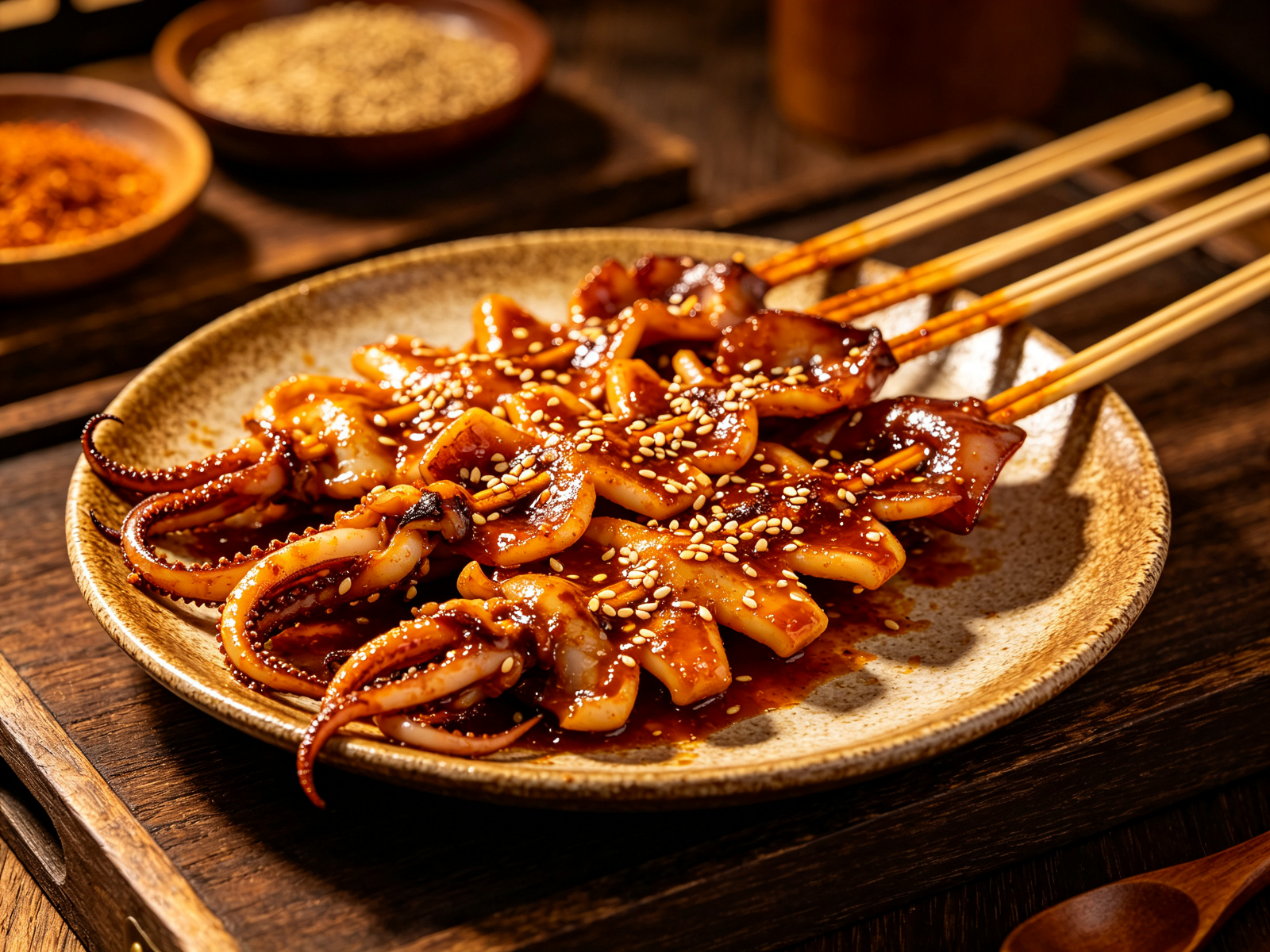 Emerging
Whole squid grilled on skewers with spicy sauce. Street food staple at beaches and night markets.
Best time: May–June, September–October · Maritime — cool summers, mild winters
Metro (6 lines) covers main areas. Didi cheap. Bus to Laoshan. High-speed rail to Beijing (3h), Shanghai (4h).
Foreign-card Alipay/WeChat Tour Card works at chains and the metro; keep ¥200–300 cash for street draft-beer shops, beach stalls, and clams joints. Visa/Master cards are fine at hotels and malls, not at stalls.
July–August beaches are packed and accommodation prices spike; the Qingdao International Beer Festival (usually mid-August, ~2 weeks) books out hotels weeks ahead. Winter (Nov–Mar) brings crowds of seagulls to Zhanqiao and quiet beaches. Book Laoshan in advance on holidays; visit beer museum in the late afternoon for shorter lines.
Drinking draft beer in public waterfront spaces is normal here—no need to hide it. Swim only where lifeguards are on duty and inside flagged zones; outside June–September the beaches are for walking, not swimming. Ask before photographing people dining at night stalls.
Summer coastal water can carry jellyfish; wear shoes on wet rocks and watch riptide signs. Pace the seafood+beer combo—hydrate. On Laoshan carry water and layers; the mountain is windier than the city and cable cars stop earlier than the scenic area closes.
Metro lines (English signage) cover the old town, May Fourth Square, and the beer museum; the old-town-to-badaguan stretch is best on foot. To Laoshan take bus 304/104 or an official tourist bus. Didi is cheap for cross-town hops.
Pick up a local SIM or portable Wi-Fi at Jiaodong Airport; major social and search apps need workarounds. Use Amap (Gaode) for metro and Laoshan bus routing—it handles English station names better than alternatives.
Metro (6 lines) covers main areas.
Didi cheap.
Metro, stalls, and rides mostly take Alipay or WeChat. Set up Alipay with a foreign card before you land.
Show the Chinese name “青岛” to drivers and staff. It beats a long English explanation.
Book tickets, transfers, and popular tours via partners first — then request deeper local experiences through ChinaPie.
Disclosure: Some links are affiliate links. ChinaPie may earn a commission on eligible bookings at no extra cost to you.
Prices shown are planning references only. Actual rates fluctuate with season, holidays, demand, and partner promotions — the price at checkout on the booking site is authoritative.
Conversion stays soft — clear next steps: plan this city, or request planning help.
Yes for typical tourist areas. Keep phones and bags secure on metro and in crowded night spots; use licensed taxis or Didi.
Depends on your passport. Check ChinaPie Plan & Prep → Visa for 30-day visa-free and 240-hour transit options before booking.
Yes—foreigners can set up Alipay with passport + international card. See /prep/alipay-setup for the step-by-step guide.
Usually mid-August for ~2 weeks. The world's largest beer festival after Munich. Expect massive crowds, beer tents, live music, and fireworks. Book accommodation months in advance.
China offers unilateral visa-free entry to 40+ countries including France, Germany, UK, Japan, South Korea, Singapore, Malaysia, Thailand, Italy, Spain, Netherlands, Switzerland, Sweden, Norway, Denmark, Finland, Belgium, Austria, Ireland, Portugal, Greece, and more. Stay: up to 30 days. IMPORTANT: US passport holders are NOT on the unilateral visa-free list and need a visa. Check latest list at China Immigration official site before travel.
Yes. US passport holders need a visa to enter mainland China. The 10-year multiple-entry tourist visa (L visa) is common: $185 fee, processing 3-5 business days. You can also use the 240-hour transit visa-free if transiting to a third country. Apply at Chinese embassy/consulate or via authorized visa agencies. Many travel blogs incorrectly say US is visa-free — this is false.
Major hotels, international restaurants, and large malls accept Visa/Mastercard. But most small shops, street food, taxis, and local experiences only accept Alipay or WeChat Pay. Link your foreign card to Alipay (Tour Card) for daily use. Carry some cash (¥500-1000) as backup.
China is consistently ranked among the safest countries for tourists. Violent crime against foreigners is extremely rare. Common issues: pickpocketing in crowded areas (train stations, metro), taxi scams at airports, and fake goods at markets. Normal precautions apply: keep valuables secure, use licensed taxis/Didi, don't accept unsolicited tours. Women traveling solo generally feel very safe even at night.
Most first-timers do well with 1–3 days. Start with the 1-day waterfront core: pier → villas → beach → brewery, then expand to 2–3 days if you want slower food and culture. Use Plan this city to turn stops into a workable week.
Foreign cards work more often via Alipay / WeChat Pay tourist modes and some metro apps, but coverage still varies by merchant. Keep a small cash float and set payment apps up before peak sightseeing. See the practical section on this hub for city-specific notes.