Kaifeng Visual Travel Guide
Illustrated city overview — not a scale map. Use Routes below for day-by-day stops you can open in Planner.
Kaifeng · 开封
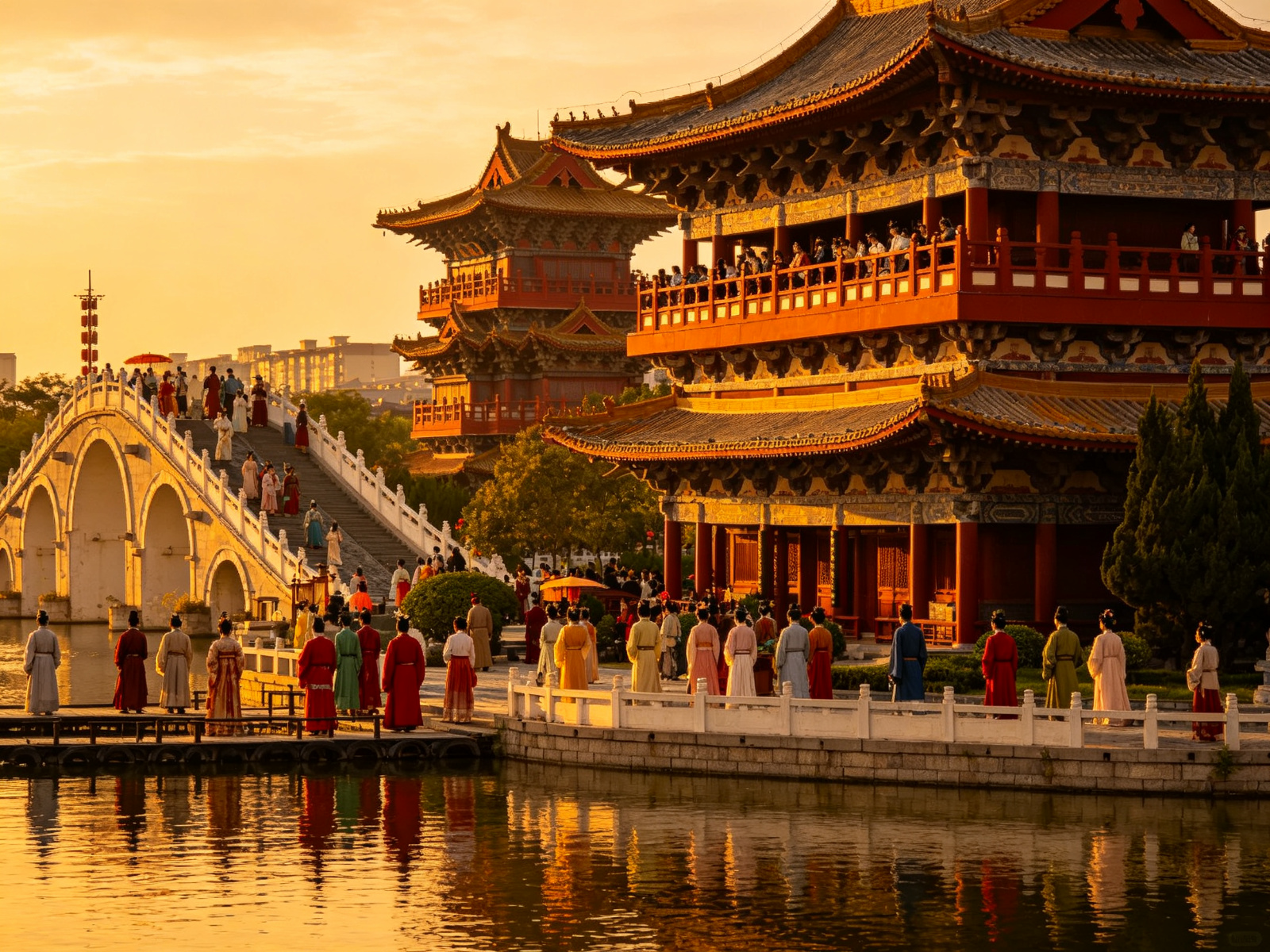
Kaifeng is a Song-dynasty capital that never left the street: the scroll 'Along the River During Qingming Festival' is rebuilt brick-for-brick in Millennium City Park, while the real Northern Song layer — the Iron Pagoda, Daxiangguo Temple, the night markets — still stands in the walkable old center.
City-level visual guides and reviewed photos — infographics are illustrated overviews, not scale maps.
Illustrated city overview — not a scale map. Use Routes below for day-by-day stops you can open in Planner.
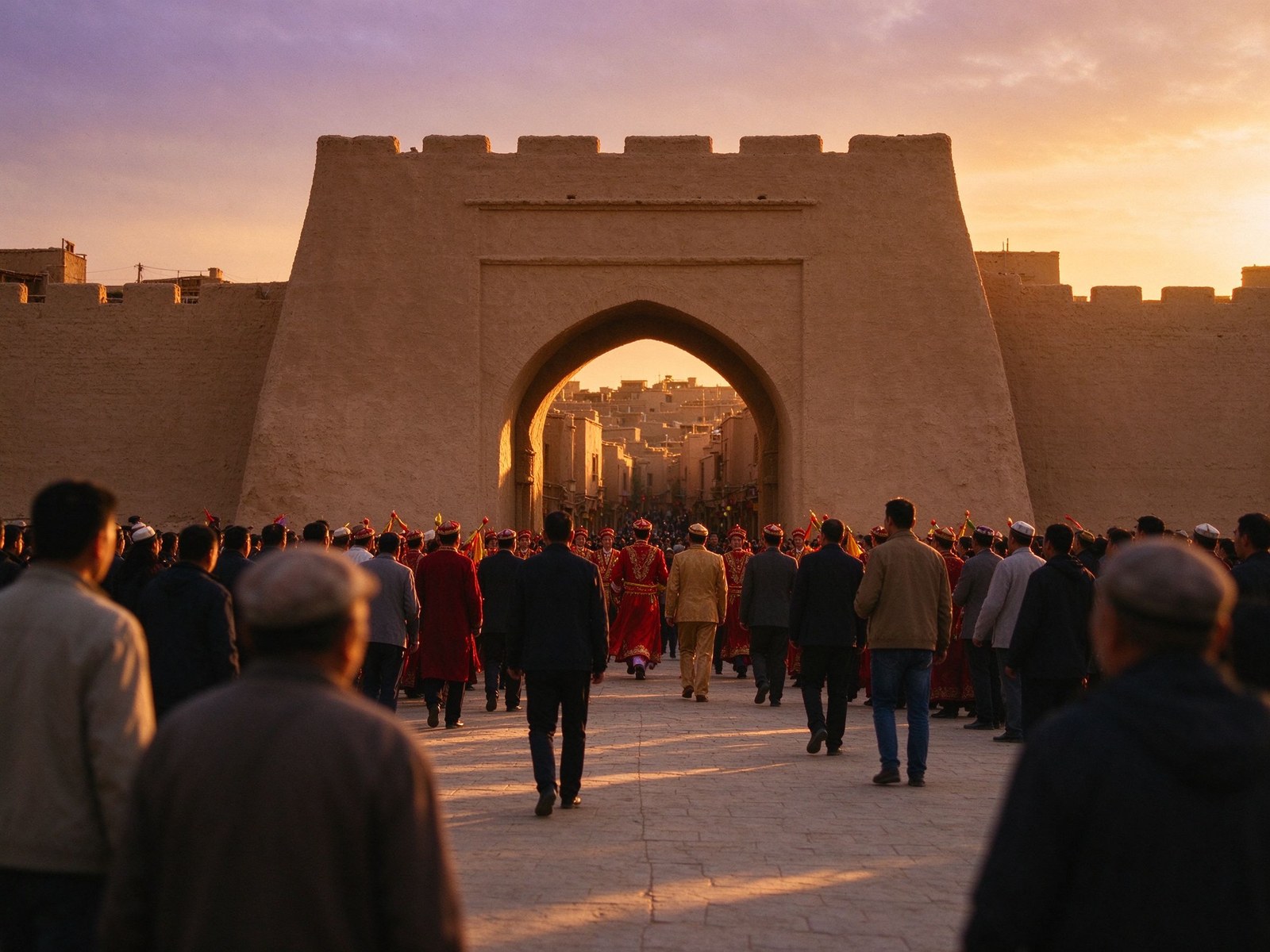
Millennium City Park rebuilds Zhang Zeduan's 12th-century scroll as a working set with costumed staff and staged acts running all day. Buy the evening 'Da Song Dong Jing Menghua' show ticket — it includes the whole same-day visit — and pace the day so you are on site from afternoon into the night show.
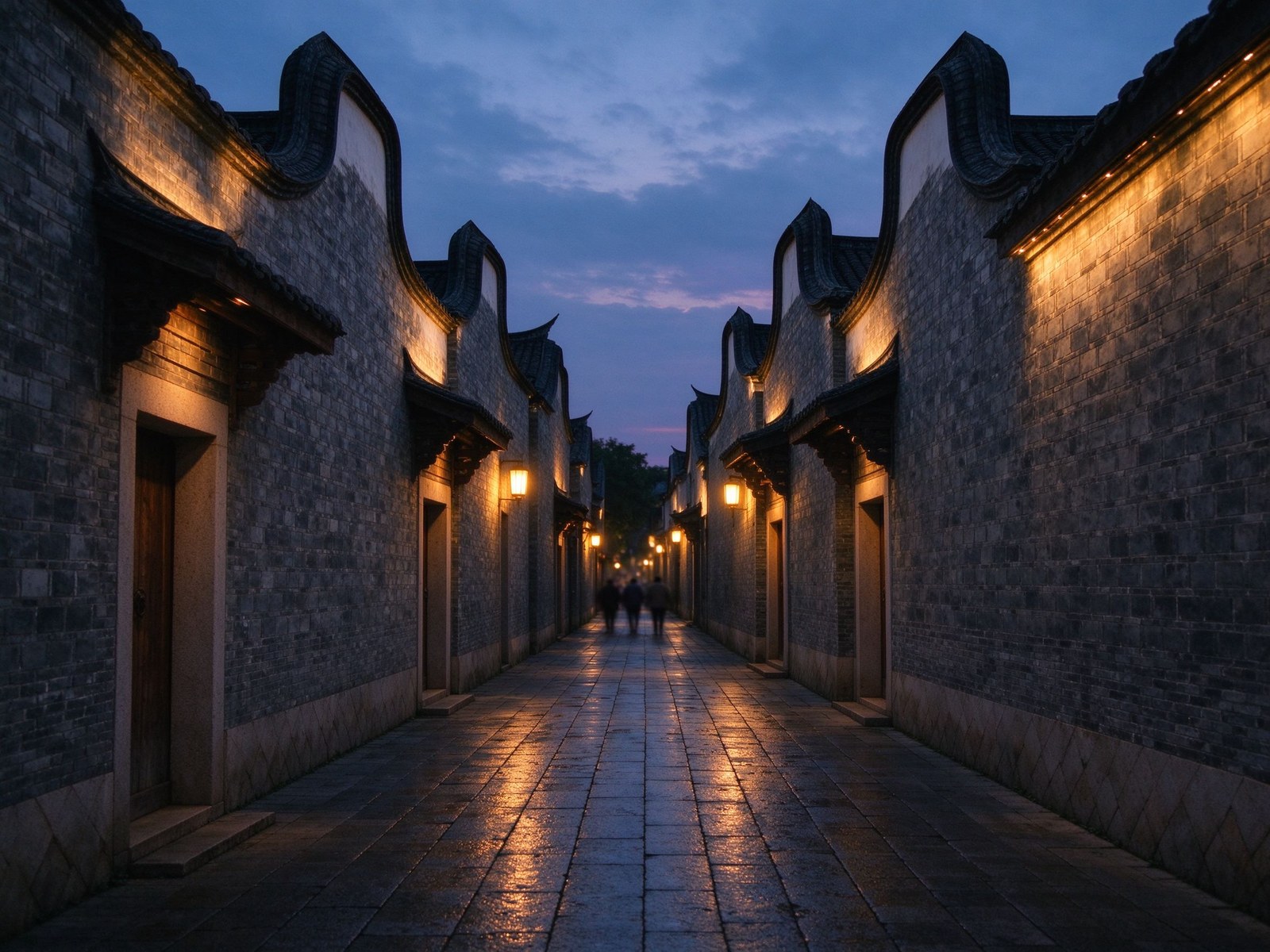
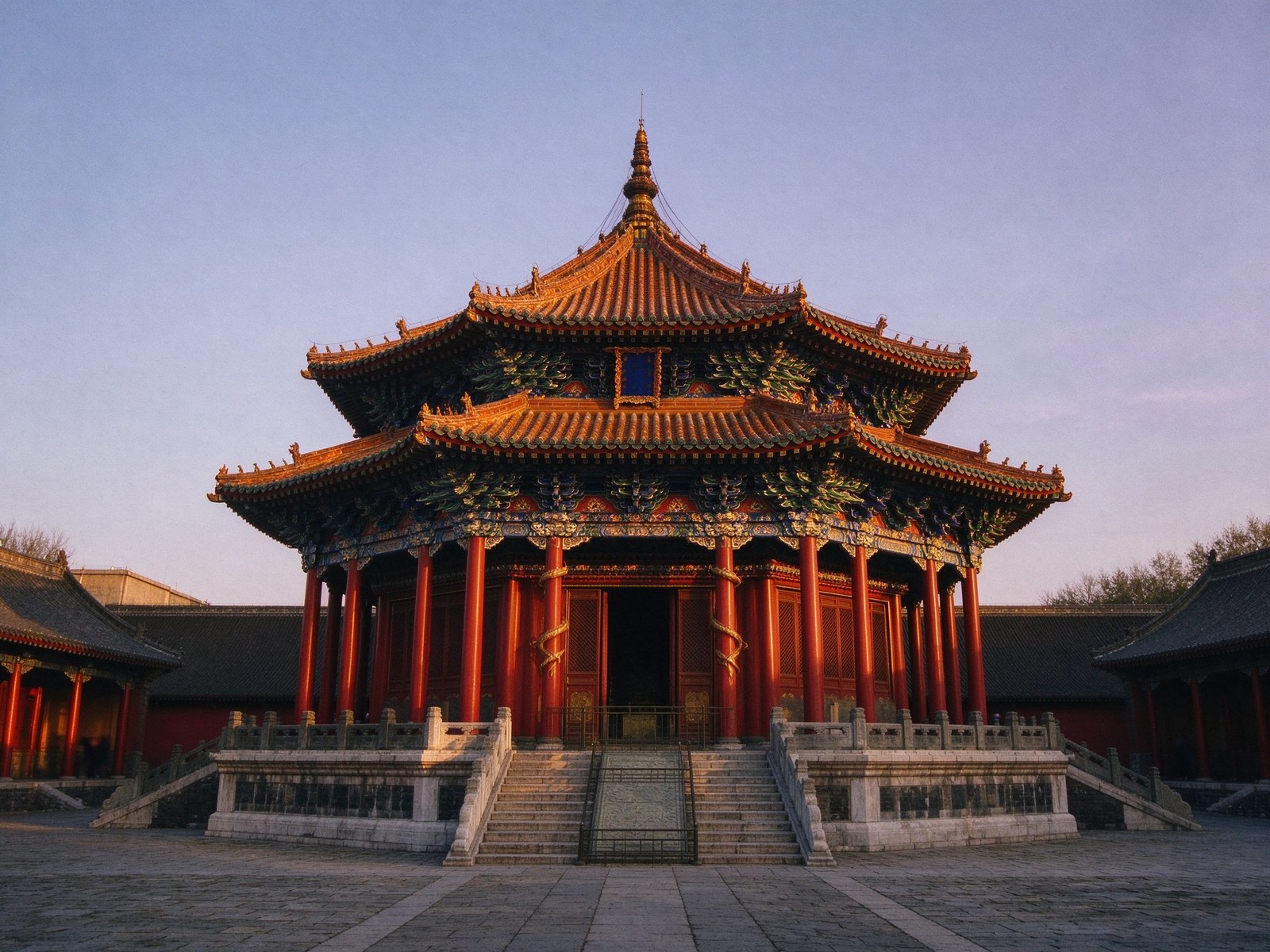
The 1049 Iron Pagoda and Daxiangguo Temple sit inside the modern old town, between the night markets, not in a separate theme park. Cluster your morning around these two and the Gulou/Xisi food streets at night; the whole core is walkable.
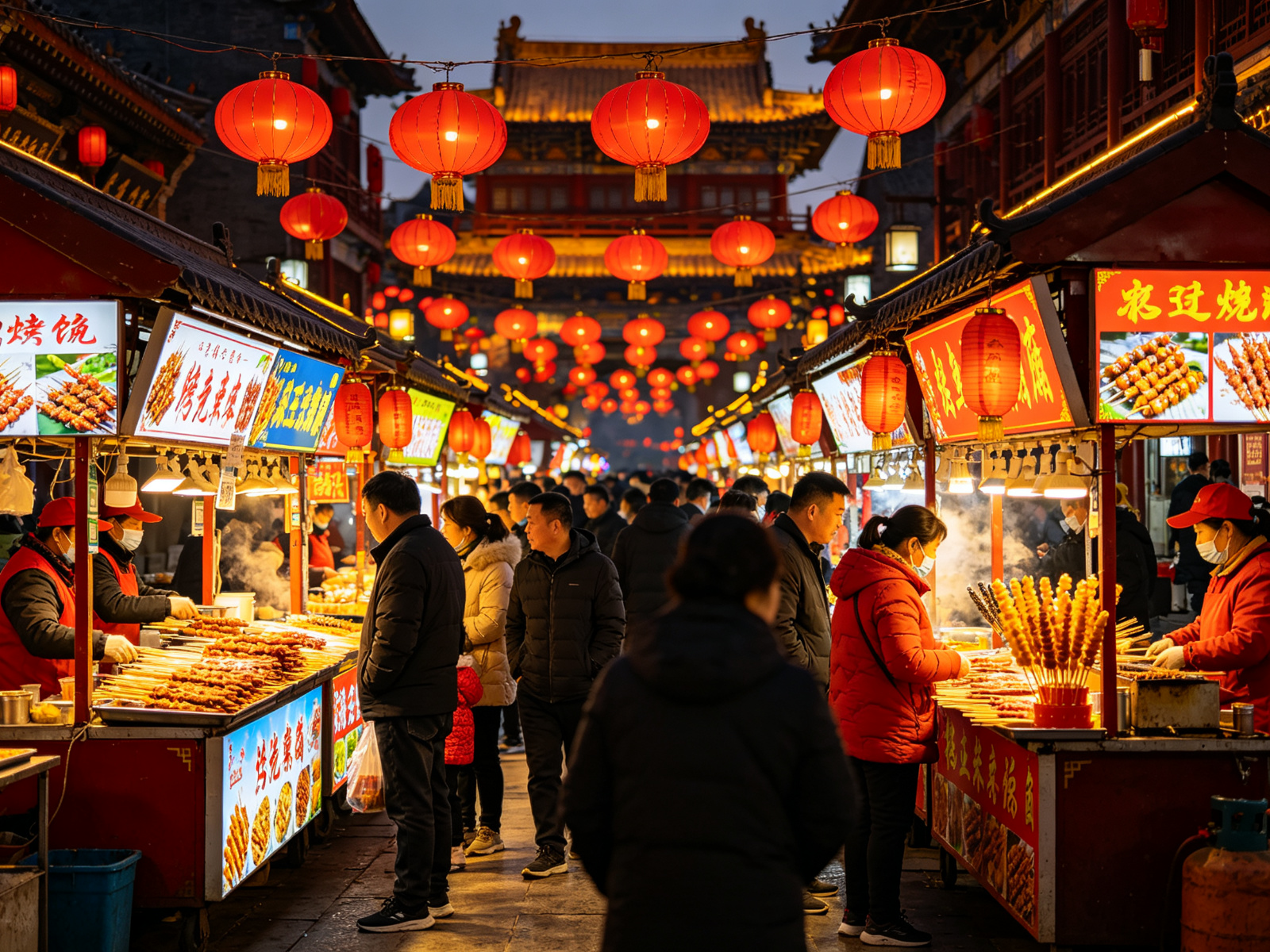
Kaifeng's night markets — Gulou for the showpiece, Xisi for locals — are the direct descendant of the Northern Song's all-night Tokyo streets. A full street-food dinner costs a fraction of a Shanghai night out; go hungry and share multiple small plates.
The city’s signature line — depth entry, not a checklist.
Enter Millennium City Park on the evening show ticket (which covers day entry too), watch the scroll-bridge set fill with costumed crowds through the afternoon, take your seat for the lakeside 'Da Song Dong Jing Menghua' show after dark, then close the night at Gulou or Xisi market with xiaolongbao, almond tea and chao liangfen. This line is how a first-timer understands Kaifeng in a single day: the rebuilt Song, the performed Song, and the eating Song.
Add to trip to compare and prepare; check partner links for slots and price when shown.
Experience listings are still growing — plan with routes & culture, or request planning help.
Beyond ticket notes — read the city’s character first.
Kaifeng was the Northern Song capital Dongjing (960–1127), with a population over one million when London was tens of thousands. Zhang Zeduan's scroll and Meng Yuanlao's 'Dongmen Meng Hua Lu' memoir describe this exact spot — read one of them before walking the park, not after.
Repeated Yellow River floods buried older Kaifeng street levels up to 10 m deep — Wei-era Daliang, Tang Bianzhou, and Northern Song Dongjing all sit stacked beneath today's road grid. The Kaifeng Museum's stratigraphy display explains what the ground underneath is doing.
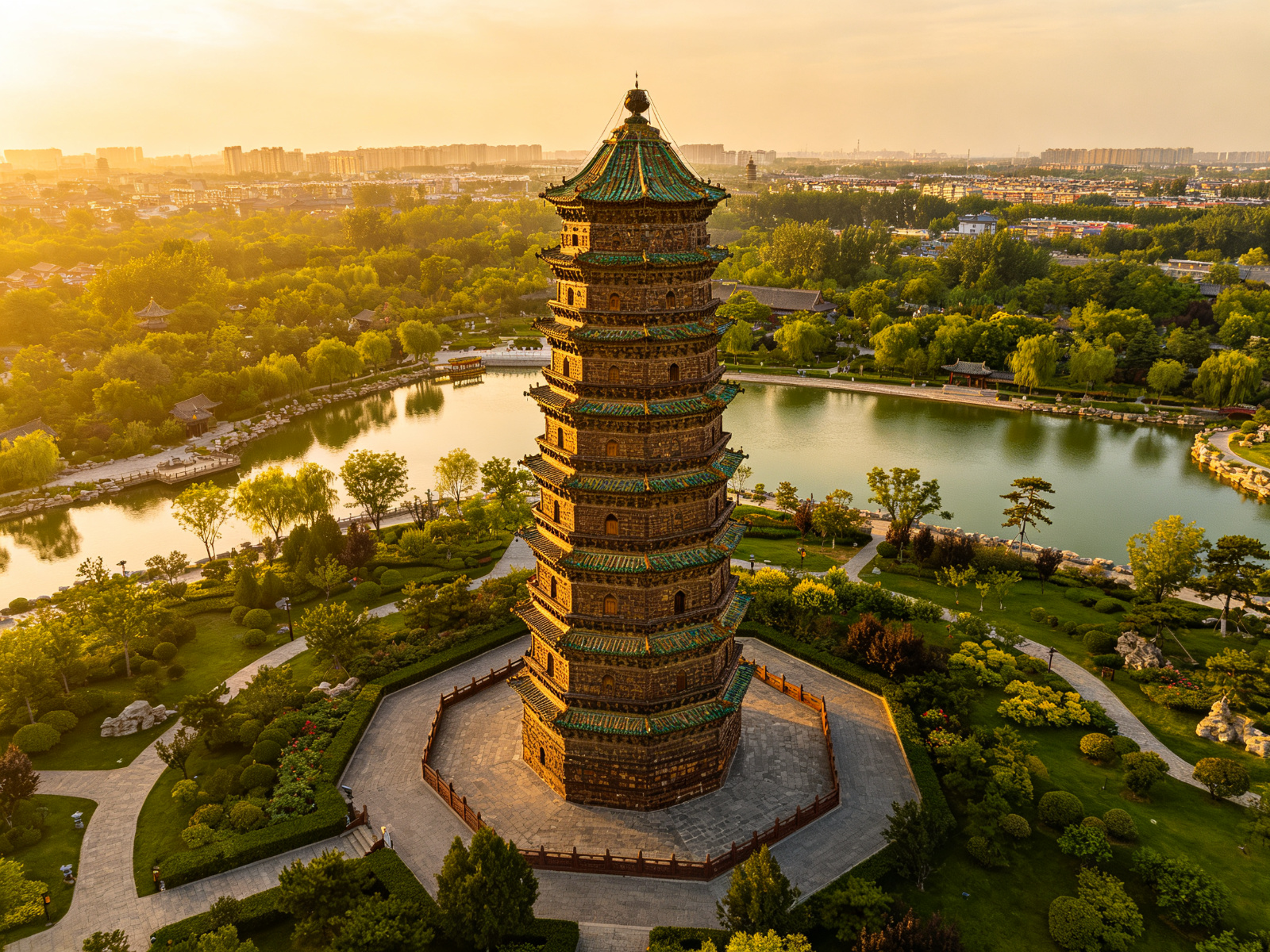
Built in 1049, the 55 m glazed-brick pagoda is iron-colored rather than iron. It survived Yellow River floods, earthquakes, and wartime shelling — look for the brick-face Buddhist carvings near the base before climbing the steep stairwell.
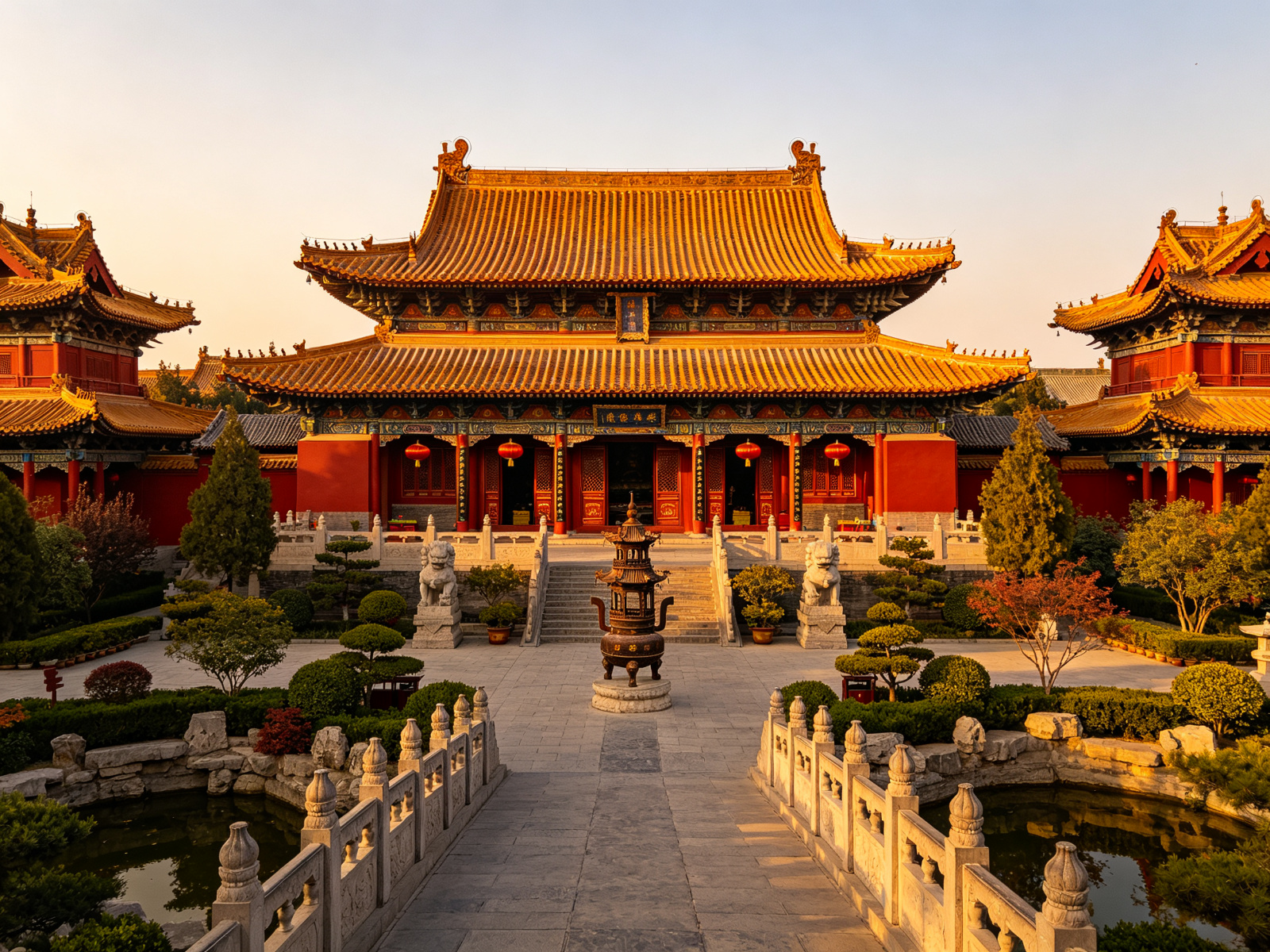
Founded in 555, it was the largest temple in the Northern Song capital and the setting where Water Margin has Lu Zhishen uproot a willow. The thousand-hand Guanyin is carved from one ginkgo trunk — that single woodwork is the reason to time your visit for daylight.
Meng Yuanlao recorded that Dongjing's night markets ran until the third watch; today's Gulou and Xisi stalls are the continuous urban descendant. Treat the stall arrangement as heritage street life, and judge quality by where local off-duty residents are eating, not by signage.
Tickets, duration, transport — ready for your trip cart.
PopularLarge theme park recreating the famous Song dynasty painting 'Along the River During Qingming Festival.' Costumed per…
 Popular
Famous Buddhist temple founded 555 AD, once the largest temple in the Northern Song capital. The 1,000-hand Guanyin s…
 Popular
55m pagoda built 1049 AD, covered in glazed iron-colored tiles. The oldest building in Kaifeng, survived earthquakes…
 Emerging
Kaifeng is China's night market capital. Gulou Square and Xisi night markets have 100+ stalls selling local snacks. V…
Executable skeletons: day-by-day anchors you can trim to fit.
1-day
For visitors basing in Kaifeng or day-tripping from Zhengzhou who want the essential old town on foot.
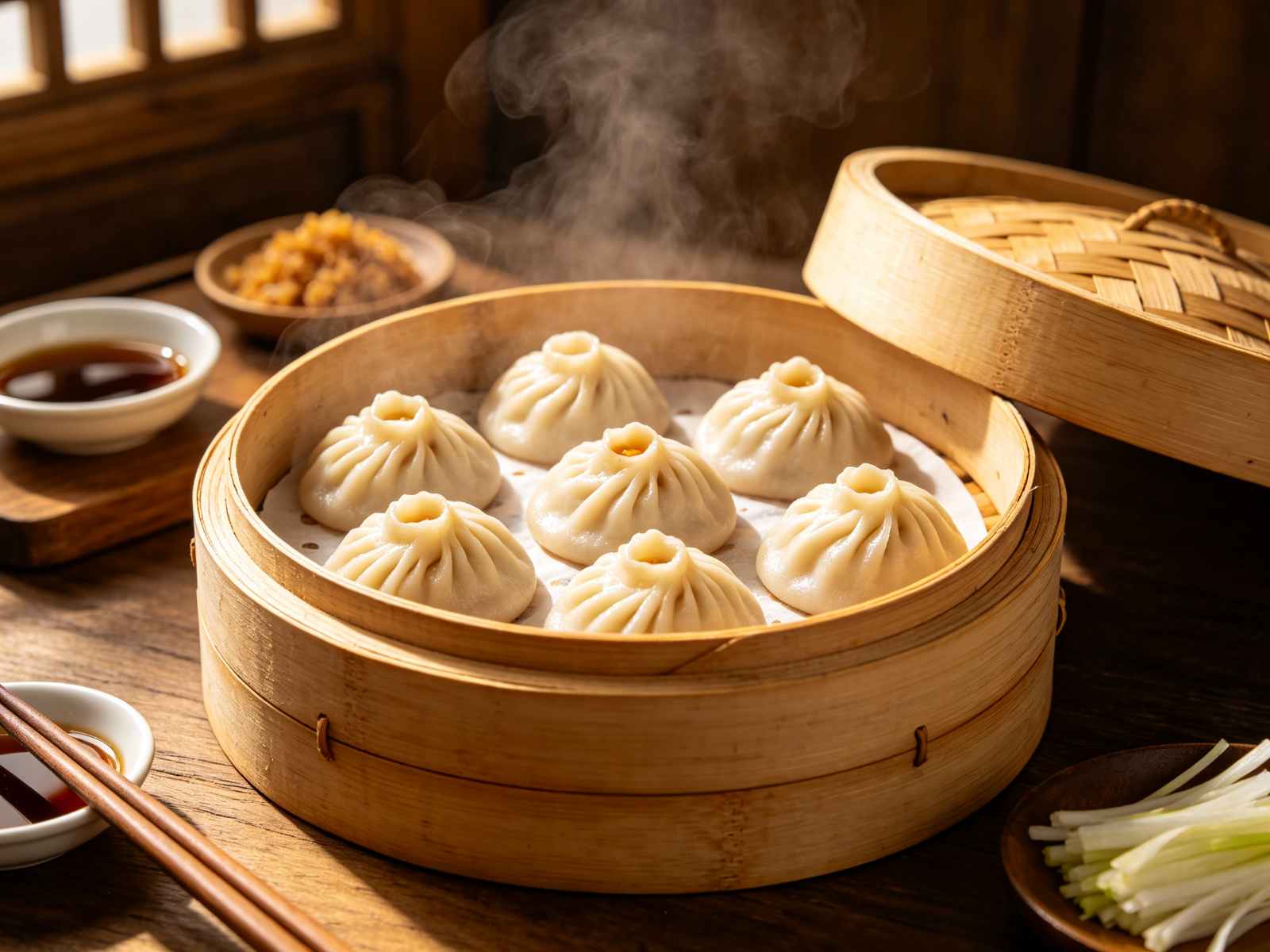
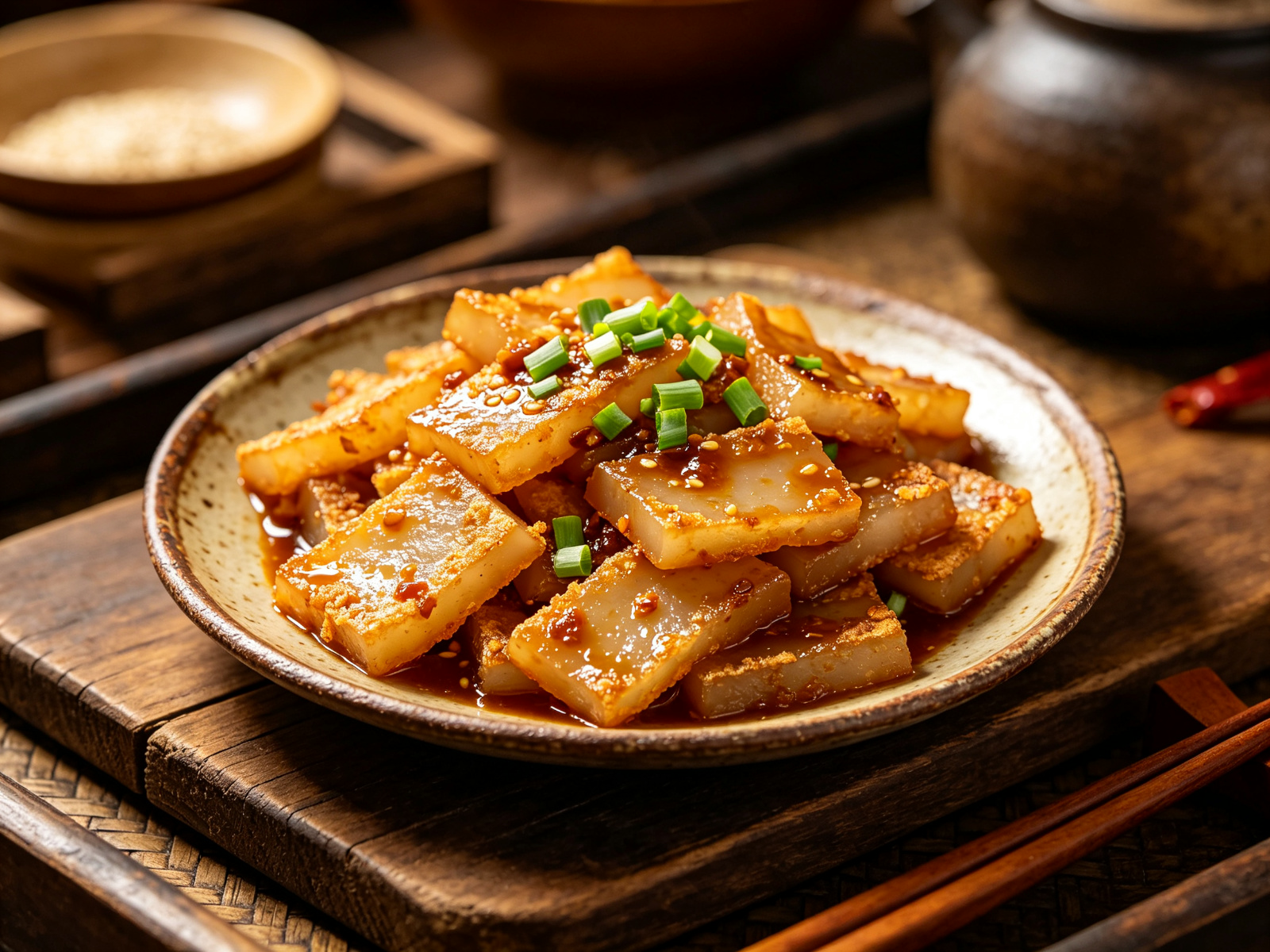
Kaifeng eating is old Henan street-hall food: soup dumplings born bigger and soupier than Shanghai's, copper-pot almond tea, pan-fried mung jelly, and five-spice braised chicken. Eat at the old dumpling halls and neighborhood stalls, not at the 'ancient capital snack street' set pieces aimed at tour groups. Buy gifts small and sealed — peanut cakes and dried sweet potato candies keep better than fried snacks, and woodblock New Year prints from Zhuxin are the one souvenir with real craft behind them.
 Emerging
Kaifeng-style soup dumplings, larger than Shanghai's, with more soup. The first xiaolongbao originated here. Dip in v…
 Emerging
Sweet hot drink made from almond powder, sesame, peanuts, and rose. A Kaifeng night market classic. Served in a coppe…
 Emerging
Stir-fried mung bean jelly with garlic, chili, and sesame paste. Crispy on the outside, soft inside. Night market sta…
Best time: April–May, September–November · Continental — cold winters, hot summers
Small city—walkable in center. Didi cheap. High-speed rail to Zhengzhou (30min), Luoyang (1h). No metro yet.
Chain halls and park ticket gates take Alipay/WeChat (foreign card usually works); small night-market stalls still prefer cash — carry ¥100–200 in small notes. Park tickets are bought via the official '清园商城' mini-program; keep passport/ID for real-name checks.
Millennium City Park is busiest on weekends and holiday afternoons, when the performance schedule doubles; visit weekday mornings if possible. Night markets peak 19:30–22:00 — arrive before 18:30 for the first stalls and seating. The Iron Pagoda and Daxiangguo Temple are quietest in the first hour after opening.
Daxiangguo is an active Buddhist temple: dress covers shoulders and knees, no flash, ask before photographing monks. At night-market stalls, don't block the cooking counter while queuing; payment is by the stall, not by a shared bill.
The old town is flat and walkable; taxis/Didi are cheap. Night markets are crowded with children running around — hold bags in front. The Iron Pagoda stairwell is steep, narrow, and one-way; skip the climb if you have mobility concerns. Yellow River embankment sites are best visited in daytime.
Kaifeng has no metro yet. The old-town core (Daxiangguo, Iron Pagoda, Gulou, night markets) is walkable; Millennium City Park is a short bus or Didi ride north. Intercity EMUs link Zhengzhou East to Songchenglu Station (~20–30 min) and to Kaifeng North HSR Station — schedules per 12306.
Hotels and restaurants have solid Wi-Fi; buy a local SIM/eSIM if you need constant data. The park's mini-program ticket purchase works best inside mainland WeChat — set up WeChat and linked payment before arrival.
Small city—walkable in center.
Didi cheap.
Metro, stalls, and rides mostly take Alipay or WeChat. Set up Alipay with a foreign card before you land.
Show the Chinese name “开封” to drivers and staff. It beats a long English explanation.
Book tickets, transfers, and popular tours via partners first — then request deeper local experiences through ChinaPie.
Disclosure: Some links are affiliate links. ChinaPie may earn a commission on eligible bookings at no extra cost to you.
Prices shown are planning references only. Actual rates fluctuate with season, holidays, demand, and partner promotions — the price at checkout on the booking site is authoritative.
Conversion stays soft — clear next steps: plan this city, or request planning help.
Yes for typical tourist areas. Keep phones and bags secure on metro and in crowded night spots; use licensed taxis or Didi.
Depends on your passport. Check ChinaPie Plan & Prep → Visa for 30-day visa-free and 240-hour transit options before booking.
Yes—foreigners can set up Alipay with passport + international card. See /prep/alipay-setup for the step-by-step guide.
China offers unilateral visa-free entry to 40+ countries including France, Germany, UK, Japan, South Korea, Singapore, Malaysia, Thailand, Italy, Spain, Netherlands, Switzerland, Sweden, Norway, Denmark, Finland, Belgium, Austria, Ireland, Portugal, Greece, and more. Stay: up to 30 days. IMPORTANT: US passport holders are NOT on the unilateral visa-free list and need a visa. Check latest list at China Immigration official site before travel.
Yes. US passport holders need a visa to enter mainland China. The 10-year multiple-entry tourist visa (L visa) is common: $185 fee, processing 3-5 business days. You can also use the 240-hour transit visa-free if transiting to a third country. Apply at Chinese embassy/consulate or via authorized visa agencies. Many travel blogs incorrectly say US is visa-free — this is false.
Major hotels, international restaurants, and large malls accept Visa/Mastercard. But most small shops, street food, taxis, and local experiences only accept Alipay or WeChat Pay. Link your foreign card to Alipay (Tour Card) for daily use. Carry some cash (¥500-1000) as backup.
China is consistently ranked among the safest countries for tourists. Violent crime against foreigners is extremely rare. Common issues: pickpocketing in crowded areas (train stations, metro), taxi scams at airports, and fake goods at markets. Normal precautions apply: keep valuables secure, use licensed taxis/Didi, don't accept unsolicited tours. Women traveling solo generally feel very safe even at night.
Citizens of 54 countries can transit through China visa-free for up to 240 hours (10 days) if they have a valid visa for a third country and a connecting flight ticket. You must enter and exit through designated ports (Shanghai, Beijing, Guangzhou, Chengdu, Chongqing, etc.). You can travel within the province/municipality of entry. Perfect for combining a China experience with a trip to Japan, Korea, or Southeast Asia.
Most first-timers do well with 1–3 days. Start with the 1-day core: old-town Song sites + night market, then expand to 2–3 days if you want slower food and culture. Use Plan this city to turn stops into a workable week.
Foreign cards work more often via Alipay / WeChat Pay tourist modes and some metro apps, but coverage still varies by merchant. Keep a small cash float and set payment apps up before peak sightseeing. See the practical section on this hub for city-specific notes.