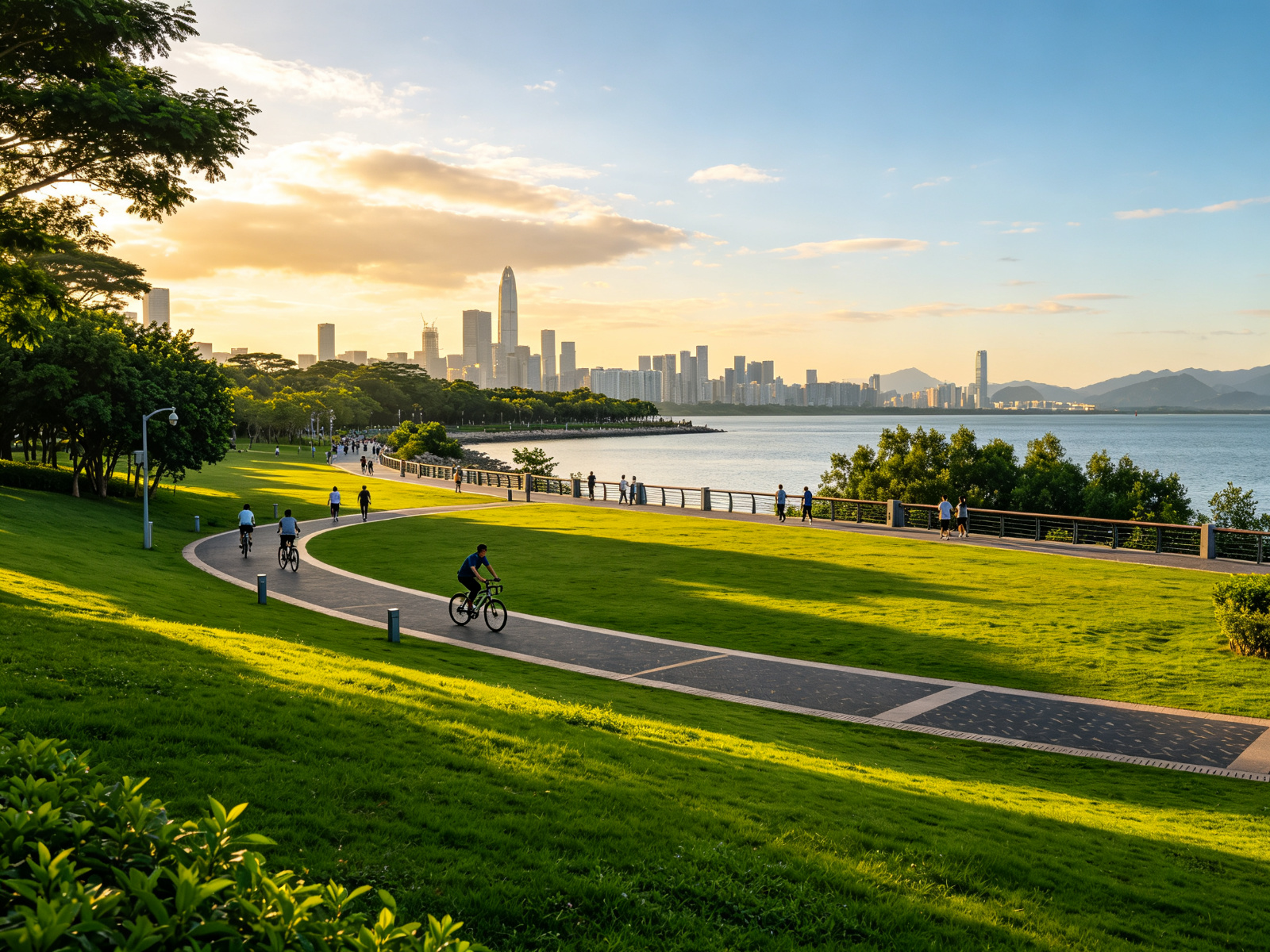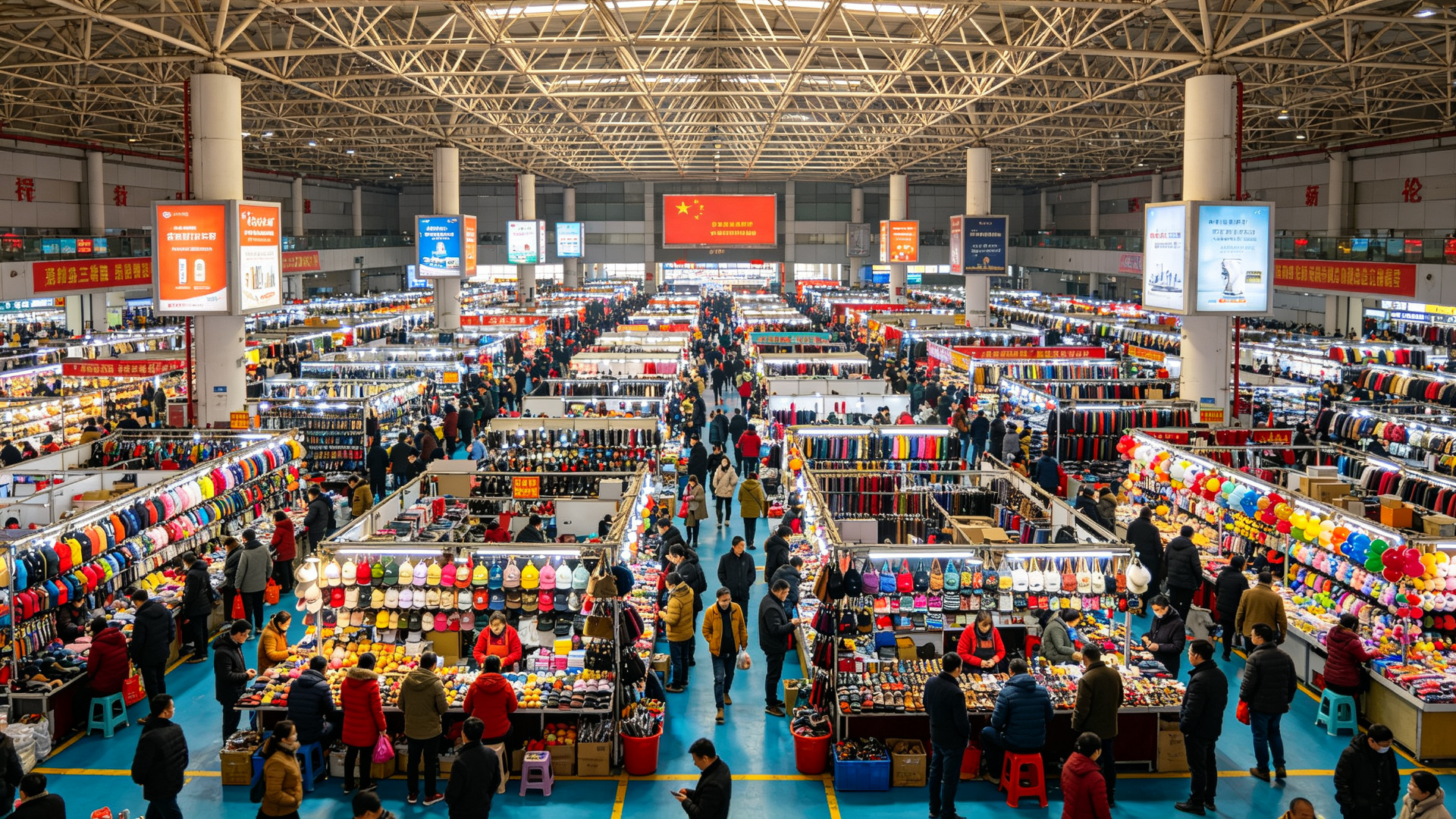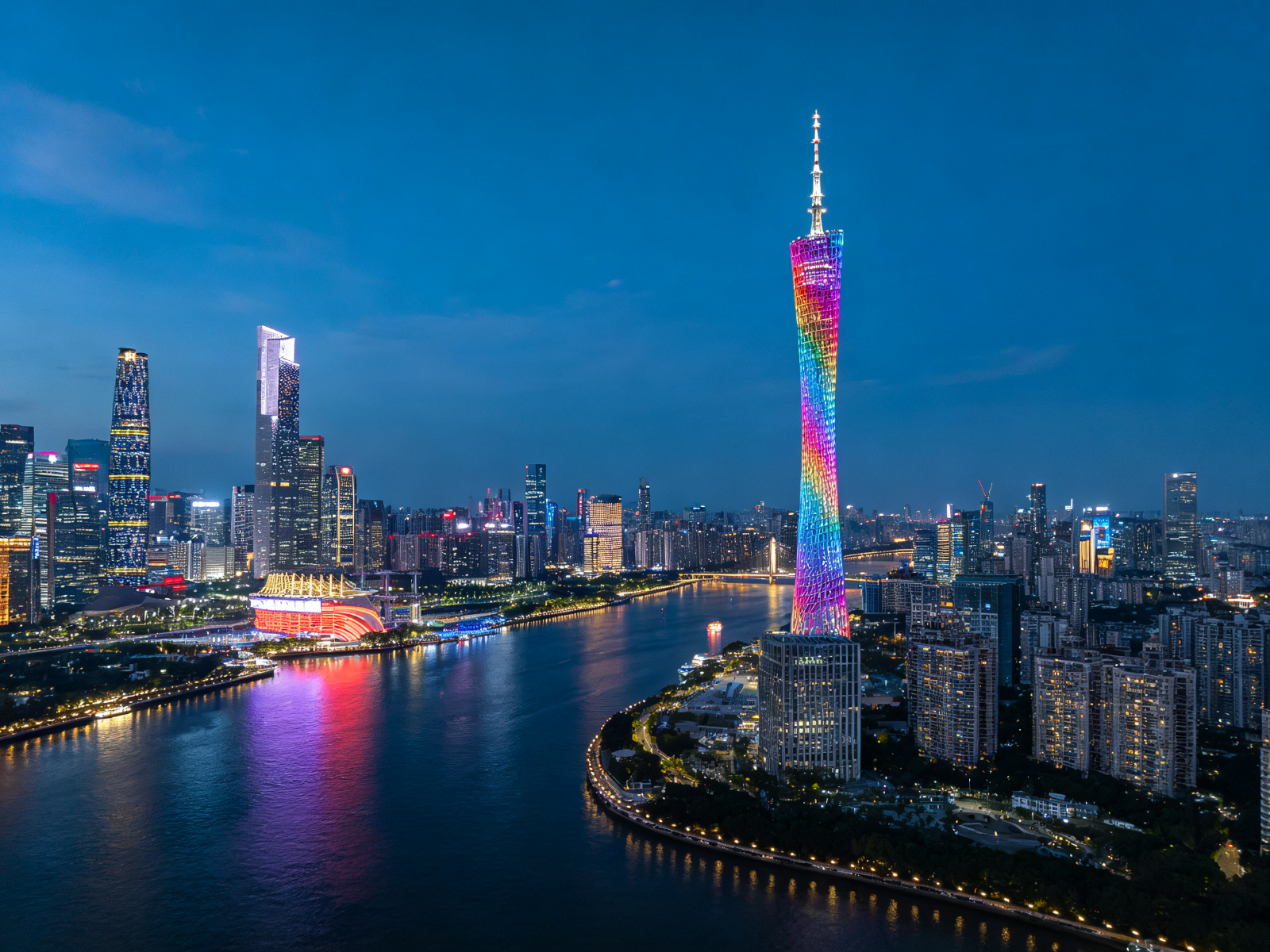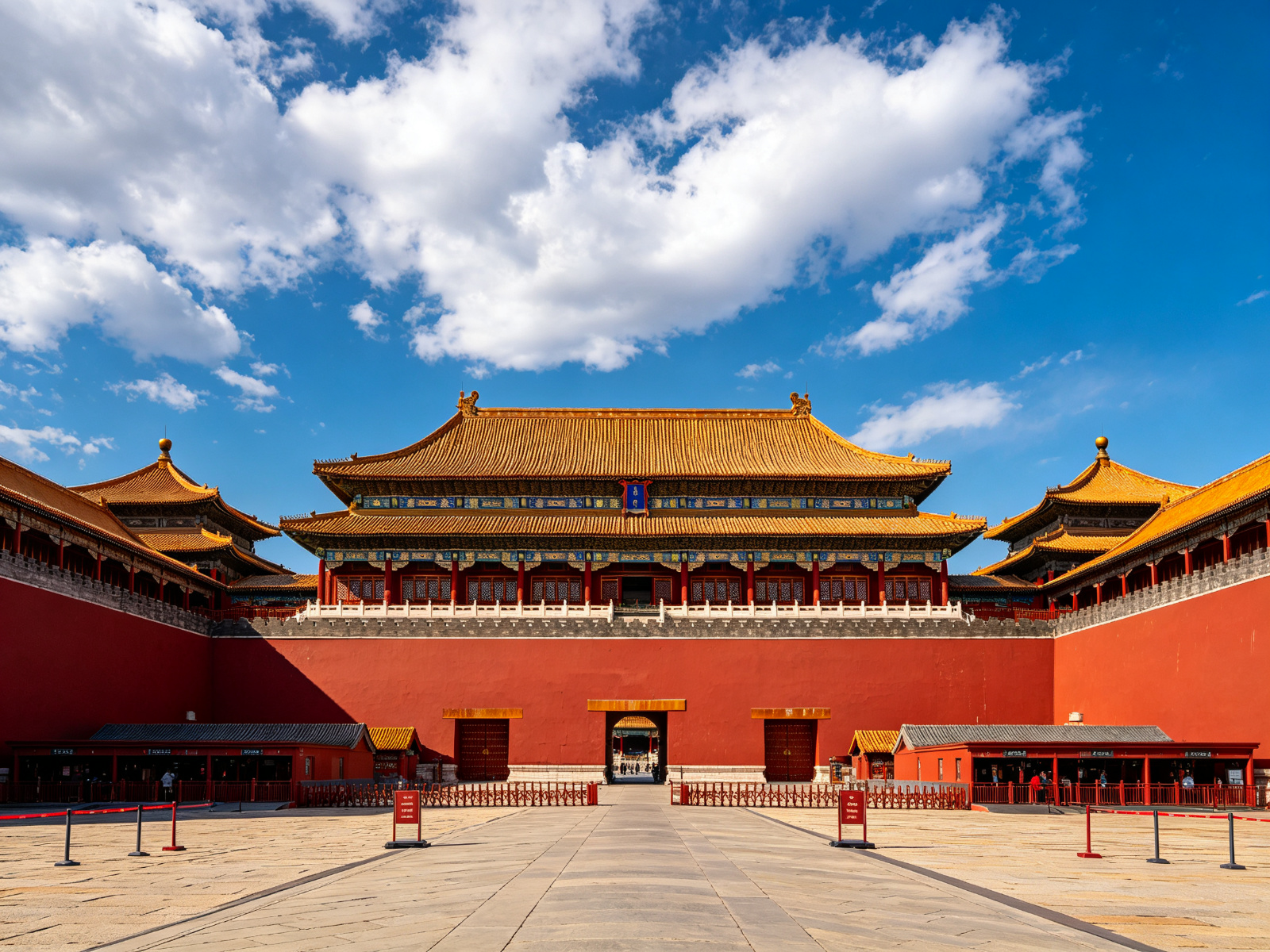
Shanghai Visual Travel Guide
Illustrated city overview — not a scale map. Use Routes below for day-by-day stops you can open in Planner.
Shanghai · 上海
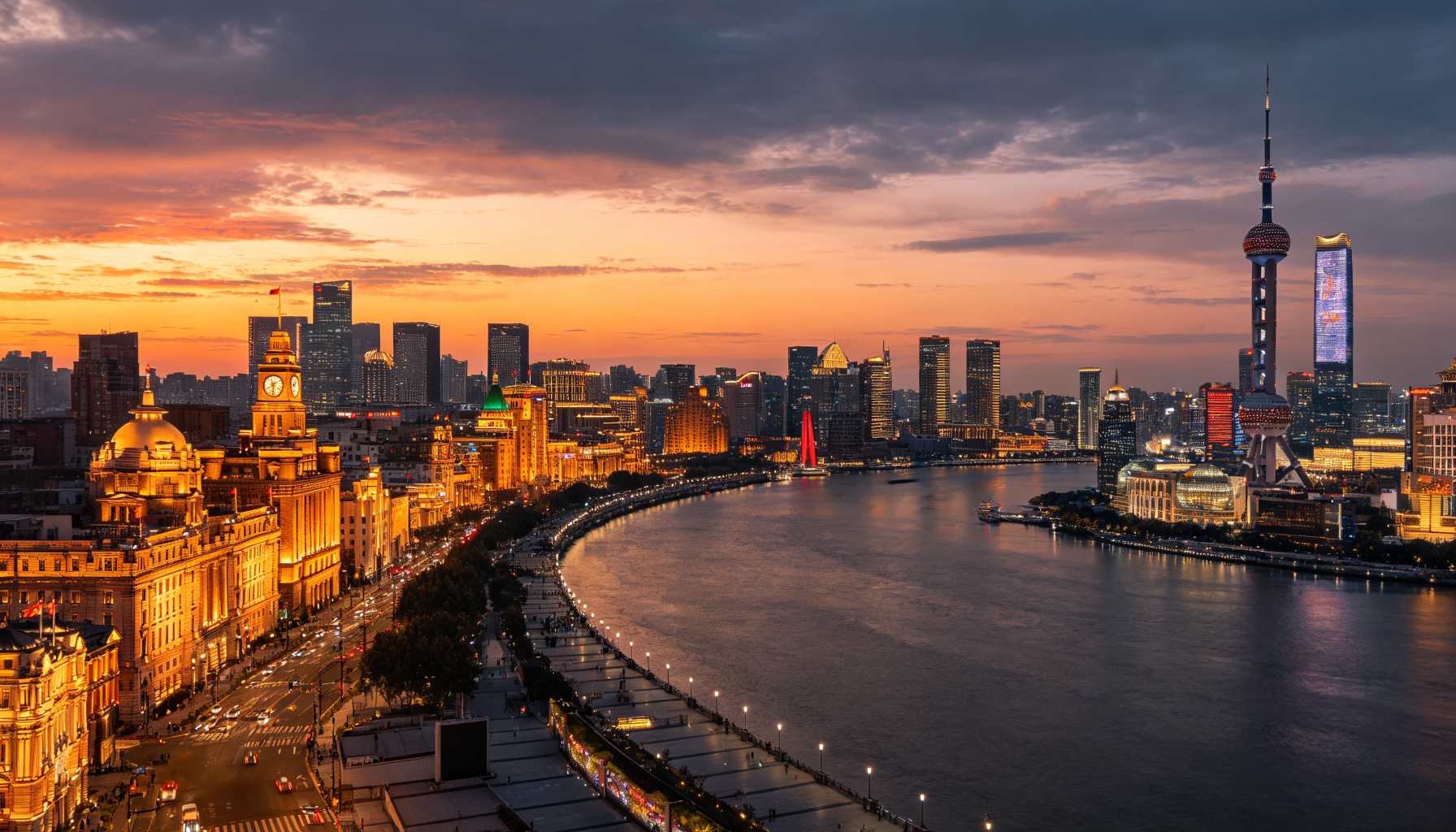
One river, two centuries: the treaty-port heritage of the Bund and French Concession stands across the water from Pudong's working finance-and-tech skyline—read China's modernization by walking both banks in a day.
City-level visual guides and reviewed photos — infographics are illustrated overviews, not scale maps.
Illustrated city overview — not a scale map. Use Routes below for day-by-day stops you can open in Planner.
The Bund's 1920s banking facades and Pudong's 1990s–2020s towers face each other across a few hundred meters of river—stand on the Bund at dusk, then cross to Lujiazui and read two eras of Chinese finance in one evening.
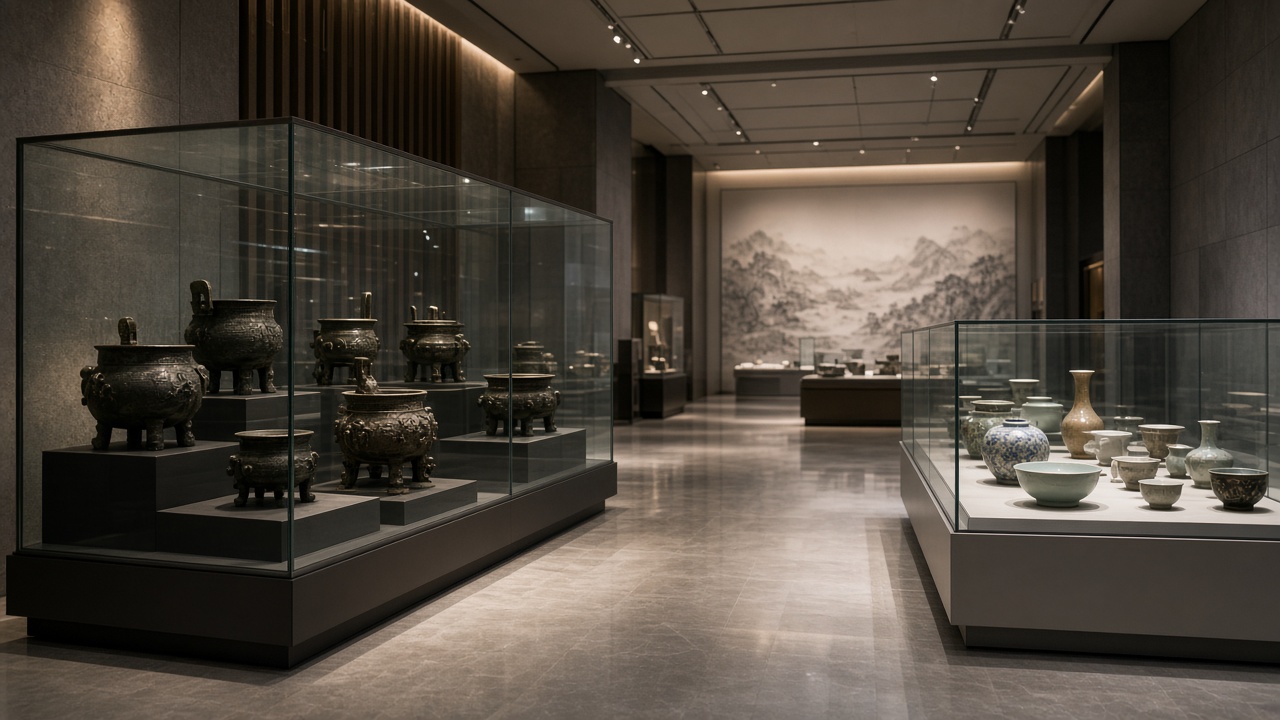
The Shanghai Museum's main venue has moved to its new East Museum in Pudong—free permanent displays, walk-in entry, closed Tuesdays. Plan your museum morning around the East, not the old People's Square pavilion.
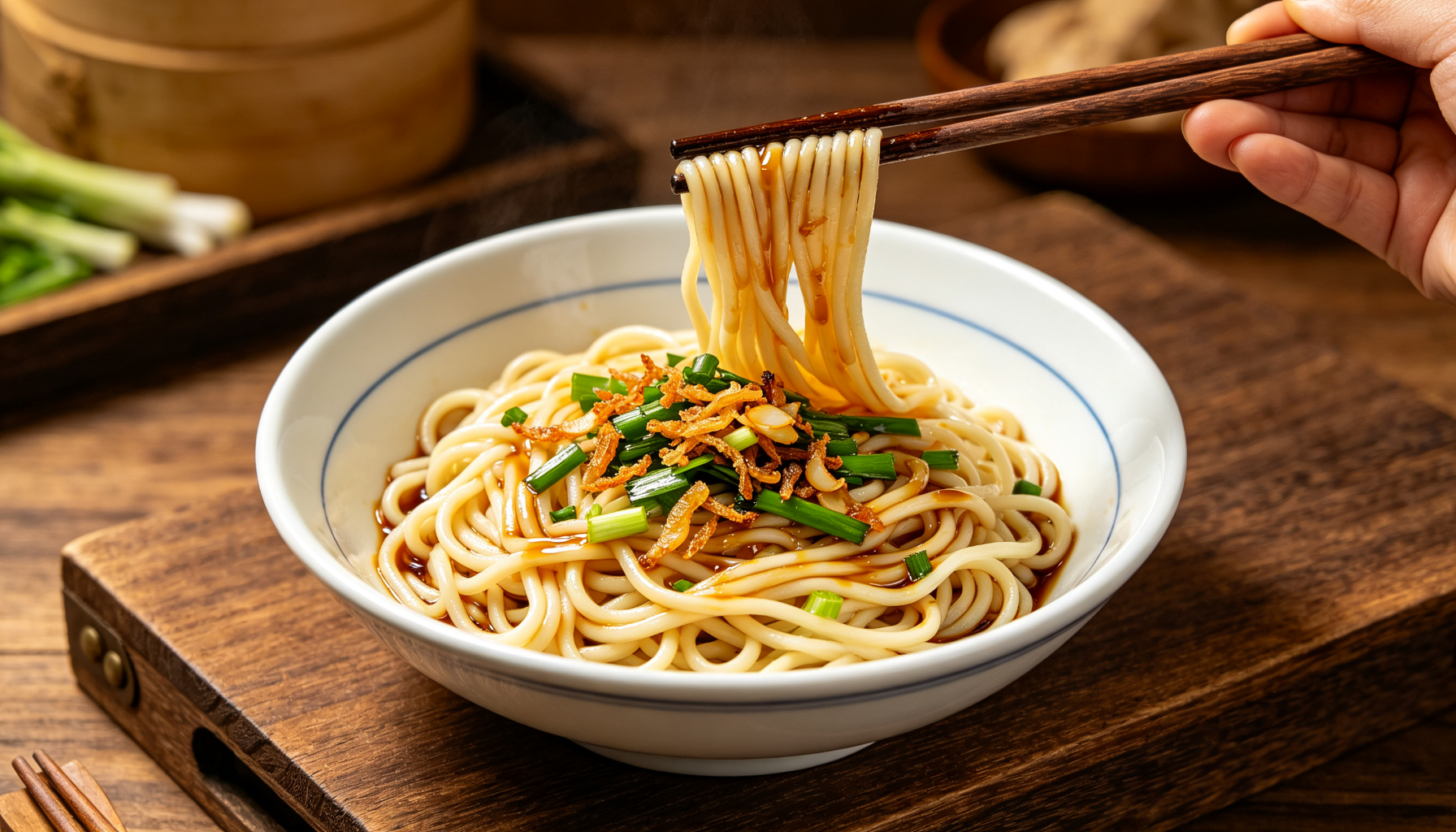
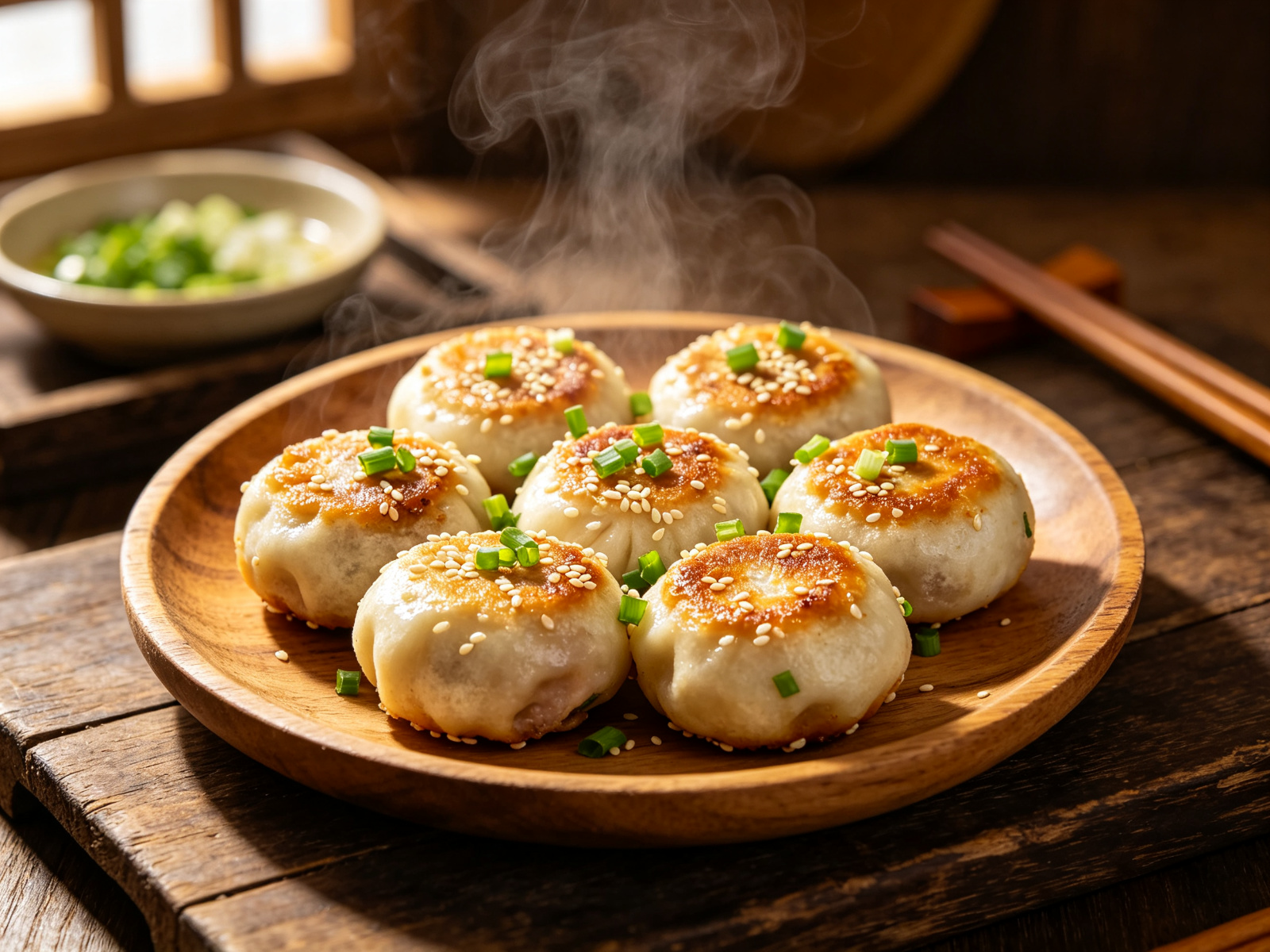
Scallion-oil noodles, shengjianbao and hairy-crab seasons run on local canteen logic—eat where office workers queue at lunch, and order by pointing at the kitchen.
The city’s signature line — depth entry, not a checklist.
Start on the Bund before sunset: read the plaques on the colonial-era buildings (banks, customs house, clubs). Cross by ferry or tunnel to Lujiazui and stand under the three towers—Jin Mao, SWFC, Shanghai Tower—to see how Pudong was built from farmland after 1990. End at night when both banks are lit. Pair with a verified Bund-nightlife experience if you want an English-friendly evening guide.
Add to trip to compare and prepare; check partner links for slots and price when shown.
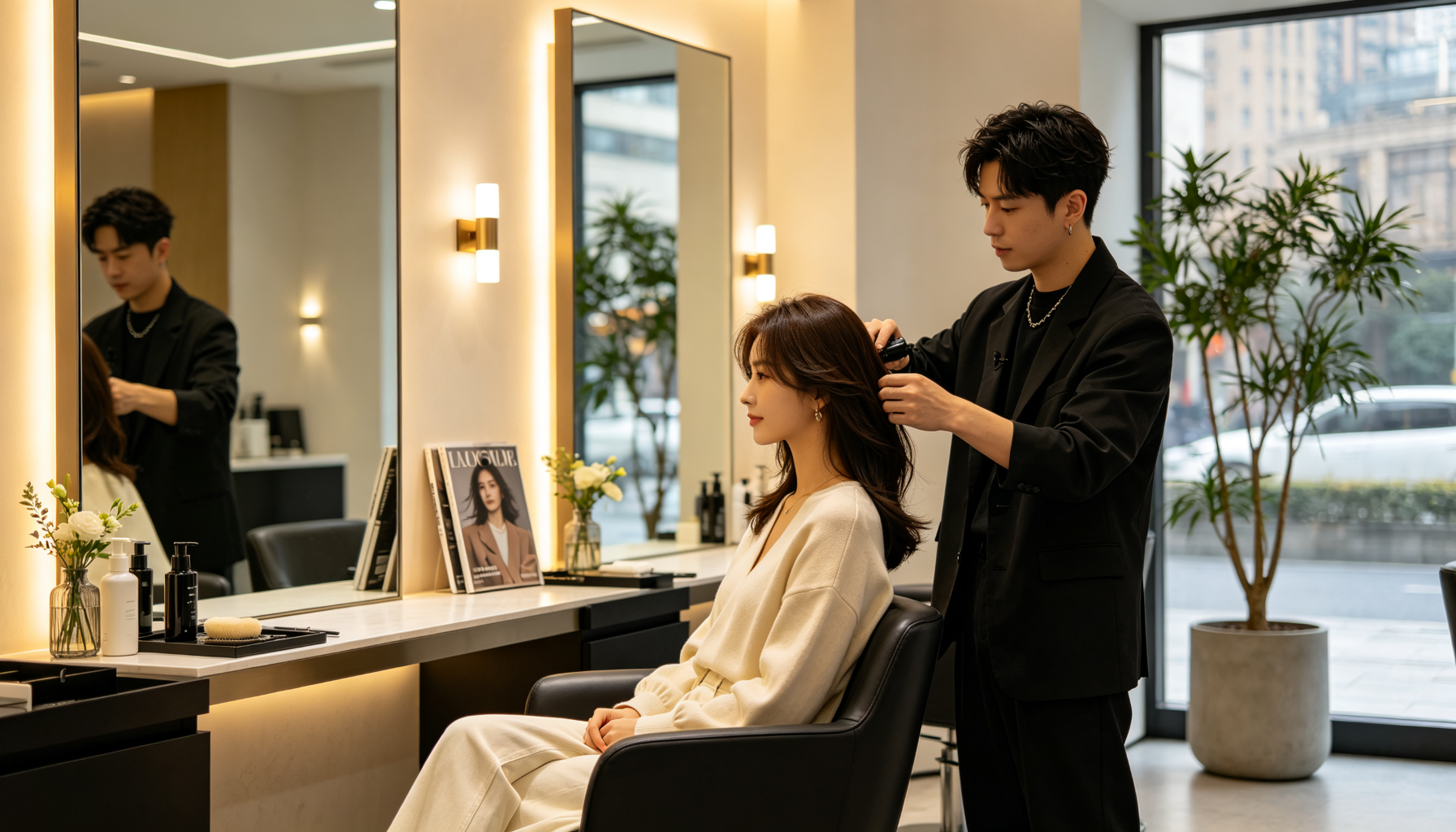
The China haircut people post. Which shops, and how you pay, before you walk in.
 Popular
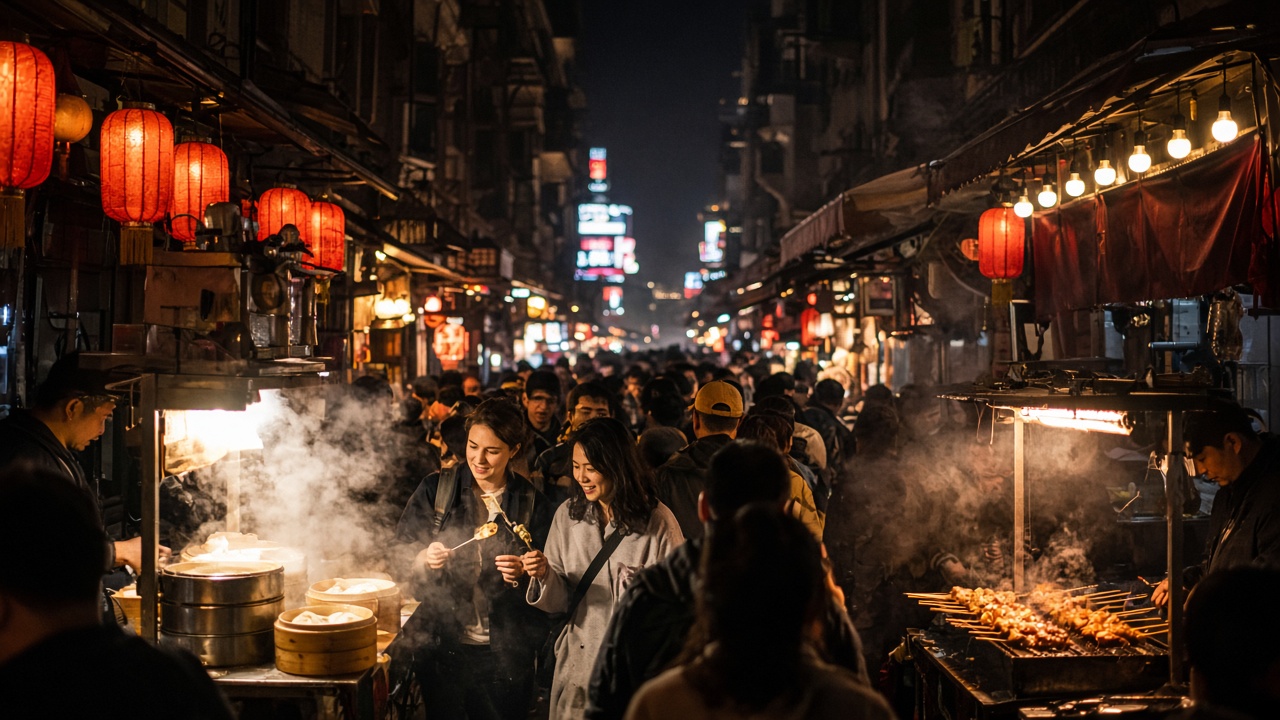
Street food after dark. Which stalls to stop at, and what a skewer costs.
 Popular
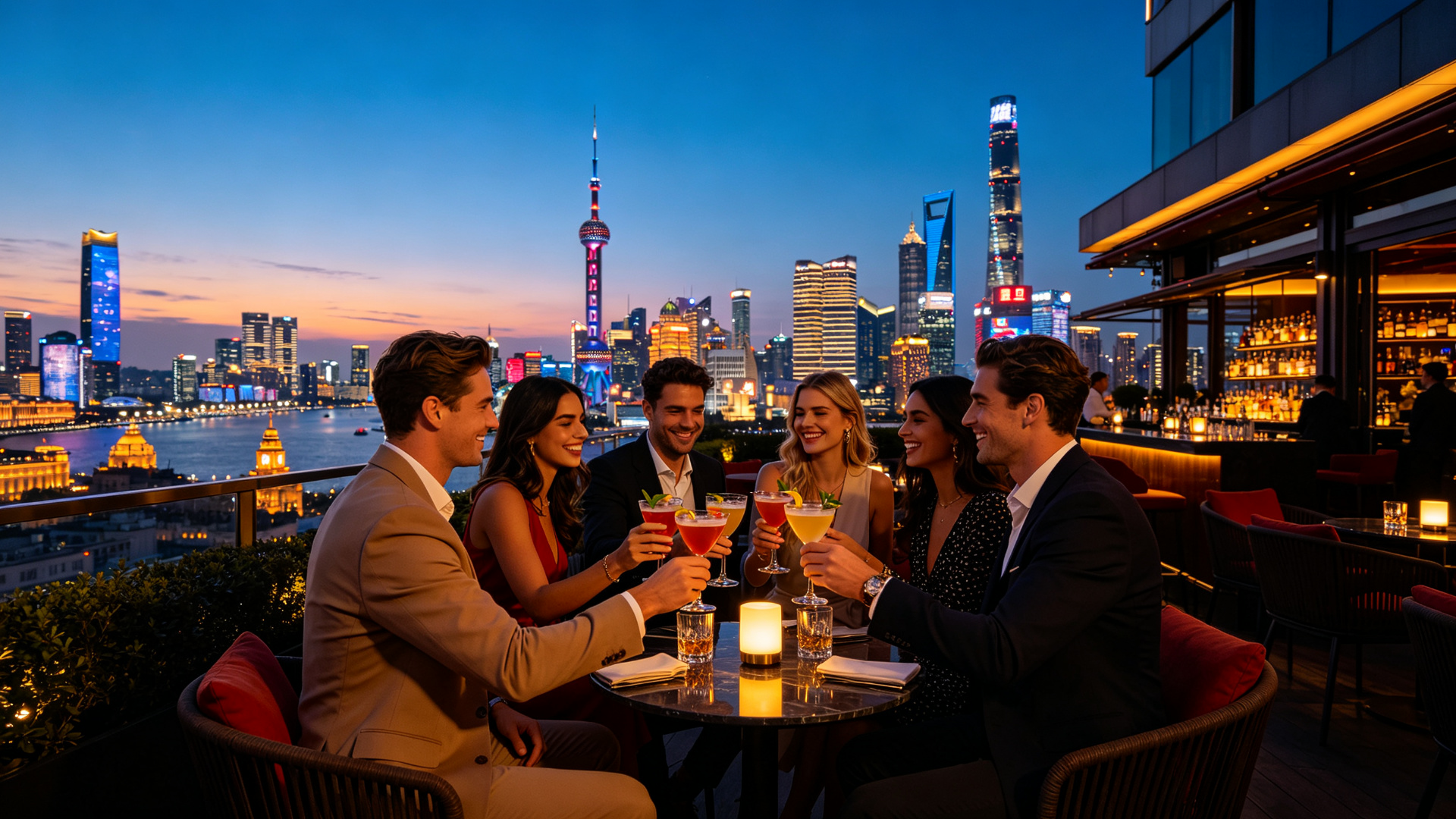
Skyline-view bars, dress codes, and how to avoid tourist traps.
 Popular
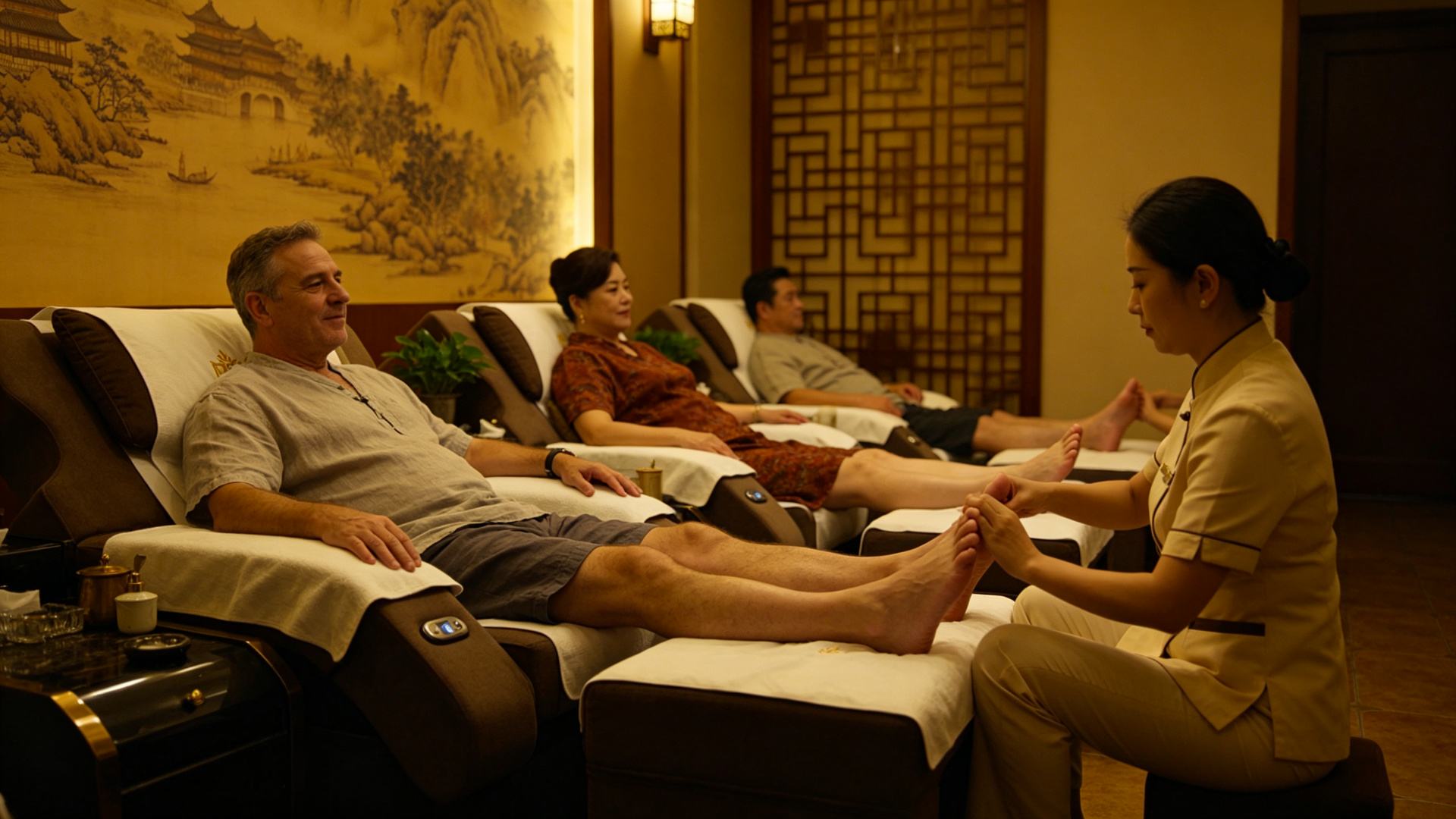
What to expect, typical pricing, and how to request pressure level.
 Emerging
English-speaking hospitals, full-body checkup packages, and high-quality dental at a fraction of US cost.
 Emerging
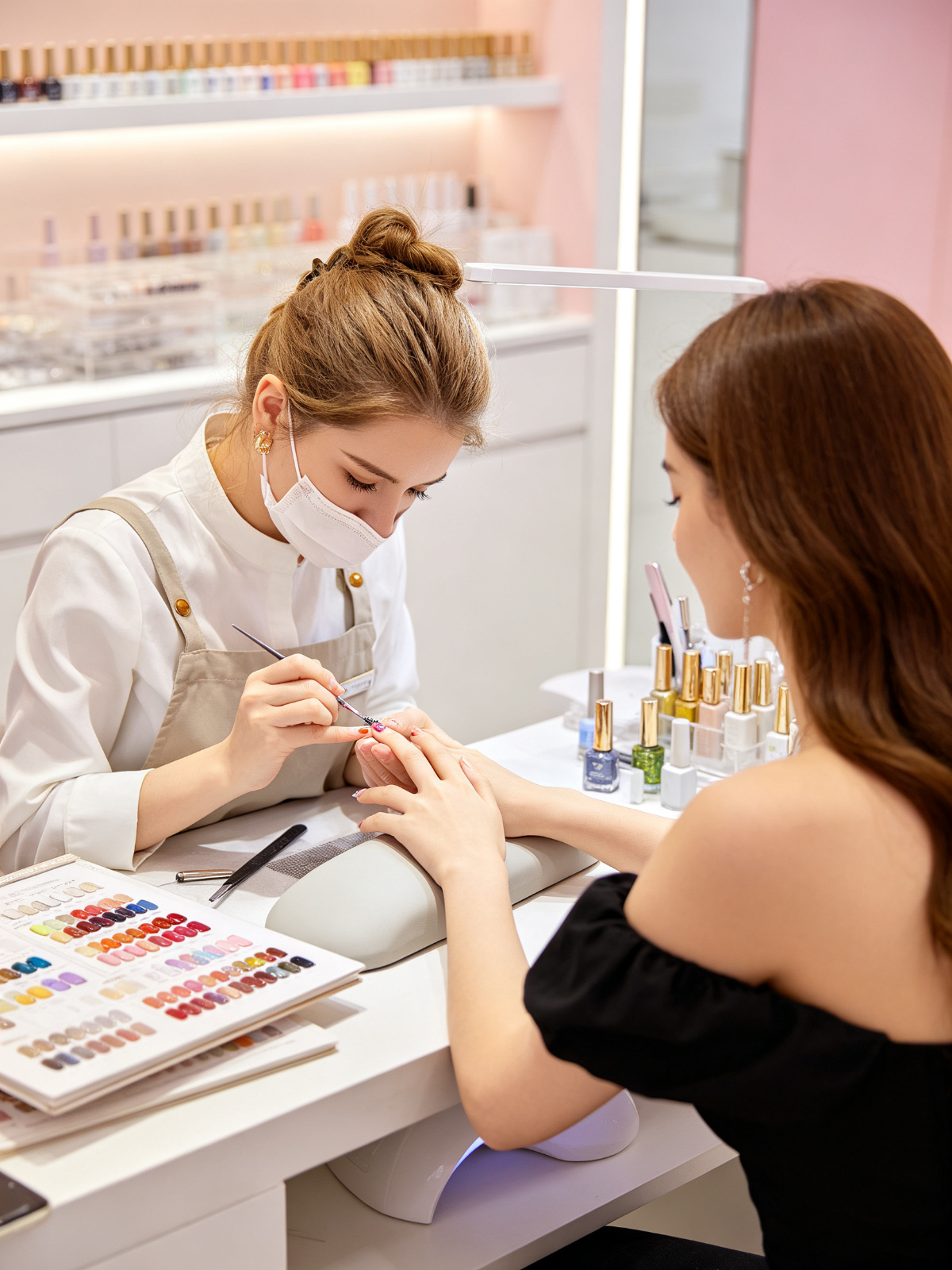
Salon nails and lashes for much less than home. Design book first, then the chair.

Trending culture experience in Shanghai.
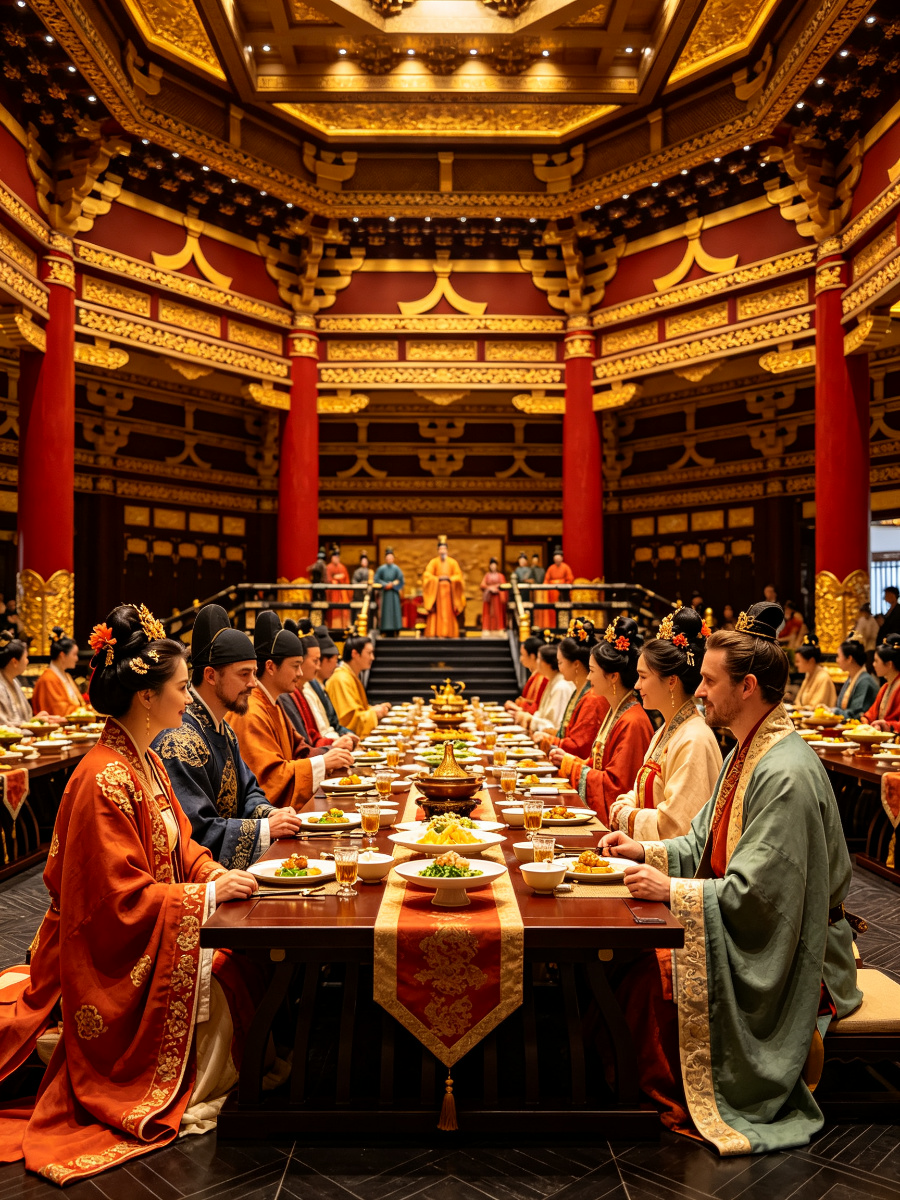
Trending food experience in Shanghai.
Beyond ticket notes — read the city’s character first.
The 38-odd historic facades were banks, customs houses and clubs of the 1920s–30s. Read the plaques as you walk—each building name tells who traded here.
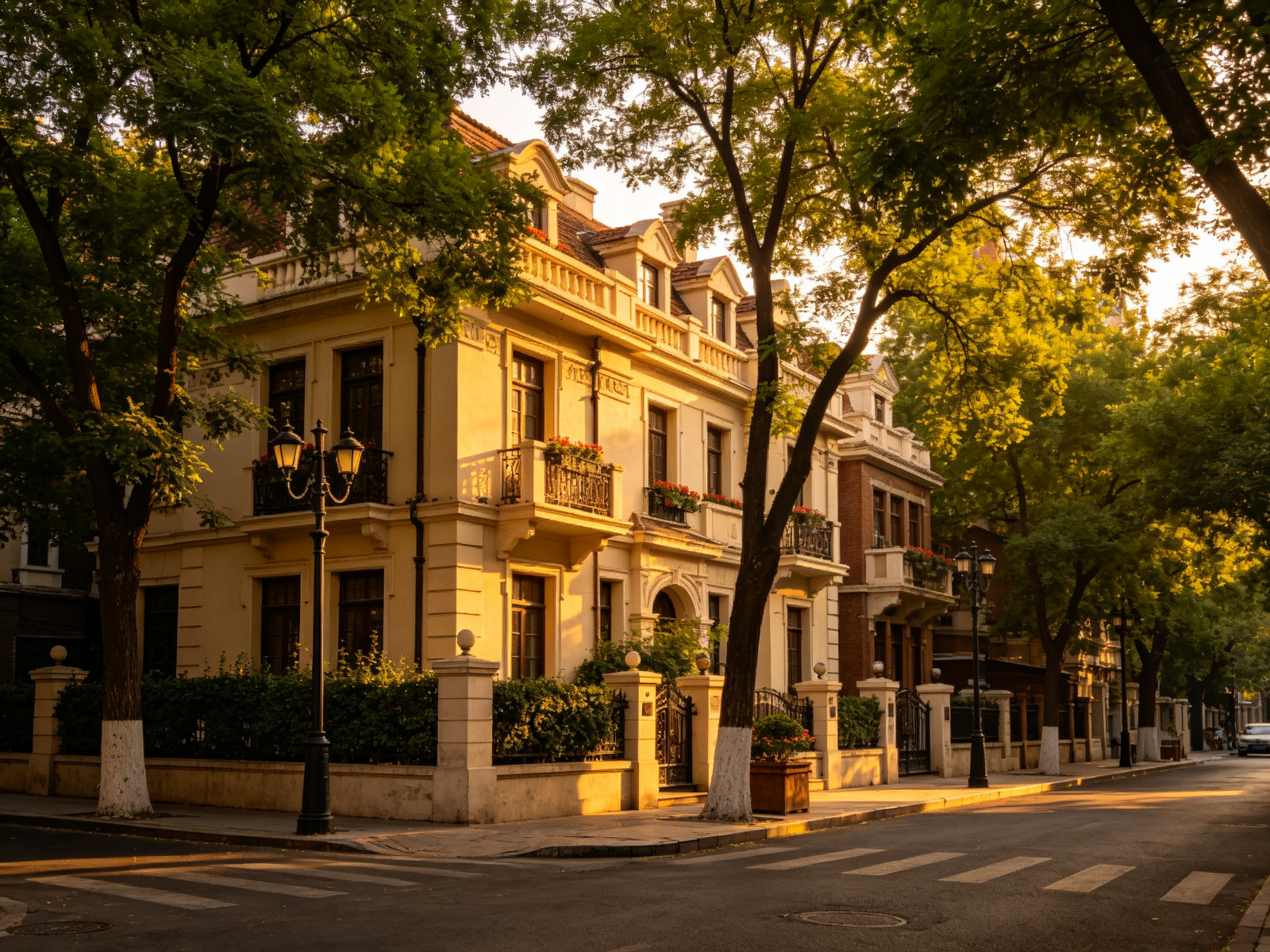
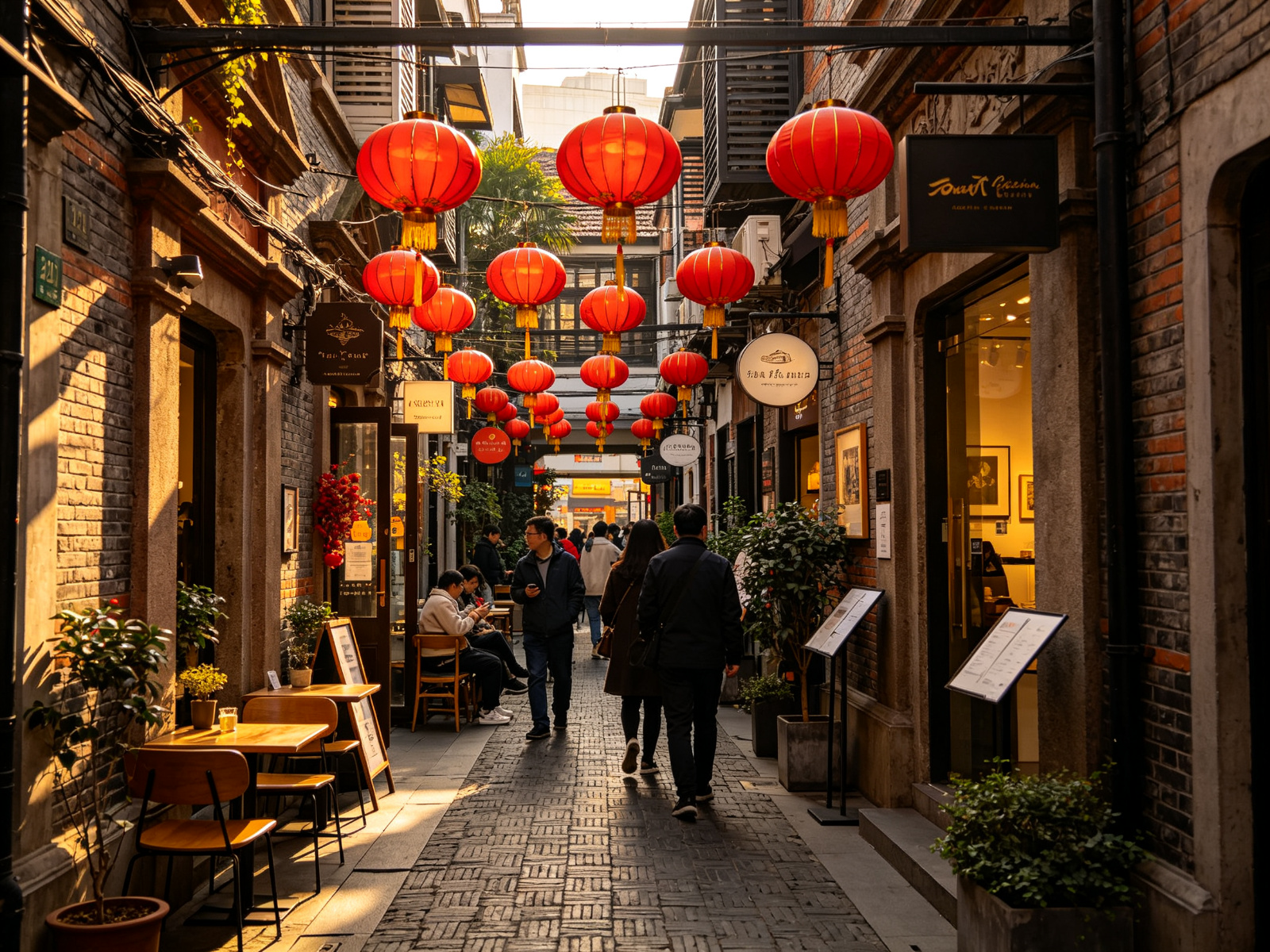
Lane houses fused the Chinese courtyard with the European terrace. Walk real lanes in the former French Concession; Xintiandi is the polished, commercial version—use it to learn the type, not the authentic texture.
Benbang cooking absorbed Ningbo, Suzhou and international influences over a century of migration—openness is the recipe. That is why street food here tastes like trade, not folklore.
Lujiazui's towers rose from farmland after 1990. Read the skyline as 30 years of urban-industrial policy—stand at river level and watch the scale, not just the photo.
A Ming garden beside a City God Temple has functioned as a civic shopping and snack district for centuries. Today's bazaar is the same pattern—ancient commerce, modern queues.
Tickets, duration, transport — ready for your trip cart.
PopularIconic riverfront walk with colonial-era buildings on one side and Pudong skyscrapers on the other. Best at dusk when…
 Popular
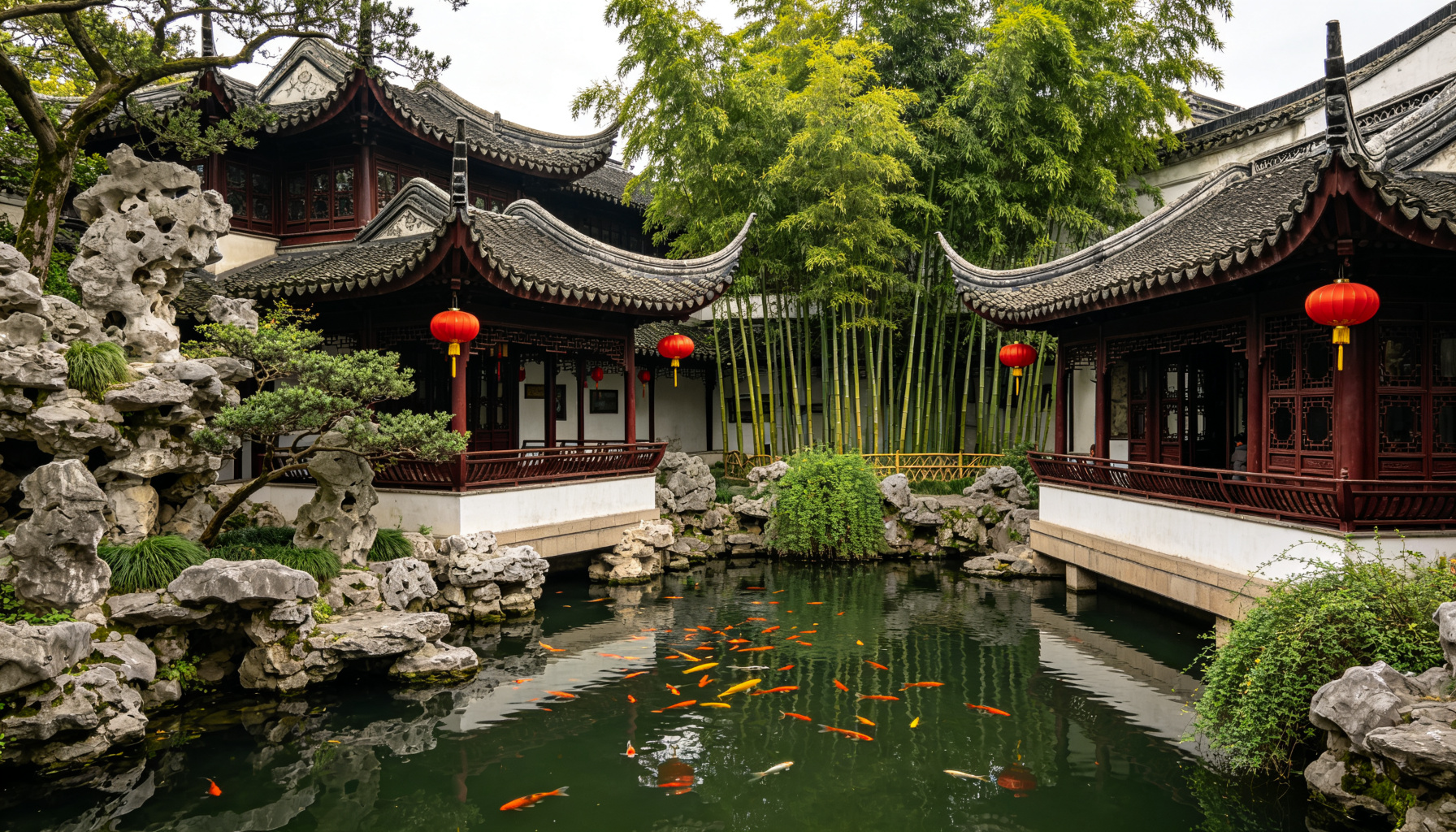
Classical Ming-era garden surrounded by a bustling snack bazaar. Gold jewelry, tea houses, and street food in every d…
 Popular
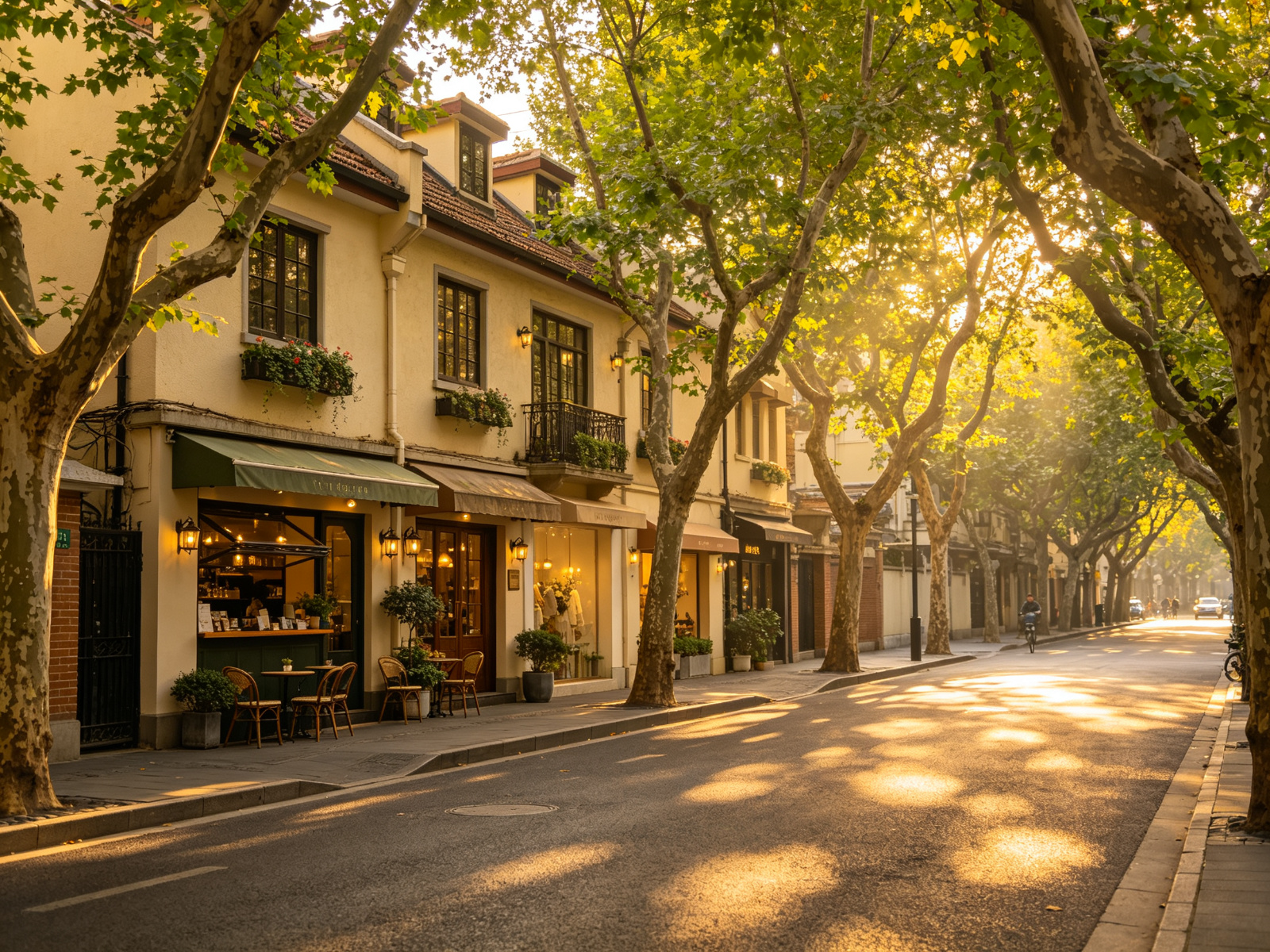
Plane-tree-lined streets with cafes, boutique shops, and historic villas. The most photogenic neighborhood for walkin…
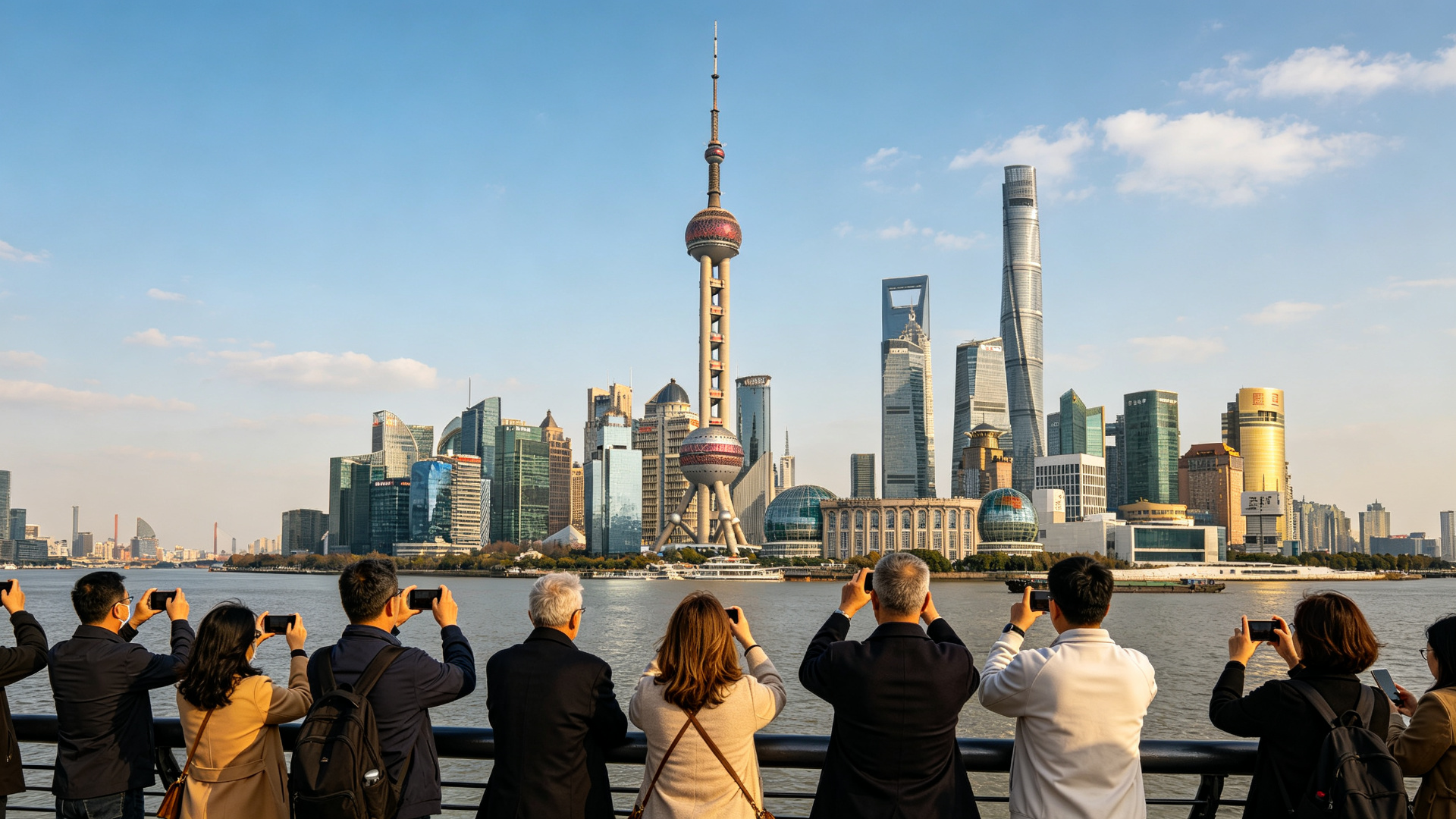
Shanghai's most recognizable landmark. Glass-floor observation deck at 259m offers vertigo-inducing views of the Bund.
 Popular
World-class Chinese art — bronze, ceramics, calligraphy, jade. Main venue is now the East Museum in Pudong; permanent…
 Popular
Narrow alleyways converted into art studios, boutique shops, and cozy cafes. Authentic shikumen (stone-gate) architec…
Executable skeletons: day-by-day anchors you can trim to fit.
1-day
For first-timers landing today; a compact Line-10/14/2 loop with no backtracking.
Eat like a canteen, not a content video: queue where office workers queue at noon, point at the kitchen for noodles and dumplings, and buy only snacks that survive your suitcase—sealed candy, tea, dry goods. Skip the 'must-buy haul' lists; most Yu-Bazaar goods are priced for tourists.
 Popular
Simple but addictive: spring noodles tossed in fragrant scallion oil and soy sauce. Cheap local lunch classic.
 Popular
Pan-fried pork buns with crispy bottoms and juicy interiors. A Shanghai breakfast staple.
 Popular
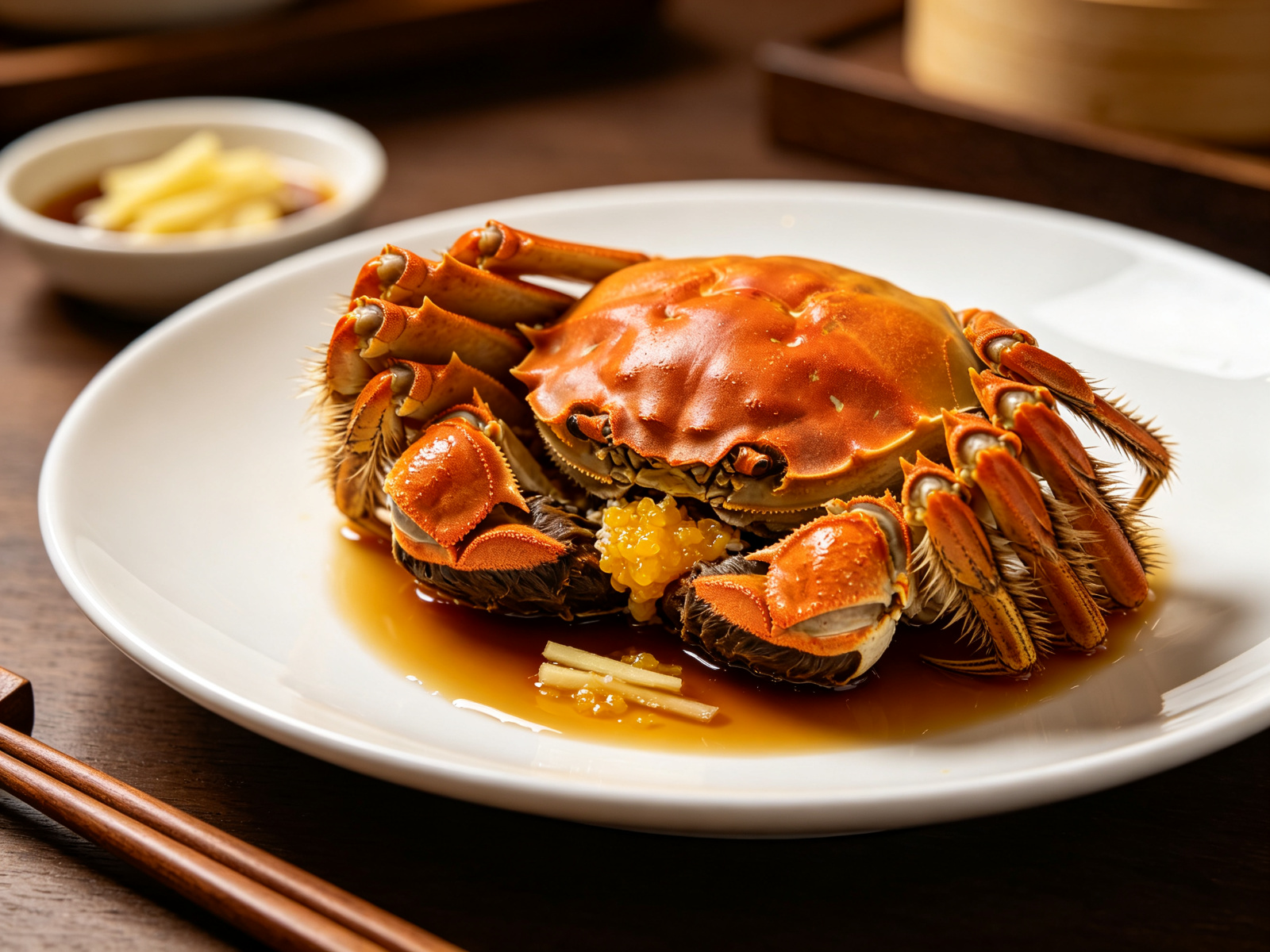
Autumn delicacy (Oct–Nov): steamed freshwater crabs with golden roe. Best paired with Shaoxing wine.
 Popular
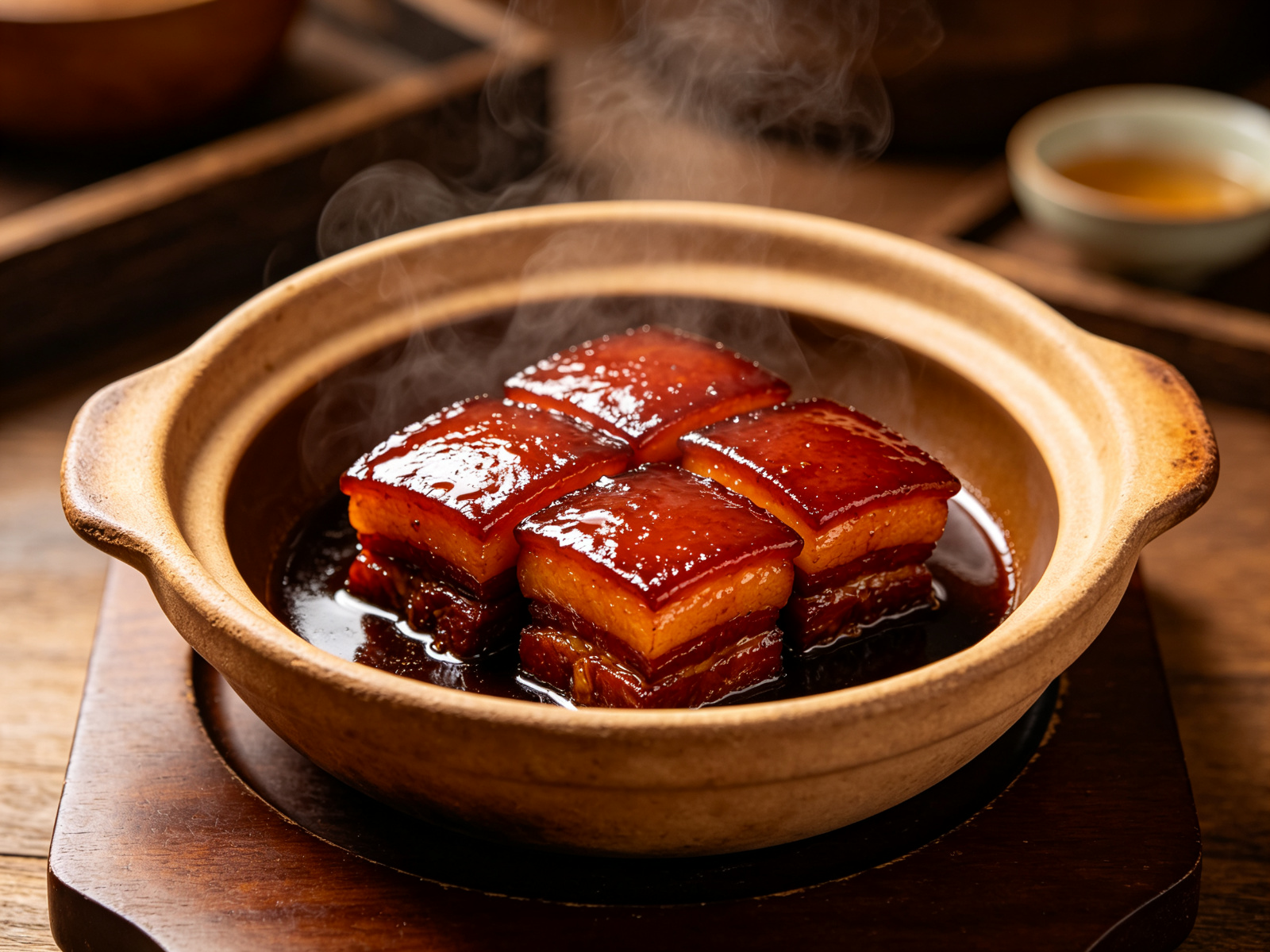
Slow-braised pork belly in soy and rock sugar. Melts in your mouth. The ultimate Shanghainese comfort food.
Best time: March–May, September–November · Humid subtropical — hot summers (35°C+), cool winters (3–8°C)
Metro is the backbone (20+ lines; Metro 大都会 / Alipay QR). Pudong Maglev ~8 min to Longyang Rd then Line 2. Bund, Yu Garden, French Concession and Lujiazui are Line 2/10/14 hops. Confirm first/last trains on the official metro site.
Alipay and WeChat can bind foreign cards; the Metro 大都会 app supports overseas bank cards for QR entry; service centers at the two airport stations (including Maglev) help with overseas cards. Keep about ¥200 cash as backup.
Bund buildings light around 19:00—arrive 30 minutes early. Enter Yu Garden before 10:00. Shanghai Museum East is closed Tuesdays; weekends at Yu Garden and the Bund are packed—weekday evenings are calmer.
No flash photography, selfie sticks or tripods in museums (per the official visit notice). No eating or loud phone audio on the metro; queue for xiaolongbao lines—do not cut. Speak softly in gardens and temples.
Tap water is not drinkable—buy bottled water. Carry an umbrella in June plum rain and summer thunderstorm season. Wear walking shoes: Bund to French Concession is a 2–3 km stroll.
Google, Facebook and Instagram need your own roaming or VPN arrangement; grab an eSIM or local SIM at the airport. Metro QR payment works through Alipay or the 大都会 app.
No eating or drinking in stations and trains, no speaker audio on devices, give up priority seats. Single-journey tickets are sold at station machines; confirm first/last train times on the official metro site.
Metro is the backbone (20+ lines; Metro 大都会 / Alipay QR).
Pudong Maglev ~8 min to Longyang Rd then Line 2.
Metro, stalls, and rides mostly take Alipay or WeChat. Set up Alipay with a foreign card before you land.
Show the Chinese name “上海” to drivers and staff. It beats a long English explanation.
Book tickets, transfers, and popular tours via partners first — then request deeper local experiences through ChinaPie.
Disclosure: Some links are affiliate links. ChinaPie may earn a commission on eligible bookings at no extra cost to you.
Prices shown are planning references only. Actual rates fluctuate with season, holidays, demand, and partner promotions — the price at checkout on the booking site is authoritative.
Authority field notes: case breakdown · East/West contrast · replicability — hidden on leisure-only cities.
Shanghai is not a heritage theme park: Lujiazui is a working CBD, the Huangpu is still infrastructure, and Zhangjiang and Lingang are operating tech parks. Bleisure visitors can read finance and logistics from sidewalks with no agent required for observation days—private towers still need invitations. This lens helps overseas visitors read the city as trade, finance and industry.
Read the Bund as China's 1920s banking district, then cross to Lujiazui where the post-1990 financial district concentrates exchanges and tower headquarters. Standing on both banks lets you trace a century of the country's financial geography in one walk.
River cruises get the photos, but the same water carries commuter ferries, pilot boats and logistics craft. Ride a cheap local ferry across the river to feel the port city's everyday rhythm.
Public roads and metro exits give sightlines onto pharma, semiconductor and ICT campuses. You observe signage, commuter flows and building density—not confidential operations; bring this framing to investor conversations.
Old lane houses were restored into retail, dining and offices while preserving the exterior fabric. Walk both Xintiandi and an unrestored lane nearby to compare how heritage value is converted into commercial rent.
Conversion stays soft — clear next steps: plan this city, or request planning help.
Yes for typical tourist areas. Keep phones and bags secure on metro and in crowded night spots; use licensed taxis or Didi.
Depends on your passport. Check ChinaPie Plan & Prep → Visa for 30-day visa-free and 240-hour transit options before booking.
Yes—foreigners can set up Alipay with passport + international card. See /prep/alipay-setup for the step-by-step guide.
2 full days is enough for the highlights (Bund, Yu Garden, French Concession, one museum). 3 days lets you add a day trip (Suzhou or Hangzhou) and a beauty/nightlife experience.
Mid-range: $50–80/day excluding hotel. Budget: $30/day with street food and metro. Luxury: $150+/day. Hotels range $40 (budget) to $200+ (international chains).
Yes—permanent collections at the East Museum (1952 Century Avenue, Pudong) are free, walk-in Wed–Mon 10:00–18:00, closed Tuesdays. The former People's Square pavilion is under renovation.
Historic Bund buildings typically light around 19:00. During major holidays the city may extend core-area lighting—check shanghai.gov.cn announcements for your dates.
China offers unilateral visa-free entry to 40+ countries including France, Germany, UK, Japan, South Korea, Singapore, Malaysia, Thailand, Italy, Spain, Netherlands, Switzerland, Sweden, Norway, Denmark, Finland, Belgium, Austria, Ireland, Portugal, Greece, and more. Stay: up to 30 days. IMPORTANT: US passport holders are NOT on the unilateral visa-free list and need a visa. Check latest list at China Immigration official site before travel.
Foreign cards work more often via Alipay / WeChat Pay tourist modes and some metro apps, but coverage still varies by merchant. Keep a small cash float and set payment apps up before peak sightseeing. See the practical section on this hub for city-specific notes.
Many buyers run a first pass with no agent required for small lots / samples — especially in clear wholesale market layouts — but factories, customs, and larger MOQ deals often need local help. Read the Business lens on this page for direct-from-factory vs market booth reality, then open the matching sourcing playbook.
Buyer / fair route: prioritize adjacent hubs and prep guides — not lookalike leisure cities.